


A Textured Quiff Hairstyle is short-to-medium length on top, pushed up and back off the forehead with chopped texture. The sides and back stay short, so the height on top stands out. Top length runs 2 to 4 inches, always cut with scissors. A matte finish keeps the lift dry and piecey instead of slick.
Oval and square faces wear it well because the height balances their proportions. Round faces gain most from a mid-fade with lift on top. Fine, straight hair needs sea salt spray for grip, while thick waves need clay. Book a trim every 3 to 4 weeks for tapers, or every 2-3 weeks for fades.
Quick Answer
A Textured Quiff Hairstyle is a push-up style with chopped top length and short, faded sides. It suits round, square and diamond faces best, and works on straight, wavy or curly hair. Top length runs 2 to 4 inches, with a low or mid fade; high fades are alternatives. Plan on a touch-up every 2 to 4 weeks.
Trendy Textured Quiff Hairstyle Ideas for Men
Every quiff starts with the same idea and then splits by length, fade height and finish. Some sit tight and clean for an office week, and others stay loose for weekends. Your hair type decides which ones hold, and your face shape decides which ones flatter. Use the notes under each cut to match one to your routine.
Classic Quiff

One smooth, rounded wave sweeps up and back from the forehead, with no broken pieces. The sides stay short but solid, with a #3 guard blended into a taper at the nape. From the back you see a neat neckline and no hard fade line. What sets it apart is control: the surface stays smooth where messy styles stay broken.
Three inches on top gives the shape its height without tipping into a pompadour. Oval and square faces carry it best, since the height balances a broad forehead and jaw. Straight or gently wavy hair with medium density holds it easiest. Slick a dime-sized amount of pomade through damp hair, then blow-dry upward for thirty seconds.
Book a trim every four weeks, because the taper at the nape grows fuzzy first. Between visits, keep the top lifting with a little dry shampoo at the roots. Thin or very fine hair struggles here, since pomade weight pulls the wave flat. Ask for a matte paste instead if you want the same shape with less shine.
Messy Quiff
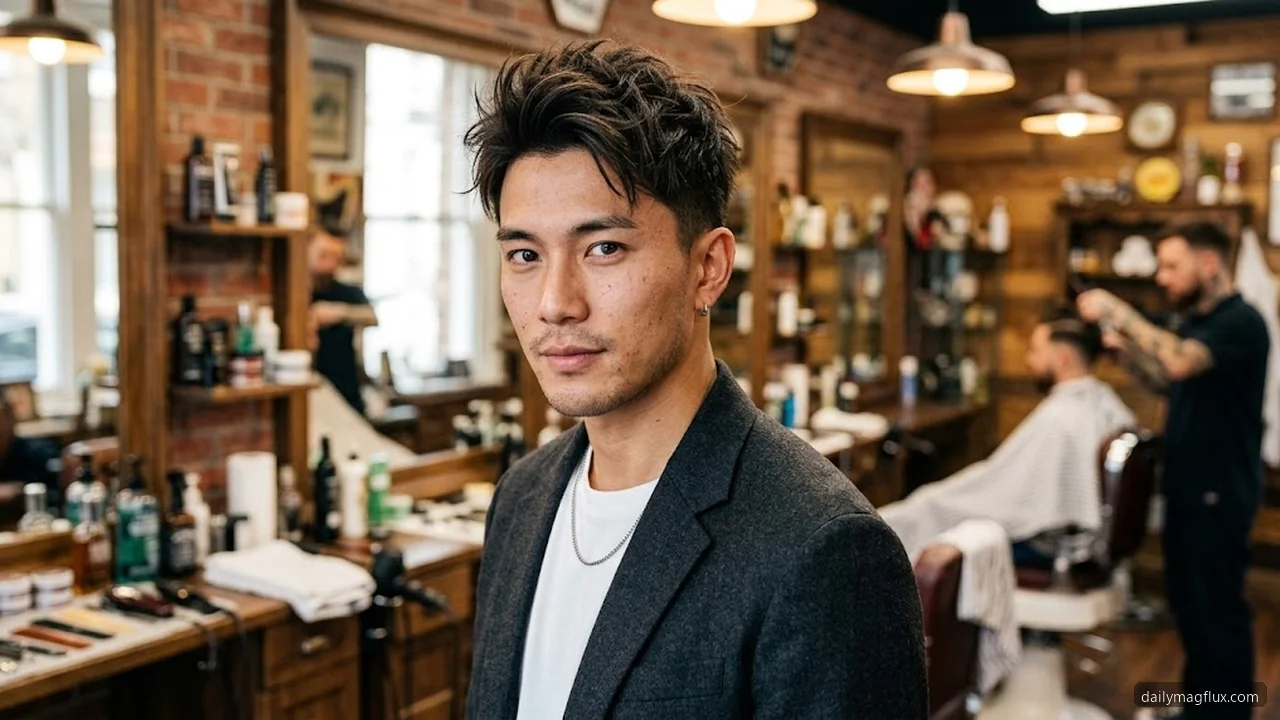
Loose, broken pieces lift off the forehead instead of forming one smooth wave. The sides are cut with a #2 guard and tapered low, so the shape stays close without going to skin. At the back, the nape keeps a soft edge that reads relaxed. Finger-length texture on top is what keeps the whole thing looking undone.
Two to three inches on top is the sweet spot for this cut. Round and diamond faces gain most, because the height stretches a round face and softens wide cheekbones. Fine hair with natural movement works better than heavy, straight hair. Work a pea-sized amount of matte clay through dry hair and pinch the front upward.
A low taper keeps its shape longer, so three to four weeks between visits is enough. The front is what loses shape first, since it is the longest section. Trim it yourself only if you are confident, and keep the sides clean with a #2 clipper pass. Skip this cut if your hair lies completely flat without product.
Textured Quiff
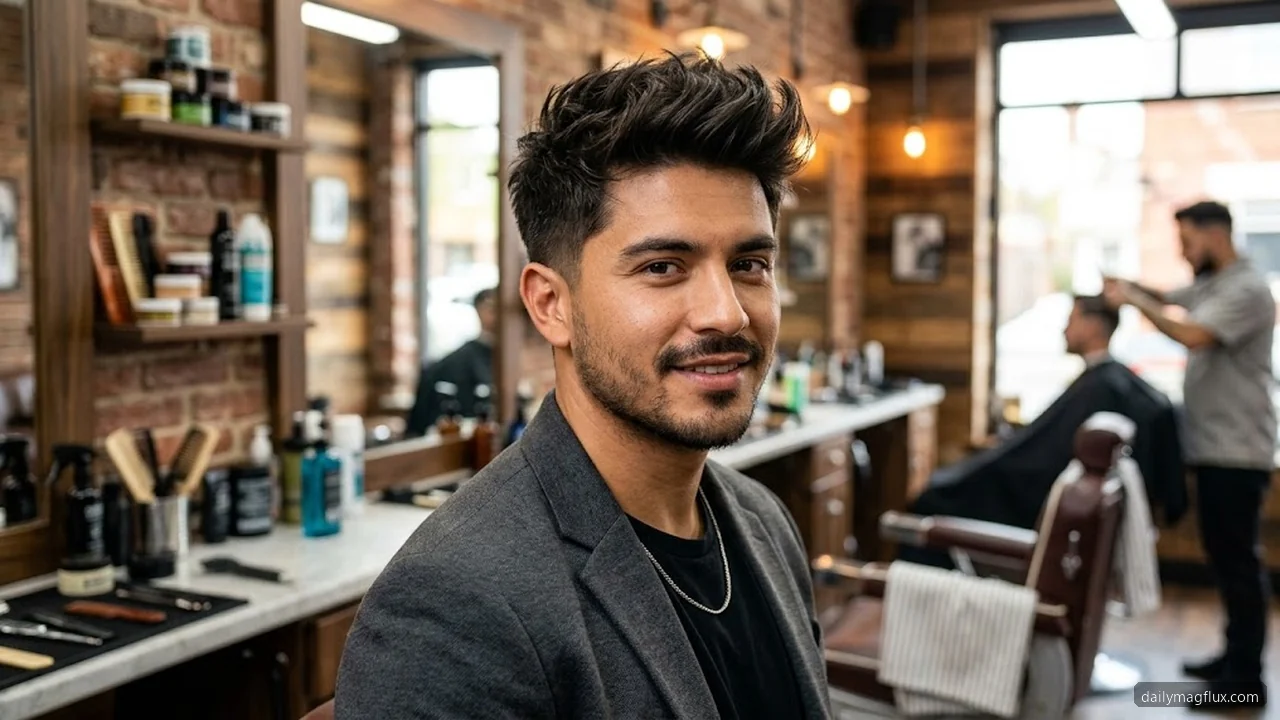
Texture is the point here, because the ends are point-cut so the top separates into strands. A low taper drops from a #1.5 at the sideburn to a #3 above it. The back follows the same blend, so nothing pops out at the crown. It sits between the classic and messy versions in finish.
Two and a half inches on top gives enough length for the strands to read. Square and oval faces suit it, and thick, straight hair takes the sharpest texture. Sea salt spray comes first on damp hair for grip, then a pea-sized amount of paste. Blow-dry on low while you push the front up with your fingers.
A mid taper keeps its line for about three weeks before the edges soften. The point-cut ends hold their shape longer than a blunt cut, so the top needs less attention. Ask your barber to texturise again at each visit instead of removing length. Skip heavy pomade here, because it flattens the strands you paid for.
Modern Quiff
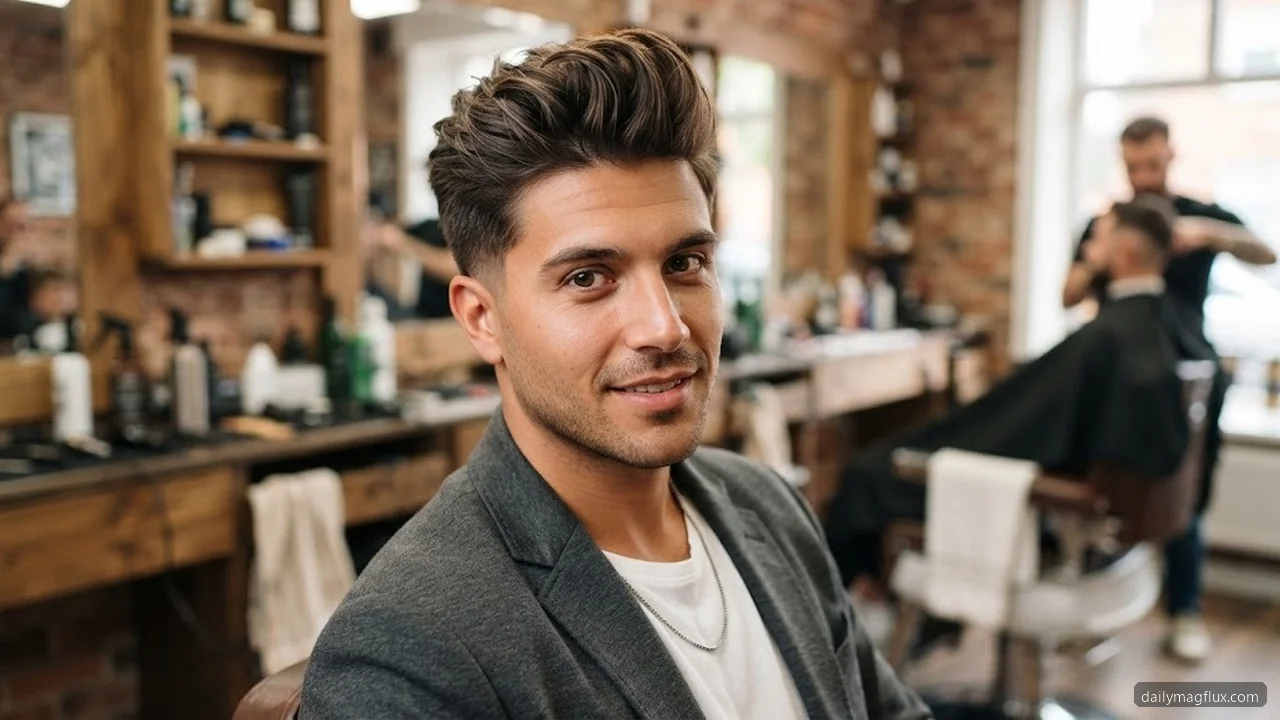
Tighter sides and a skin fade replace the smooth sweep of older versions. The sides drop to a #0 at the bottom and blend up to a #2, with three inches on top. Square faces suit the contrast, and thick hair shows the blend lines cleanest. Style it with matte paste, then touch up every two to three weeks.
Short Quiff

The top stays between one and two inches, so it stands up without a big sweep. The sides take a #4 guard and taper at the sideburns rather than fading to skin. From the back you see a natural neckline with soft edges. It suits anyone who wants the shape without the styling time.
Oblong faces do well here, because the modest height avoids stretching the face further. Fine and straight hair holds this shape better than thick coils, which need more length to stand. A light cream plus a quick blow-dry gets it up. Trim every four weeks.
Quiff Fade
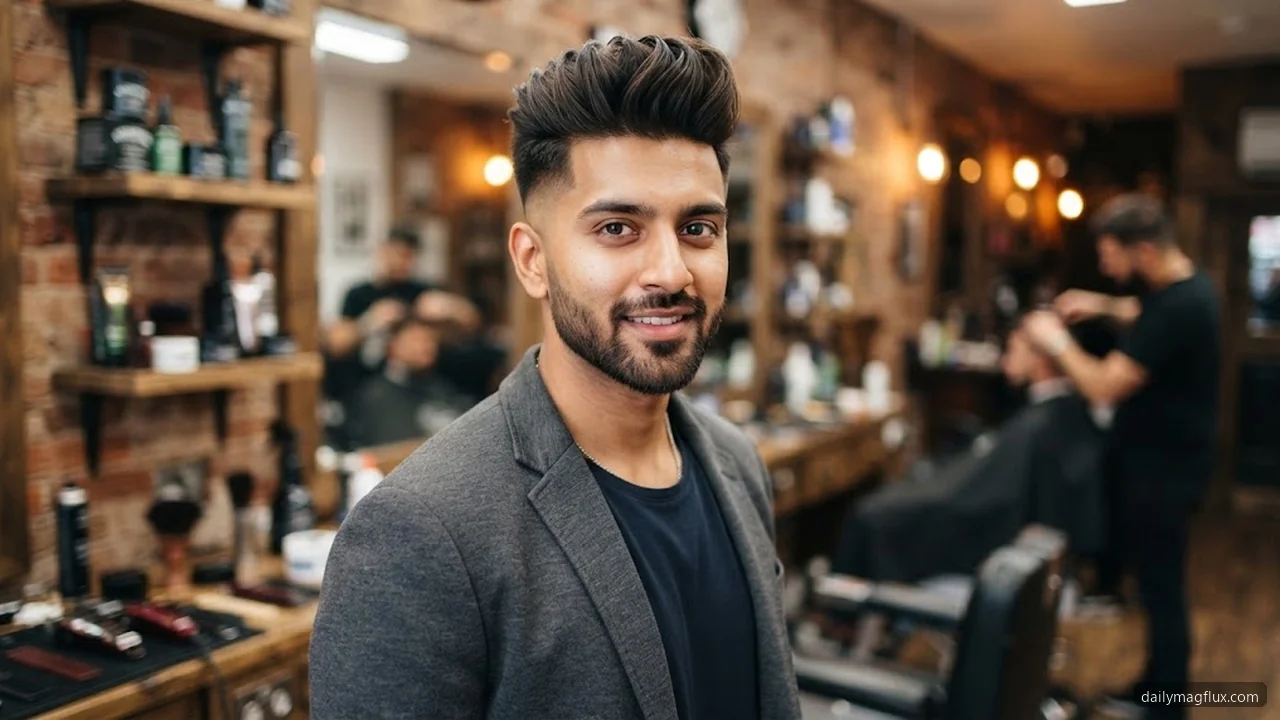
The sides drop to a #0.5 at the bottom and blend up to a #2. The blend line sits at the temple, which is the classic mid height. Two and a half inches on top stay brushed up and slightly back. It reads sharper than a taper but softer than a skin fade.
Round faces gain the most, since the tight sides and tall top pull the eye upward. Wavy hair works well because the mid fade keeps bulk off the temples. Use sea salt spray on damp hair and blow-dry the front upward. The mid fade needs a touch-up every two to three weeks.
Medium Quiff
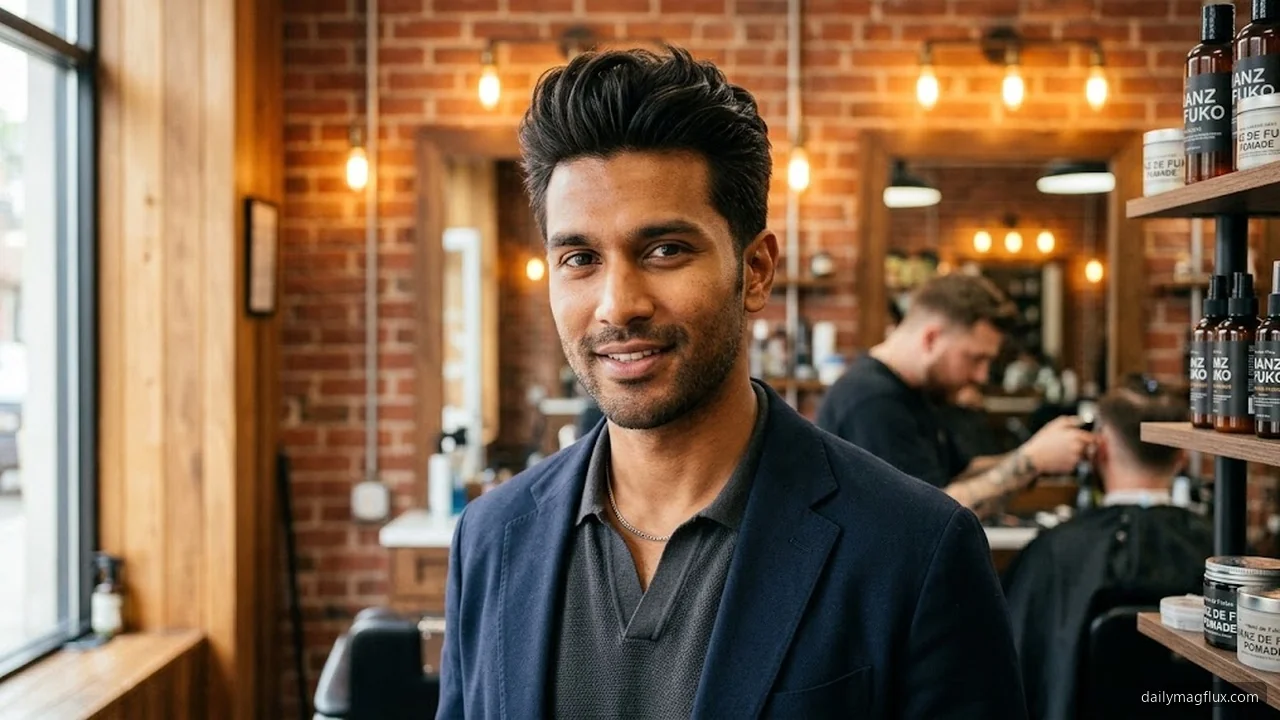
Medium length means three inches on top, combed up and back. The sides take a #3 guard in a taper that leaves the sideburns visible. Heart faces suit it well, because the height stays moderate and the fringe sweeps across. Thick hair takes a pea-sized scoop of clay, and a trim every four weeks keeps it tidy.
Quiff with Beard
A quiff with beard pairs two strong features, so the top and chin frame the face. Keep three inches on top and blend a #1.5 into a low taper at the sides. Trim the beard to half an inch, and heart faces gain most since it fills a narrow chin. Use matte paste above and beard oil below, with a trim every three weeks.
Short Low Taper Quiff
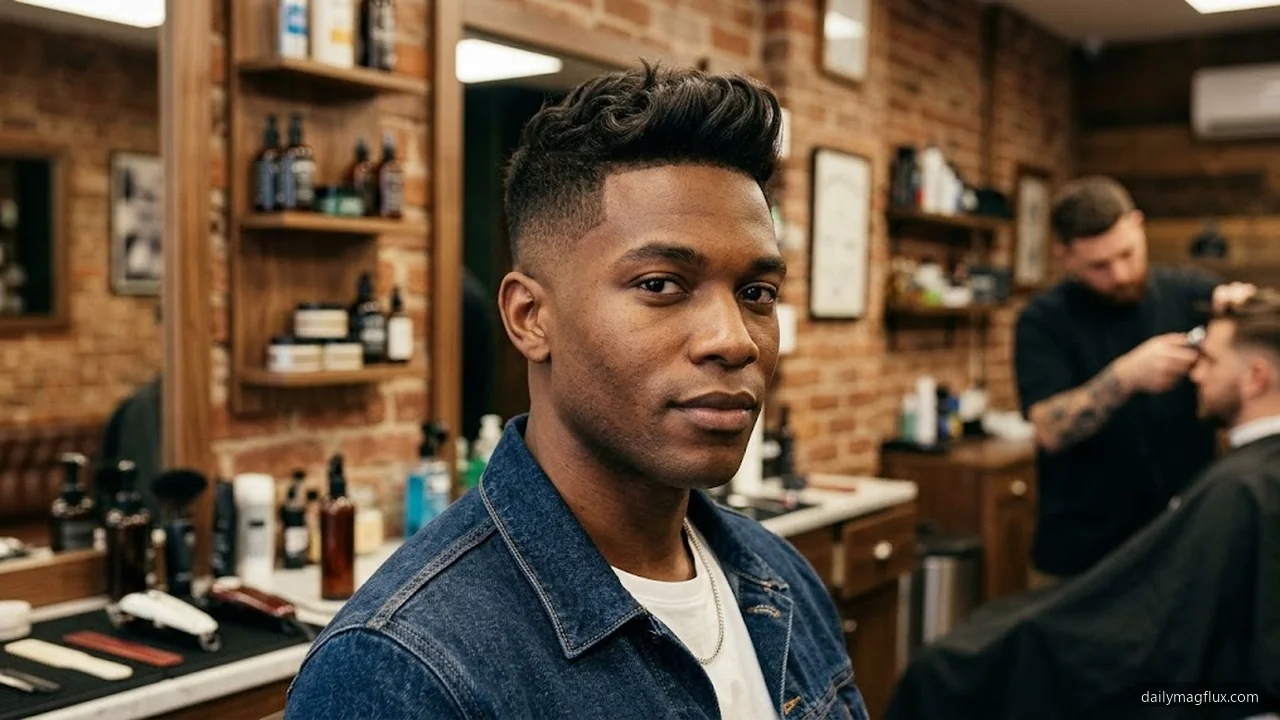
Low taper means the blend stays near the ear and nape, so the sides keep visible length. One and a half inches on top pushes up without any real height. Triangle faces suit it because fuller sides stop the jaw looking wider than the forehead. A dime-sized amount of paste works in with your fingers, and a trim lands every three weeks.
Tousled Low-Fade Quiff
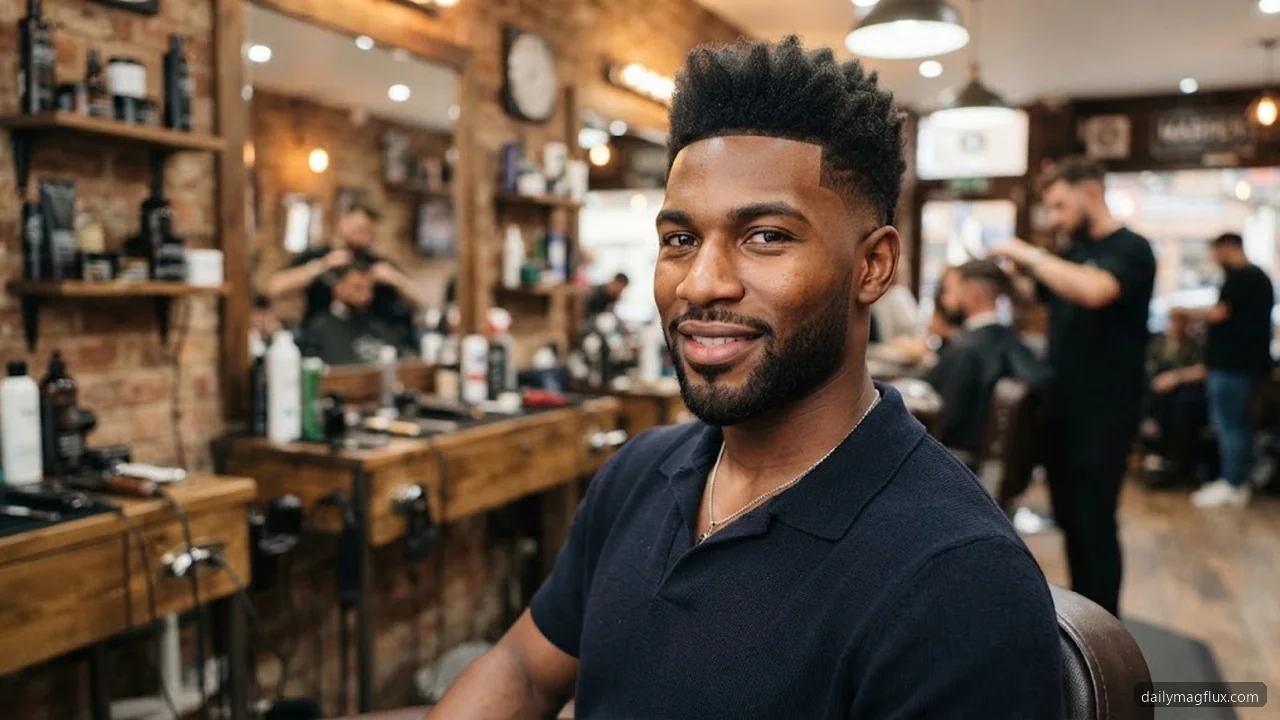
The fade stays close to the ear while the top is left shaken, not combed. Two inches on top gives the pieces room to fall apart. Wavy 2A to 2C hair does this naturally, and oval and square faces wear the soft finish well. Sea salt spray plus a rough towel dry gets the look, with a trim every three weeks.
Wavy Quiff
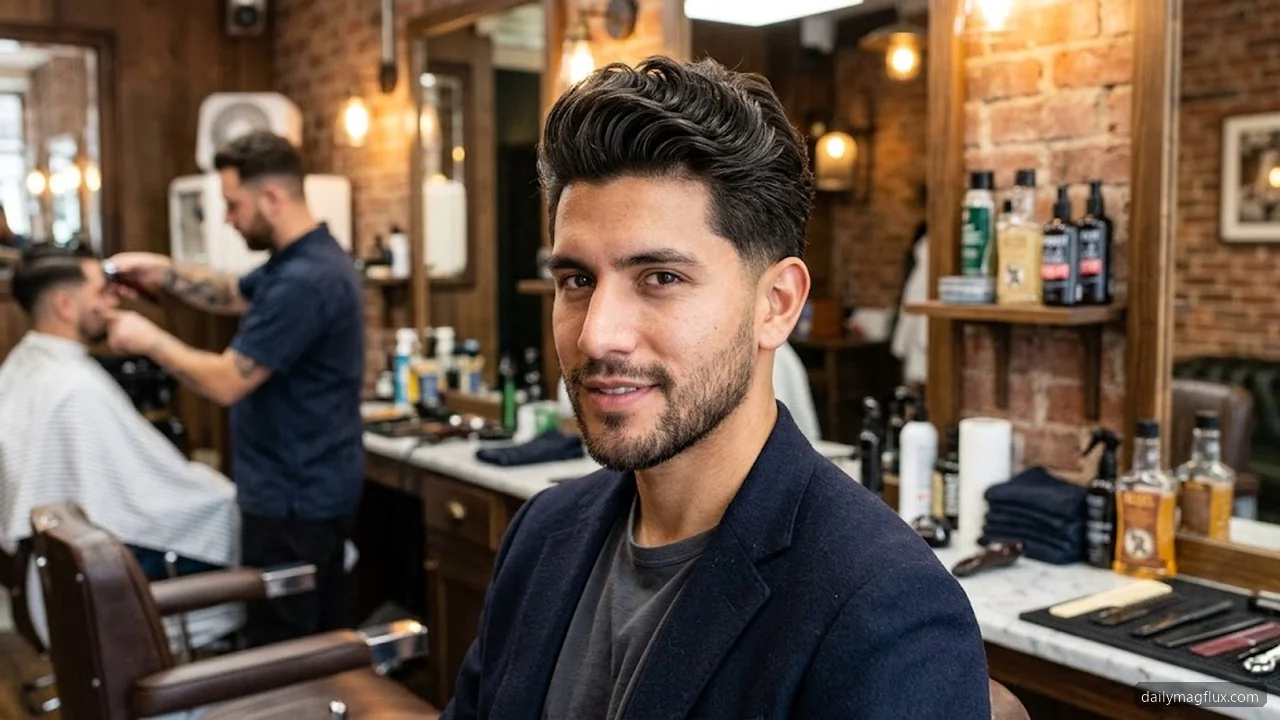
A wavy quiff works with the bend, so the front lifts in soft S shapes. Three inches on top with a #2 low fade keeps the weight up top. Oblong faces suit the moderate height, since the wave adds width at the sides. Curl cream controls frizz, and a trim every four weeks keeps the sides clean.
Short Mid-Fade Textured Quiff
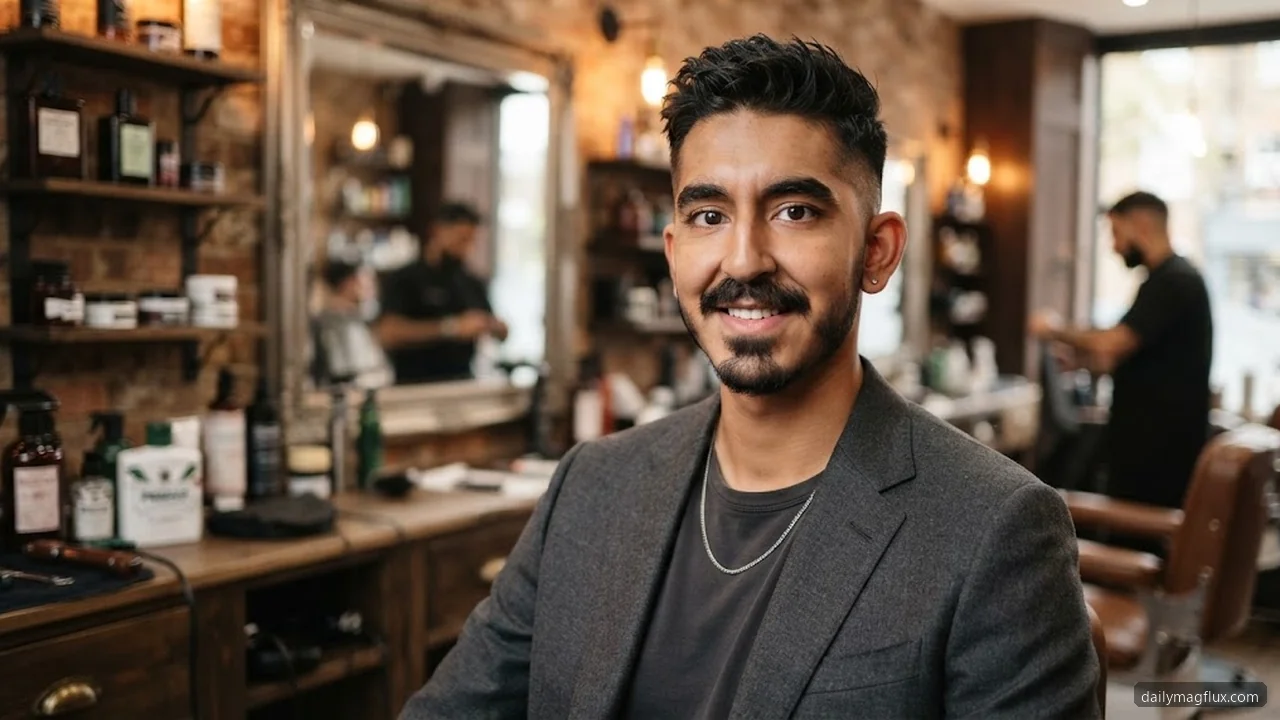
The blend runs from a #0.5 at the ear up to the temple line. Two inches on top get point-cut so the strands stand apart. Round faces get the lift they need without bulk at the sides. A pea-sized amount of matte clay works through dry hair, and touch-ups land every two to three weeks.
Messy Taper-Fade Quiff
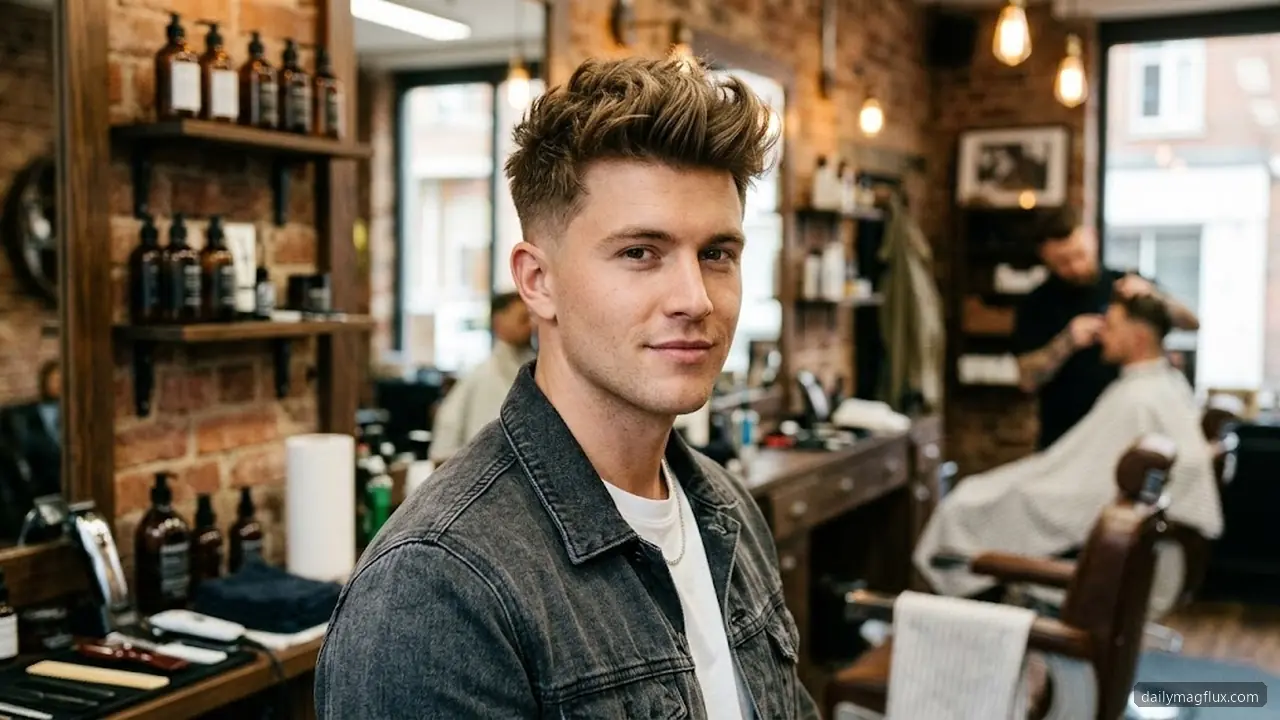
Length stays at the sideburns and nape instead of going down to skin. Two and a half inches on top with a #1.5 taper grows out quietly between visits. Heart and square faces suit the relaxed top with a tidy edge. Dry texture spray and fingers keep it undone, with a trim every three to four weeks.
Long Quiff
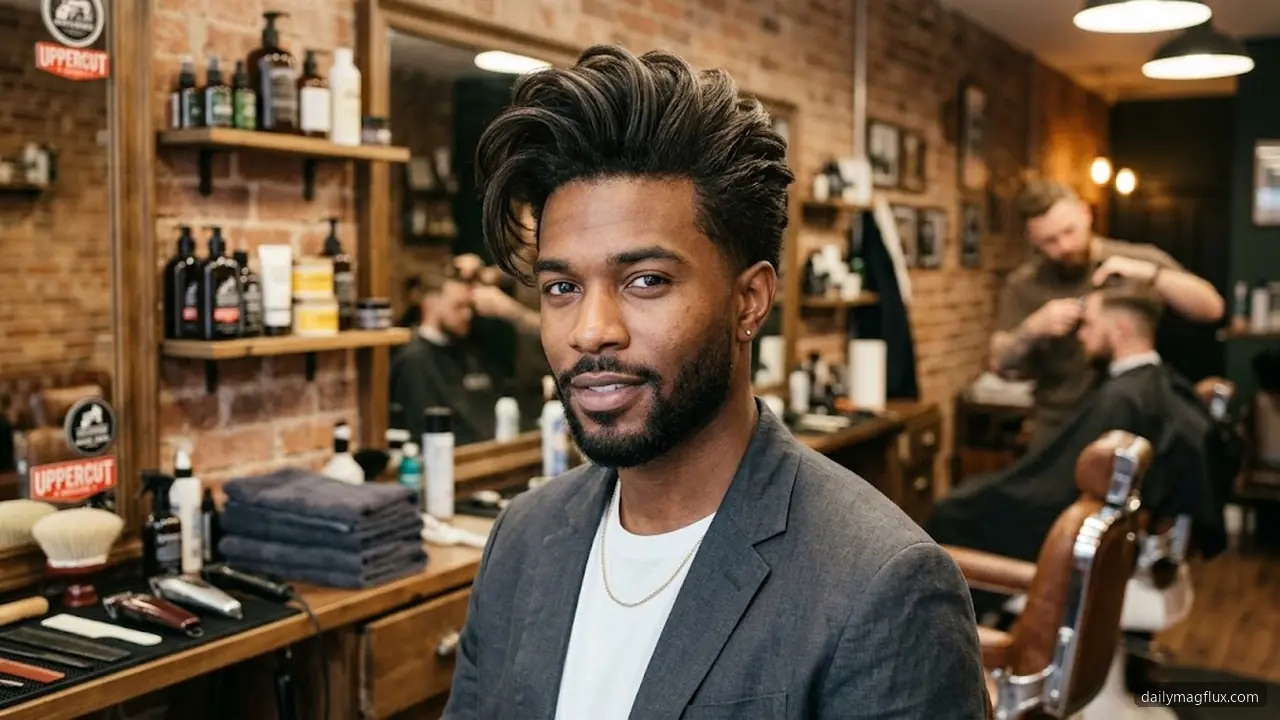
Four inches on top gives a heavy weight that sweeps back. The sides are scissored short and blended into a low taper at the nape. Oval and oblong faces carry this length best, because the weight sits back rather than up. Use a light cream and a wide-tooth comb, and book a trim every six weeks.
Thick Quiff Fade
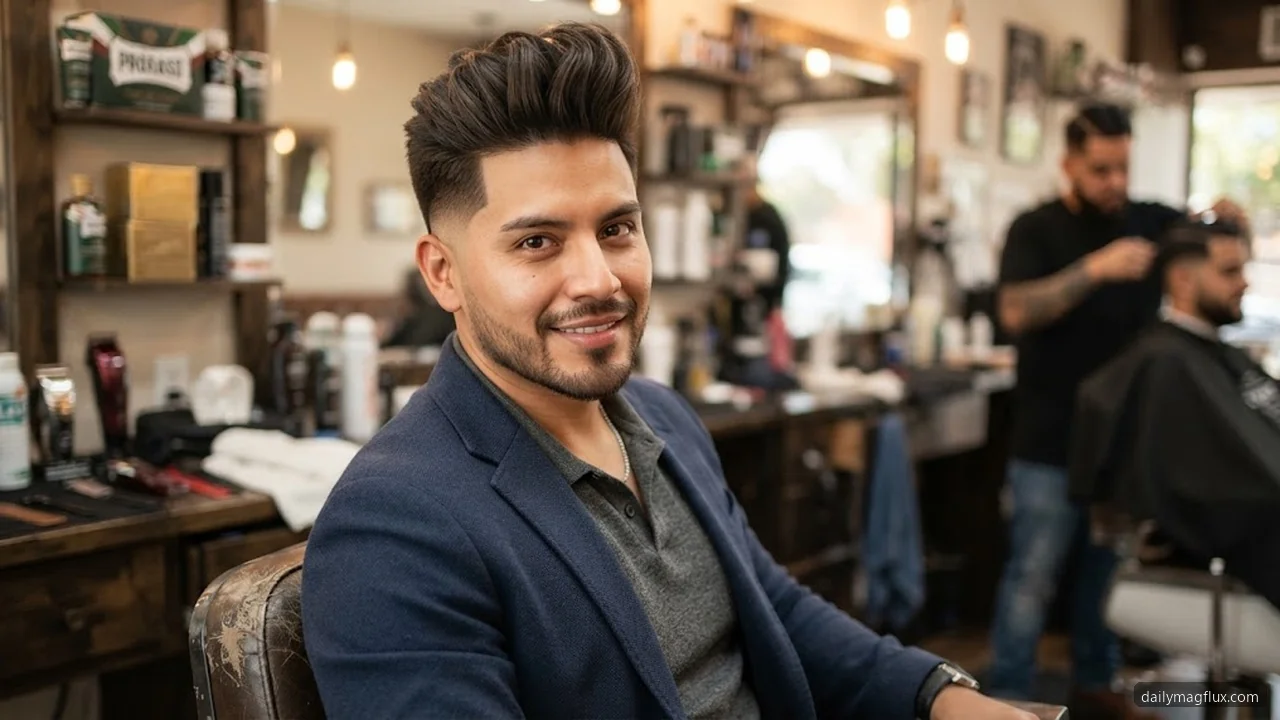
Thick hair builds volume fast, so a quiff fade needs thinning shears through the top. Three inches on top with a mid fade from #1 to #3 keeps the sides tight against that weight. Square faces suit the strong contrast between bulk above and tight sides below. A dime-sized amount of clay is plenty and a trim every three weeks keeps the shape.
Full Low Skin-Fade Quiff
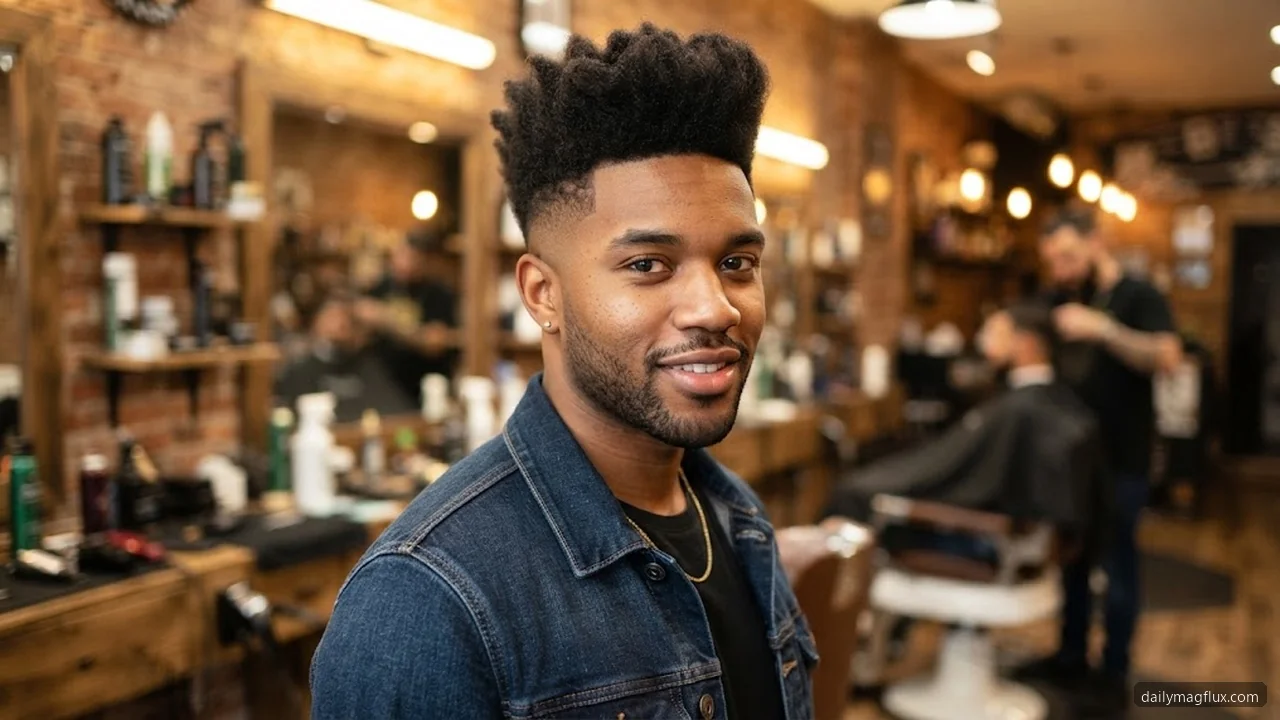
A full low skin fade takes the sides to bare skin with a foil shaver. The blend starts just above the ear and rises quickly into a #2. That bare bottom makes the top look taller and the head narrower. Three inches on top stays brushed up and slightly forward.
Round and heart faces gain the most, because the tight sides slim the widest part. Thick, dark hair shows the fade line hardest, so expect a sharp contrast line. Ask for a soft blend if you want it to look less severe. A skin fade needs a touch-up every two weeks.
Tousled Short Low-Fade Quiff
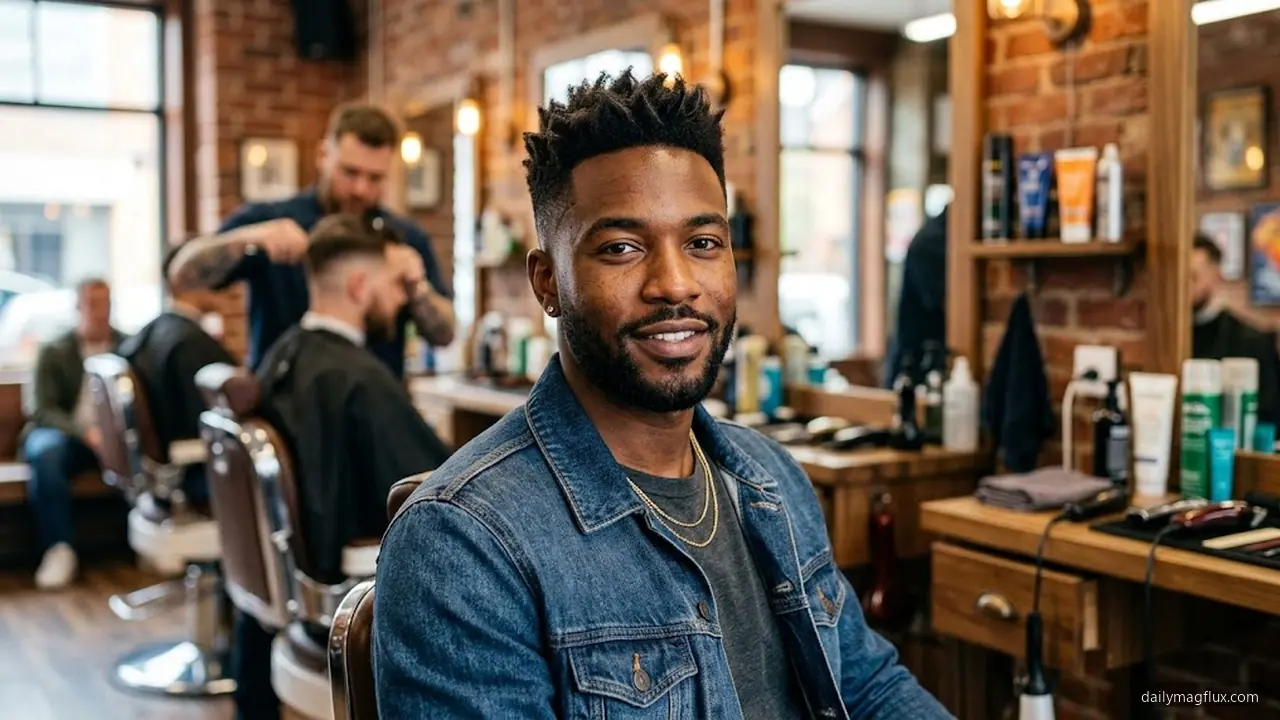
The sides stay tidy while the top is left deliberately rough and uncombed. One and a half inches on top is enough for the pieces to lift without a comb. Diamond faces suit it since the texture adds softness around the temples and forehead. A small dab of matte paste finishes the job, with trims every three weeks.
Messy Wavy Low-Taper Quiff
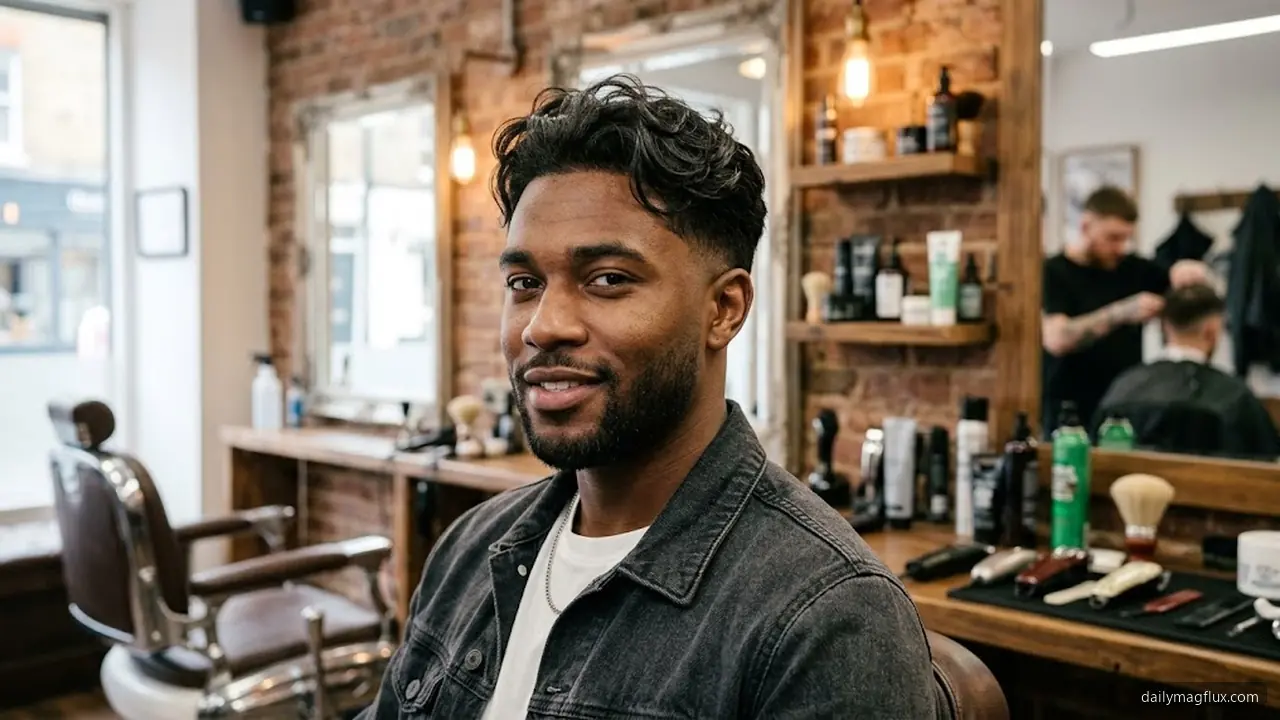
Waves plus a messy finish means the front lifts in loose clumps instead of a single wave. Two inches on top and a #2 low taper keep the sides neat without killing the movement. Oblong faces gain width at the sides, and round faces gain lift on top. Curl cream first, then a towel scrunch, with a trim every four weeks.
Natural High-Fade Quiff
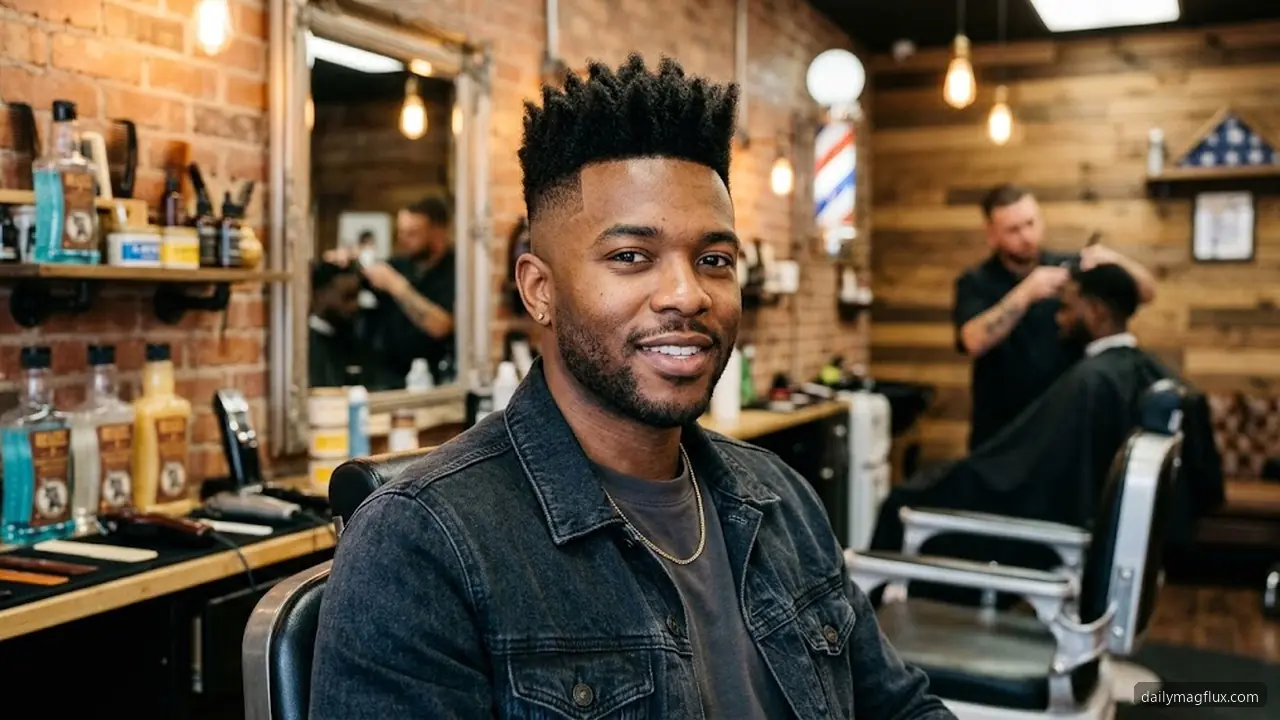
A high fade starts at the parietal ridge, which is the curve above your temple. Everything below that line goes to a #0.5, while the top keeps two inches of length. The result is a sharp band of contrast that suits a confident look. It needs steady upkeep, so book before the line blurs.
Square faces carry the strong horizontal line well. Straight, medium-density hair shows the cleanest result, while coarse coils blur the blend. Use a matte cream and blow-dry the front up for volume. Expect a barber visit every two to three weeks to keep the line crisp.
Undercut Quiff
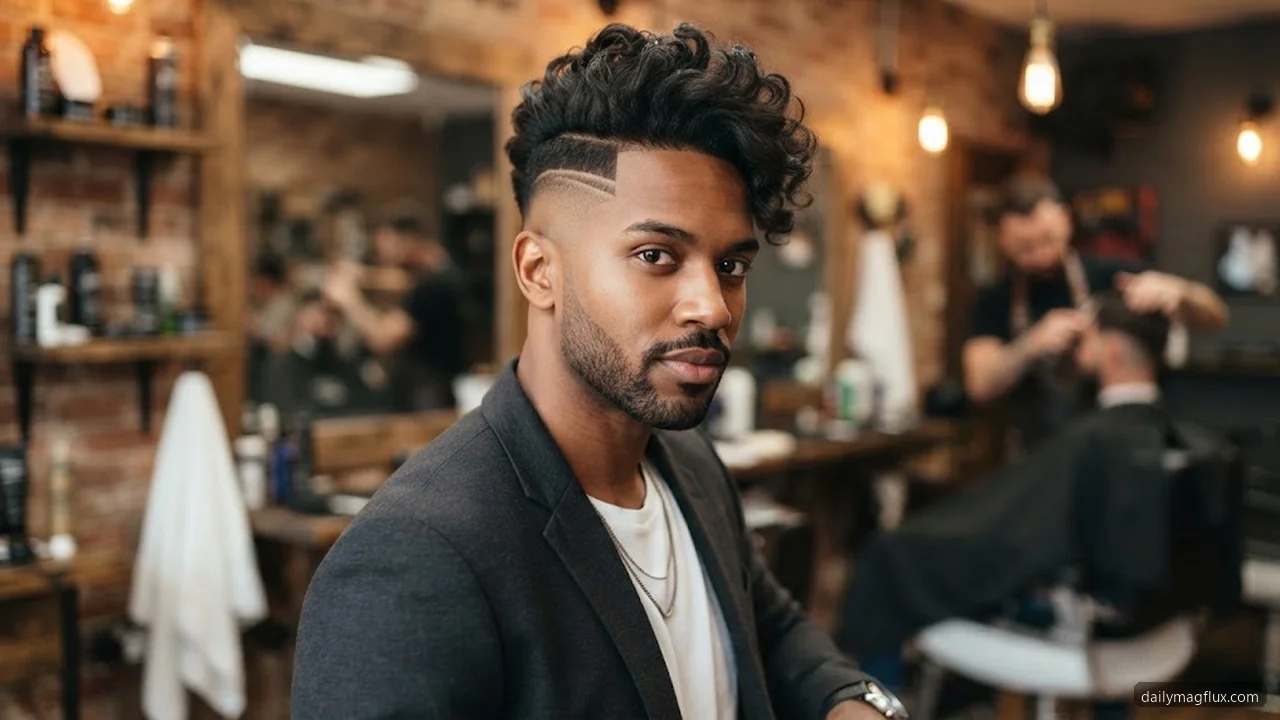
The sides stay disconnected from the top, so no blend softens the join. The sides are clipped to a #2, and three and a half inches on top hang over the edge. Oval and square faces suit the clean shelf of hair. Matte paste keeps the overhang in place, and the sides need a trim every three weeks.
Youthful Drop-Fade Quiff
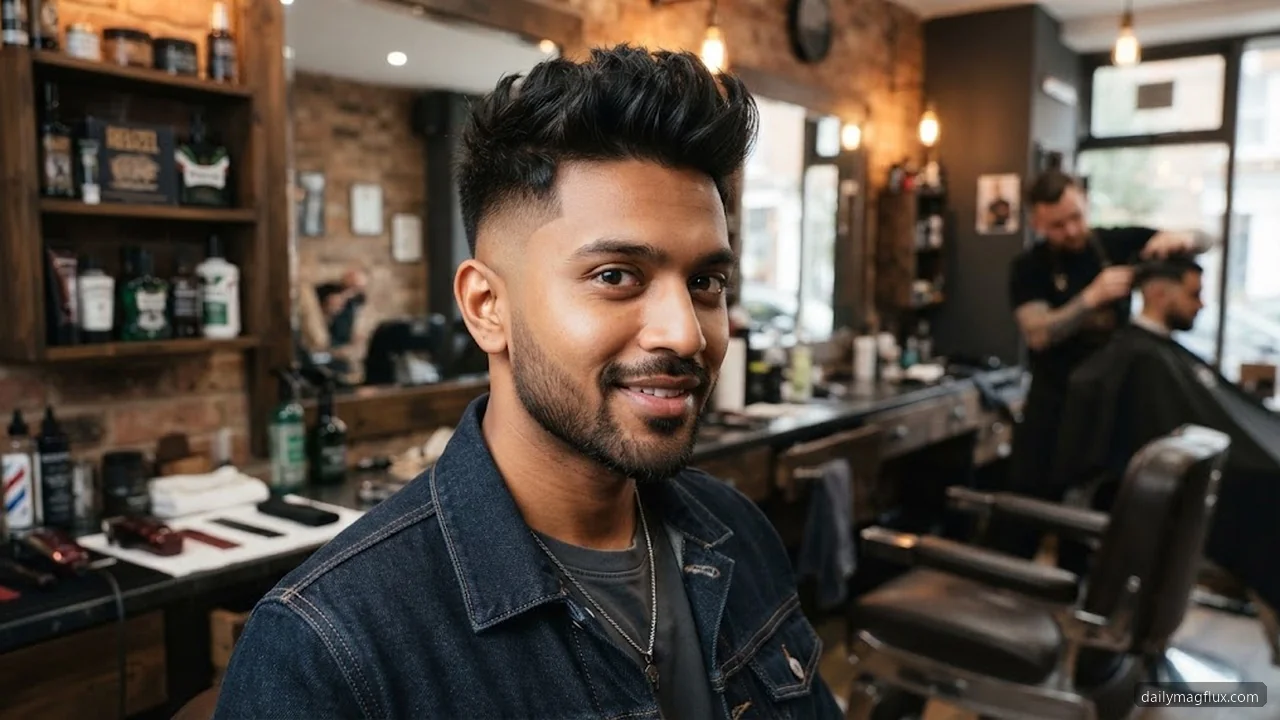
A drop fade curves down behind the ear, leaving the back longer than the sides. That curve softens the cut, which is why it reads younger than a mid fade. Two inches on top with a #1 at the bottom stays easy to style with clay. Round and heart faces suit the soft curve, and trims land every three weeks.
Sharp-Fade Textured Quiff
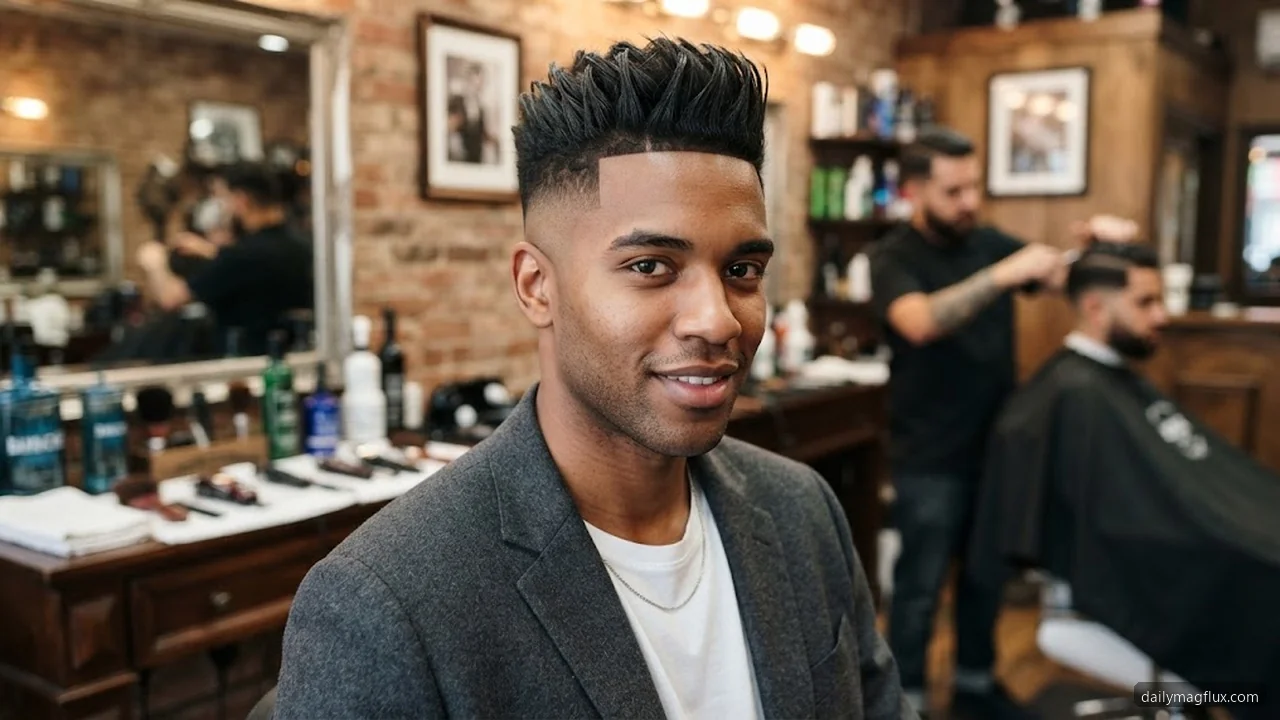
A sharp fade keeps the blend line tight and easy to see. The sides drop to a #0 and jump to a #2 within a short distance. Two and a half inches on top puts the focus on that hard edge. Square faces suit the angular look, and matte clay holds it between two-week trims.
Edgy Blonde Quiff
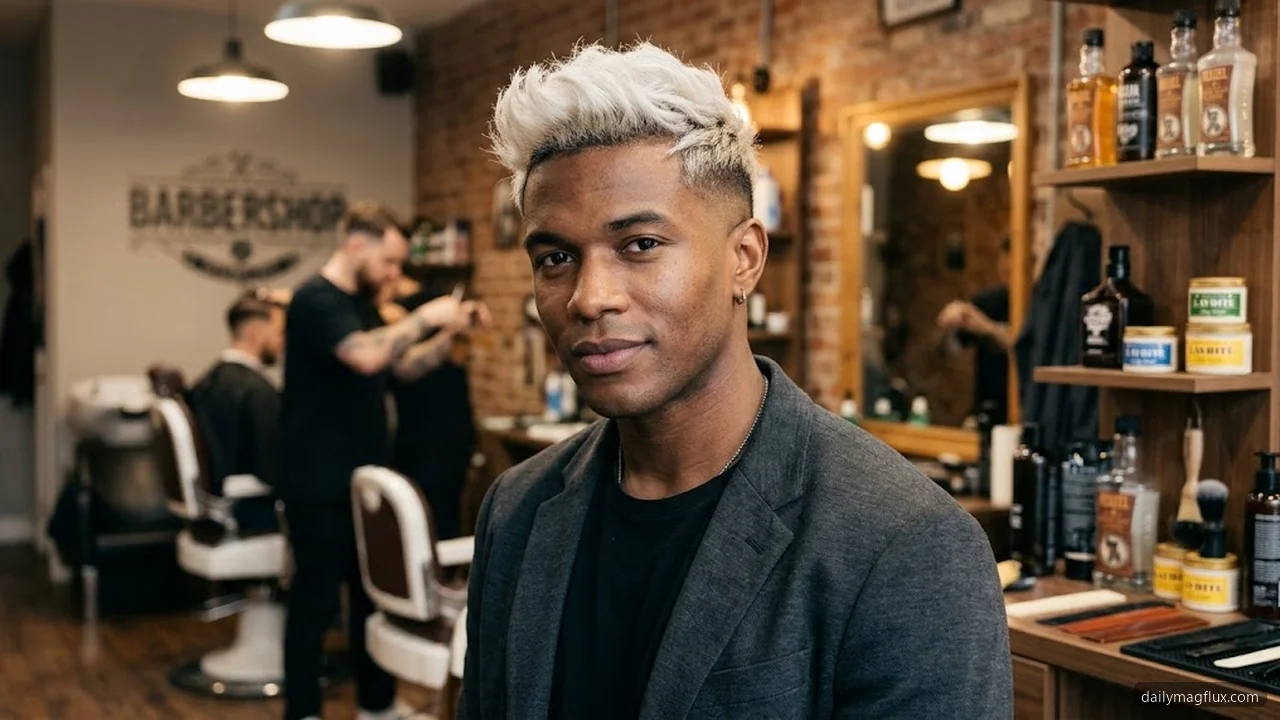
Colour changes the read of a quiff, so an edgy blonde version gets a strong contrast against dark roots. Bleach lifts the top to a pale level, and a #0.5 mid fade keeps the sides dark and tight. Three inches on top pushed up in sharp pieces looks boldest. Book a touch-up every two to three weeks and use purple shampoo once a week.
Long Quiff Fade
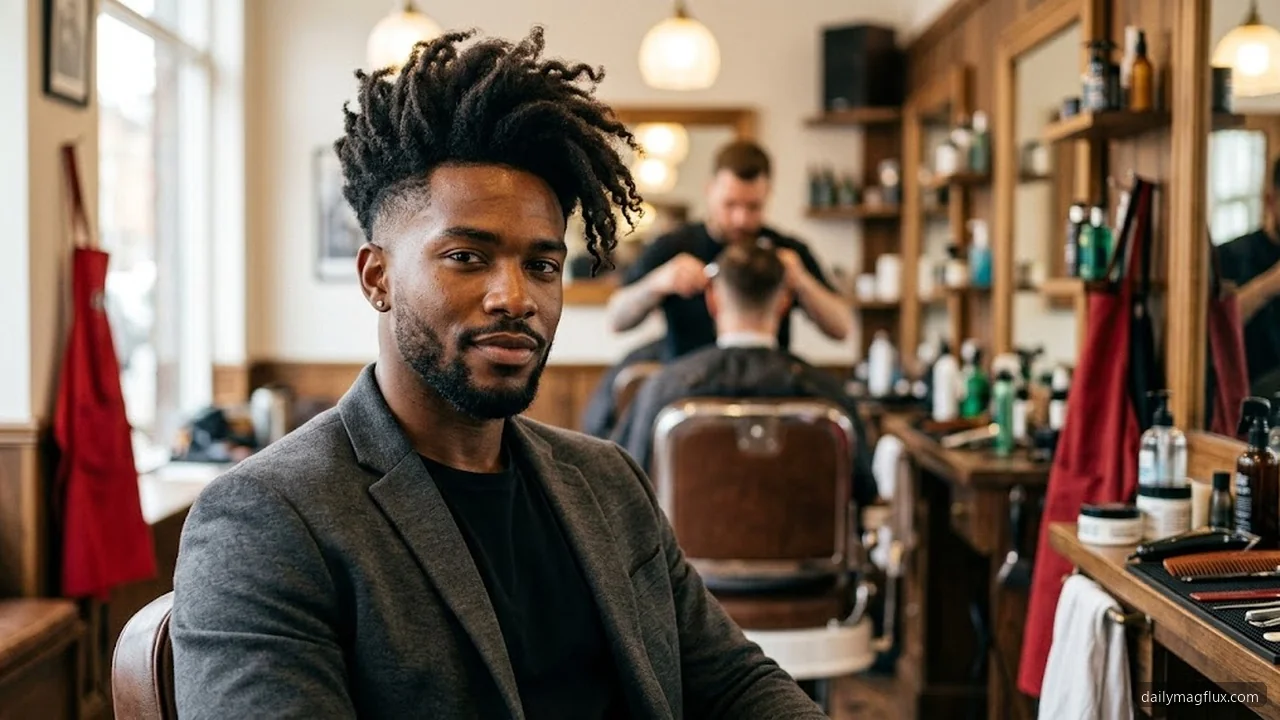
Four inches on top with a #1 mid fade keeps the length honest at the sides. The blend runs from the temple line upward, so the top looks heavy on purpose. Square faces suit the balance between a long top and tight sides. Use a light cream, and book every three weeks to hold the blend.
Smooth Mid Skin-Fade Quiff
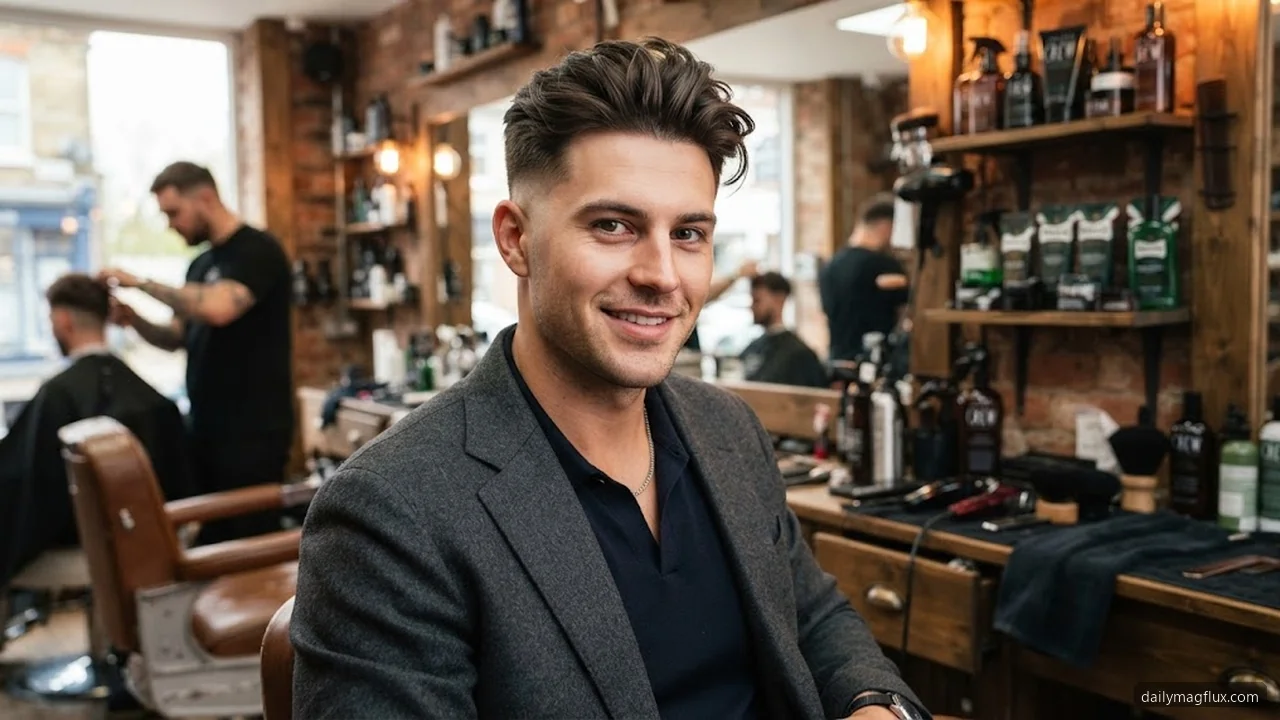
A skin fade at the temple line leaves bare skin right beside a smooth, glossy top. Two and a half inches on top gets combed back with pomade for shine. Triangle faces should skip it, since tight sides can make the jaw look wider. Expect a barber visit every two weeks, since bare skin shows regrowth first.
Curly Quiff
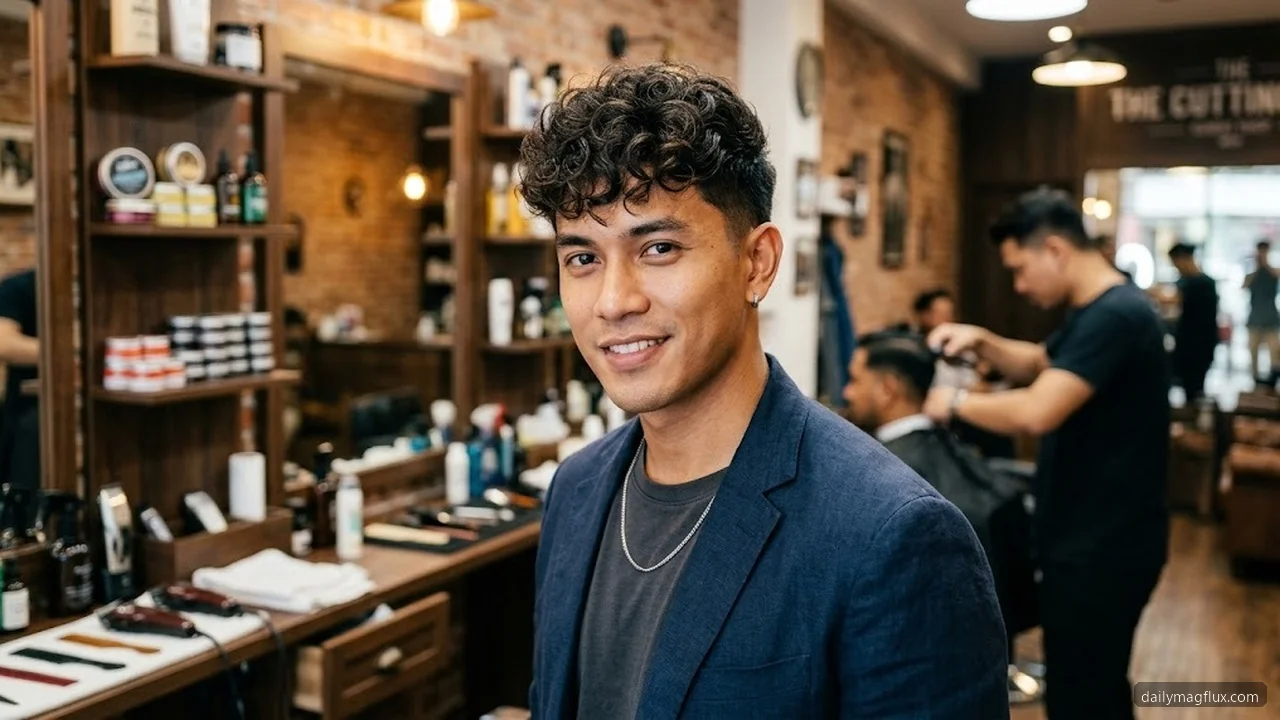
Curls push up on their own, so a curly quiff needs length to stretch them. Three inches on top with a #2 low taper keeps the sides from bulking out. 3A to 3C curls suit it best, while 4A coils need extra length to stand. Use curl cream on soaking hair, then diffuse on low heat.
Pompadour Quiff
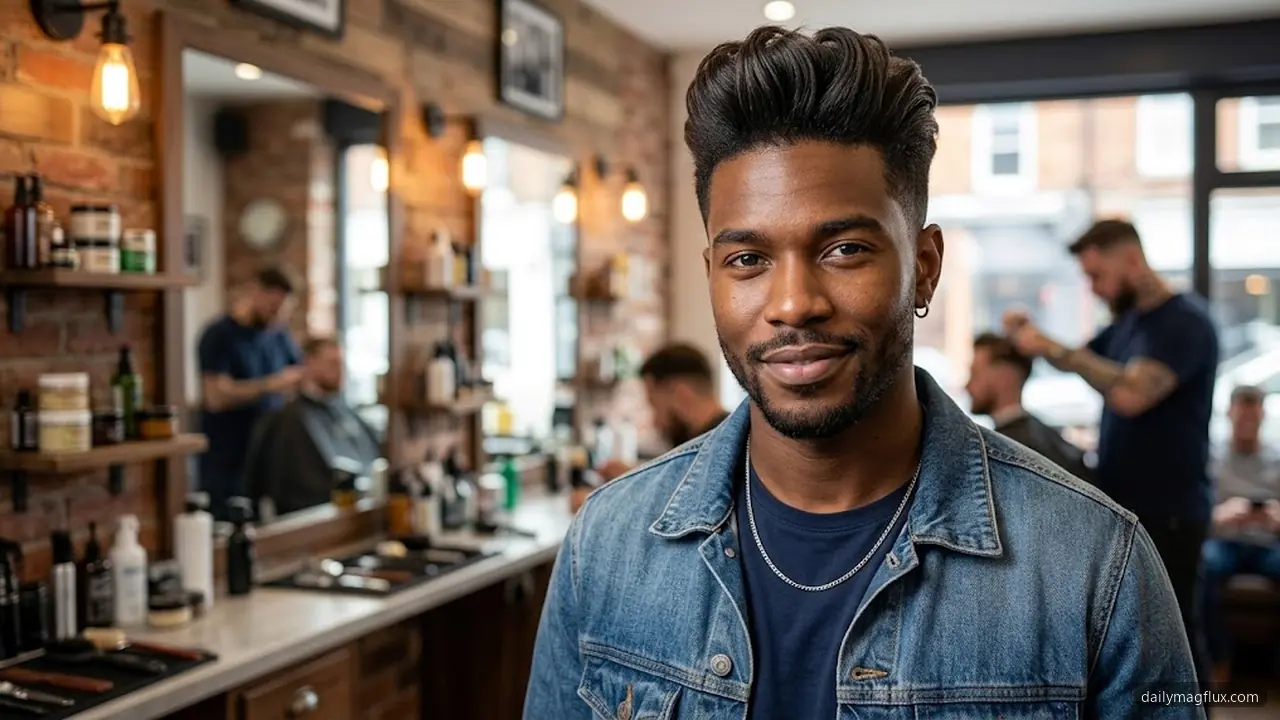
A pompadour has more volume and a rounder roll than a quiff, rising higher and rolling back further. Four inches on top with a #3 taper at the sides gives that big, rounded front. Oblong faces should skip it, since the height stretches an already long face. Use pomade on damp hair and blow-dry with a round brush.
Textured Fringe Quiff
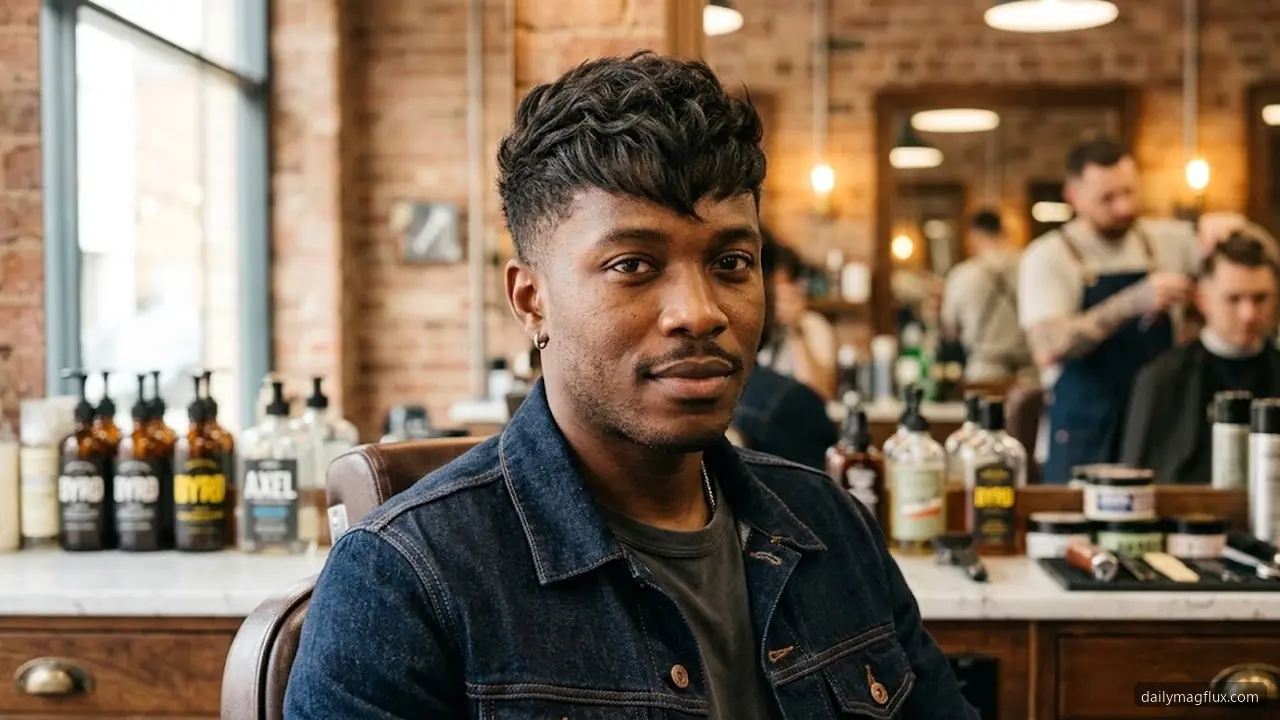
The front falls forward into a fringe while the rest pushes up and back. Two inches on top and a #1.5 low taper keep the sides close. Oblong faces suit it, since the fringe keeps fullness at the sides and front. Work matte clay through dry hair and leave the fringe loose.
Disconnected Quiff
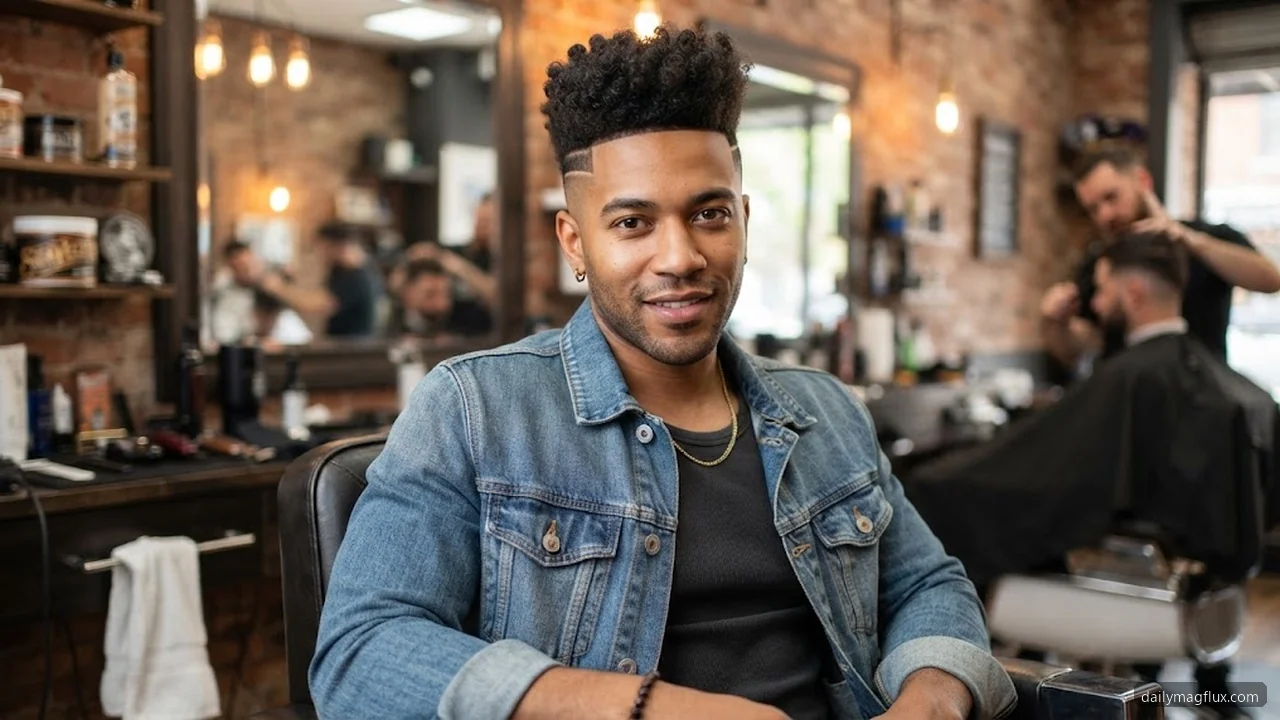
No blend joins the sides to the top, so the length hangs like a shelf. The sides take a #0.5 guard, and four inches on top overhangs the edge. Diamond faces suit the weight that the shelf adds at the temples. Style with matte paste and trim every three weeks to keep the line.
Burst Fade Textured Quiff
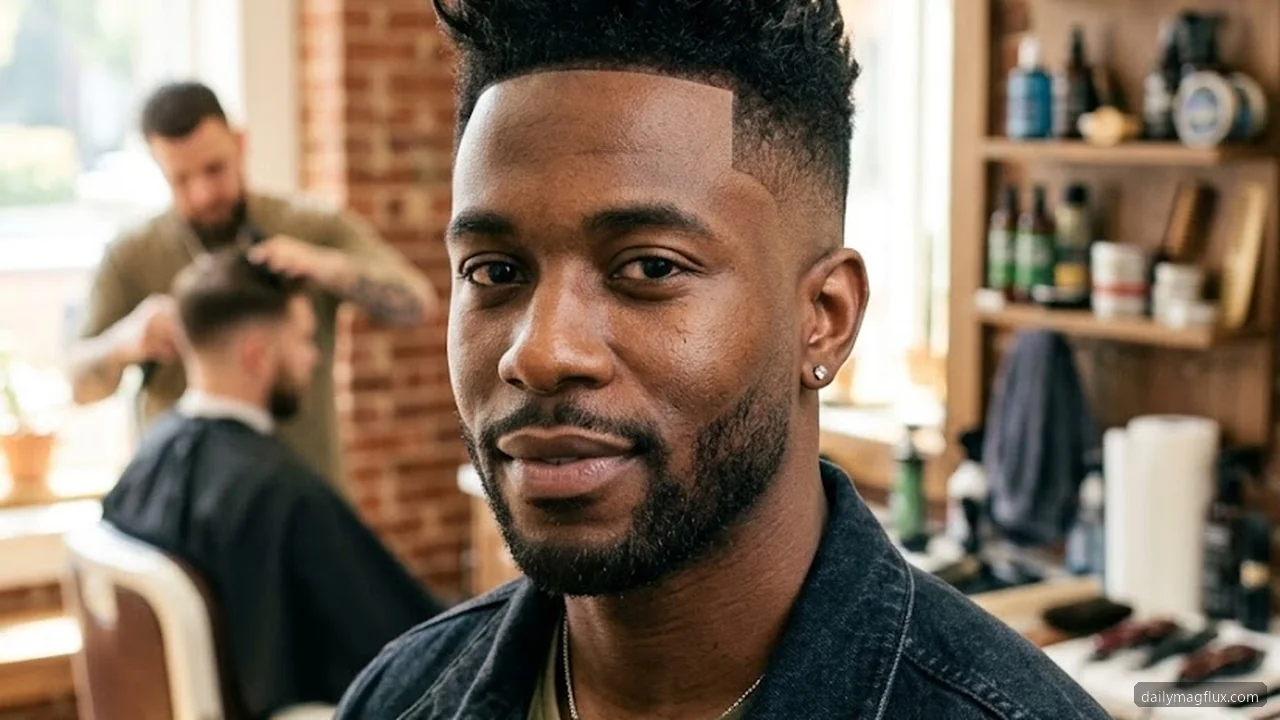
A burst fade arcs around the ear and leaves the back longer than the sides. That shape suits men who want a fade without a bald nape. The sides drop to a #0.5 while the back keeps a #3. Two inches on top stays textured with a pea-sized amount of clay.
Textured Quiff with Hard Part
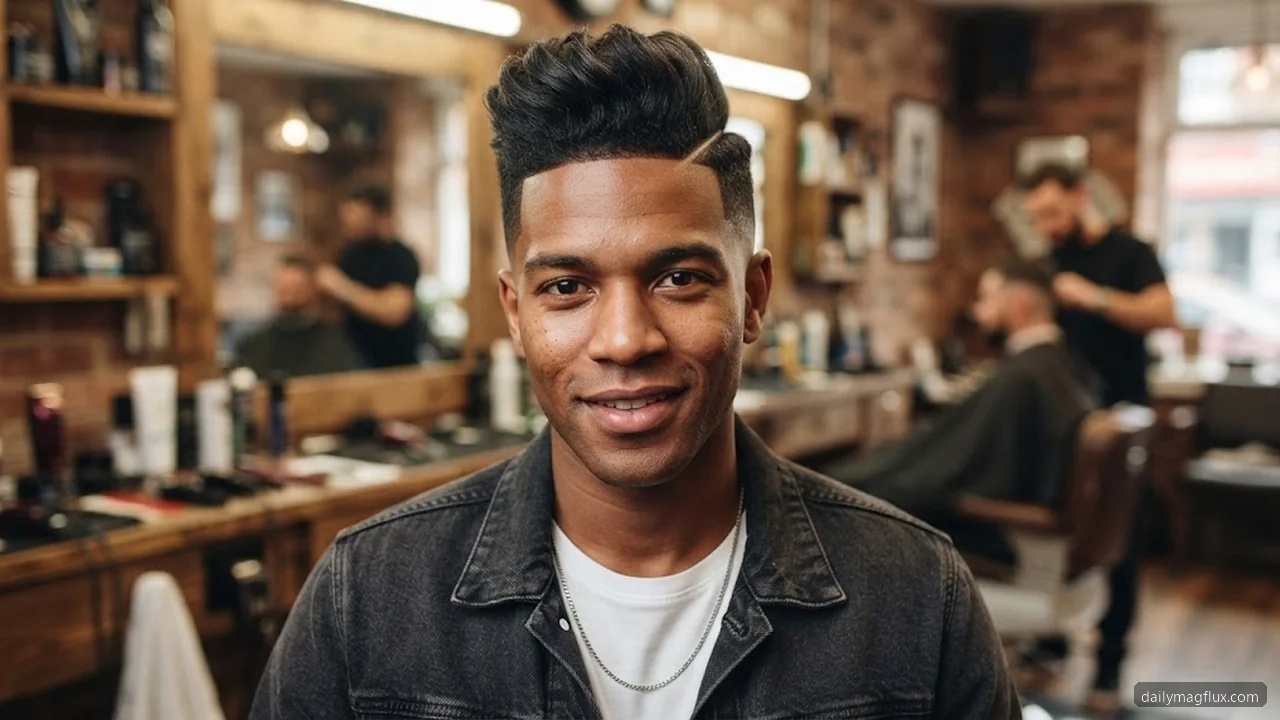
A razor part carves a line from the front to the crown. That line splits the top into two clear sections that stay apart all day. Ask for a #1 mid fade with three inches left on top. Round faces suit the height, and the part adds a clean edge.
Temple Fade Quiff with Beard
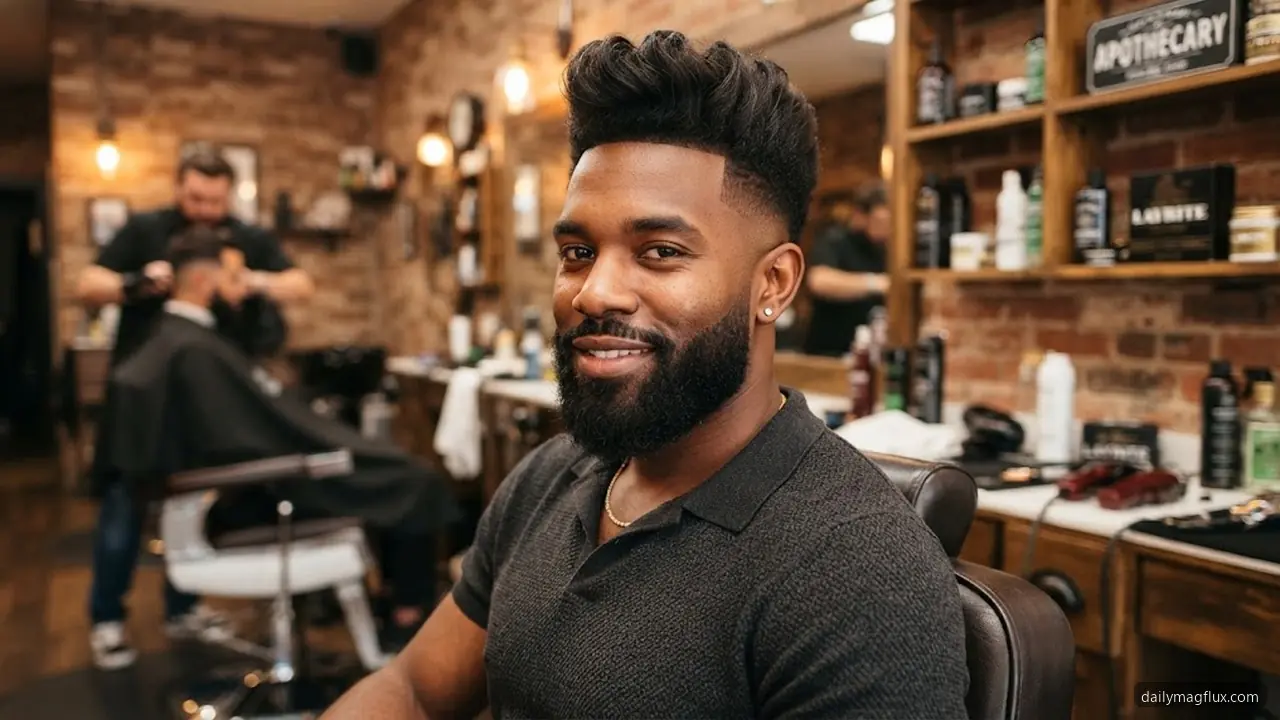
A temple fade drops right at the corner of the hairline and leaves the rest longer. Pair it with a beard kept at a #3 guard for a full frame. Square faces gain a softer jaw from that rounded beard line. Ask for a #0.5 at the temple and two inches on top.
What Is a Quiff Haircut?
A quiff is a cut where the front section lifts up and back off the forehead. With the sides and back staying shorter. The sides and back stay shorter, so the height reads clearly from the front. The word covers a family of shapes rather than one fixed cut. Top length usually runs between one and five inches, cut with scissors.
What separates a quiff from a fringe is the direction the front travels. A fringe falls forward over the forehead, while a quiff pushes upward and back. Both can live in the same haircut, with a fringe at the very front. That overlap is why the two terms get mixed up so often.
Its closest cousin is the pompadour, which carries more volume and a rounder roll. A quiff keeps a choppier front with less height and more separation. Both styles need short sides to make the top read from a distance. Choose the quiff if you want texture and a fast morning routine.
People ask for it because it adds height without much overall length. That height also shapes the face, which is why round faces gain most. A tight fade keeps the sides clean for weeks between barber visits. The style pairs well with a beard, which balances the extra height.
What to Tell Your Barber for a Textured Quiff
Tell your barber: “I want a textured quiff with point-cut ends, and no hard thinning.” Then give numbers: “Mid fade. A #1 blending into a #2. Three inches on top.” Add “keep the neckline natural” and bring one front and one side photo. Watch for a barber who thins the top hard, since that flattens the texture.
Best Face Shapes for a Textured Quiff
| Face Shape | Best Variation | Guard / Length |
|---|---|---|
| Round | Mid-fade with lift on top | #1 to #2 fade, 3 inches on top |
| Square | Tousled top with a low taper | #1.5 taper, 2.5 inches on top |
| Oblong | Textured fringe quiff | #2 low taper, 2 inches on top |
| Heart | Medium quiff with a side sweep | #1 mid fade, 3 inches on top |
| Diamond | Disconnected shelf | #0.5 sides, 4 inches on top |
| Triangle | Short low taper quiff | #2 low taper, 1.5 inches on top |
Frequently Asked Questions
What is a Textured Quiff Hairstyle?
A textured quiff is a push-up cut with chopped ends that separate into strands. The top runs two to four inches and gets cut with scissors, never a guard. The sides taper or fade short so the height stands out from the front. A matte product keeps the finish dry and piecey instead of slick. See American Academy of Dermatology hair care guidelines for more.
What do I tell my barber for a textured quiff?
Tell your barber you want texture through the ends rather than a smooth sweep. Give the guard numbers for the sides, then say how long the top should stay. Ask them to show the top length on a comb before the first cut. A side photo of the fade height saves time before the first cut.
What is the difference between a fringe and a quiff?
A fringe falls forward over the forehead, while a quiff pushes up and back. Both can sit in one haircut, with a fringe at the front and lift behind. Fringes suit wide foreheads, and quiffs add height to a rounder face. Direction, not length, is the real difference between the two.
Which Face Shapes Suit a Quiff?
Round faces gain the most from height on top, while diamond needs fullness at the forehead and temples. Round faces need tight sides and three inches of lift to look balanced. Oblong faces should keep the height low and add fullness at the sides. Oval faces wear most versions, so the shape rarely limits them.
Is a quiff attractive?
A quiff draws attention upward, so it reads as a confident, deliberate cut. It flatters some faces when the sides stay tight against the height. Loose, bulky sides make the same cut look heavy and shapeless. A clean blend and dry texture keep the whole shape sharp.
What is a modern quiff haircut?
Modern versions pair a skin or high fade with a chopped, textured top. The contrast between bare sides and that length is the whole point. Two to three inches on top is plenty to build the shape each morning. It needs a trim every two to three weeks, since high fades blur fast.
How long does a textured quiff take to style?
Styling a textured quiff can take a few minutes, depending on your hair and experience. Spray sea salt spray into damp hair, then blow-dry the front upward. Work a pea-sized amount of clay through the ends with your fingers. Pinch the front into loose pieces and stop there.
What products work best for a textured quiff?
Sea salt spray builds grip and volume at the roots before you dry. Matte clay or paste adds hold without shine and keeps strands apart. Light cream suits longer tops that need movement more than strong hold. Skip heavy pomade, which flattens texture and adds unwanted shine.
Conclusion
Book a textured quiff if you want height without long sides or a slow routine. Start with a mid fade and three inches on top, which suits most face shapes. Round faces should go tighter at the sides to lift the cheeks. Fine hair needs spray for grip, and thick hair needs clay for control. See Healthline hair health and wellness resources for more.
In the chair, ask for point-cut ends, a #1 blending into a #2, and a natural neckline. Bring one front photo and one side photo so the blend height is clear. Book again in two to three weeks for a fade, or four for a taper. A Textured Quiff Hairstyle only holds its shape with regular trims.

Harrison Jax is a hairstylist and fashion writer with 10+ years in the industry, holding a Certified Cosmetologist license and a Diploma in Fashion Styling from the London College of Style. He’s contributed grooming and trend guides to GQ India and Vogue Blogs, and currently leads DailyMagFlux’s hair and fashion coverage, blending runway insight with practical, everyday styling advice.