

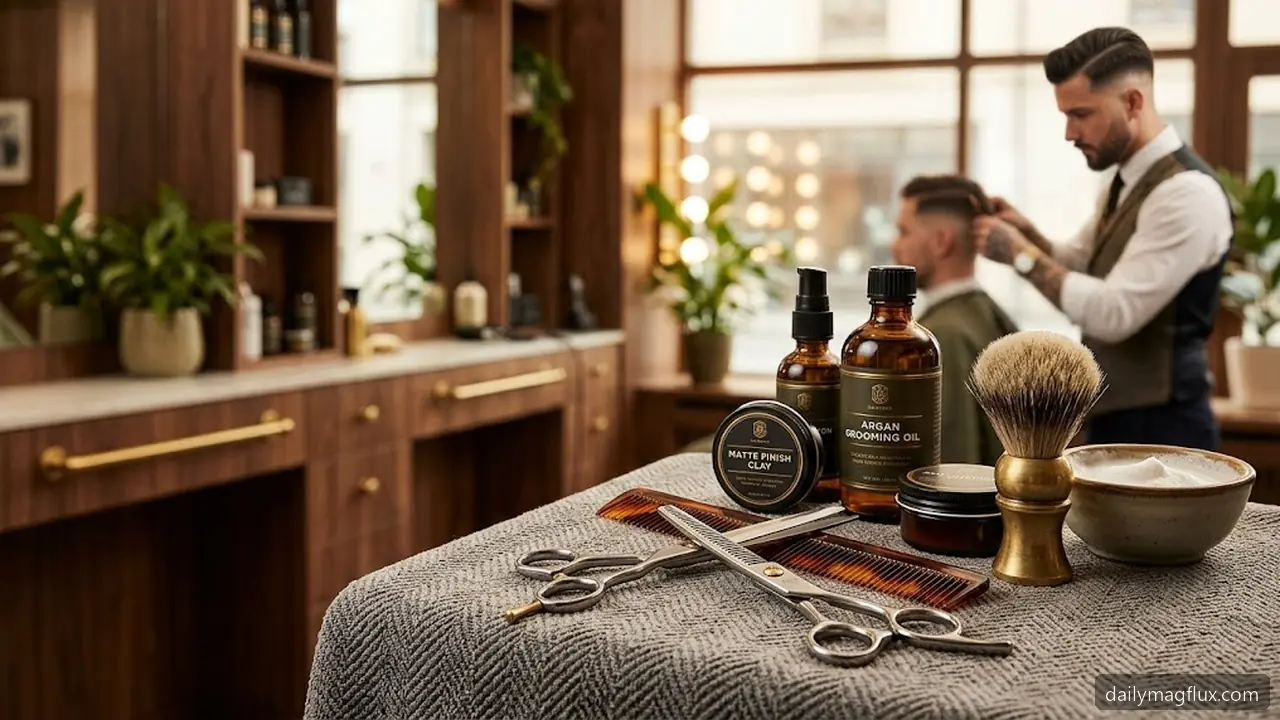
Mid Taper Fade Short Hair Styles for Men combine a short top with a mid fade. The mid fade sits between a low fade and a high fade, near your temple line. Length on top stays under an inch, so clippers shape the whole cut. The finish looks clean at work and still carries texture on weekends.
Ask for a #2 or #3 guard on the sides when your hair runs thick. Fine or light hair shows fewer blend lines, so the taper looks softer on you. Round faces gain height from a textured top, while long faces should skip extra volume. Book a touch-up every three to four weeks, because taper lines blur fast.
Quick Answer
Mid Taper Fade Short Hair Styles for Men blend a short top with a temple-height fade. They suit oval, square and heart faces that carry short sides well. Sides run from a #1 to a #3 guard, and the top stays under one inch. Expect a touch-up every three to four weeks to keep it sharp.
What Is a Mid Taper Fade Short Hair Style?
A mid taper fade starts at your temple line and blends downward toward the ear. It differs from a low taper, which begins lower, right above your neckline. Barbers call it mid because the shortest point sits halfway up the side of your head.
The top stays short in this look, so clippers or scissors handle the whole shape. You keep roughly half an inch to one inch up there for easy styling. Because the sides taper instead of balding out, the cut grows back softly.
Why Mid Taper Fade Short Hair Is So Popular in 2026
Short sides read as professional in most offices, which is why this cut keeps spreading. The mid height adds shape without the upkeep of a skin fade. Guys also like that it works with a beard, glasses or a receding hairline.
Barbers can cut it in about thirty minutes, and the shape holds for weeks. It suits straight, wavy and coily textures once the guard numbers change. That wide range explains why it stays on trend lists for 2026.
Pros and Cons
The biggest win is balance, because a mid taper frames your face without shaving your sides bare. You also get a cut that looks tidy in a meeting and relaxed on a Saturday. Upkeep is the trade-off, since the fade line blurs within three weeks. Dark, thick hair also shows every clipper mark, which demands a skilled barber.
| Pros | Cons |
|---|---|
| Frames the face with a softer edge than a high fade | Blurs faster than a low taper or a taper-only cut |
| Works with straight, wavy and coily textures | Needs a different guard for every hair type |
| Keeps the top short enough for two-minute styling | Shows clipper marks on dark, thick hair |
| Grows out evenly between barber visits | Costs more across a year than a buzz cut |
| Pairs well with a beard fade or a line-up | Limits how much volume you can wear on top |
Best Mid Taper Fade Short Hair Styles for Men
Not every short cut with a mid fade looks the same, because the top decides the character. Some versions stay tight and clean, while others carry curls, texture or a hard part. Pick by how much time you will spend styling each morning and how often you can visit a barber. The options below cover every texture and face shape. See American Academy of Dermatology hair care guidelines for more.
Curly Top Mid Taper Fade
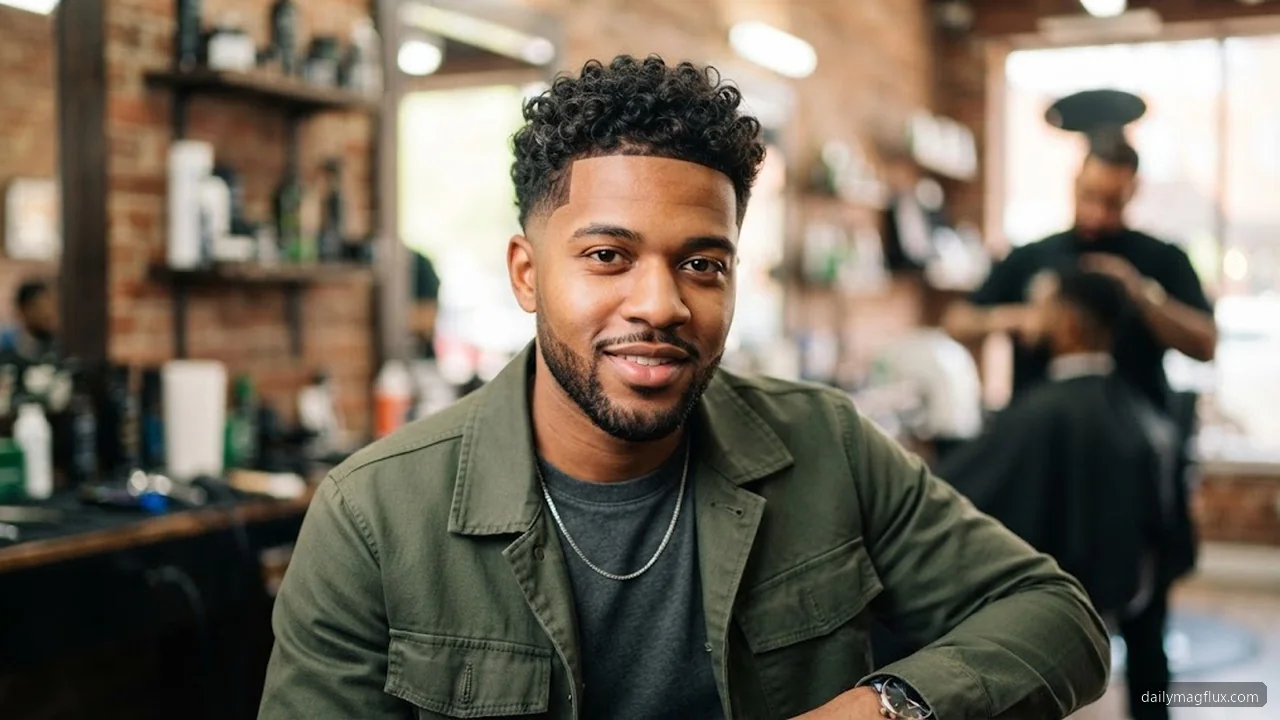
Curly tops need a little length, so you leave about one inch up there. The mid taper trims the sides to a #2 guard and blends into the curls at the temple. Ask for a dry cut if your curls shrink a lot, because wet cutting hides the real length. A curl cream defines the top without making it greasy.
Drop Mid Taper Fade
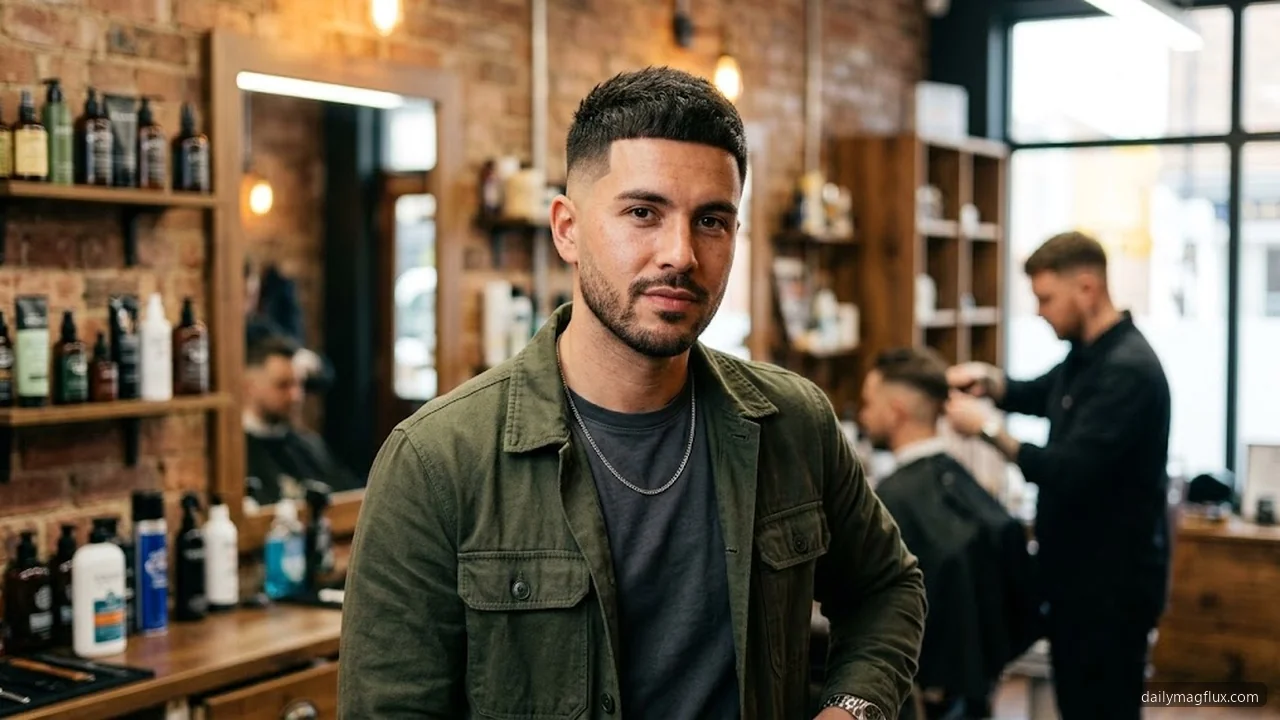
The drop shape curves down behind your ear, which separates it from a straight mid fade. Height here sits at the temple, and the back keeps a little more length. If you want a skin fade, the bottom can run to a #0 or foil shaver. Style the top with matte paste for a dry, piecey finish.
Guard #1 Mid Taper Fade
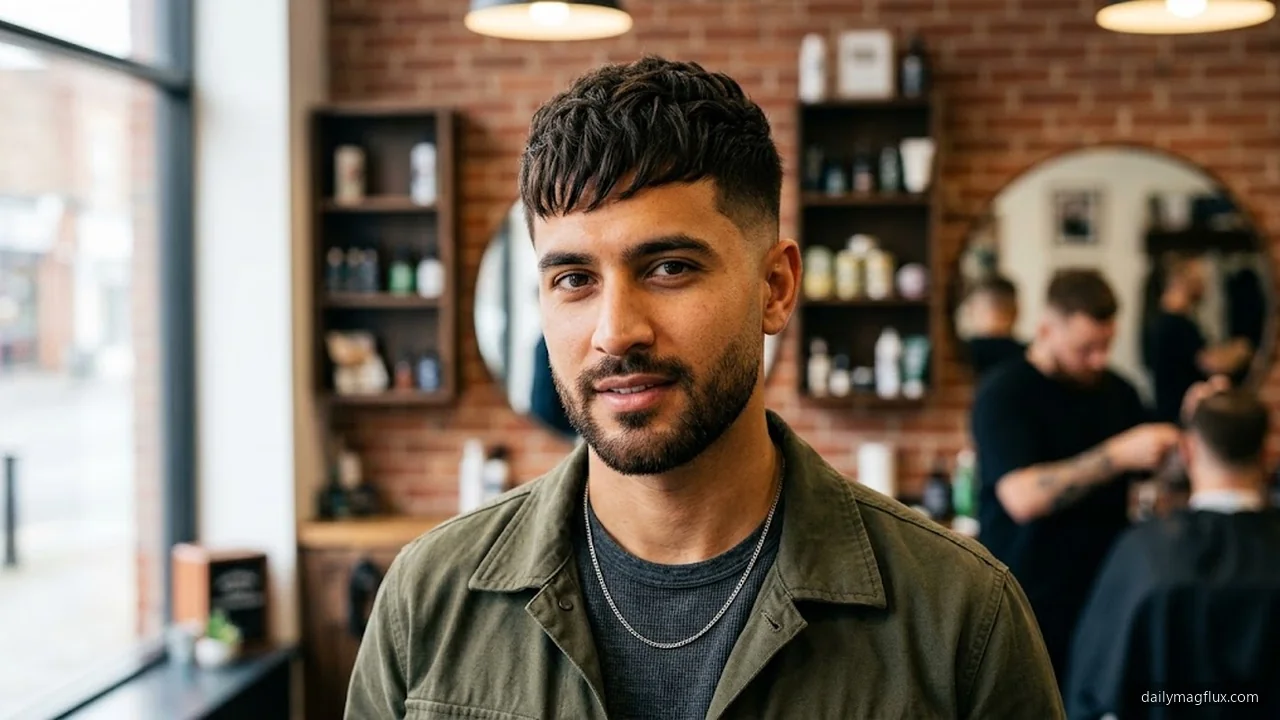
A #1 guard leaves an eighth of an inch on the sides for a visible fade. That number suits fine hair that thins out fast at the temple. The top follows at a #3, which keeps the whole cut under half an inch. Finish with a light pomade when you want a soft sheen.
Short Mid Taper with Beard Fade
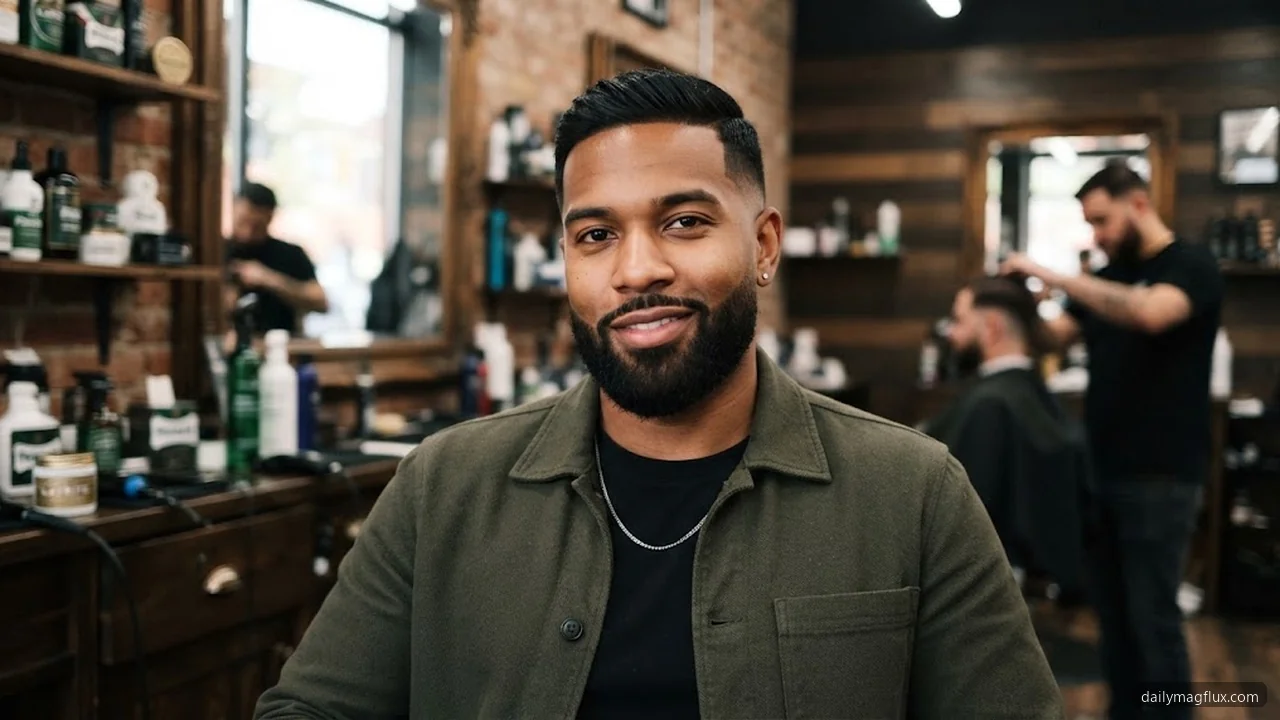
Here the barber blends your sideburn taper straight into the beard, so no hard line separates them. Ask for the beard faded from a #1 at the jaw up to a #3 near the ear. This works well on square faces, where the extra jaw shape looks intentional. Keep the top textured with clay so the chin stays the focus.
Short Mid Taper with Line-Up
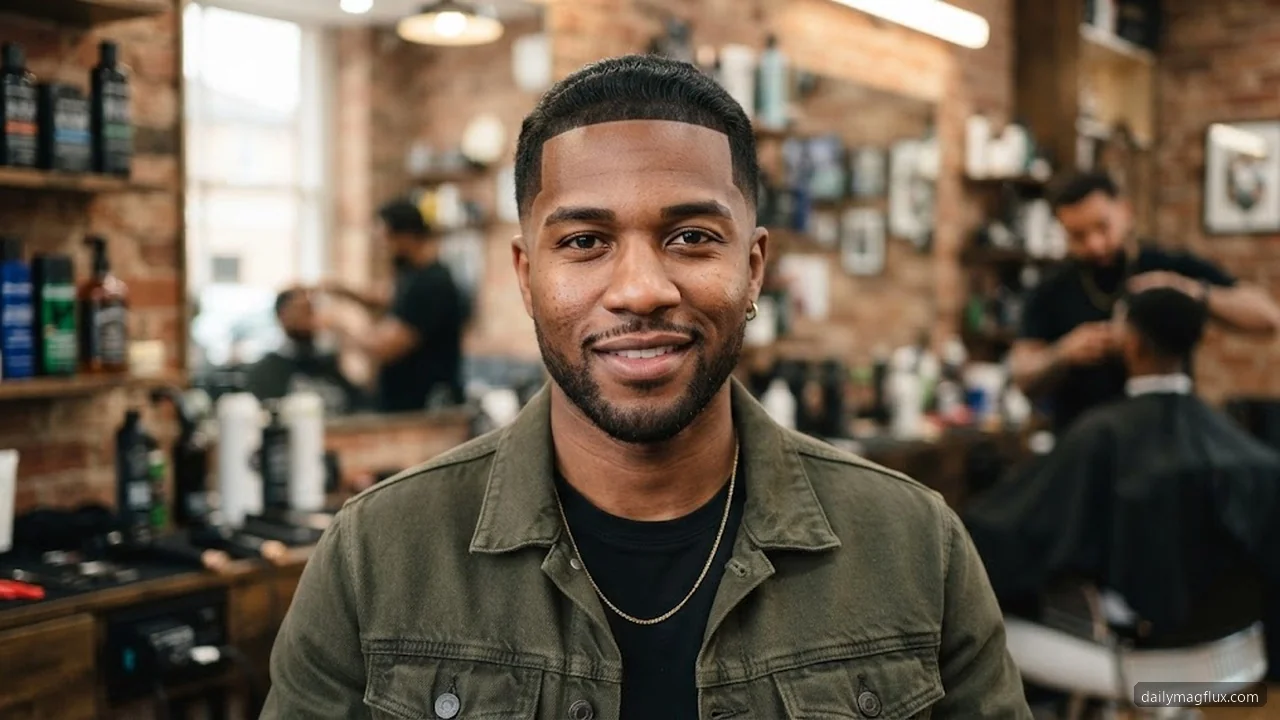
A line-up sharpens the hairline across your forehead and around the temples. Paired with a mid taper, it makes the whole cut read crisper without shortening the top. Ask for a natural line if your hairline recedes, because a hard edge ages the look. Rebook every three to four weeks to keep that edge clean.
Classic Short Styles
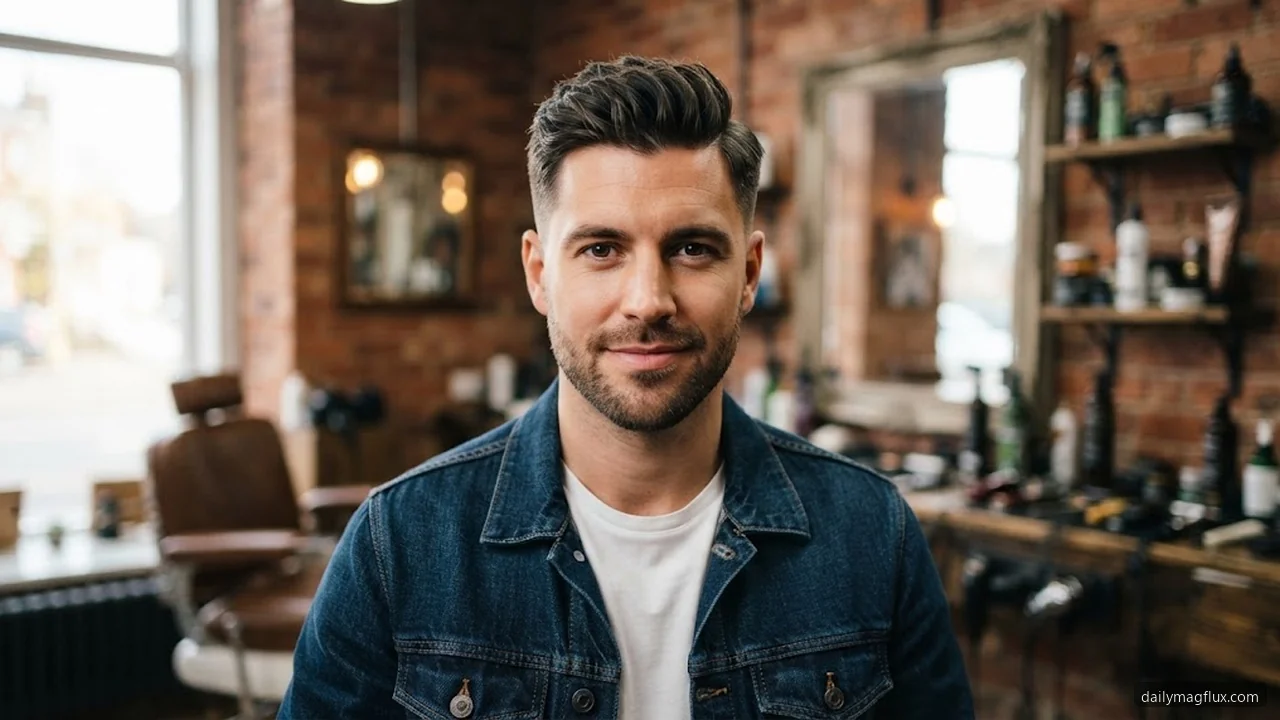
A side part with a mid taper keeps the top near one inch. Your barber fades the sides from a #2 up to a #4 near the part. The comb-over sweep adds width, and that suits oblong faces well. A light pomade holds the parting without weighing your hair down.
The Ivy League cut trims the top to about an inch and tapers the sides to a #3. Hair stays flat and neat with a small part on one side. It reads formal, so it fits teachers, lawyers and anyone in a strict dress code. Matte paste keeps the finish flat rather than shiny.
A classic crew cut graduates from short at the front to slightly longer at the crown. Adding a mid taper tightens the sides to a #2 and blends the back neatly. This suits round faces, since the flat top narrows the cheeks visually. Sea salt spray lifts the front without adding shine.
A side-swept cut leaves two inches on top and sweeps them across the forehead. The mid taper runs from a #1 at the neckline to a #3 at the temple. Heart-shaped faces benefit, because the fringe covers a wide forehead. Blow-dry the sweep first, then set it with a small amount of pomade.
A hard part shaved into the side gives a sharp line that lasts about a week. Pair it with a mid taper and a #4 top for a cut that looks barber-fresh. Diamond faces gain a good frame from the height near the temples. Use a dime-sized amount of clay to keep the top flat and controlled.
Textured Short Styles
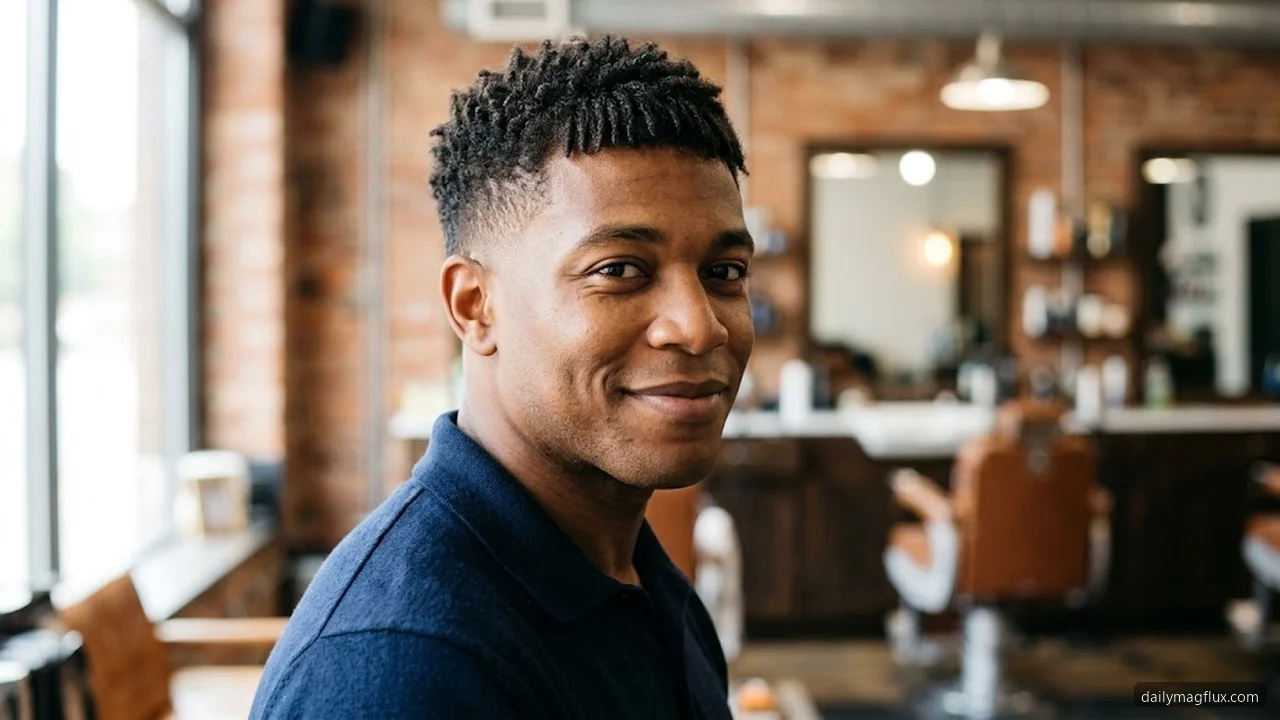
A textured crop chops the top into uneven lengths with point-cutting scissors. The mid taper keeps the sides at a #2 so the texture carries all the attention. This cut suits thick, straight hair that would otherwise sit flat. Rub a pea-sized amount of matte clay through dry hair and pinch the ends.
A short textured fringe drops forward over the forehead, usually about an inch and a half. The taper on the sides runs to a #1.5 for contrast against the heavier top. Round faces look longer with this shape, and wavy hair adds natural movement. Work sea salt spray through damp hair, then let it air dry.
A messy quiff pushes the front upward and back, with the sides tapered to a #3. Two inches on top gives you enough length to build the lift. This works on square faces, where soft texture balances the strong jaw. Blow-dry upward with a round brush, then finish with matte paste.
Structured Short Styles

A hard part comb over keeps every strand on one side of a shaved line. The mid taper runs from a #1 at the nape to a #3 above the ear. Oblong faces wear it well, since the horizontal sweep cuts visual length. A dime-sized amount of pomade gives shine and firm control.
A structured pompadour lifts the front two inches straight back off the forehead. The sides take a #2 fade that climbs to a mid taper near the temple. This suits round faces best, because the height adds length to the cheeks. Blow-dry it with a vent brush, then lock it with pomade.
Low-Maintenance Short Styles
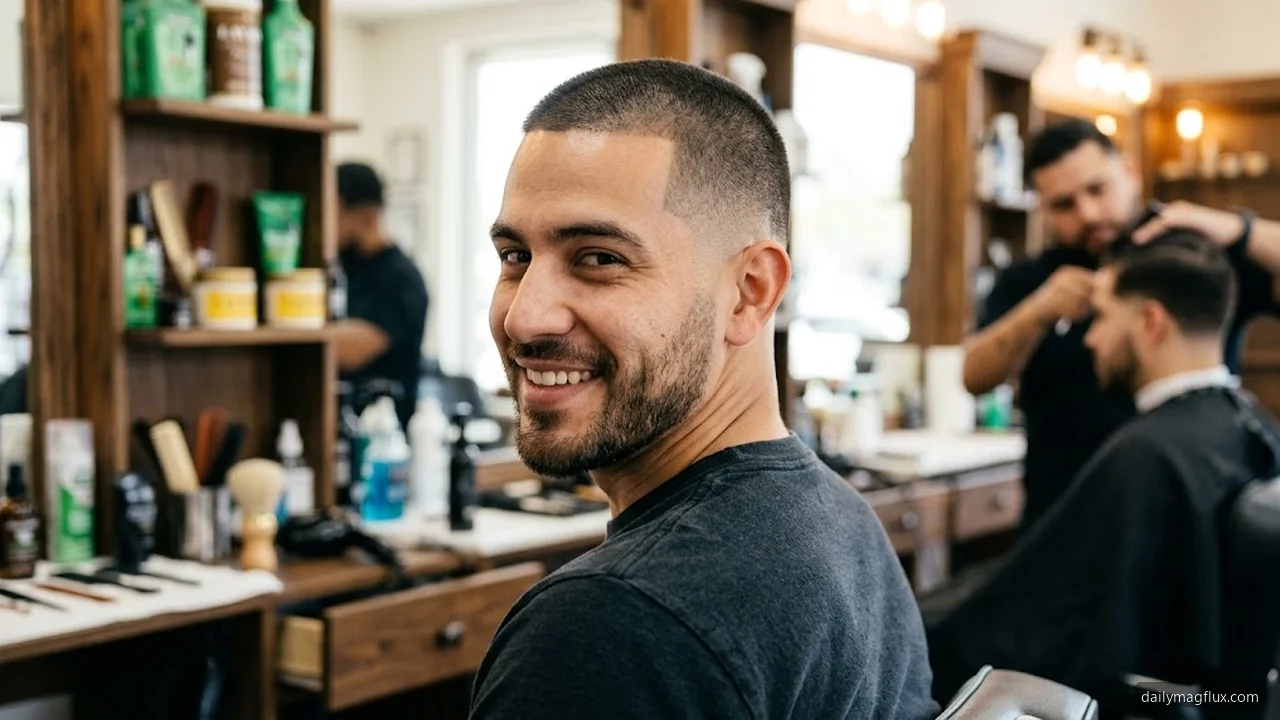
A wash-and-wear crop needs no blow dryer, since the top is cut to fall into place. Keep the sides at a #2 with a mid taper that starts near the temple. Straight and wavy hair handles this best, and thick hair needs thinning at the crown. Run a small amount of cream through damp hair and leave it.
The shortest easy option runs a #2 over the top and a #1 through the taper. You still get a visible mid fade without any styling time in the morning. Round and oval faces wear it well, and fine hair looks thicker at this length. A quick rub with a towel is all the styling it needs.
How to Choose the Right Style for Your Hair Type
Your curl pattern and strand thickness decide which version of this cut will actually behave. Two people can ask for the same taper and walk out with very different shapes. The sections below match texture to guard, top length and product, so the cut suits the hair you have. Read the one that describes your hair before you book. See Healthline hair health and wellness resources for more.
Straight Hair
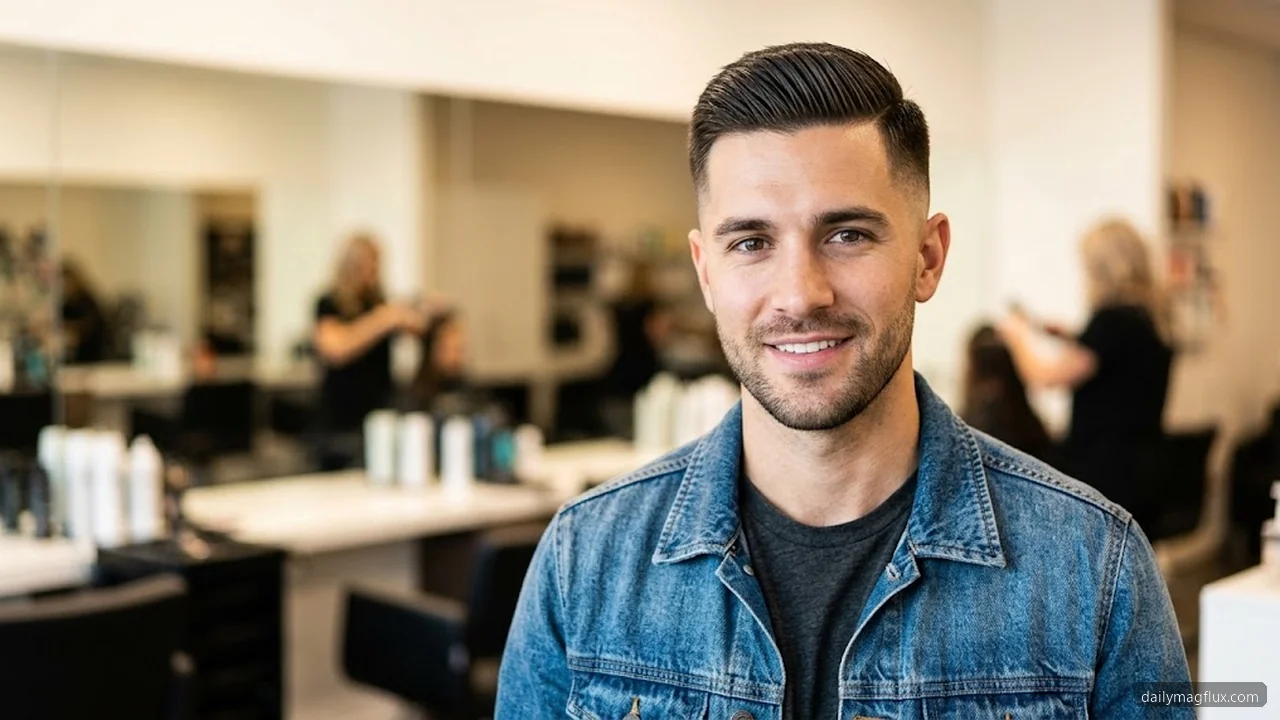
Straight hair shows the taper line more clearly than any other texture. Keep the sides at a #2 and let the top run to about an inch. You gain a crisp, geometric shape that holds without product. A pea-sized amount of matte clay adds separation and stops the top from lying too flat.
Wavy Hair
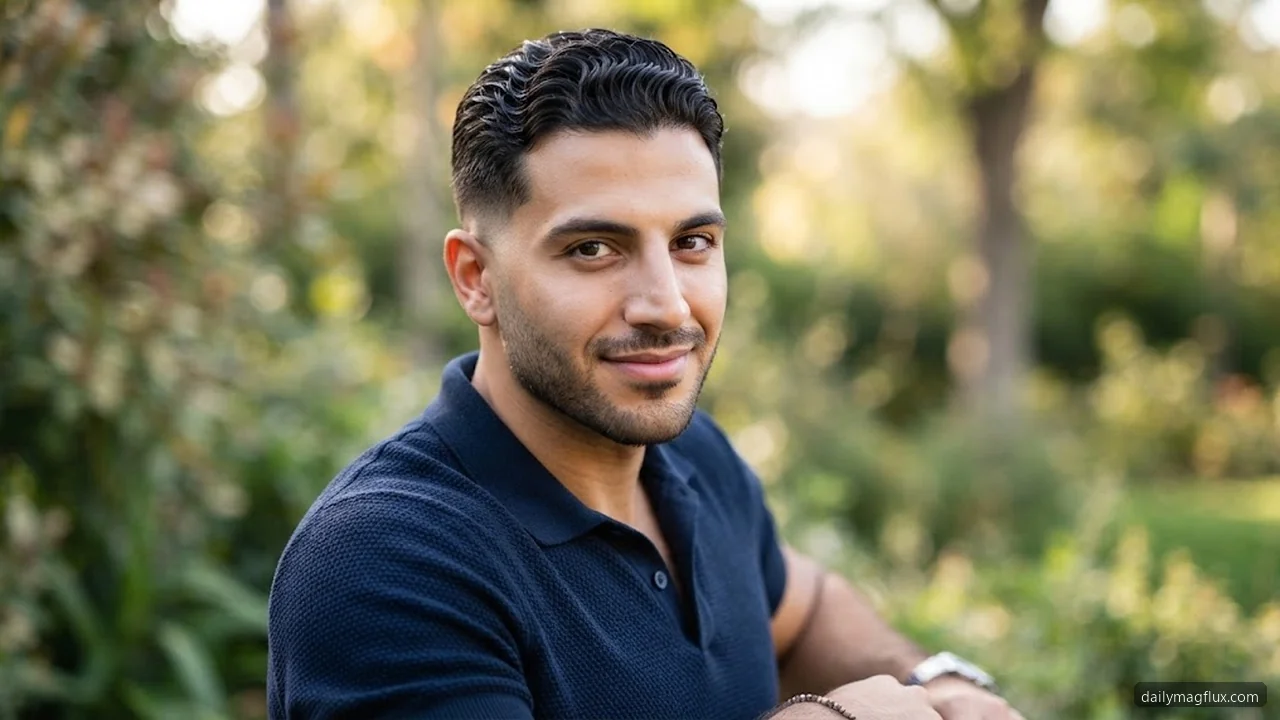
Waves give this cut movement, so the top looks fuller with no effort from you. Ask for about one inch on top and a #3 on the sides to keep the weight balanced. Skip heavy pomades, since they flatten your wave pattern within an hour. Sea salt spray, about four sprays into damp hair, is enough.
Thick Hair
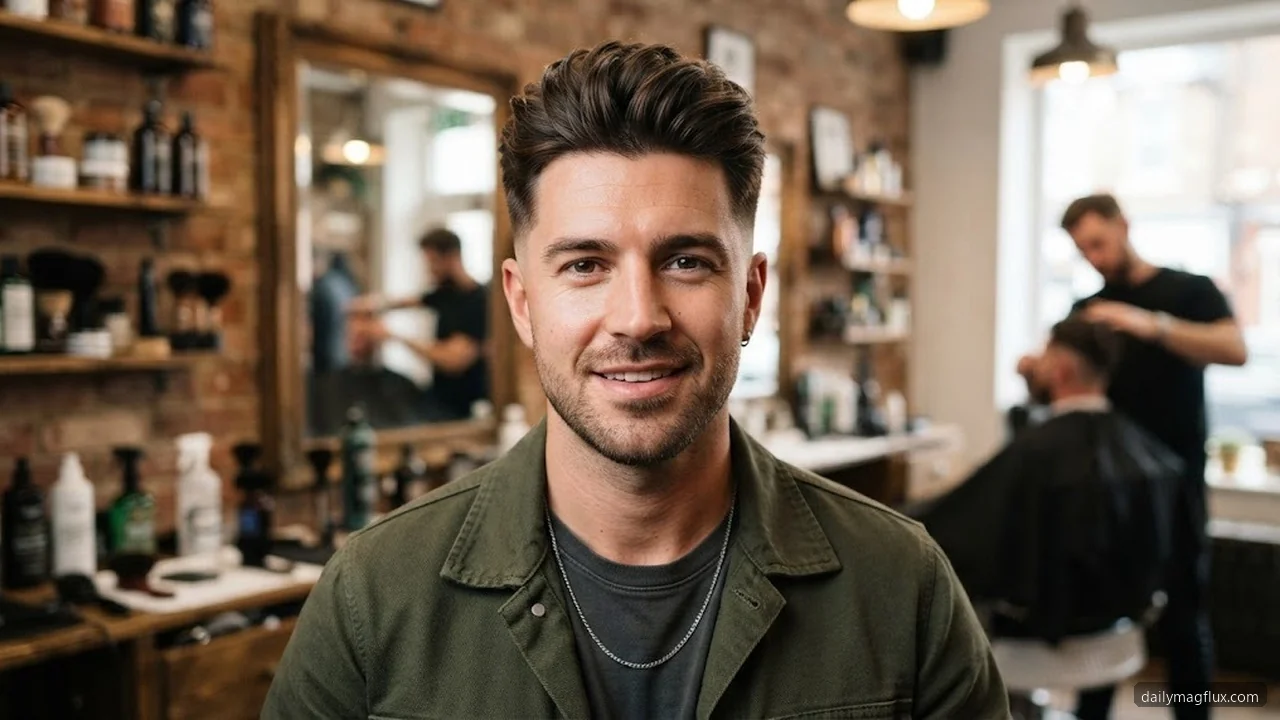
Thick hair needs thinning before the taper, or the sides bulge under the clipper. Ask your barber to remove weight at the crown and the temples first. A #2 taper and a one-inch top keep the shape from turning round. Strong matte clay holds the density without adding shine.
Fine Hair
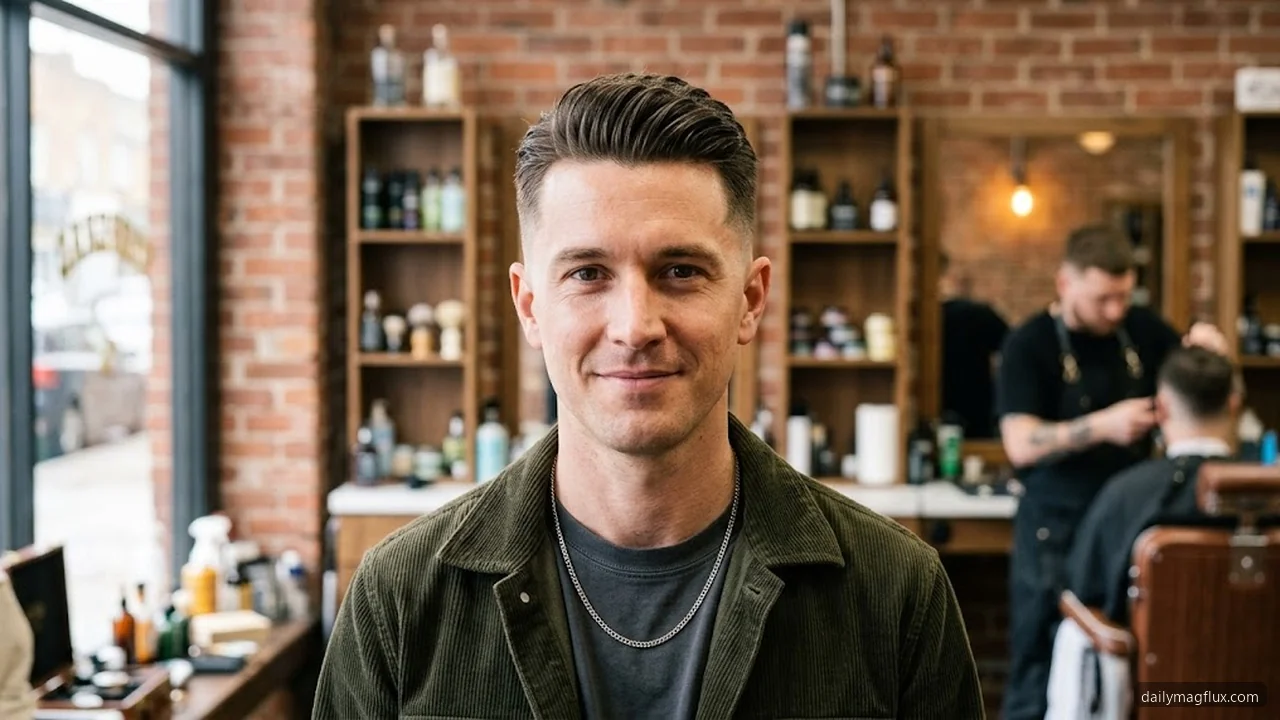
Fine hair loses volume fast, so the top should stay near one inch for fullness. A #1.5 taper on the sides creates contrast that makes the top look denser. Avoid heavy clays, because they drag fine strands down within an hour. Use a light paste and work it in with your fingertips.
Coily and Afro-Textured Hair

Coily hair keeps its shape best when the taper follows the natural growth pattern. Ask for a #2 on the sides and a rounded, scissor-cut top of two inches. A hard line across the temple fights the coil pattern and looks patchy. Curl cream defines the top, and a sponge adds coil definition.
Best Mid Taper Fade Short Hair Styles by Face Shape
Your face shape decides which version of this cut balances your features best. A taper near the temple adds width or length, depending on the top you choose. Match your shape in the table, then confirm the numbers with your barber. The wrong combination makes an otherwise good cut look heavy on you.
| Face Shape | Best Variation | Guard / Length |
|---|---|---|
| Oval | Textured top with a mid taper | #2 sides, 1 inch on top |
| Round | Spiky textured top, tight sides | #1 sides, 1 inch on top |
| Square | Messy quiff, soft taper | #2 sides, 1 inch on top |
| Heart | Side sweep fringe | #1.5 sides, 2 inches on top |
| Long | Short forward fringe | #2 sides, 3/4 inch on top |
| Diamond | Lifted fringe, soft temples | #1.5 blending into #3, 1 inch on top |
| Oblong | Gentle side sweep | #3 sides, 1 inch on top |
Oval Face
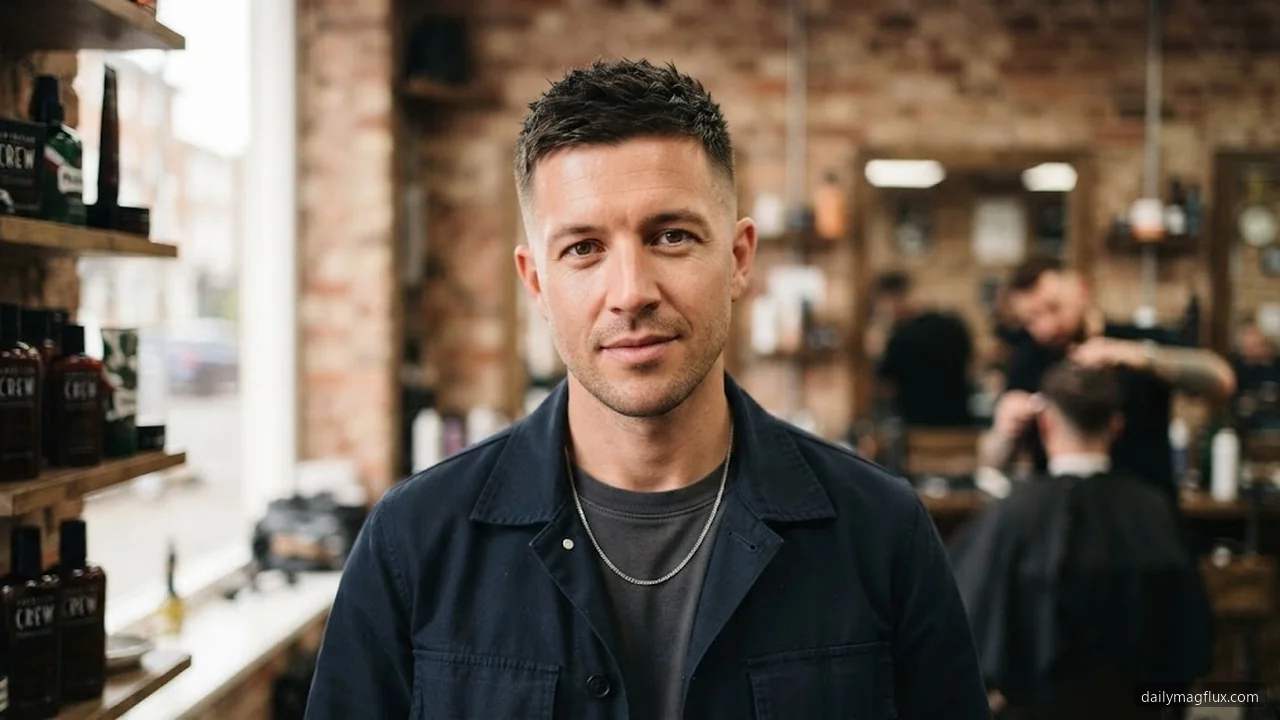
Your even proportions let you wear nearly every variation of this cut. A #2 taper on the sides with an inch of texture on top keeps the balance clean. Add a line-up when you want a sharper hairline across the forehead. Matte clay, worked in with your fingers, holds the shape all day.
Round Face
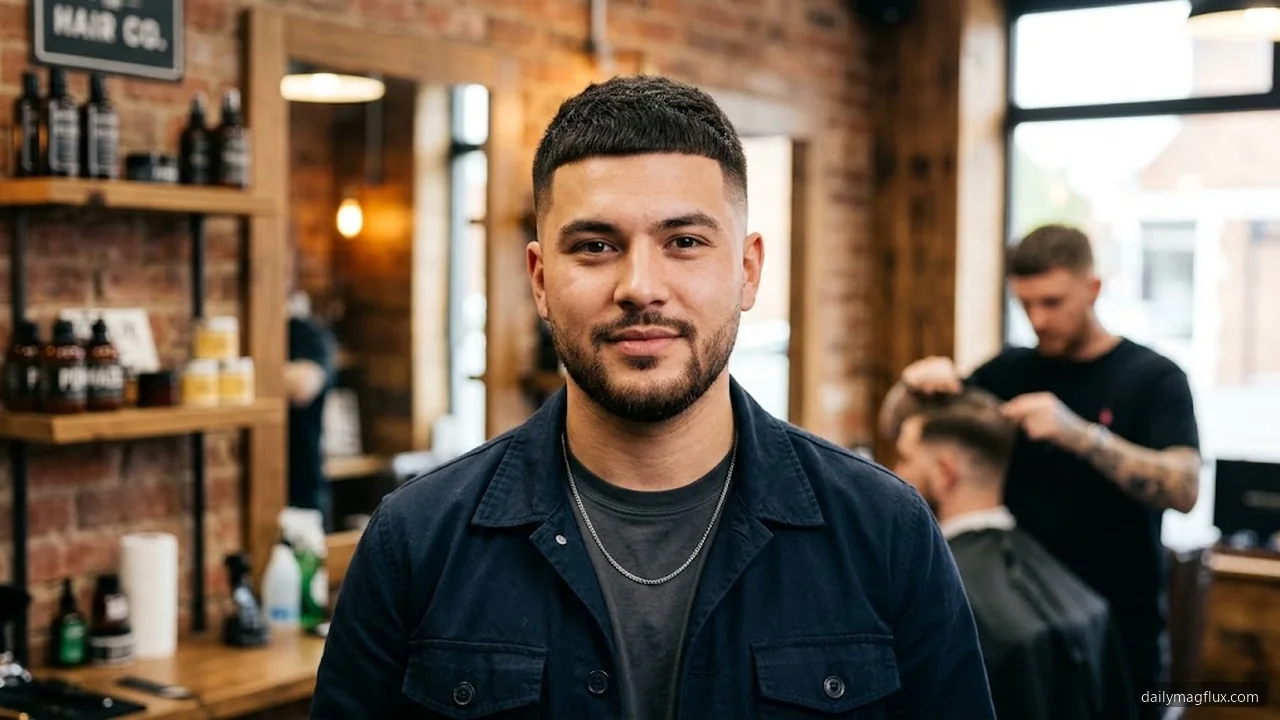
Full cheeks shrink fast when you add height on top and keep the sides tight. Ask for a #1 taper that starts at the temple with a spiky top. Skip side volume, because extra width there makes your face look rounder. Blow-dry the front upward before you add a light paste.
Square Face
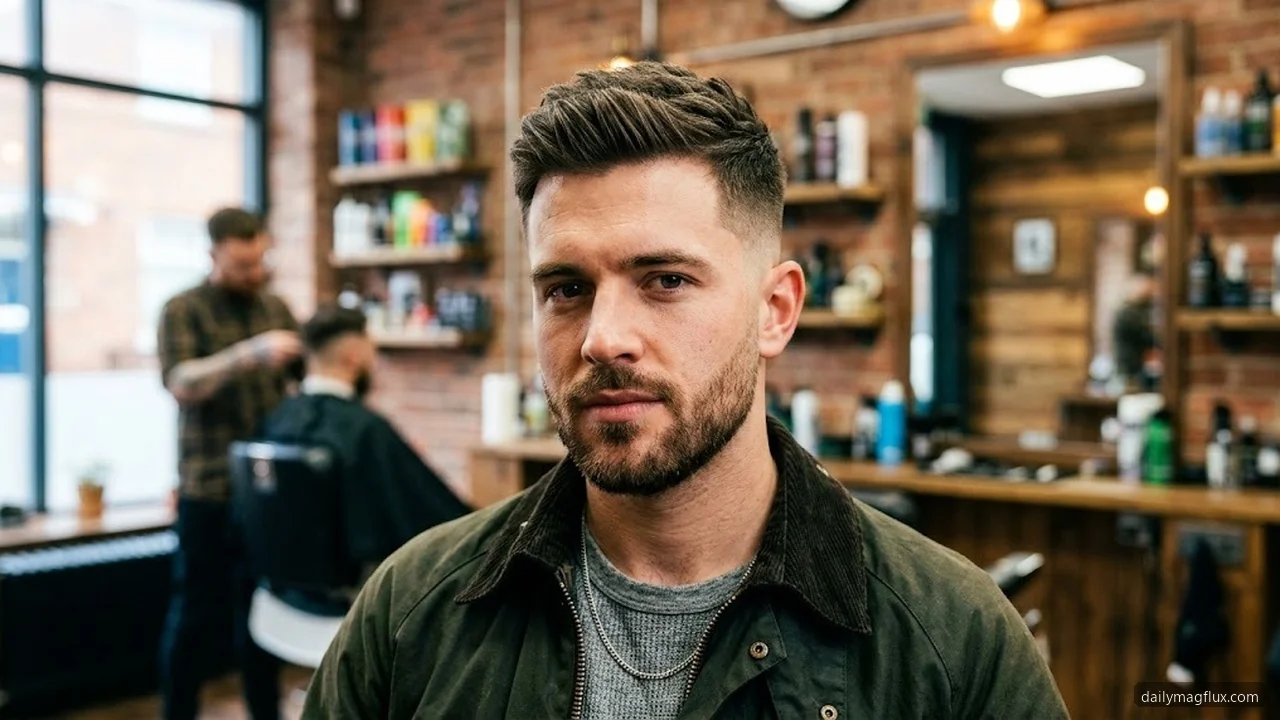
A strong jaw can carry almost any short shape, and texture on top softens the angles. Choose a #2 taper with a messy quiff about two inches long. The mid height stops the fade from competing with your jawline. A dime-sized amount of clay gives lift without a hard finish.
Heart-Shaped Face
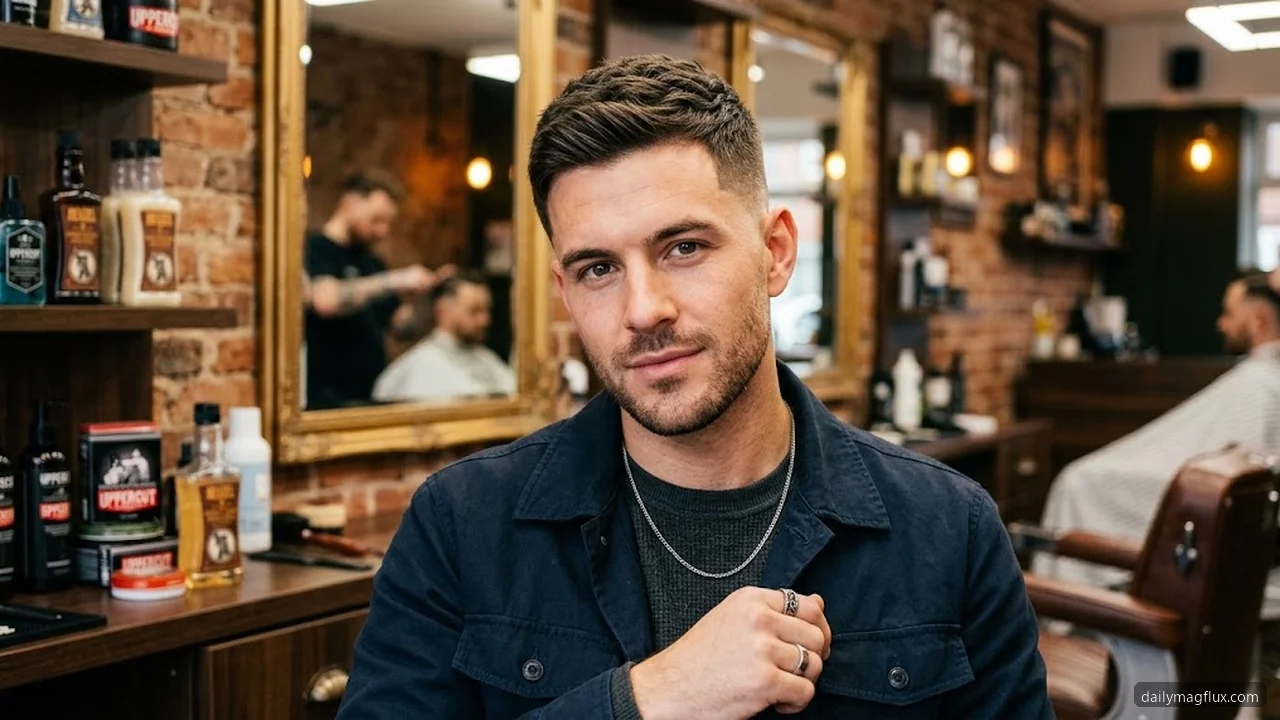
A wide forehead and a narrow chin want a fringe or a side sweep. Ask for a #1.5 taper and two inches on top, swept across the brow. Skip very tall volume, which pulls attention to the widest part of your face. Sea salt spray, around four sprays, keeps the sweep light.
Long Face

Length outweighs width here, so the top should stay under one inch. Ask for a #2 taper and a short fringe that drops forward over the forehead. A little fullness at the sides balances the extra length without adding height. Matte paste gives texture that stays flat instead of lifting.
Diamond Face
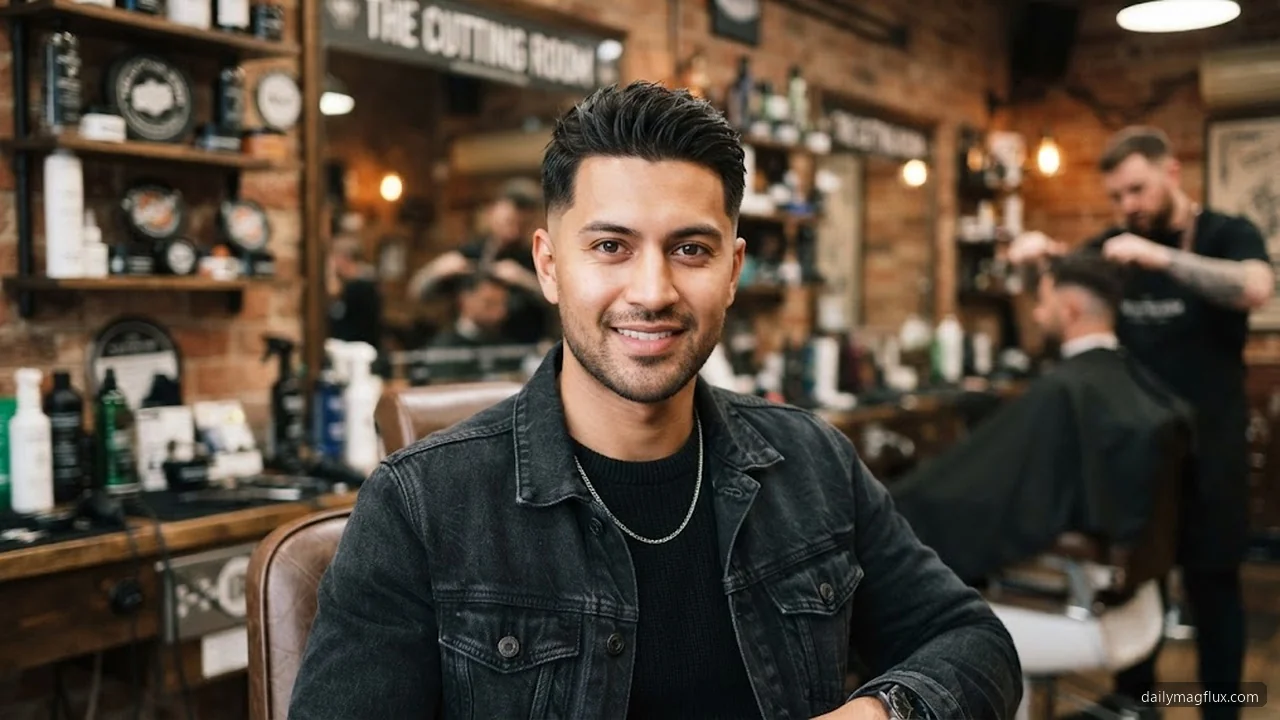
Wide cheekbones and a narrow forehead need fullness near the temples. Ask for a soft blend from a #1.5 at the temple into a #3 lower down. Leave about one inch on top with a lifted fringe. A small amount of texture paste builds the front without shine.
Rectangular Face
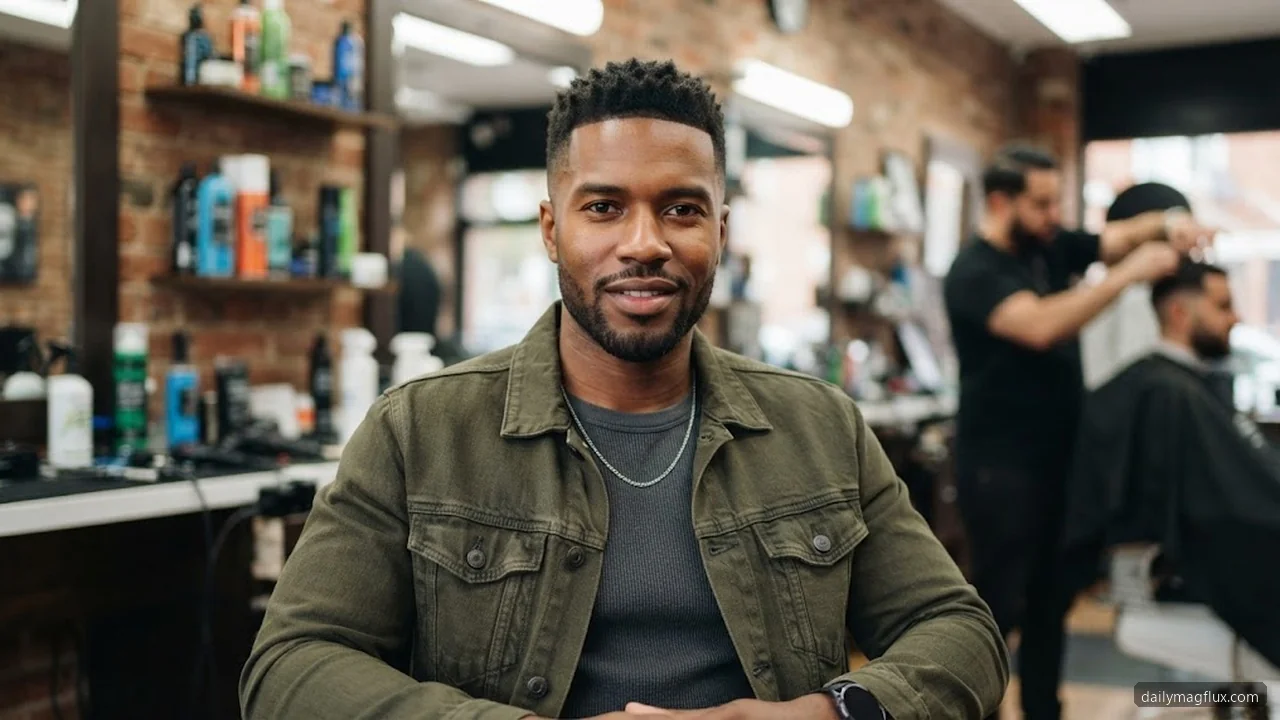
A long face with a squared jaw reads angular, so keep the top short and soft. Ask for a #3 taper and an inch and a half on top with a gentle side sweep. The sweep adds width across the middle and softens the jaw corners. Light pomade holds the sweep in place while your hair dries.
Best Mid Taper Fade Short Hair Styles by Age Group
Age changes what you can get away with, mostly through dress codes and styling time. Younger guys can push texture and sharper lines, while office workers need a tidier silhouette. The notes below assume the same mid taper height in every case. Pick the version that fits your week, not just your taste.
Teenagers
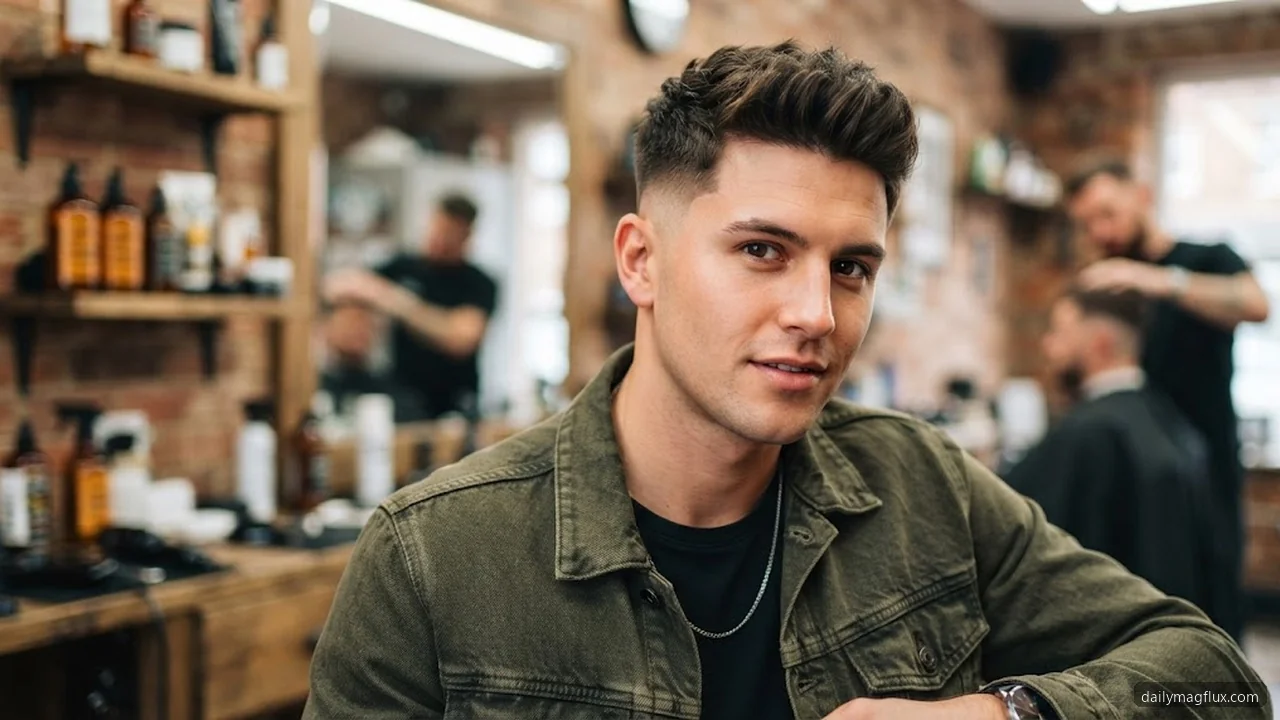
School rules often limit how short the sides can go, so check before you book. A #2 taper with a textured one-inch top passes most dress codes and still looks fresh. Teens with thick hair should ask for thinning at the crown first. A small amount of clay is enough for a quick morning style.
Young Men
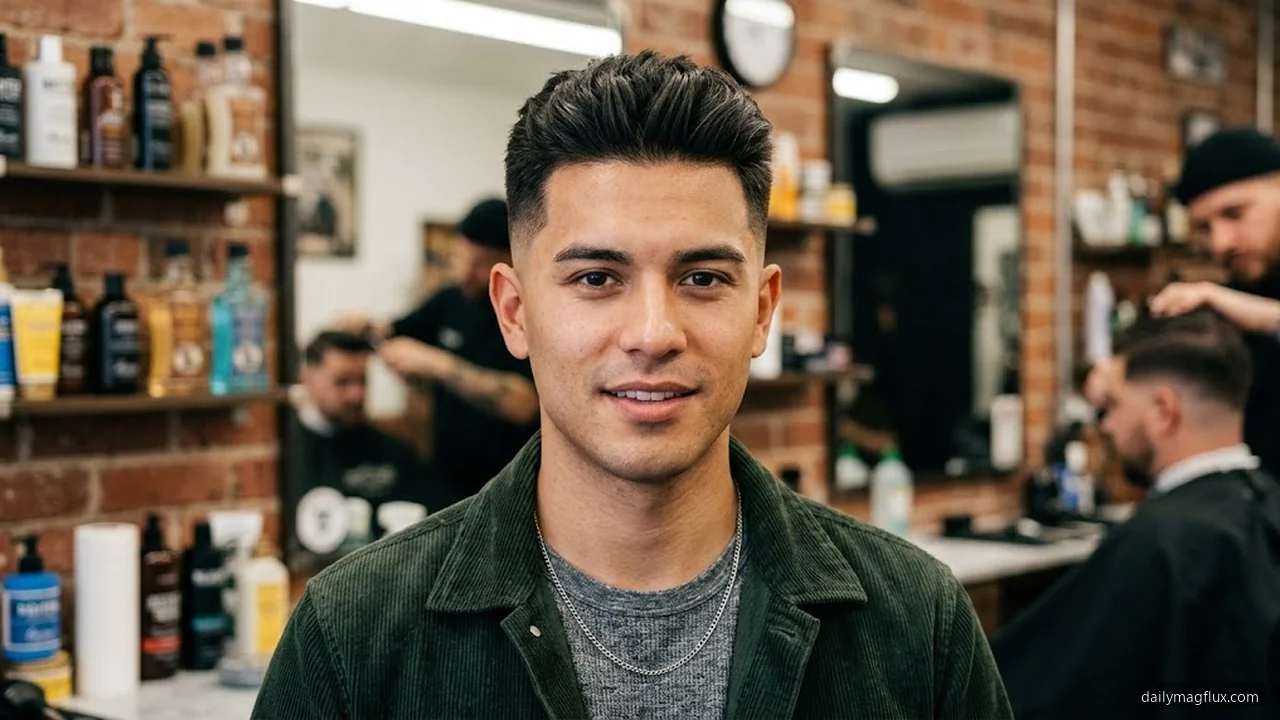
This age group can push the shape harder, so try a drop taper or a sharp line-up. Sides at a #1 with two inches on top leave room for a textured fringe. Rebook every three weeks to keep the blend sharp for photos and nights out. Sea salt spray and paste cover both looks.
Professional Men
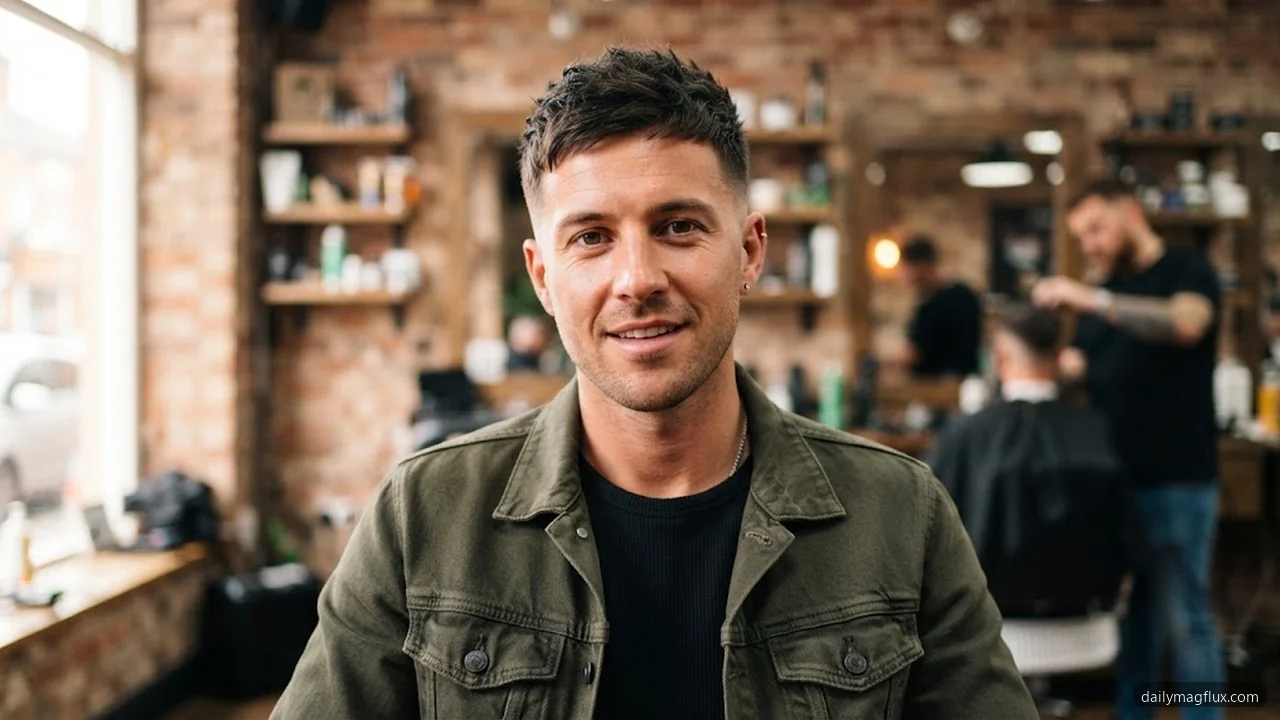
Office settings reward a neat silhouette, so keep the top flat and the taper conservative. A #3 taper with a side part and an inch and a half on top reads formal. Ask for a natural neckline instead of a shaved one if you wear collars daily. A light pomade gives shine and keeps strands in place.
How to Ask Your Barber for a Mid Taper Fade Short HairCut
Tell your barber: “Mid taper fade starting at the temple. #1 at the bottom blending into a #3.” Then add: “Leave one inch on top and. Keep the neckline natural.” Mention your beard if you want the sideburn blended into the chin. Bring two photos, one straight-on and one from the side.
Barbers often cut the taper too high, which turns it into a high fade. Others buzz the top with a guard when you asked for scissor work. Show a photo of the back so they see the blend line you want. Confirm every guard number out loud before the clippers start.
Mid Taper Fade Short Hair — Video Guide
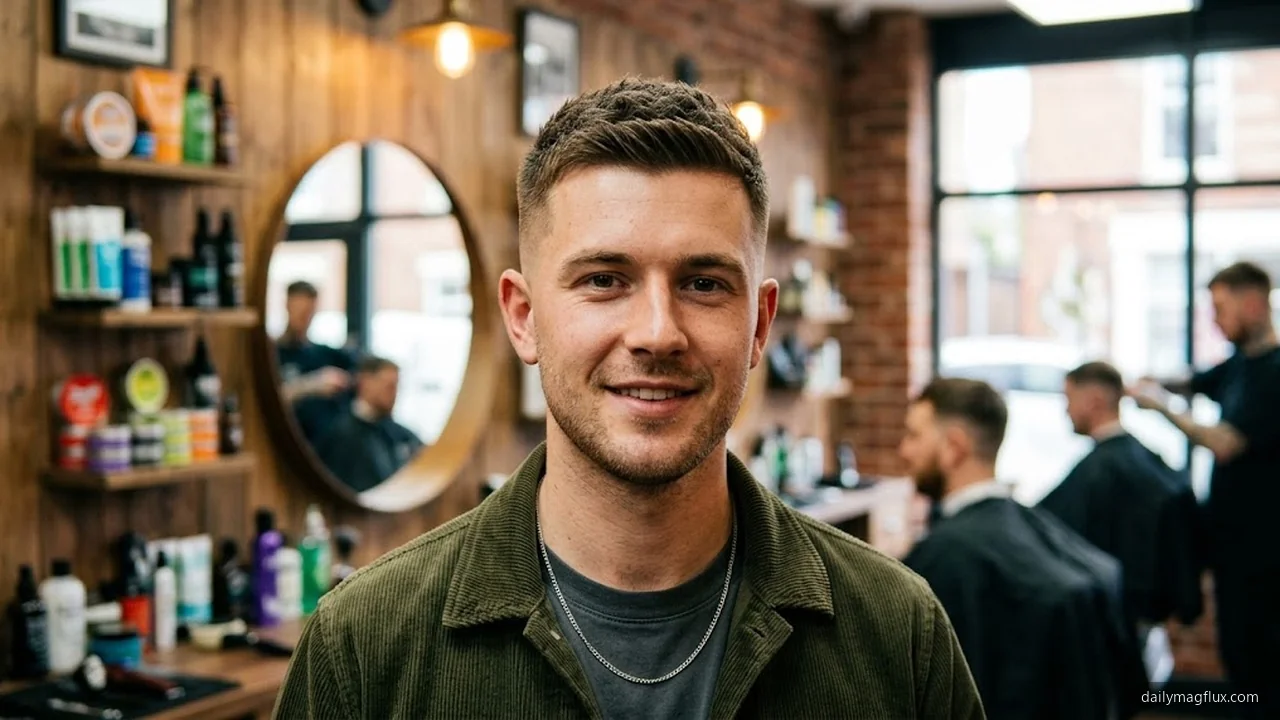
Watch a few cuts start to finish before you sit in the chair yourself. Look for the moment the barber sets the taper height, since that step decides the whole shape. Notice how they blend the #1 into the #3 with the corner of the blade. Skip clips that run a single guard over the entire head.
Common Mid Taper Fade Short Hair Mistakes to Avoid
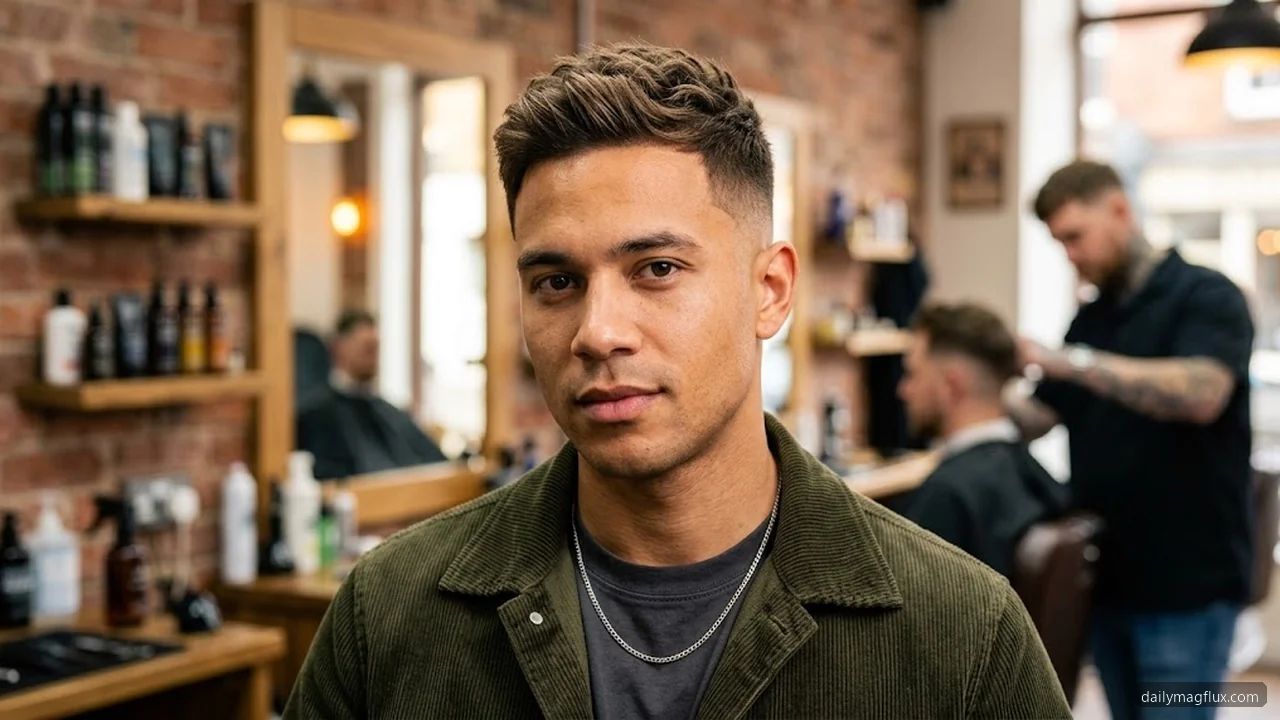
Most bad mid tapers come from small decisions made in the first two minutes. The guard you name, the height you pick and the product you use all show in the final shape. Each mistake below has a simple fix you can say out loud in the chair. Read them before your next appointment.
- Choosing the wrong guard: A #0 on the sides looks bald on light or fine hair. Save that number for a skin fade, where the shortest length is intended.
- Going too short on top: A #1 on top leaves an eighth of an inch with no texture to style. Keep near one inch so product can grip.
- Letting the taper overgrow: A stretched taper shows a soft shadow above the ear instead of a clean blend. Ask for a light cleanup between full cuts.
- Ignoring hair texture: Coily hair cut with the same guard as straight hair looks patchy at the temple. Ask for a #2 taper stretched over coils instead.
- Skipping reference photos: A photo from the front hides the blend line you actually want. Save a back and side shot so your barber matches the height.
- Overusing product: Two scoops of clay flatten a one-inch top and leave visible residue. Use a pea-sized amount and warm it between your palms first.
How to Maintain a Mid Taper Fade Short Hair Cut
A short cut with a mid taper stays sharp only if you protect the blend line. The three habits below cover the interval between visits, your morning routine and how often you wash. None of them takes more than a few minutes a day. Set the first one as a reminder in your phone.
Touch-Up Frequency
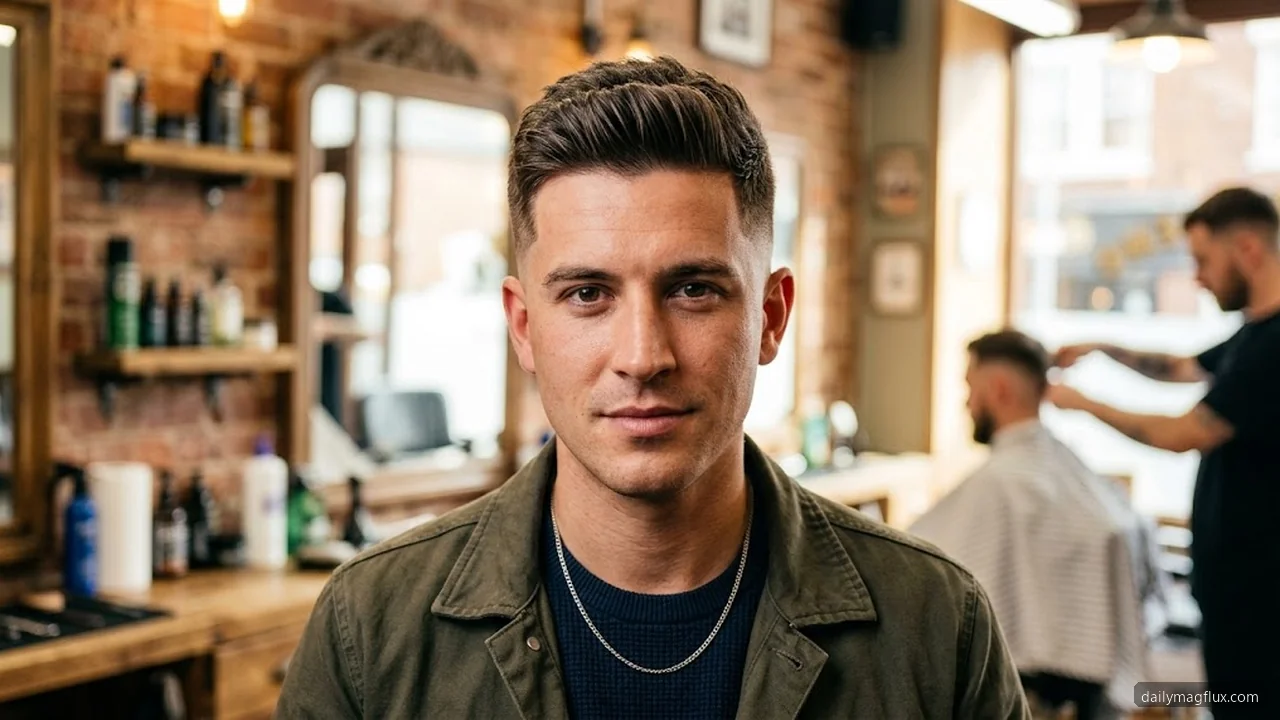
The taper line shows regrowth first, usually within three weeks of a cut. Book a touch-up every three to four weeks to keep the blend clean. Skin and high fades need attention sooner, at two to three weeks. Between visits, edge the neckline with a trimmer at home.
Daily Styling
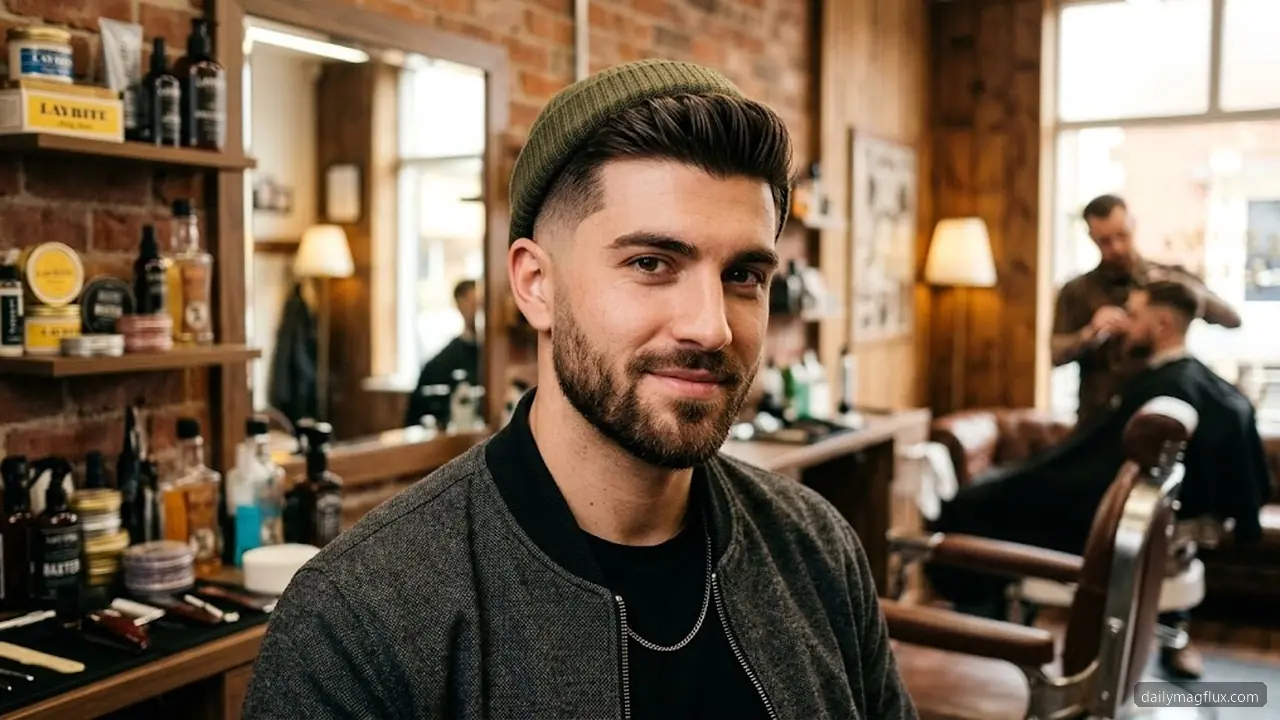
Start with damp hair and a towel-dried base, then add product before it fully dries. A pea-sized amount of matte clay gives texture with no shine for most days. Work it from the back forward so the front stays light. Finish by pinching the fringe with your fingertips.
Washing Routine
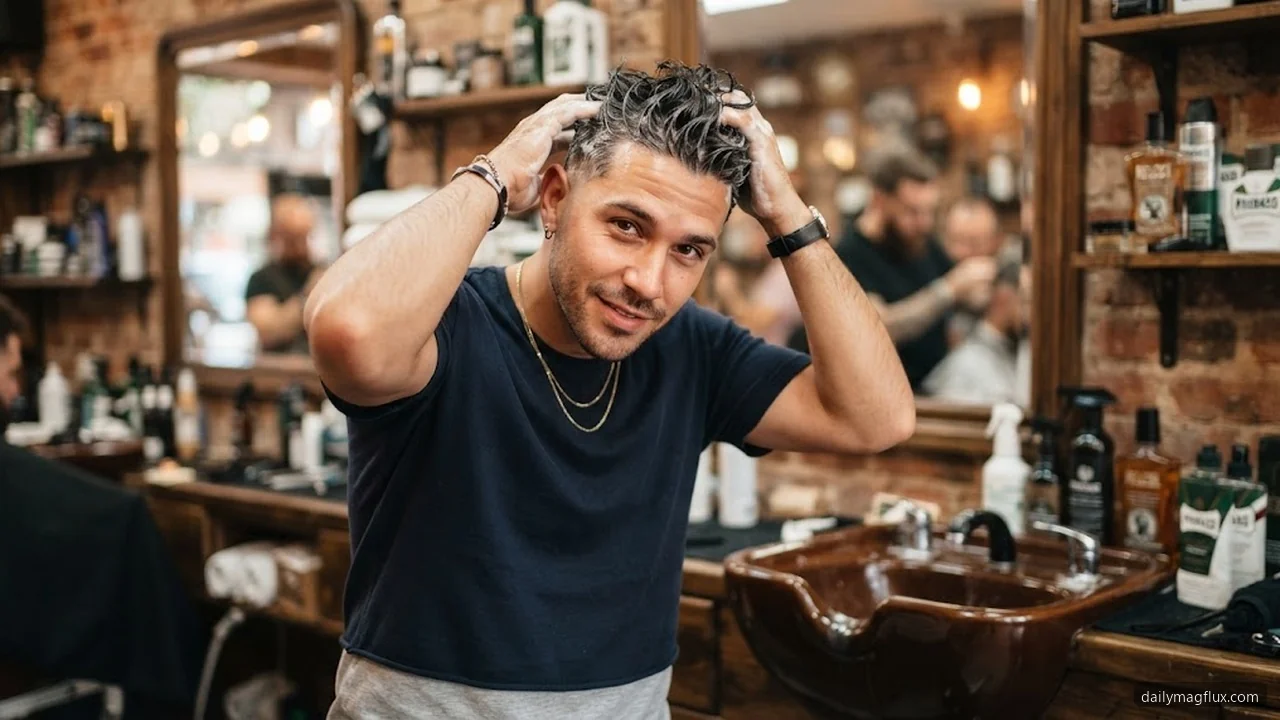
Wash your hair two or three times a week to let natural oils work. Use a gentle shampoo, since harsh formulas dry the scalp and flatten the top. Condition the ends only, keeping product off the tapered sides. Rinse with cool water to close the cuticle and add shine.
How Mid Taper Fade Short Hair Compares With Similar Cuts
Several short cuts look similar at a glance, so the differences hide in the sides and the top. Each comparison below states the main split in the first sentence. That way you can pick by upkeep and styling time rather than by name. All three options keep hair off your ears and neck.
Short Mid Taper vs Buzz Cut
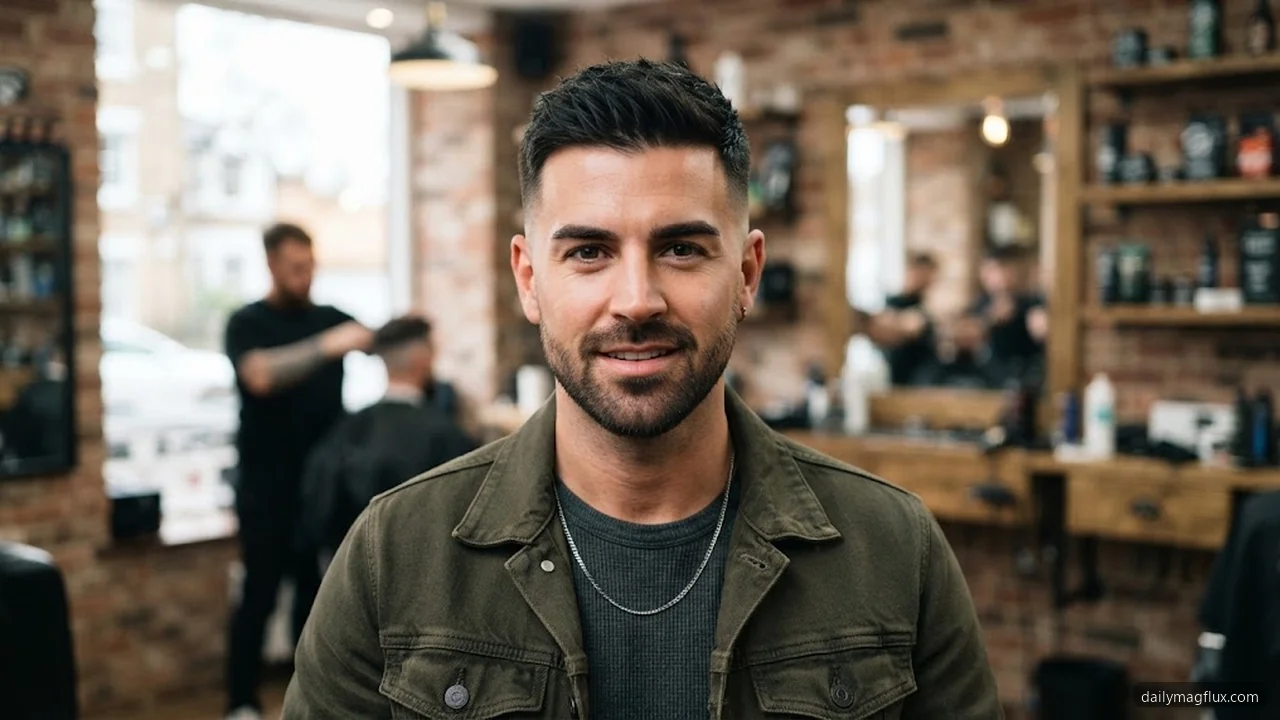
A buzz cut runs one guard over the whole head, so no blend line exists. The mid taper keeps a distinct short top and a faded side. Buzz cuts suit round faces poorly, while a taper adds shape. Pick the buzz for a five-minute routine with no product.
Short Mid Taper vs Longer Mid Taper
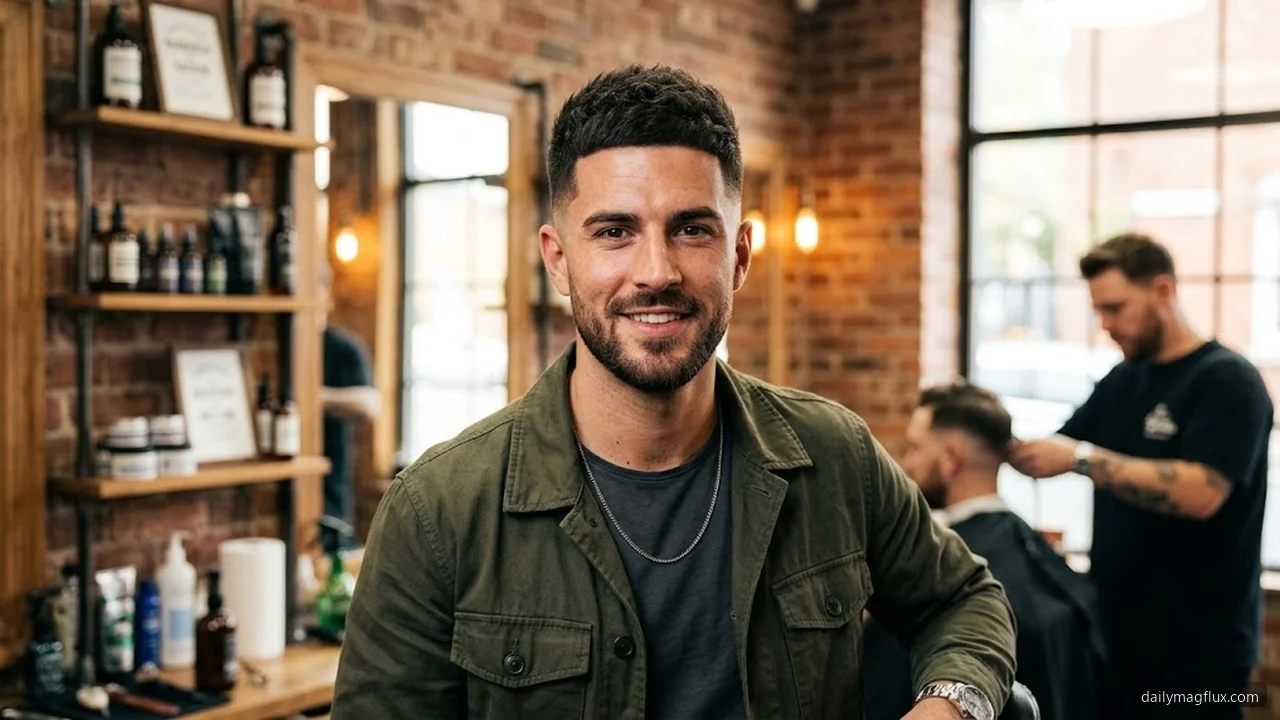
The difference is top length, not the fade height, which stays at the temple. A short top runs under one inch, while a longer version reaches two or three inches. Longer tops allow a quiff or fringe but demand blow-drying time. Pick shorter for low effort, longer for styling options.
Short Mid Taper vs Crew Cut
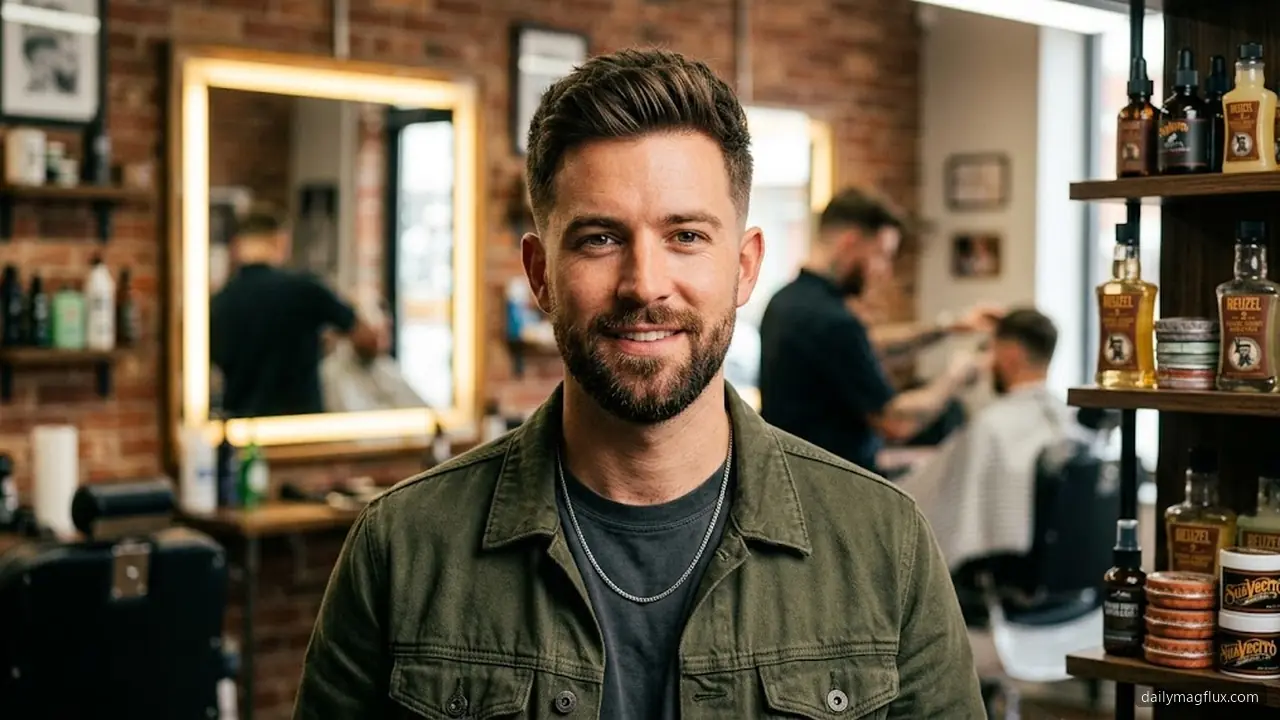
A crew cut keeps the top longer at the front and shorter at the crown, with no fade. The mid taper version blends the sides down to a #1 or #2 at the temple. Crew cuts read traditional, while a taper looks sharper at the edges. Pick the crew for a softer grow-out between visits.
Frequently Asked Questions
What is a mid taper fade short hair cut?
It is a short haircut with a taper that starts at your temple line. The sides blend down to a #1 or #2 guard while the top stays under one inch. Unlike a full fade, the taper keeps some length at the sideburns and nape. Your barber can cut it in about thirty minutes.
Is a mid taper fade good for short hair?
Yes, because the taper shapes the sides without shortening the top further. It works best when the top holds at least half an inch of length. Fine hair gains contrast, and thick hair looks lighter after thinning. Skip it only if you want a completely even buzz.
How short should the top be for a mid taper fade?
Keep the top between half an inch and one inch for a true short version. Anything shorter than half an inch leaves no texture to style. If you want two or three inches, that becomes a longer taper cut. Tell your barber the length in inches, not a guard number.
How often do I need to maintain a short mid taper fade?
Book a touch-up every three to four weeks to keep the blend crisp. The taper line fades first, usually before the top looks messy. Between visits you can edge the neckline with a trimmer at home. Dark, thick hair shows regrowth faster than light hair does.
Does a mid taper fade short hair style work with curly or coily hair?
It works well when the taper follows your natural pattern instead of fighting it. Curls from 3A to 3C need about one inch on top to keep their spring. Coily 4A to 4C hair looks best with a rounded, scissor-cut top. Curl cream defines the shape and controls frizz.
What’s the difference between a short mid taper and a buzz cut?
A buzz cut uses one guard over the whole head with no blend. The mid taper keeps a short top and fades the sides from a #1 upward. Buzz cuts grow out evenly, while a taper shows regrowth at the blend line. Pick the buzz for zero styling and the taper for shape.
What should I tell my barber for a short mid taper fade?
Start by naming the height, which is a mid taper at the temple. Give the numbers next, like a #1 at the bottom blending into a #3. Add your top length in inches and ask for a natural neckline. Bring two photos, one of the side and one of the back.
How does a mid taper fade compare to a low taper fade?
A low taper starts just above the ear and neckline, so more hair stays on the sides. The mid version begins at the temple and blends higher for a sharper look. Low tapers stretch to about four weeks between visits. Pick the mid if you want tighter sides with visible contrast.
What are the best Mid Taper Fade Short Hair Styles for Men?
The textured crop, curly top and high drop versions cover most hair types. A #1 guard taper keeps fine hair neat, and a beard fade ties the sides into your chin. Choose by your face shape, then match your product to your texture. Each one keeps the top short and quick to style.
How do I grow out a short mid taper fade?
Let the top grow while trimming the taper every few weeks so the shape stays neat. The sides catch up in about two months, since hair grows half an inch a month. Ask for scissor trims on the sides as the taper disappears. A soft side part hides the awkward in-between stage.
Conclusion
Book this cut if you want short sides, a clean blend and almost no morning work. Start with a textured top and a #2 taper when your hair runs thick. Fine hair does better with a #1.5 taper and a full inch on top. Round faces should ask for extra height at the front.
In the chair, say the height and the guard numbers before the clippers start. Then return every three to four weeks to keep the blend sharp. Mid Taper Fade Short Hair Styles for Men reward that small habit with a cut that always looks fresh. Ask your barber to write your numbers down for the next visit.

Harrison Jax is a hairstylist and fashion writer with 10+ years in the industry, holding a Certified Cosmetologist license and a Diploma in Fashion Styling from the London College of Style. He’s contributed grooming and trend guides to GQ India and Vogue Blogs, and currently leads DailyMagFlux’s hair and fashion coverage, blending runway insight with practical, everyday styling advice.