

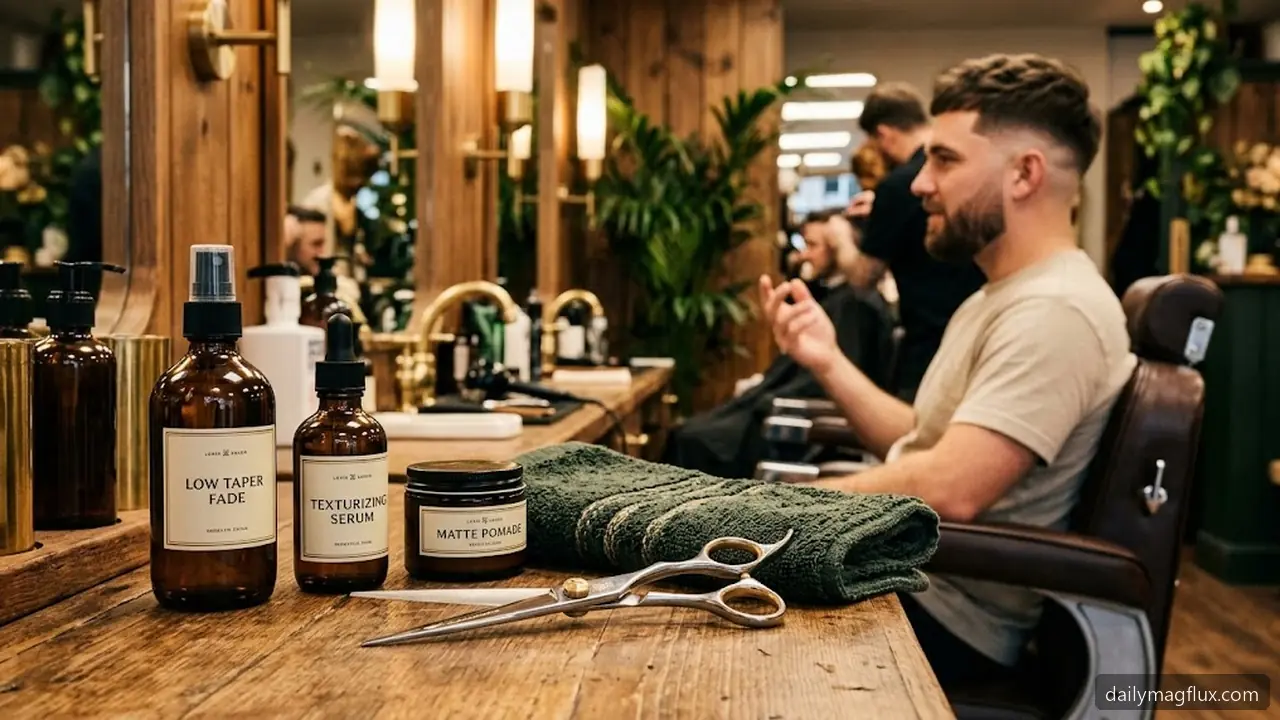
A Low Taper Fade trims the sideburns and nape close, which suits men wanting tidy edges. The cut keeps weight through the sides instead of shaving them to the skin. It sits low, just above the ear and along the neckline, then blends upward. Length on top stays yours to choose, from a short crop to three inches.
An oval or square face wears this taper easily, because the tight lower edge adds shape. Round faces need more height on top so the sides stay tight and clean. Ask your barber for a #1 or #1.5 on the sides and a natural neckline. Bring a photo of the neckline you want before you sit down.
Quick Answer
A Low Taper Fade shortens only the sideburns and nape while the sides keep their length. It suits oval, square and heart faces that want clean edges without a bald fade. Barbers usually run a #1 to #2 at the sideburns and nape and leave the top alone. Expect a touch-up every three to four weeks to keep it sharp.
Low Taper Fade: What Is a Low Taper Haircut?
A taper is not a full fade, because the clippers stop at the sideburns and nape. Everything above that line keeps its length, so the sides stay full. The word low describes where the blend begins, which is right at the ear. Above the ear, the hair grows out gradually instead of jumping to skin.
Your barber can run a #0.5 or #1 at the sideburn before blending upward. That leaves roughly 1/16 to 1/8 inch of hair at the lowest point. The nape follows the same plan, so the neckline looks tidy without any bald patch. Most barbers finish the edge with a trimmer and a light line-up.
Because the taper keeps length, the finished shape looks softer than a fade. You still get a sharp edge at the temples and around the ears. Hair on top can run from a #3 buzz to four inches of loose curls. That range is why the cut works for so many different guys.
Hair grows about half an inch a month everywhere on the head. The taper so loses its crisp edge in roughly three weeks. Most barbers suggest booking the trim before the edges lose their shape. Longer tops can stretch that gap, since the sides matter more than the fringe.
Low Taper vs Low Fade: What’s the Difference?
A low fade takes the sides and back down to skin or a #0. A low taper stops at the sideburns and nape, so the sides keep real weight. That single difference changes how sharp the cut looks and how often you return.
Both cuts blend low, which means the transition sits just above the ear. A low fade removes hair below that line and leaves nothing behind. A taper trims the same area but keeps a visible layer of hair in place.
Pick the fade when you want a crisp, high-contrast finish that reads sharp. The taper suits you when your office, school or family prefers a softer look. Fine hair shows blend lines less, so both options stay forgiving on light heads.
A low fade needs a barber every two to three weeks to stay clean. The taper buys you an extra week, since the lowest hair still has length. Choose the tighter option only if you enjoy regular chair time and quick trims.
Why Low Taper Haircuts Are So Popular
The cut grows out well, which means week four still looks intentional. A skin fade turns patchy after ten days, but a taper keeps its soft edge. That grace period saves you money and awkward in-between weeks. Most guys book every three to four weeks and never look scruffy.
Barbers can cut it in twenty minutes, so walk-ins are realistic on quiet days. There is no foil shaver involved, which keeps the service simple and quick. You can also stretch it a week with a home trimmer along the neckline. Keep the blade flat and take off only what sits below the hairline.
Straight, wavy and curly hair all take a taper without much styling work. The tight lower edge gives shape, so the top can stay loose and natural. Guys with 4C coils get a clean outline that frames the face neatly. Fine hair benefits too, because the taper adds definition without weight.
It reads professional in most offices, because the hairline and neck stay tidy. A round face gains height on top while the sides stay close to the head. An oblong face should skip tall volume and keep some fullness at the sides. That balance is why barbers reach for this taper on first-time clients.
Line-Up Taper
A line-up taper keeps the front hairline crisp while the sideburns and nape stay short. The edge work decides how sharp the cut reads from the front. Choose your version by how much length you want above the taper line. Hair type and upkeep matter too, since sharper edges need faster returns. See American Academy of Dermatology hair care guidelines for more.
Beard Fade Taper
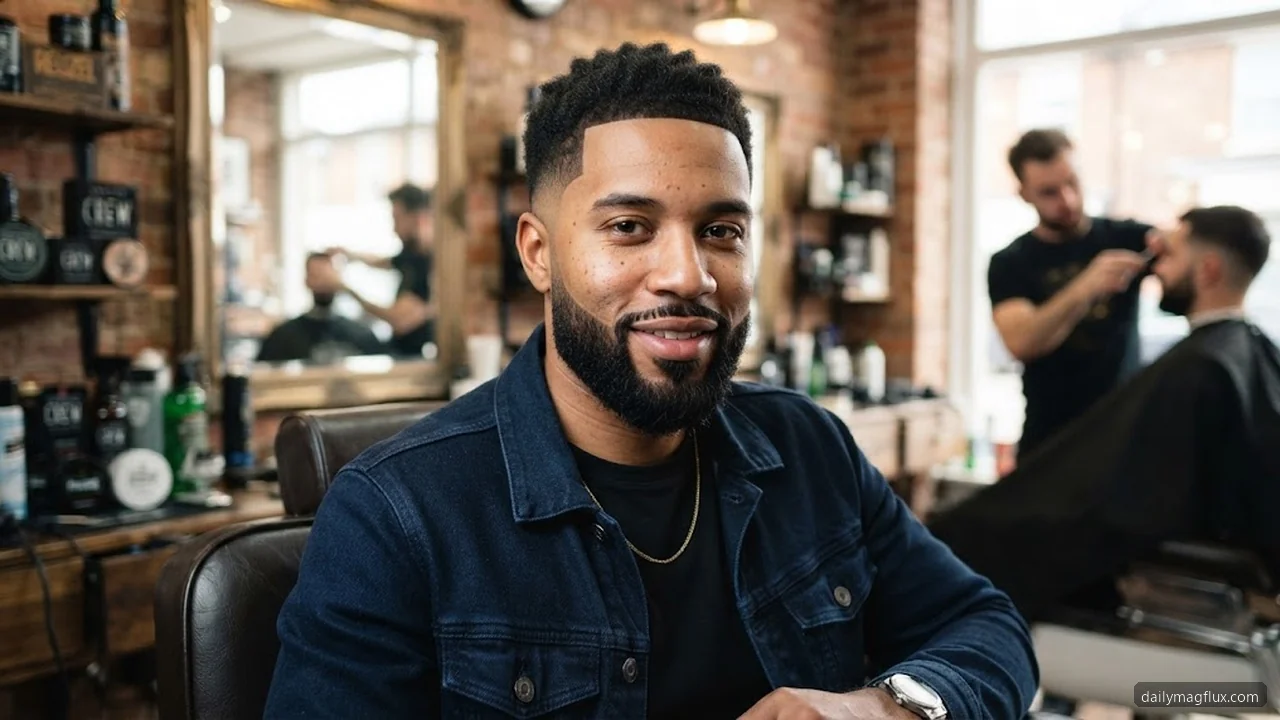
A beard fade taper blends your sideburn into the beard instead of stopping at skin. The barber fades the sideburn down to meet the top of the beard line. That connection removes the gap some guys get between hair and facial hair. It suits men who keep a full beard through the winter and a short one in summer.
A short beard needs a #1 at the sideburn so the fade does not swallow it. Longer beards can start at a #2 and taper down toward the jaw. Your barber should fade with the beard grain, not against it. Going against the grain leaves patchy spots that show up in photos.
Square jaws carry this look well, because the beard fade follows the jaw angle. A round face should keep the beard sides short and the chin a little longer. Heart faces can leave more hair at the chin to balance a wide forehead. Triangle faces need volume at the temples rather than a heavy, tight jaw.
The beard side grows steadily, so plan a visit every three to four weeks. You can tidy the sideburn line at home with a trimmer between visits. Beard oil softens the hair and makes the fade edge easier to comb flat. A dime of balm shapes the beard without leaving a greasy shine behind.
- Guard: ask for a #0.5 with the lever open at the sideburn, then close it as you fade down.
- Fade height: keep it low, starting at the sideburn and staying above the neckline.
- Top length: keep two to three inches on top so the hair still moves above the beard fade.
- Best face shape: diamond faces suit it when the temples keep some width instead of a tight fade.
- Styling: work a pea-sized amount of matte clay through damp hair, then brush the beard down flat.
Hard Part Taper
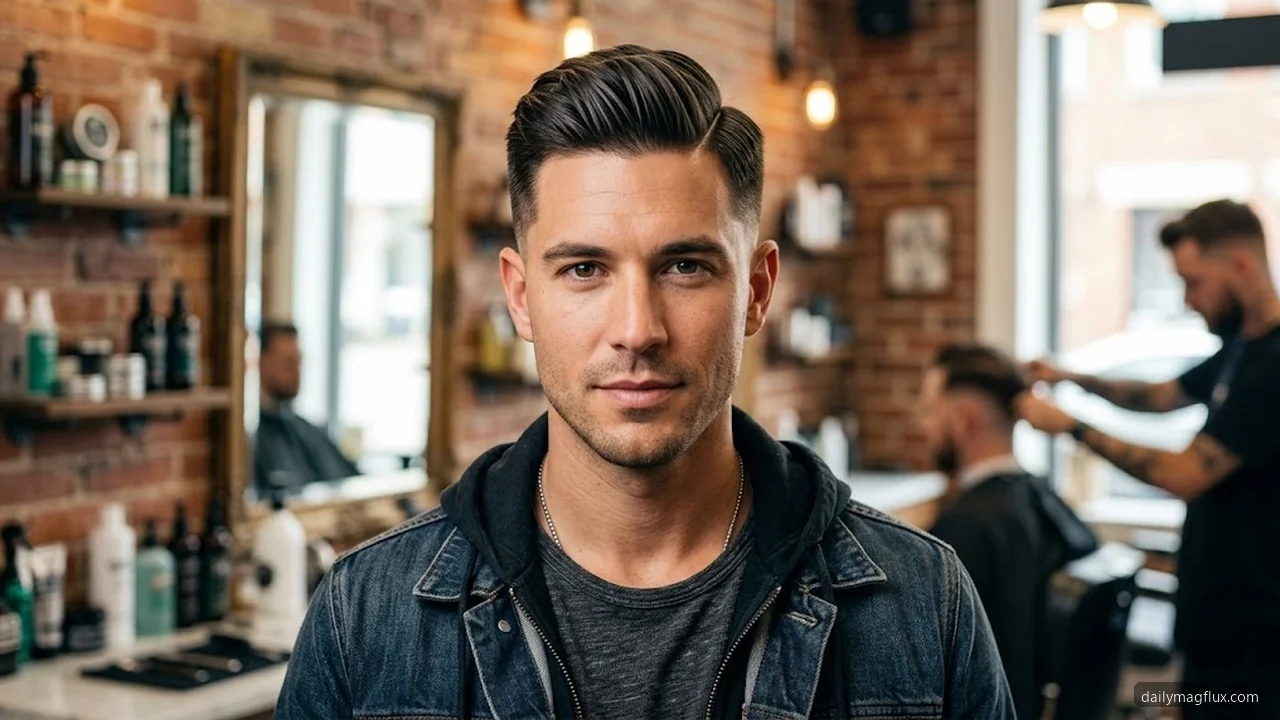
A hard part taper shaves a clean line into the hair an inch back from the hairline. The sideburns and nape taper short while the rest of the head keeps length. Because the part is set with a blade, it survives combing and looks deliberate. The line needs a re-cut every few weeks or it fades into the hair.
Straight and wavy hair holds a hard part best, since the line stays visible. Curly hair can take one, but the part blurs as the curls spring back. Fine hair shows the shaved line clearly, which makes the cut look sharper. Thick, dark hair carries the strongest contrast along that shaved part line.
An oval face wears a hard part well because the diagonal line adds interest. Square faces get a softer read when the part sits on the natural side. A heart face should keep the fringe longer so the forehead looks narrower. Round faces should push the part higher to create the illusion of length.
Comb the top to one side with a light pomade that keeps the line sharp. Blow-dry the hair forward first, then sweep it across so the part sits flat. The shaved line disappears within about two weeks as hair fills it in. Book a trim every three to four weeks to keep the definition intact.
- Guard: barbers usually run a #1 on the sides and a #2 near the part for a soft blend.
- Fade height: this taper stays below the temple line, so the part area keeps its weight.
- Top length: three inches is the sweet spot, long enough to sweep and short enough to comb.
- Best face shape: oblong and diamond faces suit it when the sides keep a little fullness.
- Styling: use a light gel for a wet look, or skip product and let the shaved line speak.
Buzz Cut Taper
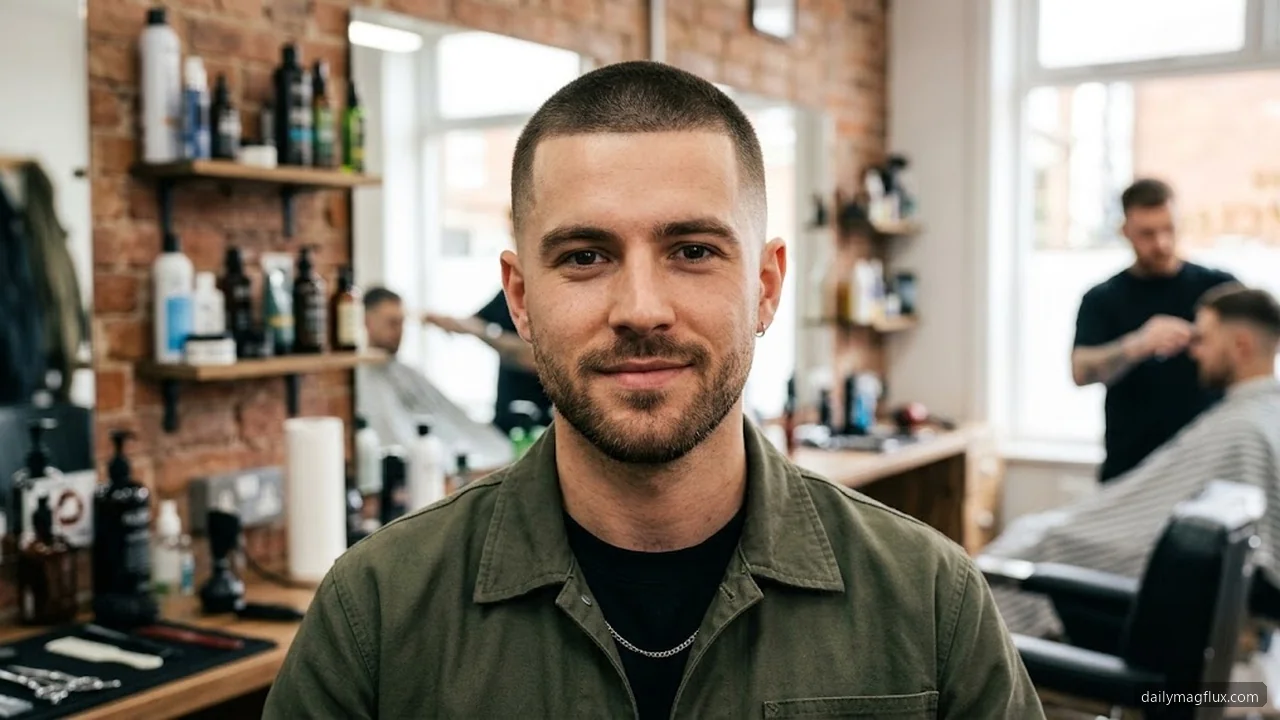
A buzz cut taper keeps one short guard on top and tapers the sideburns and nape. The top usually sits between a #2 and a #3, depending on how much scalp shows. It is the shortest cut that still counts as a taper rather than a fade. Everything above the taper line stays the same length all over the head.
Guys who hate styling pick this because it dries in seconds after a shower. Fine hair looks fuller at a #1.5 than it does when left longer. Thick hair handles the shorter end, while fine hair should stay near a #1.5. A receding hairline looks intentional here, since the top stays uniform.
Oblong faces suit a buzz taper because the short top does not add height. Round faces need the tightest sides here, since the top cannot add height. Triangle faces keep a little length at the temples to soften a wide jaw. Heart faces look balanced when the sides stay short and the fringe sits even.
A buzz taper holds its shape for about three weeks before the sides soften. You can refresh it at home with a #2 guard over the whole top. Ask your barber to keep the neckline natural instead of squared off. Scalp sunscreen matters more here, because a short top exposes plenty of skin.
- Guard: ask for a #2 on top with a #0.5 at the sideburns, blended up about an inch.
- Fade height: keep it low so the taper never crosses the temple or the parietal ridge.
- Top length: a #3 leaves 3/8 inch, which reads as a buzz without looking bald.
- Best face shape: square faces gain a clean outline, and oval faces wear it without effort.
- Styling: skip most products, but a few sprays of sea salt spray add grip on fine hair.
Curly Hair Low Taper Styles
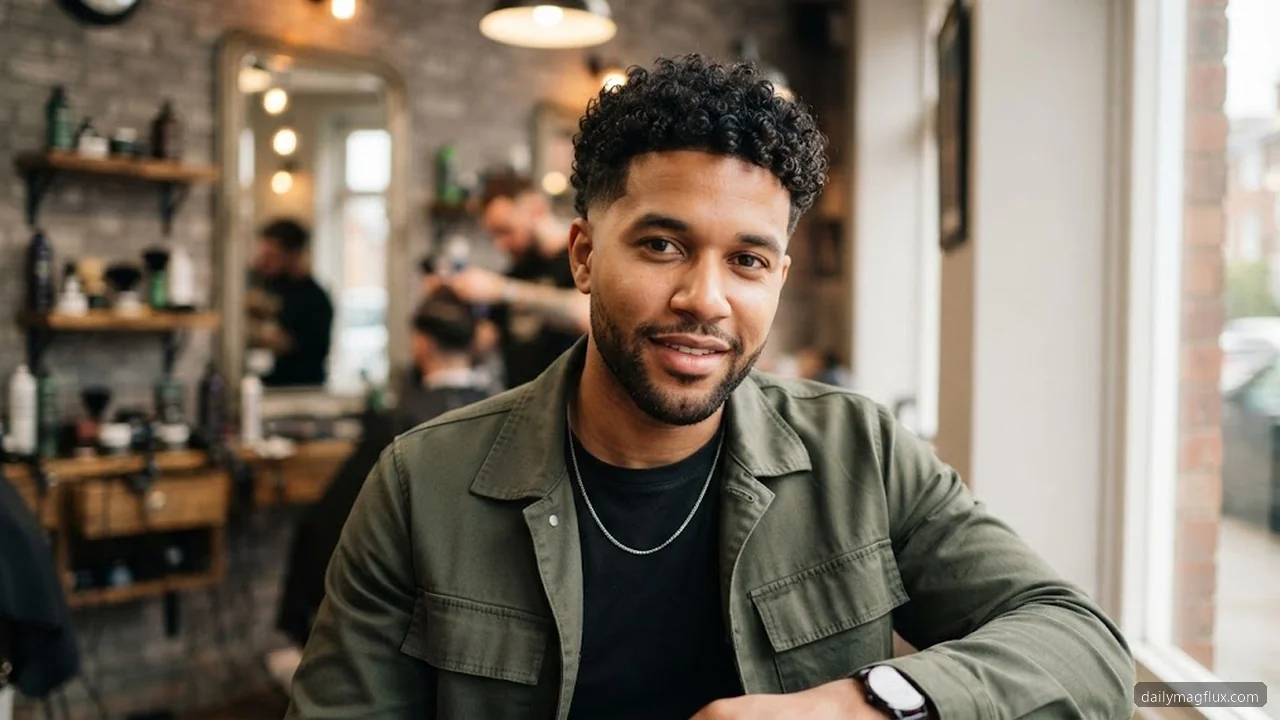
Curly hair holds its shape best when the sides keep some weight, which a taper allows. Shrinkage pulls curls up and away from the scalp, so the lower blend needs extra length. Ask your barber to leave more hair at the transition than a straight-haired client would get. The tight lower edge then frames your face instead of exposing a bald gap. See Healthline hair health and wellness resources for more.
Fine curls between 3A and 3C need a #1.5 at the sideburn before the blend begins. Your barber should blend upward with the lever half open and stop just above the ear. Two inches on top lets the curls sit in a loose, rounded shape. A #0 under 3C curls leaves a visible ring of scalp around the ear.
Coils from 4A to 4C shrink the most, so ask for a #1 rather than skin. Shrinkage of two inches pulls the coil away from the taper line. Your barber should comb each coil out before cutting so the length reads true. Leave the line-up natural instead of pushing the front hairline back too far.
Waves from 2A to 2C lie flatter, which lets the barber cut slightly tighter. A #0.5 at the sideburn works well because the wave does not spring back up. Keep the top near two to three inches so the sweep still shows. Comb the wave into place while the hair is still damp.
Curl cream goes onto soaking wet hair so the definition sets as it dries. Take a pea-sized amount and rake it through the top with your fingers. Skip the cream on the sides, because the taper should stay flat and clean. Refresh day-two curls with a few sprays of water, then shake them loose.
Straight and Wavy Hair Low Taper Styles
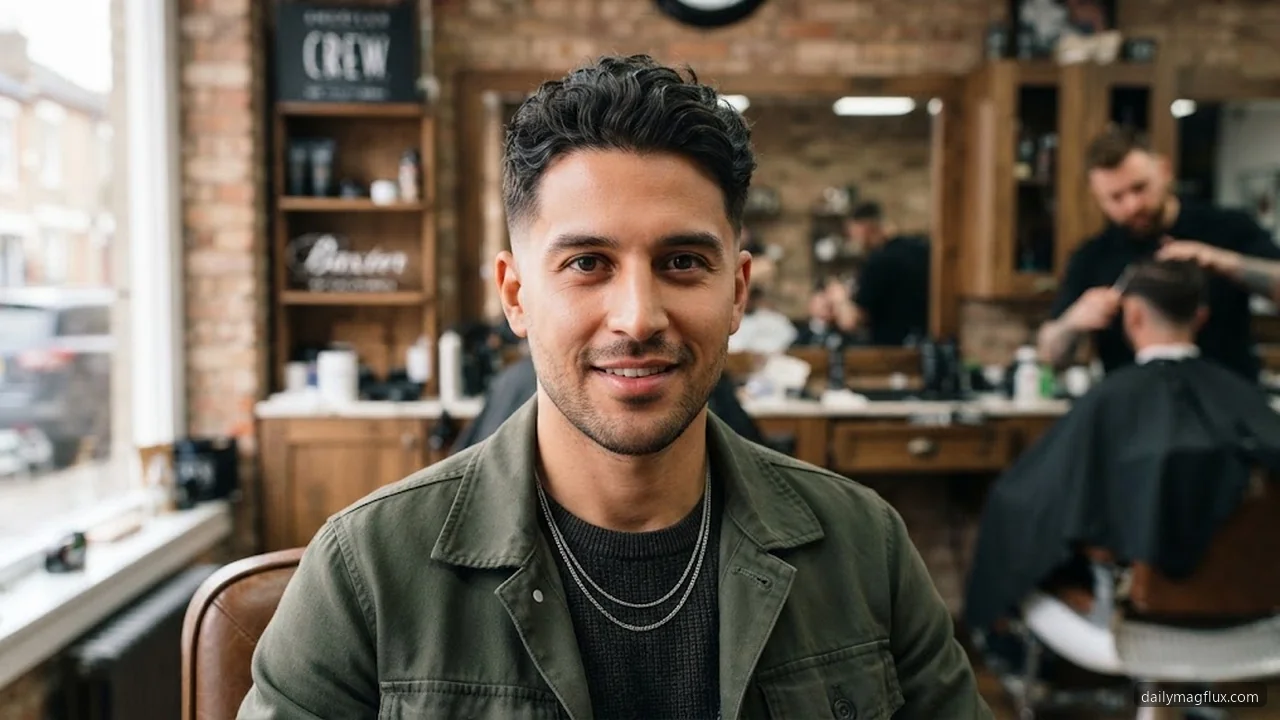
Straight hair can show blend lines, so a clean taper matters more than a tight one. Your barber should keep the lever moving in small steps above the sideburn. Dark, thick hair shows clipper marks most, so ask for a soft transition instead of a hard edge. Light or fine hair hides small errors easily.
Wavy hair between 2B and 2C holds a taper well, because the wave adds texture on top. Ask for a #1 on the sides and keep three inches up top. The wave then falls into place with very little product needed. Straight hair can take a #2 when you want a softer finish.
Fine, straight hair looks flat when it is left long, so keep the top near two inches. Sea salt spray adds grit and lifts the roots without any shine. Thick, straight hair carries more length and can take three inches with paste. Ask your barber to point-cut the ends so the top moves.
A taper on straight hair lasts three to four weeks before the edge softens. Wave patterns hold their shape slightly longer because texture hides the regrowth. Book your next visit when the sideburn line starts to blur near the ear. Over-combed straight hair looks flat, so use your fingers instead of a brush.
How to Style a Textured or Messy Top
Texture on top comes from how the hair is cut and dried, not from product alone. Ask your barber for point-cut ends so the pieces separate on their own. Damp hair holds whatever shape you build into it with a dryer and your fingers.
Blow-dry the top with your fingers and push the hair in different directions. That rough drying lifts the roots and stops the fringe from lying flat against your forehead. Keep the dryer on medium heat so the hair does not dry out and frizz.
Matte clay or paste then sets the pieces without leaving any shine behind. Warm a small amount between your palms before it touches your hair. Pinch the fringe into loose spikes once the clay has spread evenly through the top.
- Product: a pea-sized amount of matte clay gives hold with zero shine, which suits a textured top better than pomade.
- Technique: work the clay from back to front. Then, lift the roots with your fingertips so the top keeps its height.
- Finish: mist three sprays of sea salt spray over dry hair for extra grit. Then, leave it alone instead of combing.
How to Ask Your Barber for a Low Taper
Say the word taper first, then describe where the blend should stop on your head. A clear script saves you from a fade that climbs higher than you wanted. Tell your barber the taper should sit just above the ear and along the nape. Point at the spot with one finger so there is no guesswork about height.
Give the guard number for the lowest point, such as a #1 at the sideburn. Then tell your barber how the blend should move upward toward the temple. If you want a softer finish, ask for the lever left open at the bottom. That open lever keeps a little length in the lowest hair.
Describe the top in inches, not in guard numbers, because guards stop at one inch. Say “two inches on top with a little texture” if you want a messy finish. Mention the neckline shape too, either natural or squared. A natural neckline follows the hairline, which suits most tapers.
Show a photo of a taper you like and one you do not want at all. Photos settle arguments about height faster than any words you can use. Ask where the blend line will sit on your own head before the cutting starts. Your barber can point to that spot with a comb.
Once the cut is done, ask how long the barber expects it to look sharp. Write down the guard numbers they used so your next visit matches. Repeat the same script each time and the result stays consistent. Ask about home trims between visits if the edge fades fast.
How to Style and Maintain a Low Taper
A taper keeps its shape for about three to four weeks before the edges blur. Shampoo two or three times a week so the sides do not get greasy. Condition after every wash to keep the top soft and easy to push around. Rinse with cool water to close the cuticle and add a little shine.
Style the top first and leave the tapered sides alone. A light pomade or clay on the top keeps the shape without weighing the sides down. Use your fingers rather than a comb when you want a looser finish. Keep the sides dry so the taper stays flat against the head.
Between visits, tidy the neckline with a trimmer set to the same guard. Hold the trimmer flat and take off only the hair below the hairline. A small mirror helps you check the line behind the ear. Do not push the trimmer upward, because that erases the blend.
Scalp care matters on top, where the hair still carries some length. Massage your scalp while you shampoo to lift dead skin and oil. A dry scalp shows as flakes on dark hair, so keep it moisturised. Skip heavy waxes, which build up and leave the top looking dull.
Does a Low Taper Suit Your Face Shape?
Most face shapes can wear a low taper, because the tight edge adds shape without removing side weight. Round faces gain the most, since the short lower sides slim the cheek area. Oval faces wear it easily, though they are not the only shape that suits it.
Oblong faces should keep fullness at the sides and skip tall height on top. A fringe or a medium top length breaks up the length of the face. Heart faces suit a fringe or a side sweep rather than heavy volume.
Diamond faces need width at the forehead and temples, so skip a very tight taper there. Triangle faces want volume on top and at the upper sides to balance a wider jaw. Square faces wear almost any style, and texture on top softens the strong jaw.
Match the top length to your shape and the taper stays flattering on anyone. Height on top helps round and triangle faces, while oblong and heart faces should keep it low. Ask your barber which top length suits your shape before the clippers start.
| Face Shape | Why It Works | Best Style Pairing |
|---|---|---|
| Oval | Balanced length and width, so the low edge keeps the proportions even. | A textured crop with a #1 at the sideburn. |
| Round | Short lower sides slim the cheeks while height on top adds length. | A quiff with three inches of length on top. |
| Square | The crisp lower edge follows the strong jaw without softening it. | A buzz cut taper with a #2 on top. |
| Oblong | Fullness at the sides stops the face from reading even longer. | A fringe with two inches on top and a soft taper. |
| Heart | Medium side length balances a wide forehead against a narrow chin. | A side sweep paired with a hard part taper. |
The Bottom Line
Sideburns give the cut its front edge, so decide on their shape before the clippers start. A tapered sideburn narrows into a point just below the ear. A squared sideburn ends in a flat line for a sharper, more formal read. Ask your barber to taper yours if you want the softer finish.
Three neckline options exist, and each one changes how the back of the cut reads. A natural neckline follows the hairline curve, so it never looks drawn on. A squared neckline sits flat across the middle, which reads sharper from behind. A rounded neckline curves gently upward and suits the softer, looser finishes.
A cowlick near the taper line pushes hair outward, which fights a clean blend. Tell your barber where yours sits before the cutting starts. Good barbers cut around the swirl instead of flattening it with clippers. A stubborn cowlick may need a slightly higher blend on that side.
Hair at the nape often grows downward and sideways, which changes how the blend moves. Your barber should follow that direction rather than cutting straight across it. Cutting against the growth leaves small steps that show up under bright light. Mention any tender spots on your neck before the trimmer reaches them.
Hard water leaves minerals on the hair, which makes short sides look dull. Rinse with filtered water if your tap runs heavy with chalk. A weekly clarifying wash strips away the film that dulls the blend. Homes with soft water rarely need that extra clarifying step at all.
An oily scalp makes the short sides clump together within a day. Wash with a gentle shampoo and skip heavy conditioner near the roots. Conditioner on the sides weighs the taper down and kills the shape. Rinse cool to close the cuticle and reduce the shine.
A dry scalp sheds flakes that land on the short sides and look obvious. Use a moisturising shampoo twice a week instead of a daily wash. A few drops of scalp oil at night soften the skin without greasing the hair. See a doctor if the flaking spreads or itches badly.
Ears that stick out leave more skin visible around the taper, which changes the read. Ask your barber to leave a little more hair behind the ear in that case. Flat ears let the barber taper closer without exposing a patch of scalp. Point this out at the start rather than after the cut.
Glasses arms rub the hair right where the taper blends, so mention them early. Your barber can leave a small amount of length under the arm for comfort. Too tight a blend there causes irritation and a visible bald patch over time. Bring the glasses to the appointment so the fit gets checked.
Tight hats and headphones press on the blend and flatten the sides within minutes. Take them off before you check the mirror at the shop. A soft beanie does far less damage than a stiff baseball cap does. Rotate your hats so one spot does not wear the hair thin.
Summer heat makes a shorter side feel cooler, so many guys drop one guard number. A #0.5 at the sideburn works well when the temperature climbs. Humidity makes longer tops frizz, so a light cream helps control that. Reapply sunscreen often to any exposed scalp along the tapered sides.
Cold air dries the scalp and makes short sides look dull and flaky. A heavier conditioner on the top keeps the longer hair from drying out. Skip the heavy cream on the sides because it flattens the taper. A hat with a soft lining protects the blend in freezing wind.
Book your cut about a week before a holiday so the edges settle. Fresh tapers look slightly sharp for two or three days. A week of growth softens the line and looks more natural in photos. Ask for the next appointment before you leave the barber shop that day.
Short sides expose skin that most guys never think to protect. Use a non-greasy sunscreen with an SPF of at least thirty on it. Greasy formulas make the taper look wet and clump the hair together. Reapply it every two hours if you plan to stay outside all afternoon.
Chlorine and salt water strip moisture from the longer top and leave it rough. Rinse with fresh water right after you leave the pool or sea. A leave-in conditioner restores softness without weighing the sides down. Wear a swim cap if you swim laps several times a week.
Rubbing wet hair with a rough towel lifts the cuticle and causes frizz. Pat the top dry with a soft towel instead of scrubbing it hard. Curly tops frizz worst, so squeeze the water out with your hands. Let the sides air-dry because they hold their shape that way.
Blow-dry the top in the direction you want it to fall at the end. Drying forward first builds root lift that keeps the style from lying flat. Switch to cool air for the last thirty seconds to set the shape. Keep the nozzle a few inches from the hair to avoid heat damage.
Comb the top along one line so the hair trains in the same direction. A side part works for most guys and adds a clean edge near the forehead. A middle part suits longer tops but needs more length to sit right. Wet combing after a shower helps the direction set as it dries.
Gel gives a wet shine that suits short tops and crisp side parts. Clay gives a matte finish that works better on longer, looser tops. Switching from gel to clay may need a few days while the hair adjusts. Wash gel out fully because residue blocks the clay from gripping.
Product builds up on the sides even when you only style the top. Wash with a clarifying shampoo once a week to strip the residue. Buildup flattens the taper and makes the blend line look greasy. Skip the second product application on days you plan to stay at home.
Home trimmers need a drop of oil on the blade after every few uses. Dull blades pull hair and leave uneven lines along the neck. Brush out the hair before you store the trimmer in its case. Replace the blade when it starts snagging, which happens after months of use.
Trimming your own blend line too high erases the soft transition a barber built. Stay below the taper line and take off very little hair at a time. Two slow passes with a guard beat one quick, heavy pass. If you slip, leave it alone until the next appointment instead of fixing it.
Look for a barber who asks questions before picking up the clippers. A good shop will discuss your hair type, growth pattern and routine first. Watch how they finish a neckline on the client ahead of you. Repeat visits matter more than a single perfect cut.
Growing out a taper takes patience because the short hair at the nape fills in first. The sides look uneven for about three weeks before the shape softens. A small trim on the top keeps the growing-out period looking tidy. Most guys need four to five months to reach a full, even length.
Grey hair often feels coarser, so the blend can show a slightly harder line. Your barber may soften the transition with scissors over comb. Silver tones reflect light and make clipper marks stand out more on the sides. A matte product keeps the shine down and the overall finish even.
A thinning crown on top pairs well with a taper because the sides stay clean. Keep the top short so the scalp shows less through the hair. A short top works for many guys in the early stages of thinning. Ask your barber to skip heavy products that separate the strands and show scalp.
A whorl on the crown makes the top hair grow in a circle. Cut the top slightly longer there so the pattern has room to sit. Short, choppy layers fight a whorl and leave an obvious gap. Point the whorl out during consultation so the barber plans around it.
Fringe length decides how much of the forehead the finished style covers. A fringe that reaches the eyebrows softens a wide forehead nicely. Cutting it above the brow suits guys who want a sharper, open face. Trim the fringe with scissors rather than clippers so it keeps weight.
A longer top lets you pull the hair back with a band on hot days. Clips and bands press on the blend, so remove them before your appointment. Traction from tight bands can thin the hairline over several months. Choose a loose band and move its position from day to day.
A buzzed top keeps the whole shape close, so the neckline carries the style. Ask for a natural neckline so the back does not look squared off. Your barber should fade the sideburn into the buzz without a hard step. Leave the top slightly longer if you want a hint of soft texture.
School rules often set a minimum length, so check before booking a short cut. Many schools allow a taper with a short top but ban anything below a #1. Keep the neckline tidy so the cut looks neat from behind in class. Book before term starts so the edges settle by the first day.
Beard length changes how the whole face reads, so match it to the top. A short beard pairs with a longer top and keeps the jaw defined. A full beard works with a shorter top so the face does not look heavy. Comb the beard daily so it sits flat against the taper.
Moustache weight affects the balance above a beard or on its own. Keep it trimmed above the lip so it does not cover the mouth. A thin moustache suits a longer top paired with a clean, low taper. Use small scissors rather than a trimmer so you keep more control.
The back usually stays longer than the sides so the shape looks balanced. Cutting the back as short as the sides flattens the profile from behind. Your barber should leave a little weight at the crown for that reason. Mention it if you notice the back looking too tight.
Head shape decides how high the blend can sit without looking wrong. A flat back of the head needs the taper a little lower so the curve reads. A rounded crown can carry a slightly higher blend without any problem. Feel the back of your head and note any flat spots.
Skip the taper if you want a bald fade, because the two cuts read differently. Guys who hate visiting a barber every few weeks should grow the sides instead. Very fine hair hides blend lines, so a soft taper works better than a tight one. Ask your barber for an honest verdict on your hair.
Want More Taper Fade Guides?
Taper height changes the whole shape, so the name matters less than where the blend starts. A mid taper reaches the temple line and suits guys who want a sharper finish. A high fade climbs near the parietal ridge and needs a trim every two to three weeks. A skin fade takes the sides to a foil shaver for the closest possible result.
Best Hair Types and Textures for a Low Taper
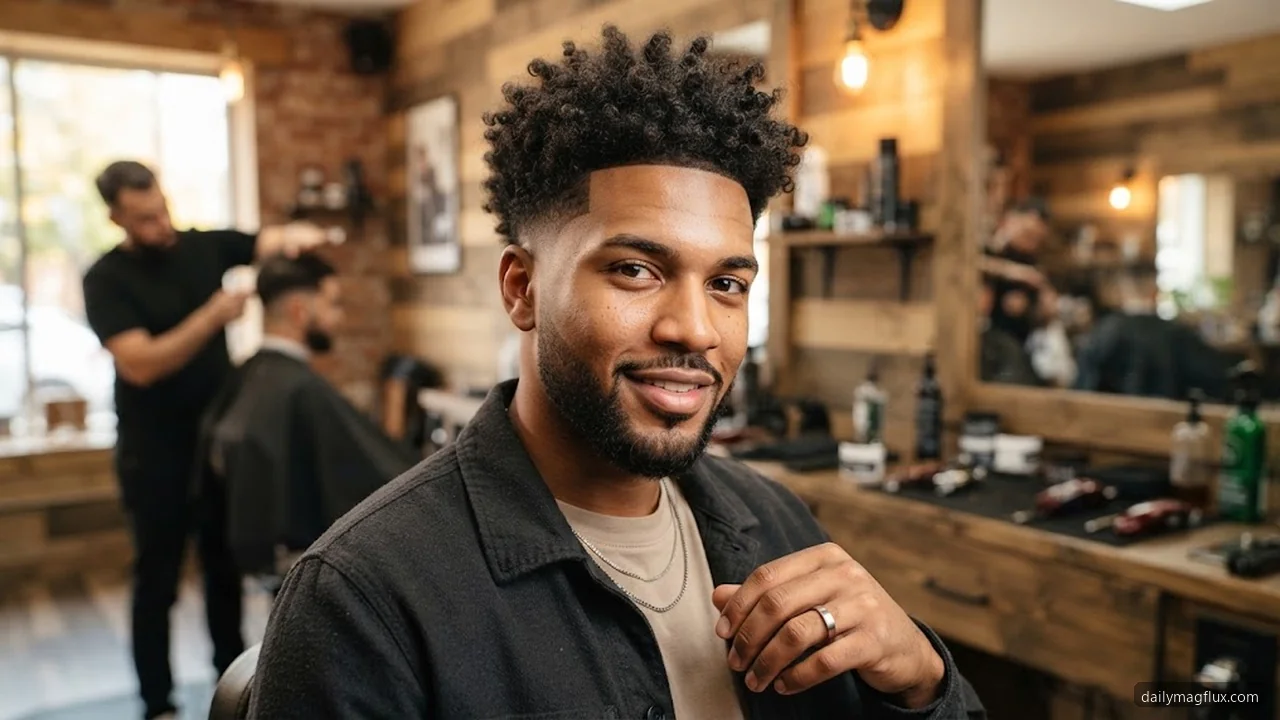
Pattern tells your barber how the hair falls, while density decides how the blend reads. Thick hair holds a taper shape well but shows every clipper mark along the sides. Fine hair shows almost no marks, so a soft blend looks clean on it. Your barber should judge your density by hand before choosing any guard number.
Top length should match your texture rather than copy a photo you liked online. Straight hair needs a shorter top, because long straight hair lies flat and thin. Waves and curls carry more length, since the pattern adds natural body and lift. Add an inch to any photo length if your hair curls tightly.
- Straight: Keep the top near two inches, because long straight hair lies flat and reveals clipper marks along the sides.
- Wavy: Waves hold a #1.5 at the sideburn well, and they add movement on top without much product.
- Curly: Ask for a #1 at the sideburn and leave two inches on top so the curls keep their shape.
- Coily: A soft brush-out before the cut keeps the coil pattern even and stops the sides from looking patchy.
- Thick: Thick, dark hair shows clipper marks most, so ask for smaller blend steps along the sides.
- Fine: Fine hair hides blend lines well, which lets your barber work with a softer, closer transition.
Common Mistakes to Avoid
Taking the taper too high turns it into a fade and changes the cut entirely. The blend should stop just above the ear and along the nape, not at the temple. Once the clippers climb past the temple line, the sides lose their weight. Ask your barber to point at the stopping point before the cut begins.
Choosing a guard without thinking about density leaves the sides looking patchy. Fine hair at a #0 shows scalp, while thick hair handles the same guard well. Your barber should test one small patch before running the clipper across. That quick test takes seconds and saves you weeks of waiting for regrowth.
- Over-tapering: Stop the blend just above the ear, since climbing toward the temple strips the side weight.
- Wrong guard: A #0 on fine hair shows scalp, so ask your barber to test one small patch first.
- Skipping line-up: The front edge frames your face more than the sides, so a quick trimmer pass keeps it sharp.
- Too much product: A dime-sized amount of paste is enough for the top, and a second layer flattens the sides.
- Wrong face-shape pairing: Round faces need height on top and tight sides, so skip volume that sits at the sides.
- Stretching appointments: Past four weeks the sides grow over the ears, so the blend loses the shape you paid for.
Frequently Asked Questions
What Affects the Cost of a Low Taper Fade?
A taper usually costs less than a full fade because it takes less time. Most shops charge close to the price of a standard men’s haircut. Big cities charge more, while small neighbourhood shops often ask for less. Beard work and a line-up add a small amount to the final bill.
How often should I get a low taper fade maintained?
Book a touch-up every three to four weeks to keep the edges crisp. Hair grows about half an inch a month, so the sideburn line softens quickly. Dark, thick hair shows fresh regrowth along the sideburn sooner than lighter hair does. Stretch to six weeks only if you like the softer, grown-in look.
Can a low taper fade work with a receding hairline?
A taper works well with a receding hairline when the sides stay soft. Pushing the line-up straight back makes the temples look thinner than they are. Ask your barber to leave the corners a little longer for balance. A short, textured top takes attention away from the hairline itself.
What guard numbers should I ask for with a low taper fade?
Ask for a #1 or #1.5 at the sideburn and let the lever work upward. The nape takes the same guard so the neckline matches the sides. Fine hair looks better at a #1.5, while thick hair handles a #1. Say the numbers out loud so your barber can repeat them back.
Does a low taper fade suit curly hair?
Curly hair suits a taper as long as the sides keep enough length. Curls shrink as they dry, so a #0 leaves a ring of bare scalp. Leave the sideburn at a #1 so the curl pattern stays visible. A pea-sized amount of curl cream keeps the top defined and soft.
Is a low taper fade professional for work?
A taper reads professional at work because the hairline and neck stay tidy. The sides keep their length, so the cut looks softer than a skin fade. Offices with strict rules usually accept a short top with a clean taper. Comb the top flat before a meeting and the style looks sharp all day.
Conclusion
Book this cut if you want clean edges without losing the hair on your sides. Round and triangle faces should start with a #1 and extra height on top. Straight hair suits a short top, while curls need two inches to sit right. Square and oval faces can pick almost any version and still look sharp.
Tell your barber you want the blend just above the ear and name your top length. Then return every three to four weeks so the edges never lose their shape. Write down the guard numbers your barber uses for a repeatable result. A Low Taper Fade stays easy to wear when you keep that rhythm.

Harrison Jax is a hairstylist and fashion writer with 10+ years in the industry, holding a Certified Cosmetologist license and a Diploma in Fashion Styling from the London College of Style. He’s contributed grooming and trend guides to GQ India and Vogue Blogs, and currently leads DailyMagFlux’s hair and fashion coverage, blending runway insight with practical, everyday styling advice.