

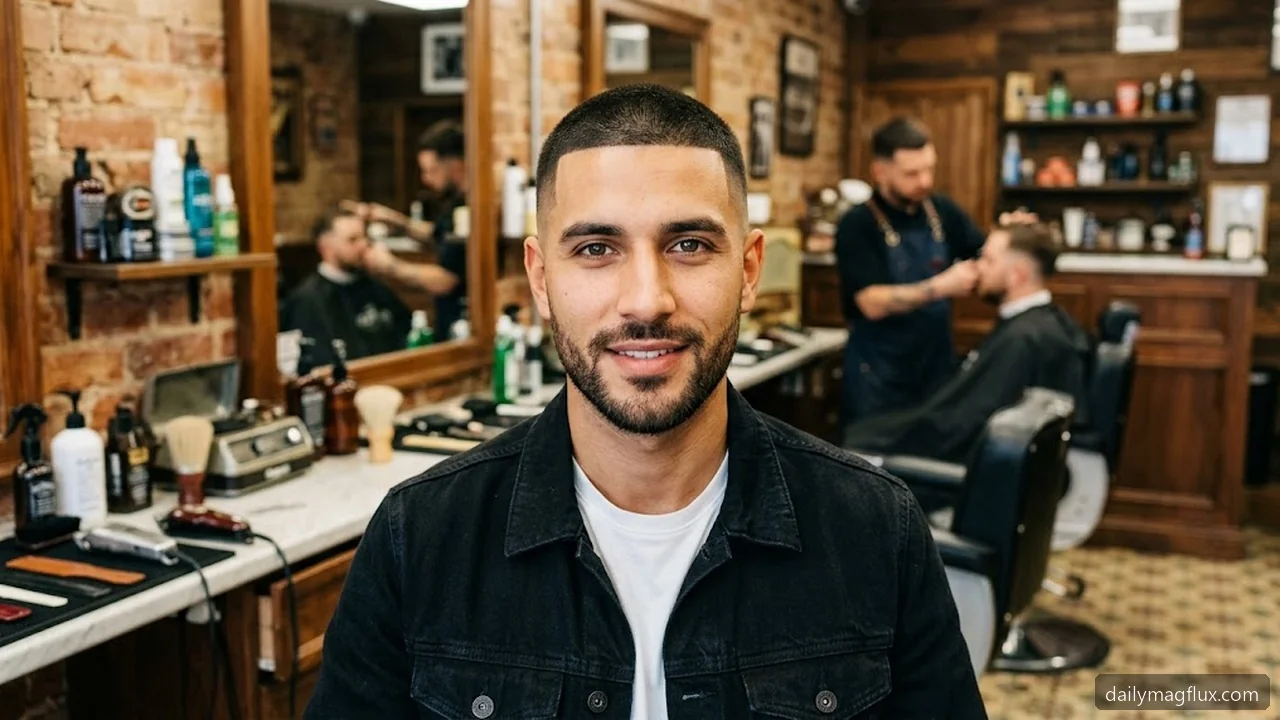
The Low Taper Fade Buzz Cut is short on top with a taper at the sideburns and nape. The top stays short and even, so you never fight with a brush in the morning. The taper starts just above the ear and blends down to a clean neckline. You get a sharp finish without the upkeep of a longer cut.
A low taper flatters oval, square and heart-shaped faces because it keeps the sides close. Round faces need a little more height on top to balance full cheeks. Coily hair reads best when the top is left at a #3 or longer. Book this cut when you want quick mornings and simple upkeep.
Quick Answer
A Low Taper Fade Buzz Cut keeps the top short and tapers the sideburns and nape. It suits straight, wavy and coily hair, and most face shapes wear it well. Ask for a #2 to a #4 on top with the taper kept low. A touch-up every three to four weeks keeps the edges tidy.
What Is a Low Taper Fade Buzz Cut?
Short hair on top with a tapered finish at the sideburns and nape is the whole idea here. The buzz length gives you an even, flat surface that dries in seconds. The taper removes bulk around the ears and neck without shaving you down to skin. Both halves are cut in the same visit and take about twenty minutes.
Why the Starting Point Matters
This cut starts at the hairline, so the first pass sets your shape. Your barber sets the top guard first. That order keeps the blend honest, so the top never looks pasted on. A taper placed too high is the fastest way this cut goes wrong.
Where you start also depends on your hairline and your density. A receding hairline needs the taper kept low and soft at the temples. Thick, dark hair shows every clipper mark, so the blend needs more blending strokes. Fine, light hair hides lines but flattens quickly without enough length on top.
What a Taper Adds That a Plain Fade Doesn’t
A taper only shortens the sideburns and nape, while a fade takes the whole side and back down short. That difference changes how the cut grows out between visits. A taper leaves visible length at the temple and above the ear. A fade removes that length and blends the sides into the top.
The tapered version keeps a little weight behind the ear, which softens the head shape. Men with a narrow jaw or a long face often prefer that extra weight at the sides. The plain fade looks sharper and reads as more deliberate from across a room. Neither is better, because the taper simply grows out with fewer harsh edges.
Most men choose the taper because it keeps a natural neckline instead of a shaved one. It also pairs well with a beard, since the sideburn keeps some length to connect. The plain fade leaves a cleaner gap between hair and skin at the nape. Pick the taper if you want soft edges, and the fade if you want contrast.
Top Low Taper Buzz Cut Styles
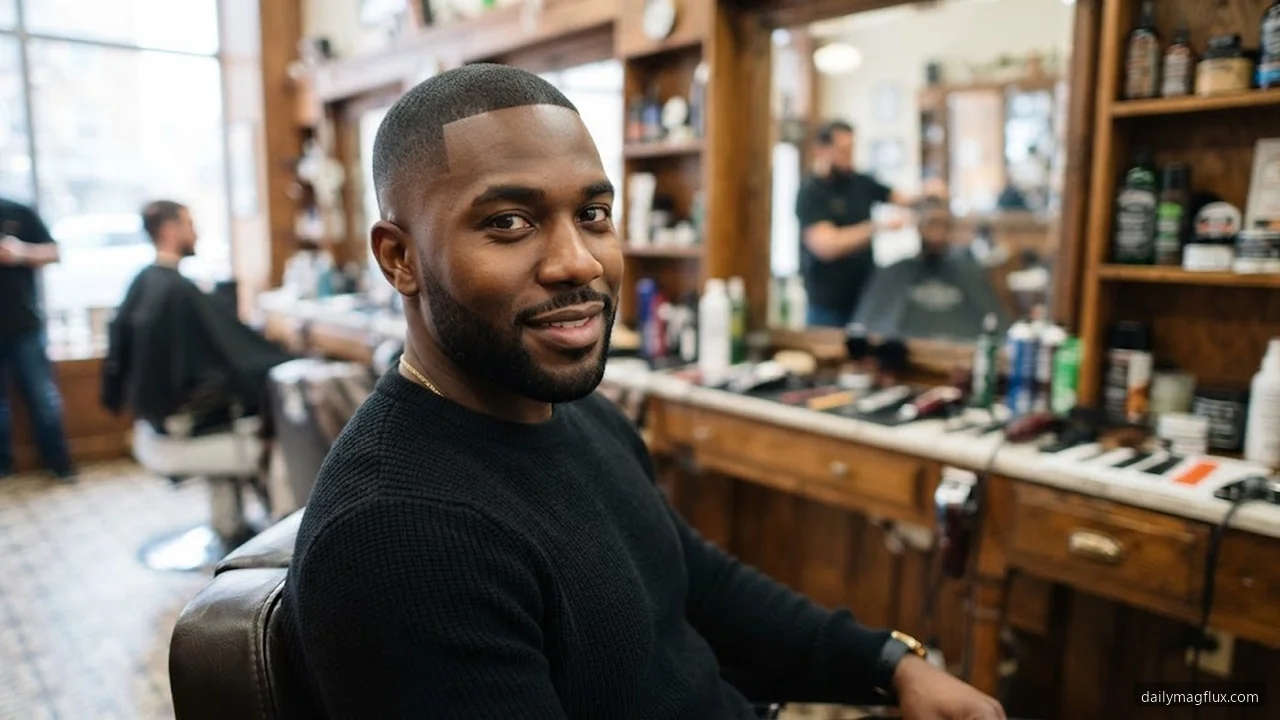
Not every short cut with a taper suits the same head shape and hair type. Coily hair holds a rounded shape, while straight hair lies flat and shows every edge. Your face shape decides how much height you can carry on top. Pick the version that matches the hair you actually have.
Section 6
Modern barbers lean toward a soft blend instead of the hard line that ruled a decade ago. They blend the taper with clipper-over-comb, so no visible step sits above the ear. That softer edge looks tidier as it grows and needs less correction later. You still get a clean finish, just without the drawn-on look.
The squared, razor-sharp nape is giving way to a rounded neckline that follows natural growth. A natural neckline keeps the taper looking deliberate rather than freshly shaved. Barbers now leave a faint shadow at the nape instead of taking it to the skin. That choice suits men who book less often and want a softer outline.
Texture is the other shift, with barbers point-cutting the top instead of running a flat guard over it. A little roughness on top stops a buzz from looking like a helmet. Sea salt spray and a towel rub give that lift without any shine. Straight hair benefits most, since flat hair shows the scalp under strong light.
Grey blending is another request that now travels with this cut. Barbers soften the sides with a slightly lighter tone, so the taper avoids reading as a stripe. That matters most on dark hair, where every clipper mark shows. A soft blend across the temples keeps the whole shape looking intentional.
The cut also fits a low-effort routine, since it needs no blow-dryer or round brush. Two minutes with a damp comb is enough to reset the front. Gym sessions and swimming do not wreck the shape the way longer cuts do. That low demand is why so many men keep coming back to it.
Curly Low Taper Buzz
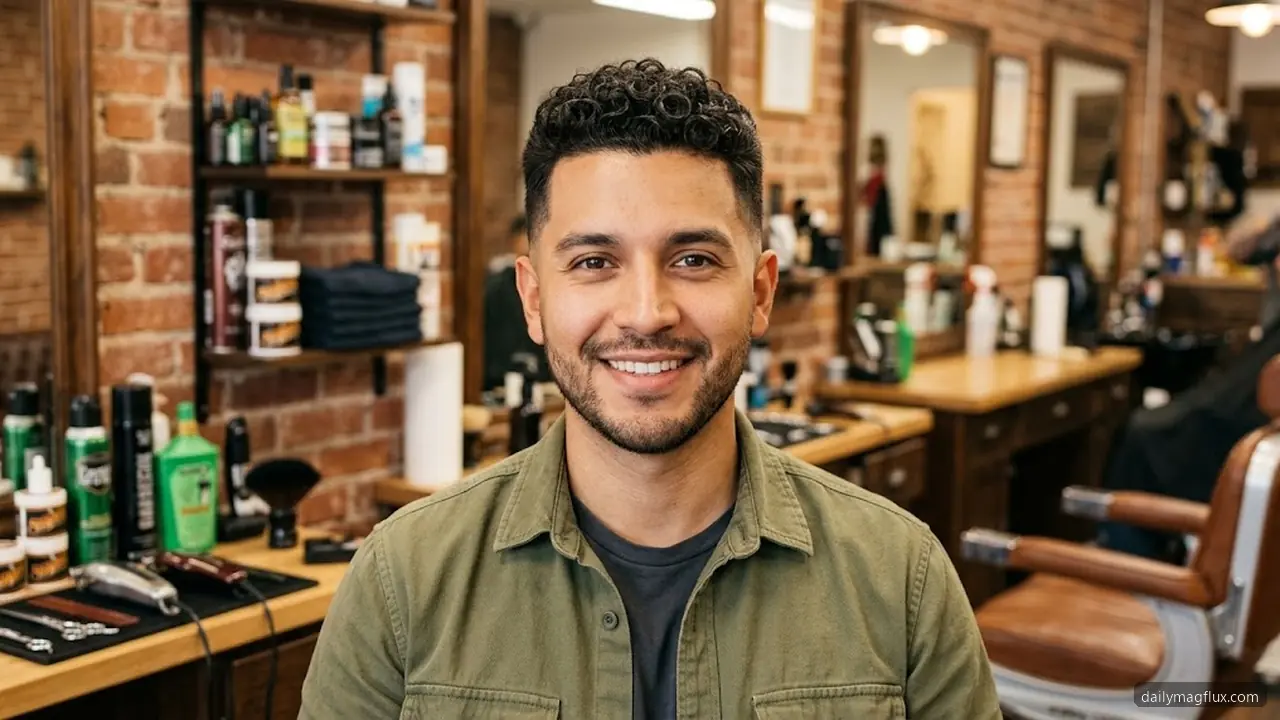
Curls sit on top in a rounded cap that reads as a soft dome from the front. On the sides, the taper follows the hairline down to a short nape. The back stays close, with the curl pattern fading out as it reaches the neckline. Shrinkage hides length, so a #4 guard can look shorter than half an inch.
Oval, square and heart-shaped faces carry this version well because the taper keeps width down. Round faces should skip it, since the curl cap adds volume at the sides. Type 3A to 3C curls hold the shape best, and fine curls need a longer top guard. Ask for a low taper that starts just above the ear.
Barbers cut curls dry when they want the shape to stay predictable. Wet curls stretch and then spring back, which can leave the top shorter than you asked. A dry cut lets your barber see how much the pattern lifts. Ask for the sides to be cut with the grain so the taper stays smooth.
A pea-sized amount of curl cream worked through damp hair defines the top without crunch. Rub it between your palms first, then press it into the curls from the back forward. Leave the sides alone, because product there makes the taper look greasy. A wide-tooth comb sets the front in about thirty seconds.
Book your next visit inside four weeks, because the neckline shows regrowth first. Between cuts, rinse with water and reshape the front with your fingers. Keep the sides clean by asking for a light taper rather than a full fade. That way the curls on top stay the focus of the cut.
Beard-Fade Low Taper Buzz
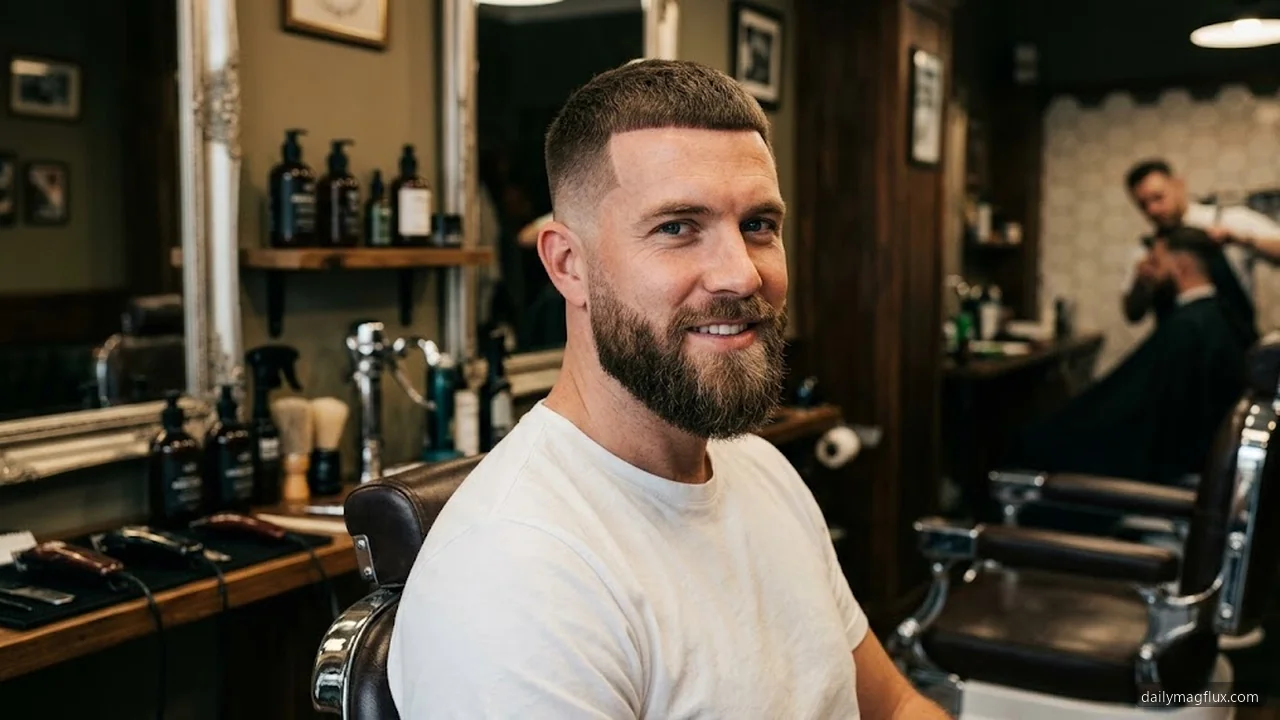
The hair on top sits flat at a #2, which keeps the whole cut lean. Behind the ear, the taper drops into a beard fade that connects hair to beard. The sideburn is blended down rather than squared off, so no gap appears at the jaw. From the back, the neckline stays short and follows the beard’s outer edge.
Heart-shaped and diamond faces gain the most, because a full beard adds weight near the chin. Square faces wear it well too, since the beard fade follows the jaw instead of fighting it. Round faces should keep the beard short and the sides tight to avoid extra width. Straight to wavy hair in medium density holds the top shape best.
Ask for the beard faded from a #0.5 at the sideburn up to a #1.5 where the beard thickens. The hair taper stays low, starting just above the ear and running around the nape. Keep a hard line out of it, because a soft blend hides a patchy cheek. Your barber should fade the beard in the same direction the hair grows.
A dime-sized amount of matte paste gives the top a dry finish with light hold. Beard balm goes on the cheeks and chin to stop the fade looking dusty. Comb the beard downward after the balm so the blend line stays soft. Skip pomade on top, because shine on a #2 cut shows every uneven patch.
Beards grow faster than scalp hair, so the fade line needs a trim every two to three weeks. The buzz on top can stretch a week longer than the beard work. Learn to edge the cheek line at home with a trimmer to save a visit. Keep the neckline tidy between visits with a light trim rather than a razor.
Classic Low Taper Buzz
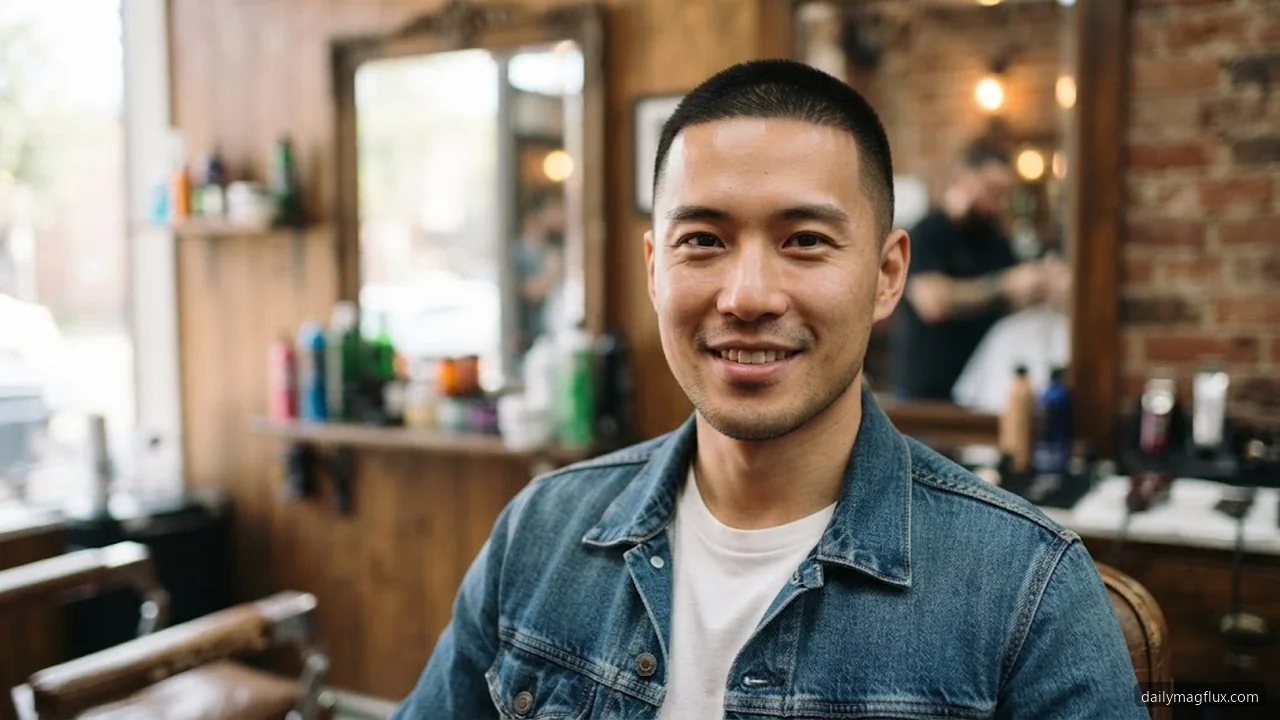
A #3 on top gives this version a little more weight than a skin-close buzz. The taper runs from a #1 at the nape to a #2 above the ear, both cut low. From the front, the hairline is squared with a light line-up rather than a razor edge. The back stays rounded, so the neckline never looks shaved.
Round and triangle faces wear the classic version best, because a low taper keeps some length at the sideburn. That small amount of weight stops the sides from looking pinched against a wide jaw. Oblong faces should keep the top shorter and skip extra height. Straight and wavy hair in fine to medium density suits this cut most.
The barber sets the top guard first, then works the sides down from the temple. Every pass overlaps the last one, which keeps clipper marks from stacking on dark hair. A comb and blade finish the area around the ear where the taper meets the hairline. Ask for the neckline to follow your natural growth instead of a straight line.
A dime-sized amount of light gel gives the top a soft hold without a wet look. Spread it across your palms, then smooth the hair from the crown toward the front. The sides need nothing, since product there makes the taper look darker. If your hair is fine, use half that amount and comb it flat.
Book a touch-up before the taper loses its shape, usually within a month. The nape grows out first, so a quick neck trim can buy you an extra week. Shampoo two or three times a week to keep the top from looking flat. Between visits, a five-minute trim at home keeps the sideburns neat.
Choosing Your Buzz Length: A Clipper Guard Guide
The guard number sets the length left on your head, so it decides how the cut reads. A #1 leaves one-eighth of an inch, which looks nearly shaved on most men. Each full guard number adds another eighth of an inch to the hair you keep. Knowing the scale stops you from asking for the wrong number. See American Academy of Dermatology hair care guidelines for more.
The #0.5 guard sits at one-sixteenth of an inch and works as the base of a soft taper. Barbers use it at the nape so the neckline looks clean without going bald. A #1 at the sideburn keeps a faint shadow that grows out well. Both guards hide regrowth better than a foil shaver would.
Moving up the scale, a #2 leaves a quarter inch and suits most men on the sides. The #3 at three-eighths adds visible weight, which helps a narrow head shape. A #4 at half an inch is the longest most men want on a buzz top. Anything past a #4 starts to look like a short crop instead.
| Guard | Length | Best For |
|---|---|---|
| #1 | 1/8 inch | Base of a soft taper at the nape |
| #1.5 | 3/16 inch | Sideburns that keep a light shadow |
| #2 | 1/4 inch | Sides on most head shapes |
| #3 | 3/8 inch | A buzzed top with visible weight |
| #4 | 1/2 inch | Longest top for this short cut |
Ask for the top guard first and then the taper guards, because the top decides the contrast. If you want a tighter look, drop the top one guard rather than the sides. Going shorter on the sides alone leaves a hard step that no blend can hide. Bring a photo that shows the guard you have in mind.
Fine hair reads shorter than its guard number, so a #2 can look like a #1. Thick, dark hair reads the opposite way and shows every clipper line. Coily hair shrinks as it dries, which hides up to a quarter inch of length. Pick your guard on dry hair if you want a predictable result.
Low Taper Buzz Cut for Straight, Wavy, Curly, and Coily Hair

Straight hair lies flat against the scalp, so the taper edge shows as a clean line. The top holds a flat, even surface at a #2 or #3 guard. Ask for a light texture pass on top, because flat hair shows scalp under strong light. Book every three to four weeks to keep the edge sharp. See Healthline hair health and wellness resources for more.
Waves in the 2A to 2C range add a soft bend that hides the blend line. A #3 top gives the wave room to move without looking messy. The taper should stay low, since waves at the temple add unwanted width. Sea salt spray in the morning lifts the front and keeps the shape.
Curls in the 3A to 3C range spring back after a cut, so plan for shrinkage. A #4 top can look like a #2 once the hair dries fully. Ask your barber to cut the top dry, which keeps the finished shape predictable. Keep the sides tight, because curl volume there widens the head.
Coils in the 4A to 4C range need more length to show their pattern at all. A #4 or #5 on top leaves room for the coil to form a round shape. The taper at the sideburn should stay soft, since a hard edge fights the texture. Moisturize the scalp often, because short coils dry out quickly.
Black men often pair this cut with a sharp line-up and a rounded crown. The taper keeps the sides smooth, which lets the coil pattern on top stand out. A sponge or twist comb gives the top a defined look in about a minute. Ask for the same guard on both sides so the shape stays even.
Whatever your pattern, the taper should match your growth direction at the nape. Cutting against the grain there can leave bumps and small ingrown spots. Ask your barber to work with the grain and blend upward. That small request keeps the neckline comfortable for the whole month.
Best Low Taper Buzz Cut for Your Face Shape
Your face shape decides how much weight the sides can carry. A low taper keeps the sides close, so it flatters most shapes. Taper placement matters more than the guard you choose on top. Read your own shape honestly before you pick a version.
Round faces look narrower when the sides stay tight, so a #1 taper helps. Square faces can take more length at the sideburn, because the jaw is already strong. Oblong faces should skip tall height and keep the taper low. Diamond faces need softness at the temples rather than a tight line.
Heart-shaped faces suit a low taper because it keeps width off the forehead. Triangle faces should avoid very tight sides, which widen the jaw further. Oval faces wear nearly any placement, so pick the version you like best. No single shape needs the same taper height as another.
| Face Shape | Best Taper Placement | Why It Works |
|---|---|---|
| Round | Low, just above the ear | Keeps the sides tight so full cheeks look narrower |
| Square | Low with a longer sideburn | Softens a strong jaw without hiding it |
| Oblong | Very low at the nape | Adds no height, so the face looks less long |
| Heart | Low with a rounded neckline | Cuts width near the forehead and temple |
| Diamond | Low with a soft temple blend | Avoids a tight temple over wide cheekbones |
| Triangle | Low with light side weight | Keeps the upper sides from looking pinched |
Show your barber where your jaw is widest and where your forehead starts. That information tells them where to leave weight and where to blend. A taper placed a half inch too high changes how the whole cut reads. Bring a front and side photo so the shape is easy to judge.
Line-Ups and Shape-Ups: Getting the Edges Right
A line-up squares the front hairline, while a shape-up follows the natural growth there. The front edge frames your face, so a crooked line shows more than a rough taper. Ask for a light line-up if you want the cut to grow out softly. Razor edges look sharpest on the day and roughest two weeks later.
The temple corners are the easiest place for a barber to cut too far back. Once those corners go, the hairline looks higher for the whole month. Ask for the corners to be cleaned, not pushed back. Show the spot with your finger so there is no confusion.
The nape line should follow the way your neck hair grows instead of a straight rule. A rounded neckline looks natural on most men and grows out gently. A squared neckline reads sharper but needs a trim every two weeks. Pick the round shape if you like to book less often.
Sideburns connect the cut to your beard, so their length changes the whole look. Keep them at a #1 to a #1.5 if you are clean-shaven. Grow them out an extra quarter inch if you wear a full beard. Ask for them tapered rather than squared for a softer finish.
Clipper marks show most on dark, thick hair, which needs extra blending strokes. Light or fine hair hides lines but flattens faster at the crown. Ask for a comb-and-blade finish around the ear on dense hair. That step removes the small step a guard alone leaves behind.
Learn to check your own edges in a three-way mirror after the cut. Look for a straight line at the front and an even height on both temples. Speak up in the chair, because fixing an edge then takes ten seconds. Waiting a month means living with the mistake until it grows.
How to Ask Your Barber for a Low Taper Buzz Cut
Say what you want in one clear sentence before your barber picks up the clippers. Name the top guard, the taper height, and the neckline shape you like. A short, specific script gets you closer than a long description. Bring one photo from the front and one from the side.
Tell your barber: “Number two on top. Low taper starting just above the ear.” Add: “Keep the neckline natural. And blend the sideburns into the taper.” If you want a shorter top. Change only the first number you say. Changing both the top and the sides at once makes the result hard to predict.
Photos work better than words when you want a specific edge or blend. Shoot your own head from the front, side, back and crown under good light. Match the photo’s hair type to yours, because coily hair sits differently from straight. A photo of thick hair will not predict your result on fine hair.
Common mistakes include a taper set too high, a pushed-back hairline, and a hard line at the nape. Each one changes the shape for the whole month between visits. Ask your barber to keep the blend soft and the corners untouched. Repeat the taper height once more before the clippers start moving.
If your barber speaks a different word for the same cut, describe the length in eighths. Saying “a quarter inch on top” removes any doubt about the guard number. Most barbers will confirm the number before they begin cutting. That ten-second check saves a month of waiting for regrowth.
Low Taper vs Mid Taper vs Skin Fade
A low taper keeps its work near the ear and neckline, while a mid taper begins at the temple. Height is the main difference, and it changes how the cut grows out. All three can sit on the same short top, so the sides do the work. Pick the height by how often you want to visit the chair.
A low taper keeps some length at the sideburn and nape, which looks softer from the side. A mid taper removes that length and starts the blend at the temple line. A skin fade takes the sides down to a #0 or a foil shaver. The higher the fade, the more contrast you see between top and sides.
Low tapers suit men who want a soft edge and a longer stretch between visits. Mid tapers give a sharper look and still grow out without a hard line. Skin fades look cleanest on the day and need the most upkeep of the three. If you dislike frequent trims, stay low rather than going skin.
Round and heart-shaped faces usually do better with a low or mid taper. A skin fade can leave the sides very tight, which suits a round face’s need for tighter sides. Square faces carry a skin fade well, because the jaw is already strong. Oblong faces should keep the sides fuller, so a low taper fits best.
Upkeep follows the height, since a skin fade shows regrowth in about two weeks. A mid taper reaches three weeks before the blend line softens. A low taper holds its shape for three to four weeks on most hair. Each step up the head costs you roughly one week between visits.
| Feature | Low Taper | Mid Taper | Skin Fade |
|---|---|---|---|
| Starting point | Just above the ear | Temple line | Scalp at the sides |
| Contrast | Soft | Medium | High |
| Upkeep | 3 to 4 weeks | About 3 weeks | 2 weeks |
| Best face shape | Round, heart, oblong | Round, heart | Square |
| Grow-out | Easiest | Moderate | Most visible |
Bring the height you want into the chair as a number rather than a word. Point to where the fade should start with one finger, then say the guard. That combination removes almost every chance of a mismatch in the chair. If you are unsure, start low, because you can always go higher next time.
How to Maintain a Low Taper Buzz Cut
Hair grows about half an inch a month, so your taper edge softens in three weeks. The edge around your ear shows regrowth before the nape does. Book a touch-up before week four if you like a sharp finish. Waiting much longer turns your taper into a plain short cut.
Wash your hair two or three times a week with a mild shampoo. Washing more often strips oil and leaves a short top looking dry. Rinse with cool water to close the cuticle and add shine. A dry scalp flakes more when hair sits this short.
Condition the scalp rather than the strands, because the hair is too short to need it. A light moisturizer stops tightness and itch after a fresh cut. Coily hair needs this step most, since coils dry out quickly. Massage it in with your fingertips for about thirty seconds.
Hats and helmets press the top flat, which shows more on fine hair. Take them off when you can and reshape the top with damp fingers. A towel rub also lifts the front after a hard workout. Sweat dries into the scalp, so rinse well after the gym.
Sun exposure burns the scalp when your hair sits at a #1 or #2. Wear a hat outdoors for long stretches or use a scalp sunscreen. Grey and colour-treated hair looks duller in strong sun without care. A light oil on the scalp keeps it from drying out.
Plan your visits around events, because the cut looks sharpest on days three to ten. Book two weeks ahead if you have a wedding or a photo. A fresh taper looks its tightest right after you leave the chair. Most barbers keep a short slot open for a taper touch-up.
- Touch-up schedule: Three to four weeks keeps the edge crisp, and a neck trim buys extra days.
- Cleaning: Rinse the scalp after workouts, since dried sweat leaves short hair looking dull.
- Moisturizing: A few drops of scalp oil stops itch along a freshly cut nape.
- Product: Use a pea-sized amount of matte paste on the top only, never near the taper.
The Bottom Line
Pick the cut that matches how often you will actually visit the chair. A low taper gives you the longest stretch between visits. A skin fade looks sharper but asks for a trim every two weeks. Choose with your calendar in mind rather than your mood.
Match the top guard to your hair density and its natural pattern. Fine, straight hair reads shorter than its guard number suggests. Thick coils shrink as they dry and need an extra step up. Ask your barber to judge the length on dry hair.
Your face shape narrows the choice further, and the taper height does most of the work. Low tapers keep the sides tight for round and heart-shaped faces. A tighter fade suits square shapes far better. Oblong faces should stay low and skip extra height.
Upkeep is the real cost of this cut, not the price in the chair. A visit every three to four weeks adds up across a full year, so count them first. Home trims on the neckline stretch each visit by about a week. Buy one trimmer and one guard, and you control the edges.
Want More Taper Fade Guides?
A mid taper and a burst fade change the same short top in different ways. A burst fade arcs around the ear and leaves the back longer. A mid taper starts at the temple and reads sharper from the front. Try one of those styles when your taper grows out.
Common Mistakes to Avoid with a Low Taper Buzz Cut
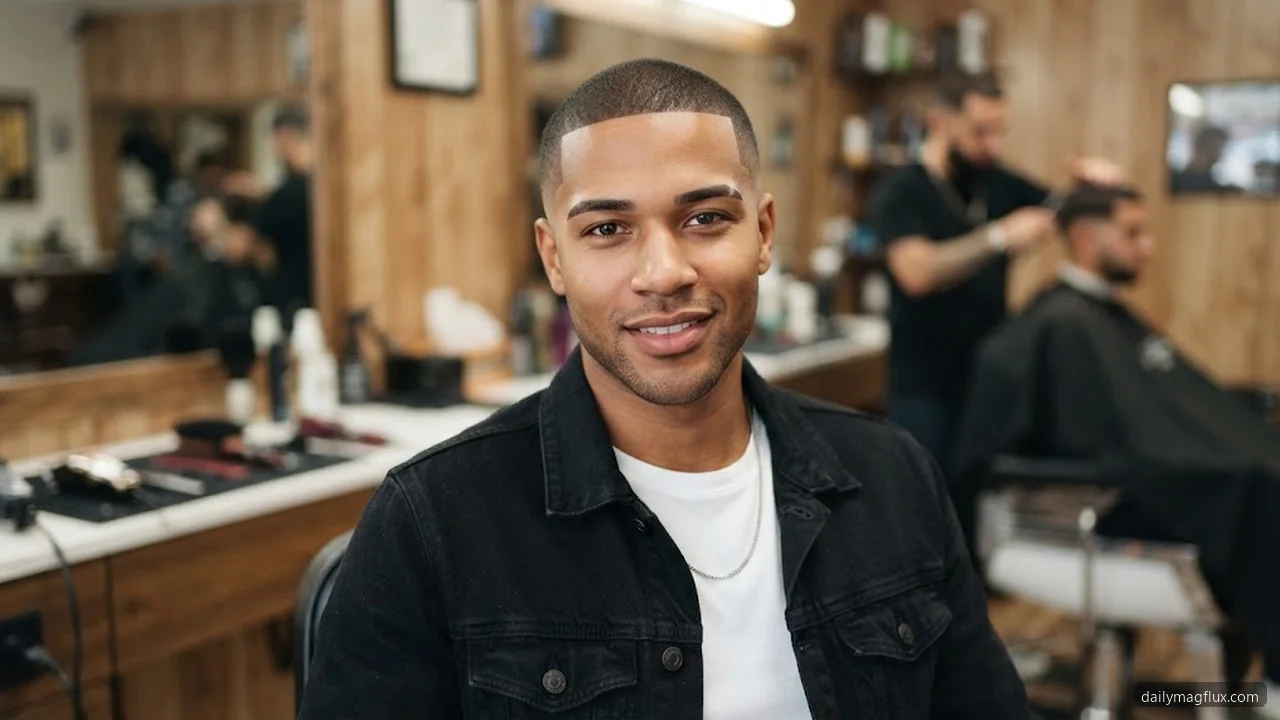
A common mistake is asking for a fade and a taper in the same breath. The barber then guesses which one you want and may cut higher. Say the height and the guard number, and leave the word fade out. Clear, simple words get you the cut you pictured in your head.
Another error is copying a photo of a man with different hair density. Thick, dark hair shows a blend line that fine hair hides. Match the photo’s pattern to your own before you hand it over. Copy the shape and skip the exact guard number.
Frequently Asked Questions
What guard should I ask for with a low taper fade buzz cut?
Ask for a #2 to #3 on top if you want visible length. The taper works well from a #1 at the nape into a #1.5 at the sideburn. Fine hair needs one guard longer than thick hair for the same look. Say your numbers out loud before the clippers start.
Can I get a low taper fade buzz cut with a receding hairline?
Yes, and a low taper suits a receding hairline better than a high fade does. Keep the taper just above the ear and leave the temple corners alone. Ask for a soft line-up rather than a squared one at the front. That keeps the hairline looking natural as it grows.
Does a low taper fade buzz cut work for curly or coily hair?
It works well, because the taper keeps the sides smooth under the curl volume. Cut the top dry so shrinkage does not surprise you later. Type 3 curls suit a #4 top, while 4A to 4C coils need a #4 or #5. A pea-sized amount of curl cream defines the top without crunch.
How often should I get a low taper fade buzz cut touched up?
Plan on a touch-up every three to four weeks to keep the taper crisp. The edge around the ear shows regrowth first, and the nape follows. A quick neck trim at home can stretch one visit by about a week. If you like a sharper finish, book closer to three weeks.
Is a low taper fade buzz cut professional for an office?
It reads as clean and conservative in most workplaces, which is why it stays popular. The short top and soft taper look tidy without drawing attention. Keep the line-up light and the top at a #2 or #3 for the office. Skip a skin fade if your workplace leans formal.
Conclusion
Book this cut if you want short hair with almost no morning routine. Start with a low taper and a #2 or #3 on top, then adjust later. Round and heart-shaped faces gain the most from the soft side blend. The Low Taper Fade Buzz Cut rewards men who keep their visits regular.
In the chair, name your top guard first and point to where the taper starts. Ask for a natural neckline and a light line-up at the front. Come back every three to four weeks so the edges never look grown out. Then book your next visit before you leave the shop.

Harrison Jax is a hairstylist and fashion writer with 10+ years in the industry, holding a Certified Cosmetologist license and a Diploma in Fashion Styling from the London College of Style. He’s contributed grooming and trend guides to GQ India and Vogue Blogs, and currently leads DailyMagFlux’s hair and fashion coverage, blending runway insight with practical, everyday styling advice.