


Low Taper Fade Textured Fringe is a men’s cut with movement on top and short sides. The taper starts just above the ear and neckline, so the sides stay soft. A textured fringe sits forward over the forehead with choppy, piecey ends. Most versions leave two to four inches on top for a clay-styled finish.
Oval and square faces wear it well, and diamond faces gain forehead width. Round faces should ask for height on top and less bulk at the sides. Ask for a #1.5 taper and three inches on top for a soft fringe. Book a touch-up every three to four weeks, since the taper grows out first.
Quick Answer
A Low Taper Fade Textured Fringe keeps the sides short near the ear and leaves length up top. The taper sits low, so the hair above it stays fuller and softer. Most barbers use a #1 to #2 guard and leave two to four inches on top. Expect a touch-up every three to four weeks to keep the edges clean.
Overview of the Low Taper Fade with Textured Fringe
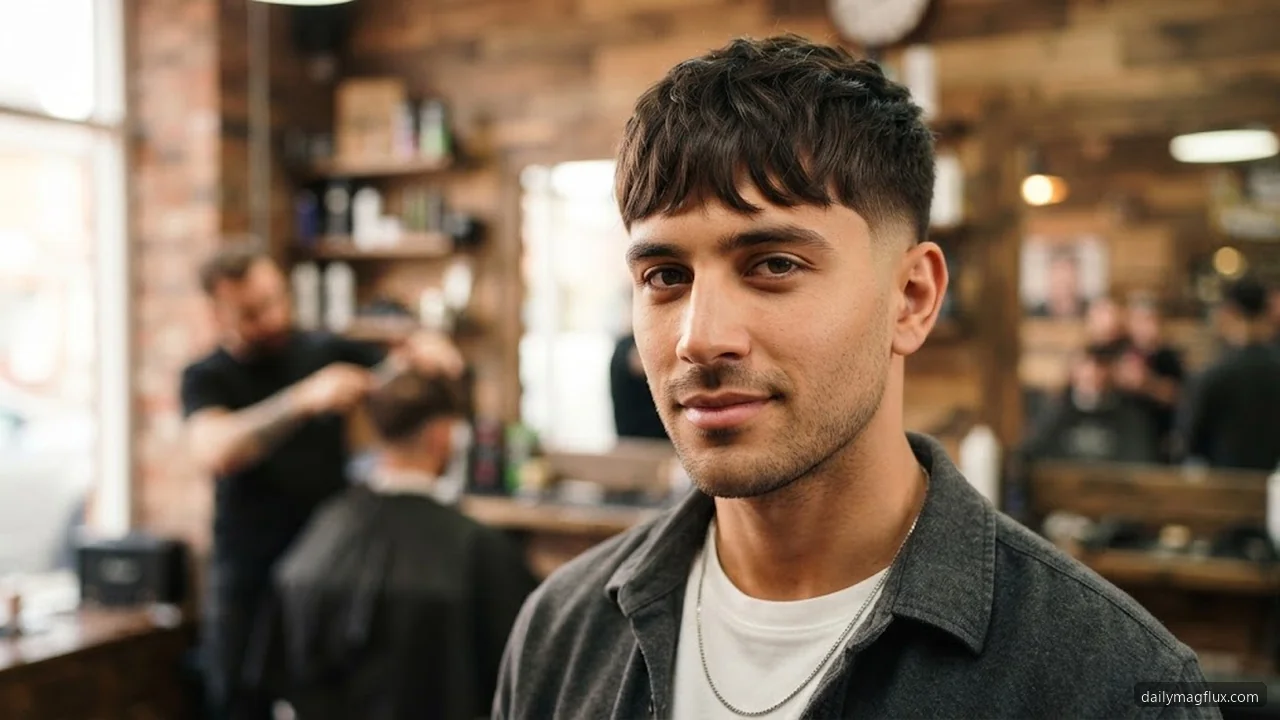
Barbers build this cut from two separate jobs that meet near the temple. The taper shortens only the sideburns and nape, which keeps weight through the sides. A fringe adds length at the front, so the forehead never looks bare.
Texture comes from point cutting, not from a guard, because the top runs past an inch. Your barber chips into the ends so the hair falls into separate pieces. That movement is what stops a fringe from sitting flat and helmet-like.
What Is This Haircut?
Two parts define this shape, and each sits in a different place on the head. The low taper keeps length above the ear, so the sides never go fully skin. A textured fringe is scissor-cut and point-cut at the ends for movement. The result looks tidy at the edges and loose on top.
It differs from a fade because the taper stops short of the parietal ridge. Nothing gets blended up to skin, so you keep weight through the sides and back. That makes the cut softer to grow out than a mid or high fade. Most men ask for it because the shape flatters without daily effort.
- Low taper fade: Shortens the sideburns and nape only, so length stays above the ear.
- Textured fringe: Cut two to four inches at the front, then point-cut so the ends separate.
Textured Fringe with Low Taper
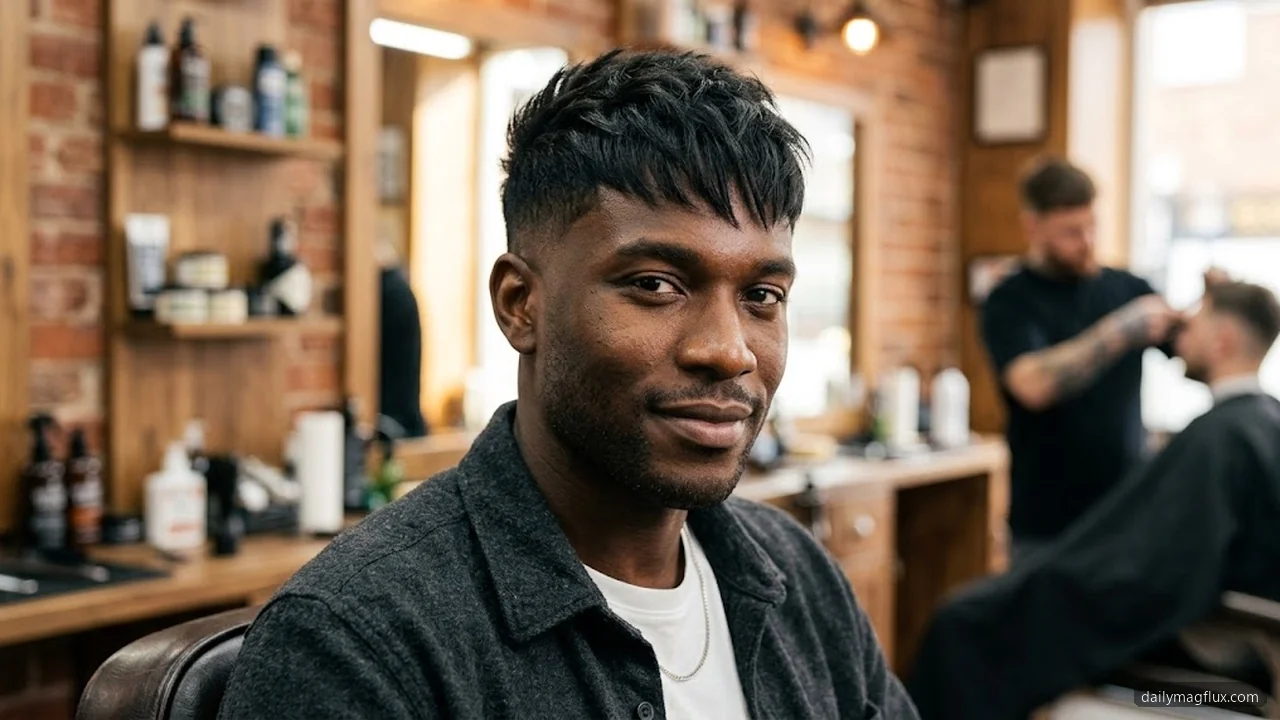
The fringe does the heavy lifting on top, and the taper keeps the outline sharp. Ask for enough length at the front to push forward or sweep sideways. Thin hair needs a lighter fringe, since too much weight shows the scalp.
Thick hair takes a heavier fringe, because point cutting removes bulk without losing shape. Your barber should texturize the ends every visit, not just the first time. Ask for a #1.5 taper and three inches up front if you want soft movement.
Why Is This Haircut So Popular?
It hides a growing-out cut better than most short styles, which is why men keep it. The taper holds its shape for weeks, while the fringe gives you something to style. It also works from a school desk to a wedding, with one change of product. See American Academy of Dermatology hair care guidelines for more.
- Works with different hair types: Straight, wavy and curly hair all hold a fringe with the right cut.
- Suits many face shapes: The forward fringe shortens a long face, while the low taper avoids extra width.
- Easy to style: A dime-sized amount of matte clay through damp hair gives a finished look in two minutes.
- Grows out nicely: Weight above the ear means week five still looks like a real haircut.
Best Low Taper Fade Textured Fringe Hairstyles
Choosing between these cuts comes down to three things you already know about yourself. Your hair type decides how much texture the fringe can hold without falling flat. Your face shape decides how much height or width the top should carry. Your routine decides whether you want a two-minute style or a ten-minute one. See Healthline hair health and wellness resources for more.
Classic Textured Fringe
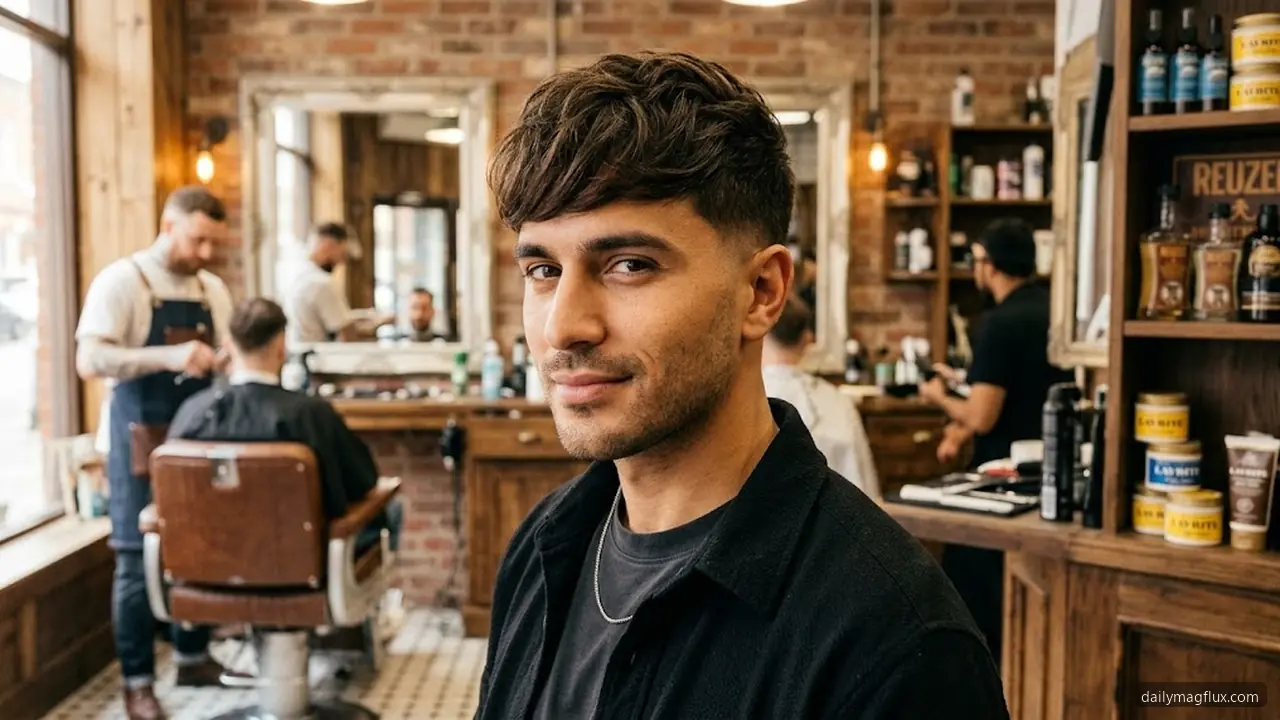
Classic version keeps the fringe forward at brow level with a soft, brushed finish. Ask for a #2 taper at the nape and two and a half inches on top. Oval and square faces wear it best, and straight or wavy hair holds the shape. Use a pea-sized amount of matte clay, and rebook every four weeks.
Messy Textured Fringe
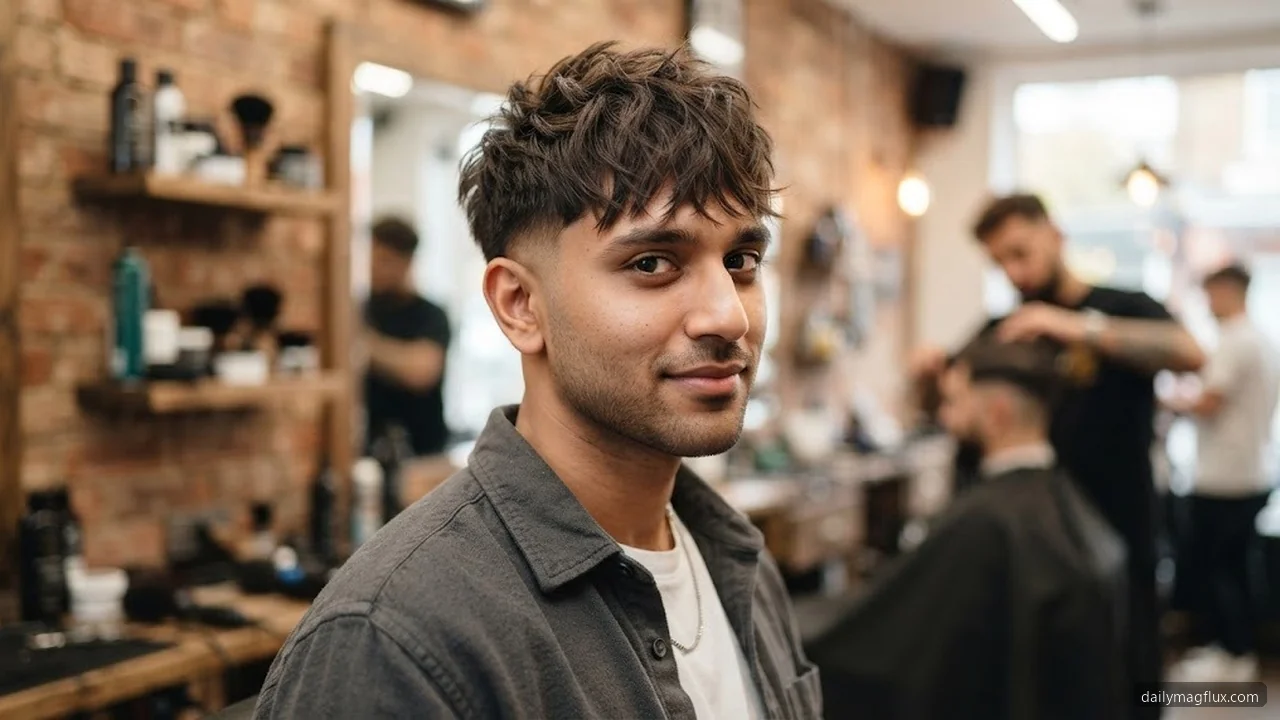
Messy versions sit choppier, with uneven ends falling across the forehead at different lengths. Your barber slide-cuts the fringe instead of cutting it wet and straight. Round and heart faces gain softness from that broken outline, and thick hair holds it well. Work texture paste through dry hair, then touch up the taper every three weeks.
Short Textured Fringe
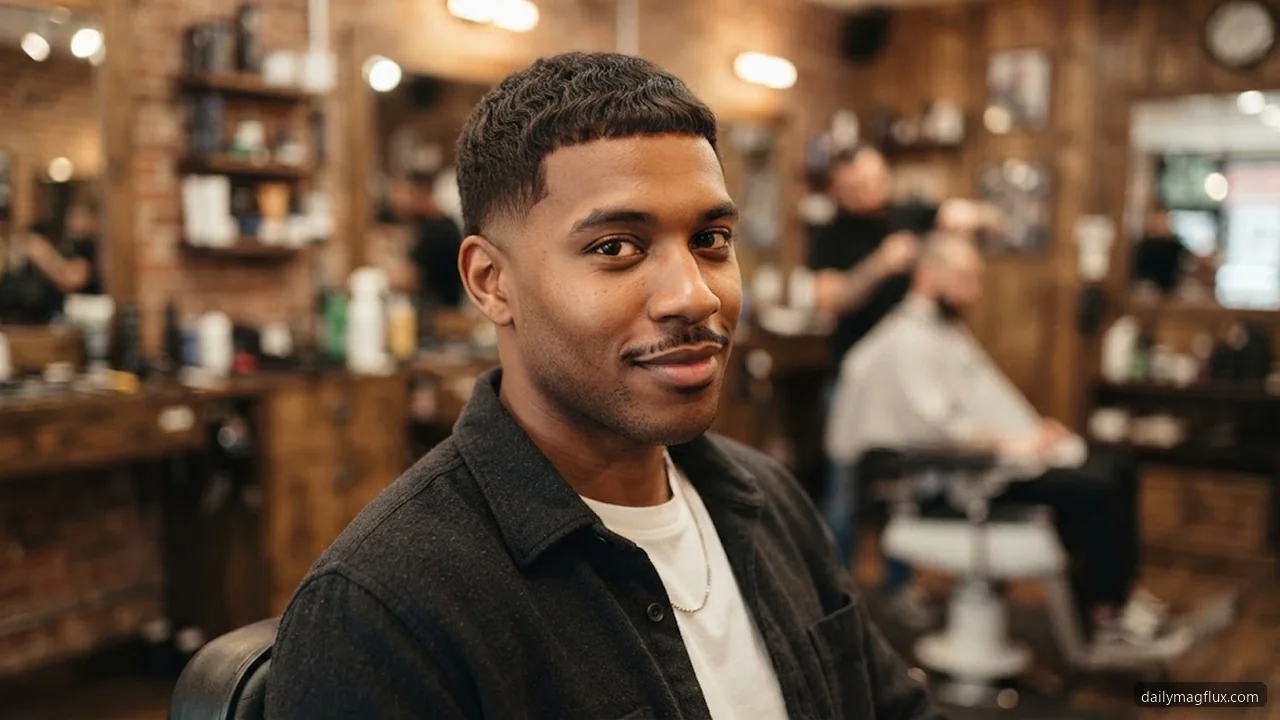
A short fringe stops above the brow, so it reads cleaner and needs less product. Ask for a #1 taper and an inch and a half of choppy top. Oblong and triangle faces suit it, since a shorter front balances the head. Use a pea-sized amount of matte clay, and rebook every three weeks.
Long Textured Fringe
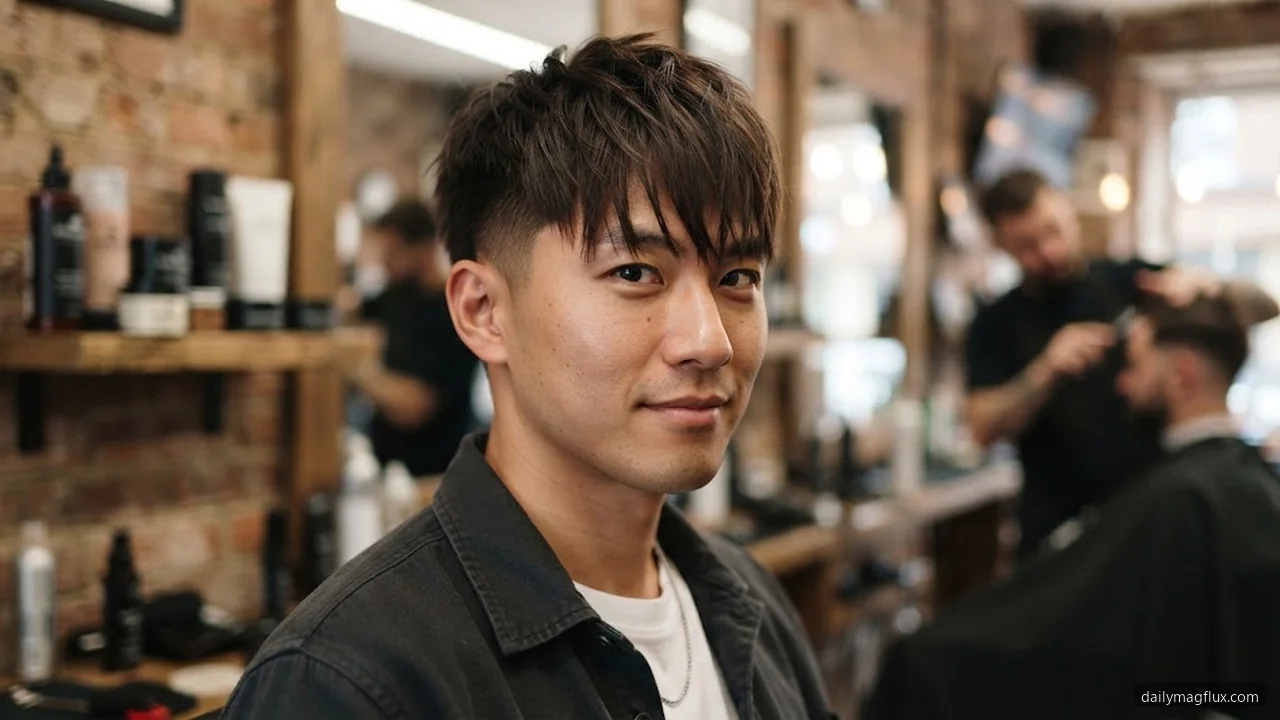
Long versions push past the brow, and they can be swept or parted for drama. Ask for three and a half inches on top and a #2 taper that stays low. Heart and oval faces carry the extra length without looking heavy. Sea salt spray adds grit, and the taper needs a touch-up every four weeks.
Thick Hair Textured Fringe
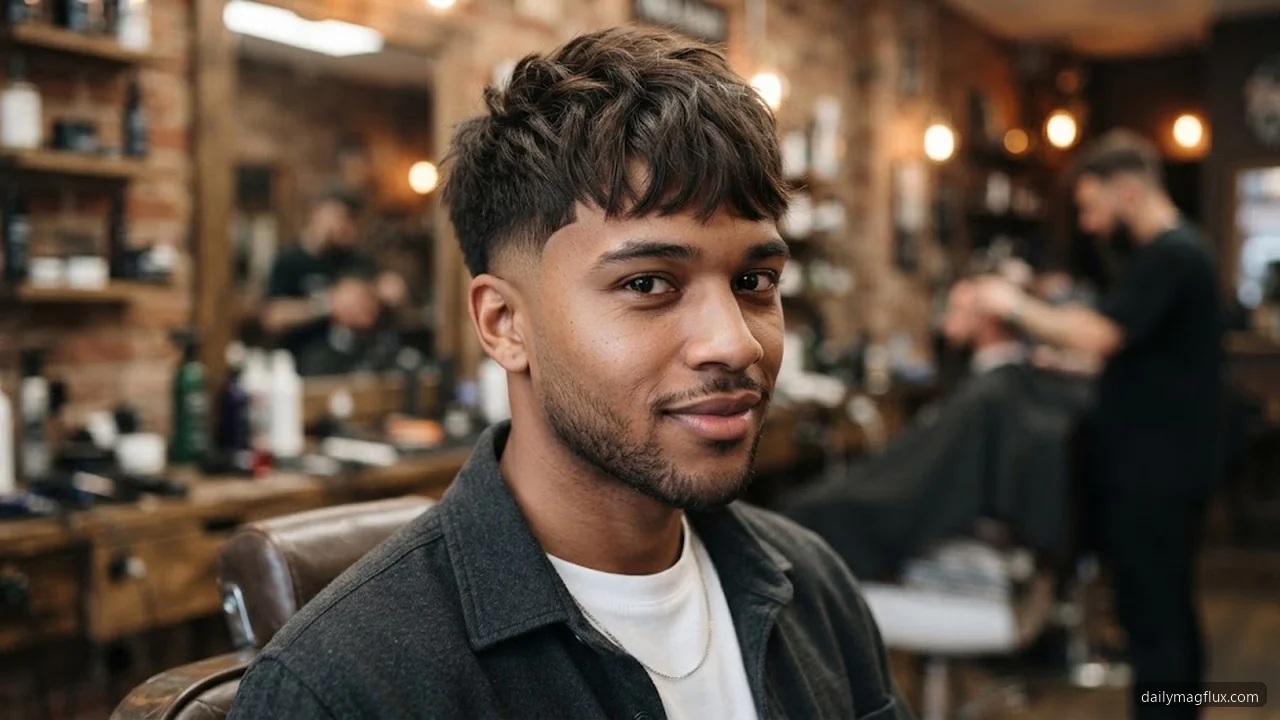
Dense hair needs weight removed before it needs length, or the fringe sits like a slab. Your barber should thin the ends with a razor or thinning shears. A #1.5 taper and three inches on top keeps the sides from bulging. A pea-sized amount of matte clay and a four-week trim protect the shape.
Wavy Textured Fringe
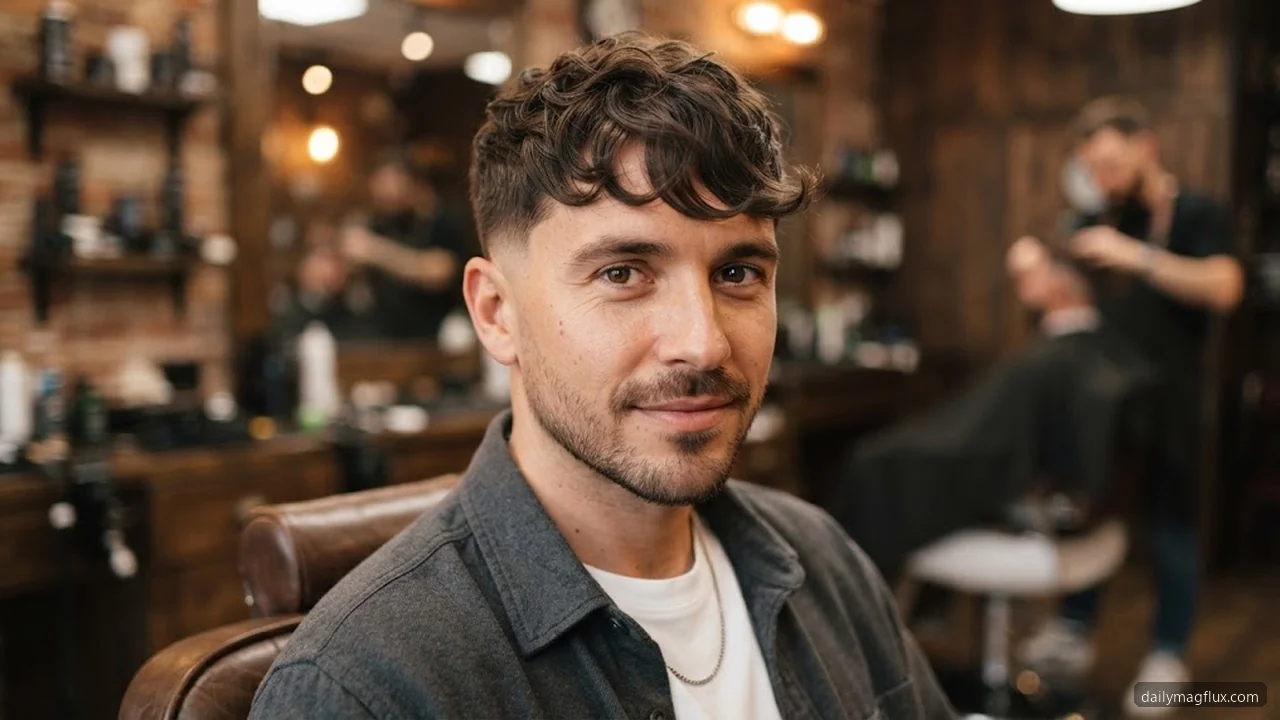
Waves in the 2A to 2C range give a fringe natural break, so it needs little coaxing. Ask for three inches on top and a #2 taper, cut dry so the wave sits right. Diamond and square faces suit that loose front, which softens a strong jaw. Curl cream, dime-sized, defines the wave, and touch-ups come every four weeks.
Curly Textured Fringe
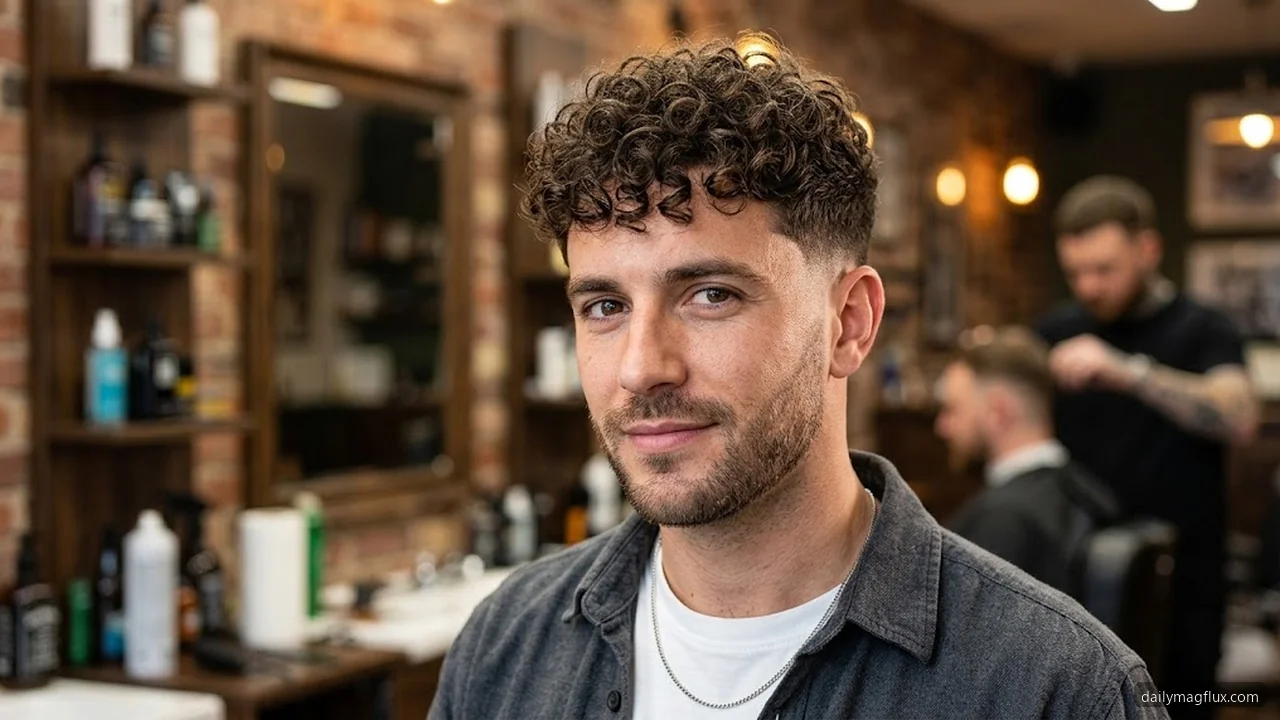
Curly fringes, from 3A to 3C, sit forward as a soft mass rather than a flat sheet. Your barber should cut them dry, curl by curl, and leave three inches on top. Round and triangle faces suit the top volume, which balances a wider jaw. Use curl cream and a #1.5 taper, with a trim every four weeks.
Asian Textured Fringe
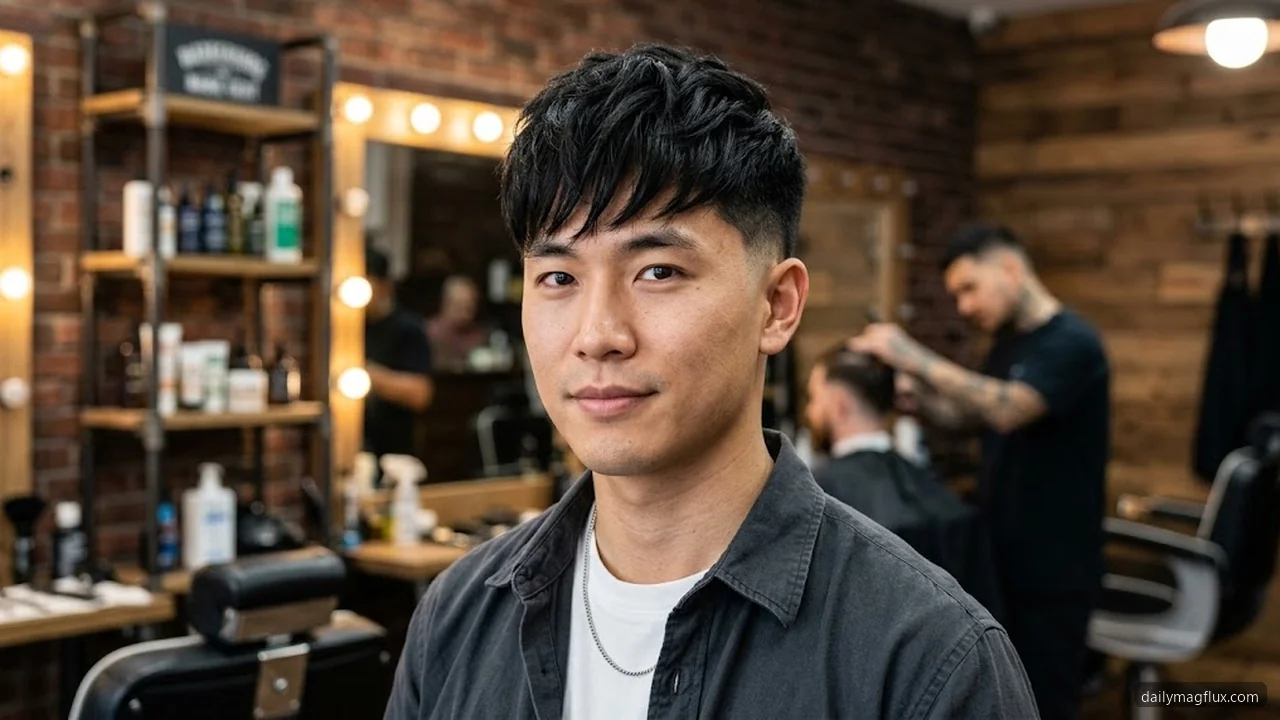
Straight, dense hair grows forward easily, so the fringe holds a clean line. Ask for a #1 taper at the nape and two to three inches on top. The barber should point-cut the ends to stop them looking blunt. Use a pea-sized amount of matte paste, and rebook every four weeks.
French Crop Textured Fringe
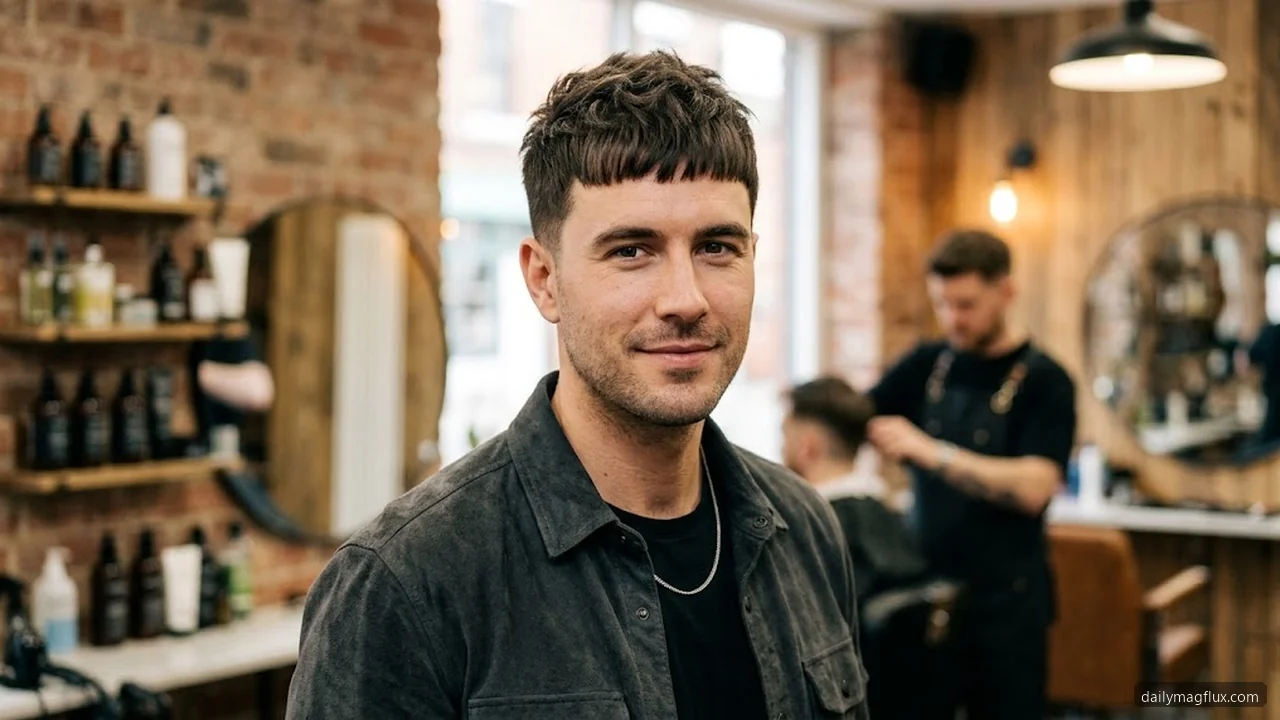
A French crop keeps the fringe short and blunt across the forehead with tight sides. Ask for a #1 to #2 taper and an inch and a half of textured top. Square and oval faces suit the clean line, and straight hair holds it best. Use a pea-sized amount of matte clay, and book a touch-up every three weeks.
Side-Swept Textured Fringe
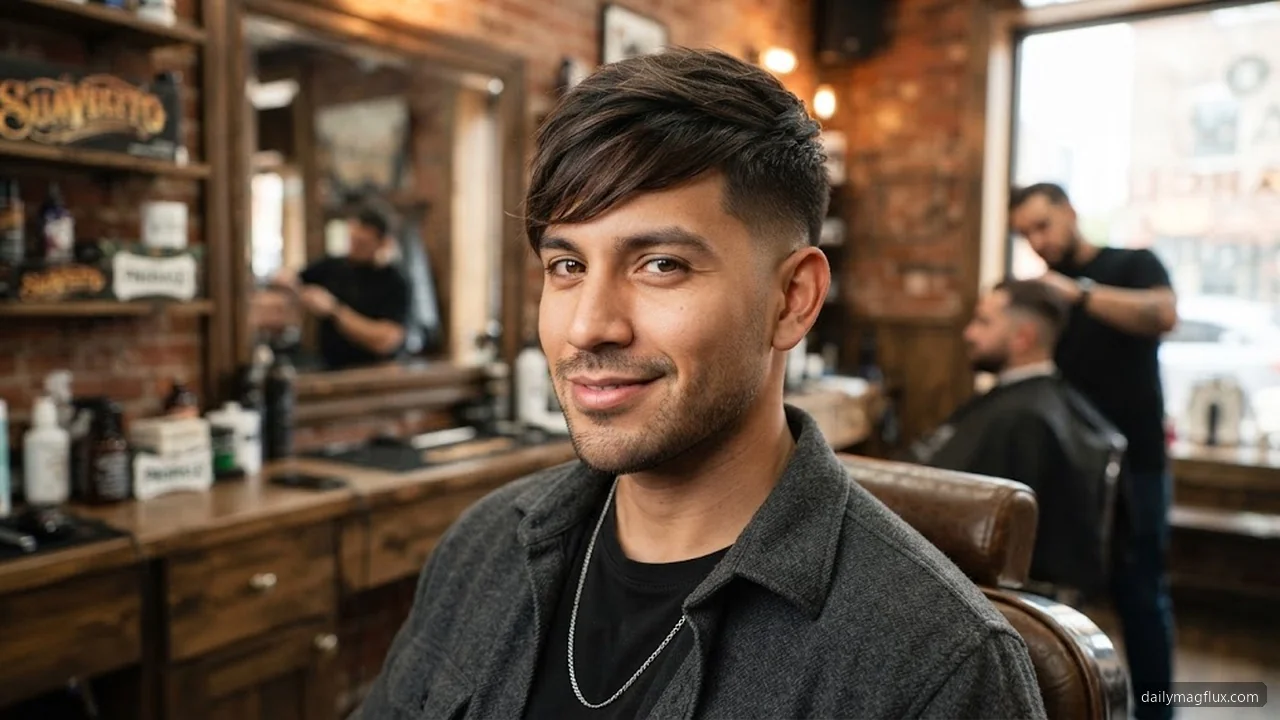
Side-swept versions part off-center, so the fringe crosses the forehead on a diagonal. Ask for three inches on top and a #2 taper, with the heavy side left longer. Diamond and heart faces gain temple coverage from that sweep. Blow-dry it sideways, set it with light paste, and rebook every four weeks.
Spiky Textured Fringe
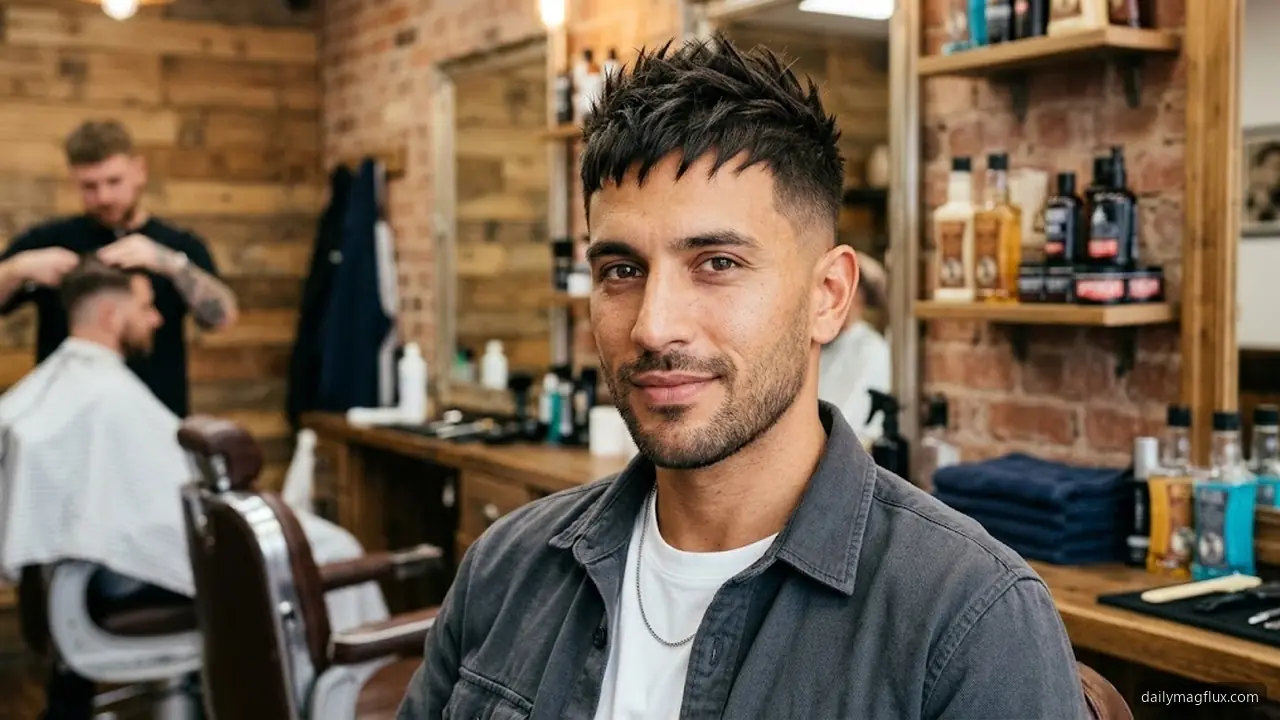
Spiky fringes push up and forward instead of lying flat, which adds height fast. Ask for two inches on top and a #1 taper that stays close at the ear. Oblong faces should skip this one, since the lift makes a long face longer. Use matte clay with a strong hold spray, and trim every three weeks.
Fluffy Textured Fringe
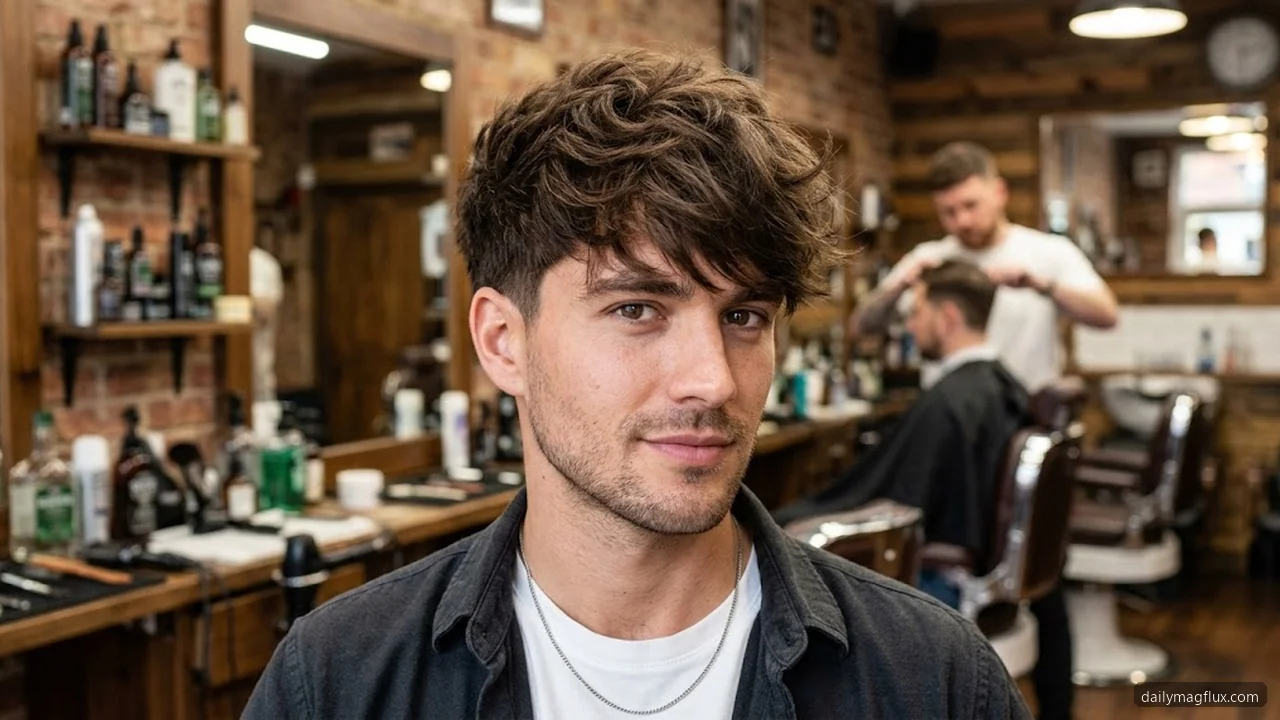
Fluffy fringes look airy and light, with ends that curl up instead of pointing down. Ask for three inches on top and a #1.5 taper blended low. Fine and medium hair fluff up best, and oval or heart faces wear the softness. Sea salt spray, four to six sprays, and a trim every four weeks.
Textured Fringe with Beard
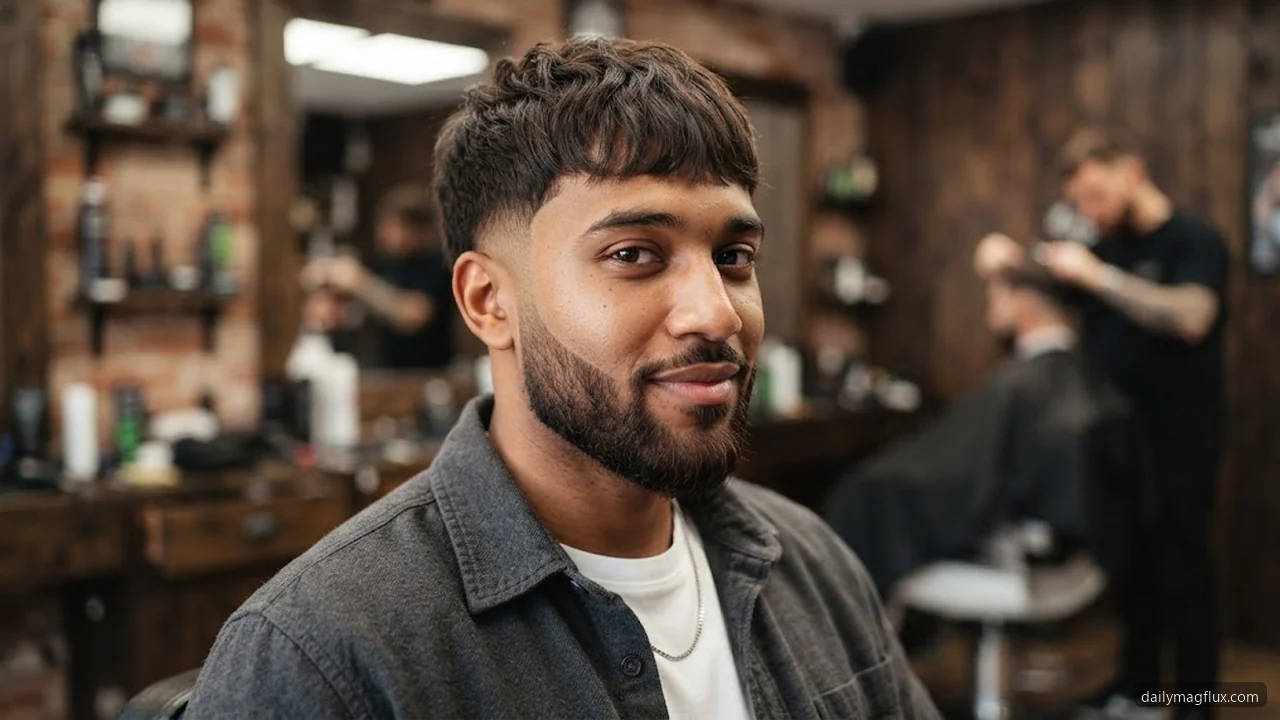
A beard changes the balance, so keep the fringe shorter than the facial hair. Ask for a #1.5 taper at the nape and two inches of choppy top. Square and diamond faces suit the pairing, because the beard adds weight at the chin. Use a dime-sized amount of matte paste, and rebook every four weeks.
Modern Textured Fringe
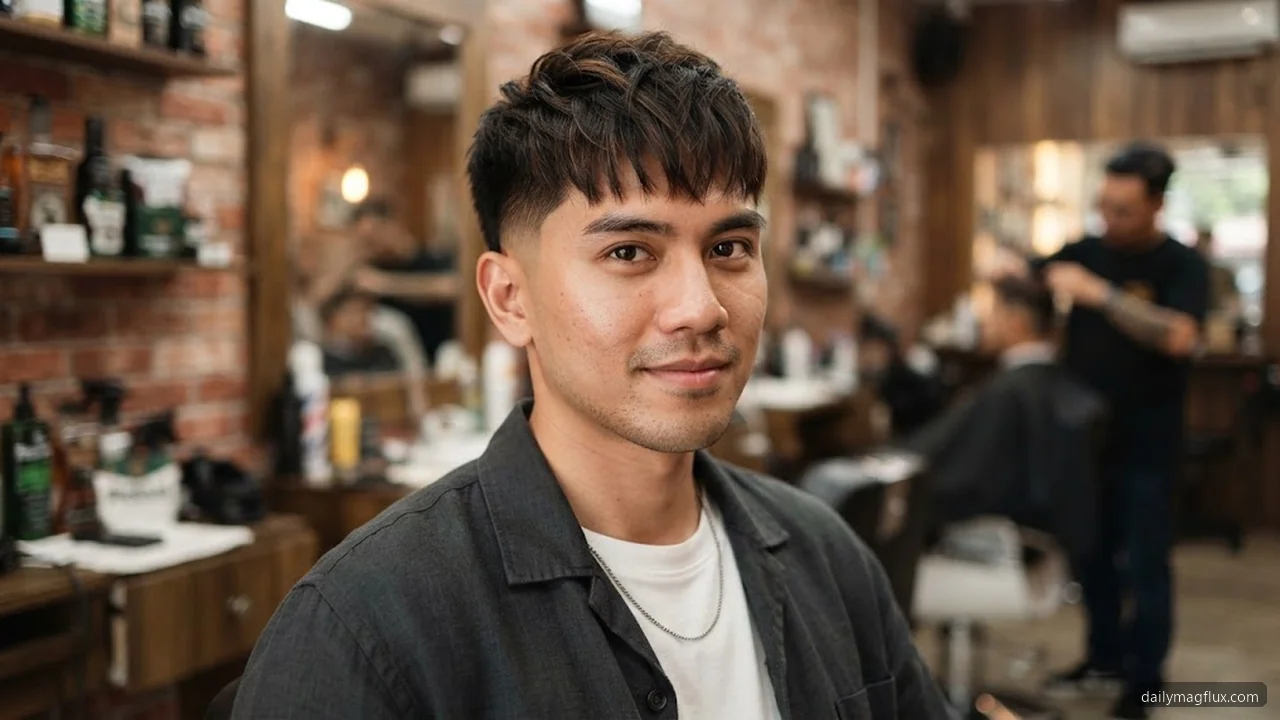
Modern versions leave the taper soft and let the fringe fall in a loose curtain. Ask for a #1 taper at the sideburns and three inches on top. Oval and heart faces wear it easily, and medium-density hair holds the shape best. Blow-dry forward, then set the fringe with light paste and book every four weeks.
Textured Fringe with Undercut
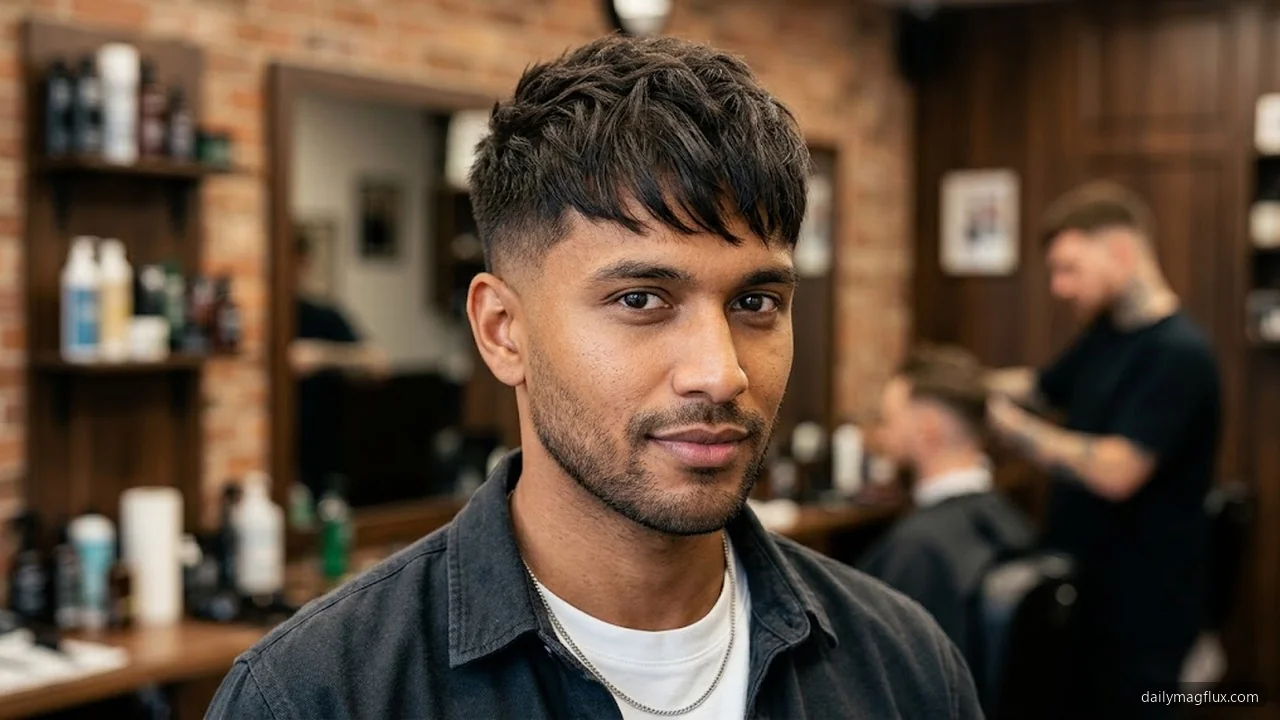
An undercut disconnects the sides instead of blending them, so the fringe sits on a hard shelf. Ask for a #2 on the sides with a visible line, and leave three inches on top. Square faces carry the sharper outline, and straight hair with medium density looks fullest above the line. Style with matte clay, then touch up the sides every three weeks to keep the line clean.
Textured Fringe with Line Up
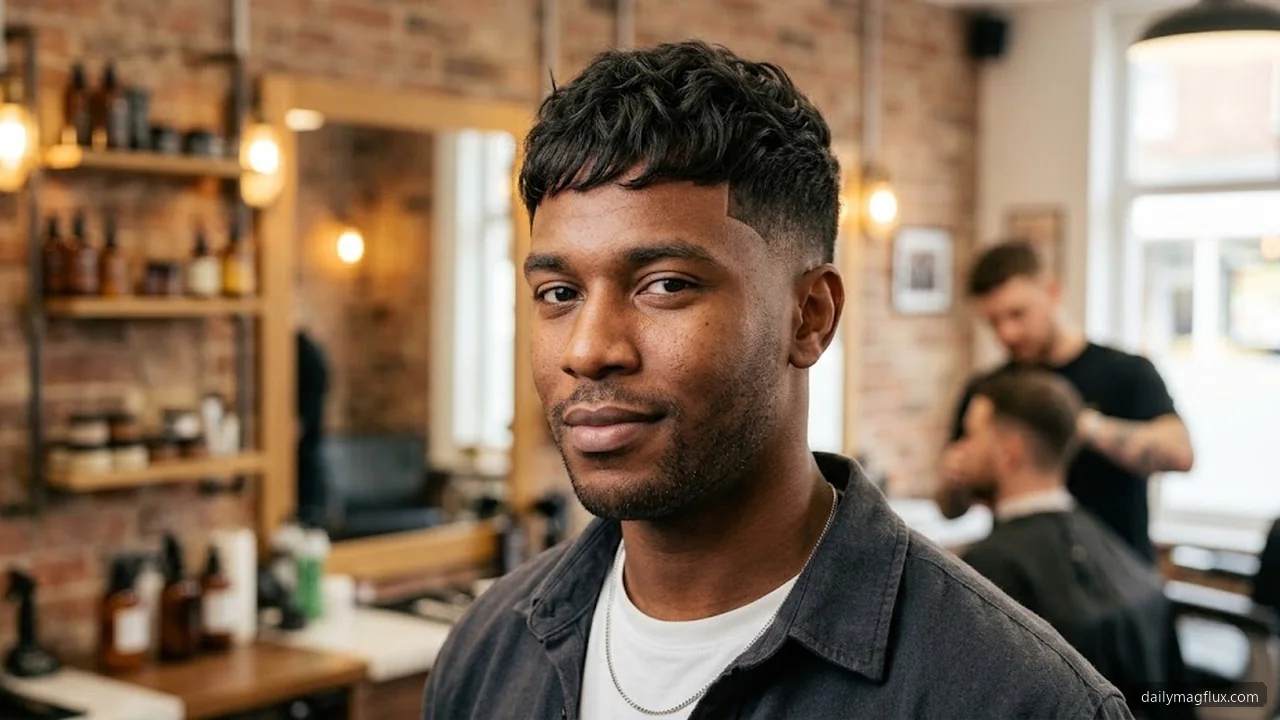
A line up sharpens the hairline, so the fringe begins at a crisp, straight edge. Ask for the line with a trimmer, plus a #1.5 taper and two and a half inches on top. Square and diamond faces suit the sharp edge, and thick dark hair shows it best. Set the fringe with matte clay, then rebook every three weeks before the line blurs.
Textured Fringe with Middle Part
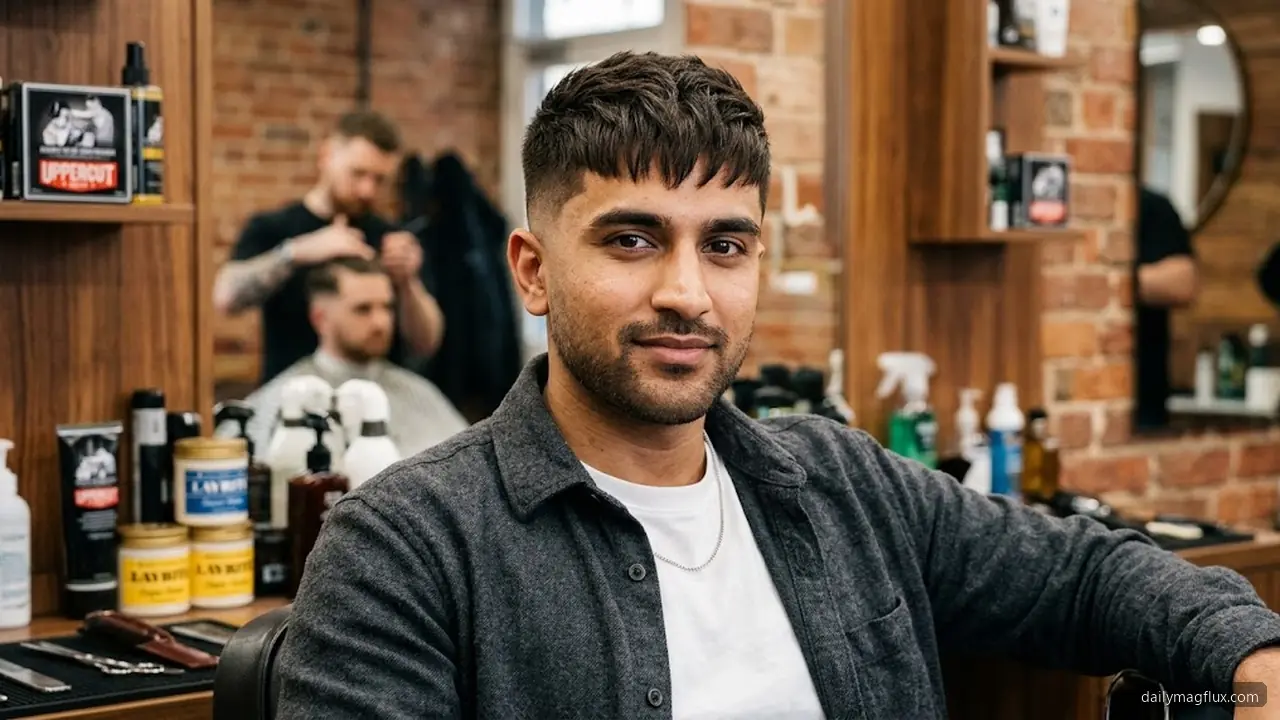
A middle part splits the fringe into two curtains, which opens the forehead and softens the face. Ask for a #2 taper at the nape and three inches on top, cut with a center guide. Square and oval faces suit the open center, while 2A to 2C waves fall into place easily. Blow-dry each side outward, finish with light paste, and trim every four weeks.
Bald Fade Textured Fringe
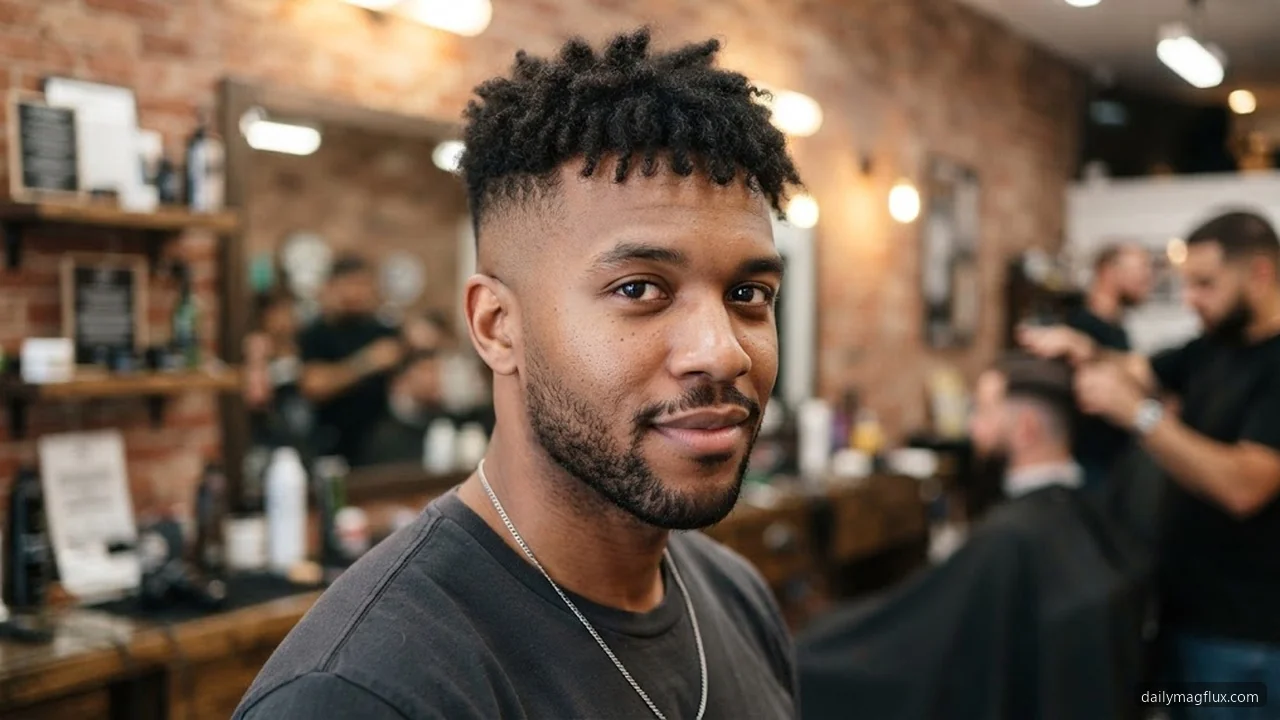
A bald fade takes the sides and back down to skin with a foil shaver. The hair above stays full, so the cut reads sharper than a standard taper. Oblong and square faces suit that clean edge, and wavy or straight hair works well. Expect a touch-up every two to three weeks, since skin shows regrowth fast.
Drop Fade Textured Fringe
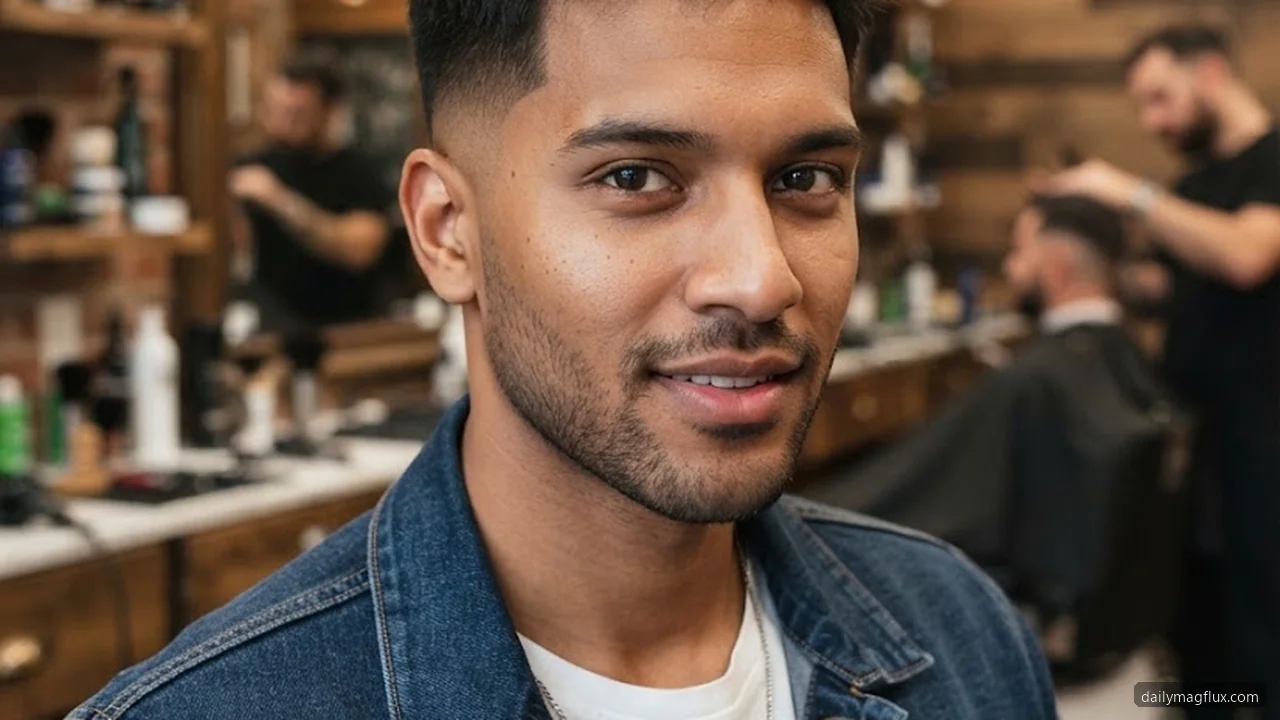
The drop shape curves down behind the ear, which leaves more length at the back. Ask for a low drop fade and three inches on top with a choppy fringe. Round faces gain a slimming effect, and thick hair blends well along the curve. Keep it sharp with matte clay, and rebook every two to three weeks.
How to Maintain This Cut
- Wash frequency: Rinse and condition every two to three days, since daily washing strips oils from the fringe.
- Product choice: Matte clay or paste in a pea-sized amount keeps the fringe textured without a heavy shine.
- Blow-dry technique: Towel the hair first, then dry the fringe forward on low heat with a vent brush.
- Fringe trimming: Ask your barber to dust the ends at week two, since the fringe hides the taper growing out.
Which Face Shape Suits This Style?
Oval and square faces wear a textured fringe over a low taper fade with almost no adjustment at all. Square faces benefit most, because the textured fringe softens a broad, angular jaw while the sides stay tight. That leaves round faces needing extra height on top and flat sides, so the cut never widens the cheeks.
Oblong faces look better with weight kept at the sides and a fringe worn forward to shorten length. Heart and diamond shapes suit a fuller fringe at the temples, which keeps the forehead from looking wide. Triangle faces want volume at the upper sides and top, which balances a jaw wider than the forehead.
| Face Shape | Best Variation | Guard / Length |
|---|---|---|
| Oval | Side-swept textured fringe | #2 taper, 3 inches on top |
| Square | Forward textured fringe | #1 taper, 2 inches of fringe |
| Round | Taller textured top | #1 taper, 2.5 inches on top |
| Oblong | Weight kept at the sides | #2 taper, 1.5 inches on top |
| Heart | Fuller fringe across the temples | #1 to #2 taper, 2 inches of fringe |
| Diamond | Soft temple line with fuller fringe | #1 taper, 2 inches on top |
| Triangle | Volume at the upper sides | #1 to #2 taper, 2 inches on top |
Frequently Asked Questions
What should I tell my barber for a low taper fade textured fringe?
Tell your barber: low taper at the sideburns and nape, #1.5, three inches on top. Ask for a point-cut fringe with choppy ends and a natural neckline. Bring two photos, one from the front and one from the side. Say you want soft movement, not a flat, blunt fringe.
How long does this haircut take to grow out?
The taper loses its shape first, usually around week three or four. Hair grows about half an inch a month, so the fringe drops past the brow by then. Most men can stretch to four weeks before the cut looks overgrown. At that point you are back to a full scissor cut.
Can a receding hairline wear a textured fringe?
Yes, as long as the fringe moves forward and covers the temples. Ask for a slightly longer front and a soft side sweep, which hides the corners. Skip spiky or swept-back styles that expose the recession line. A mid taper also helps by keeping the sides tight.
Which styling products work best for a textured fringe?
Matte clay and paste give texture with no shine, which suits a choppy fringe. Use a pea-sized amount and work it from the ends upward. Sea salt spray adds grit to fine hair before you blow-dry. Curl cream defines a wavy or curly fringe without any crunch.
Is this cut appropriate for a professional office?
It works in most offices once the fringe is kept neat and off the eyes. Ask for a shorter fringe around an inch and a half for a cleaner look. Keep the taper tight and skip heavy product so the finish stays natural. A side-swept version reads more formal than a messy one.
Conclusion
Book this cut if you want movement on top and a soft edge at the sides. Start with the classic version, then ask for a shorter fringe if you need a cleaner look. Round faces should keep the sides tighter and the top taller. Fine hair suits lighter texture, while thick hair needs weight removed.
In the chair, ask for a #1.5 taper, three inches on top, and a point-cut fringe. Bring a front and side photo so your barber sees the exact finish you want. Return every three to four weeks to keep the taper sharp. That routine keeps your Low Taper Fade Textured Fringe looking deliberate between visits.

Harrison Jax is a hairstylist and fashion writer with 10+ years in the industry, holding a Certified Cosmetologist license and a Diploma in Fashion Styling from the London College of Style. He’s contributed grooming and trend guides to GQ India and Vogue Blogs, and currently leads DailyMagFlux’s hair and fashion coverage, blending runway insight with practical, everyday styling advice.