

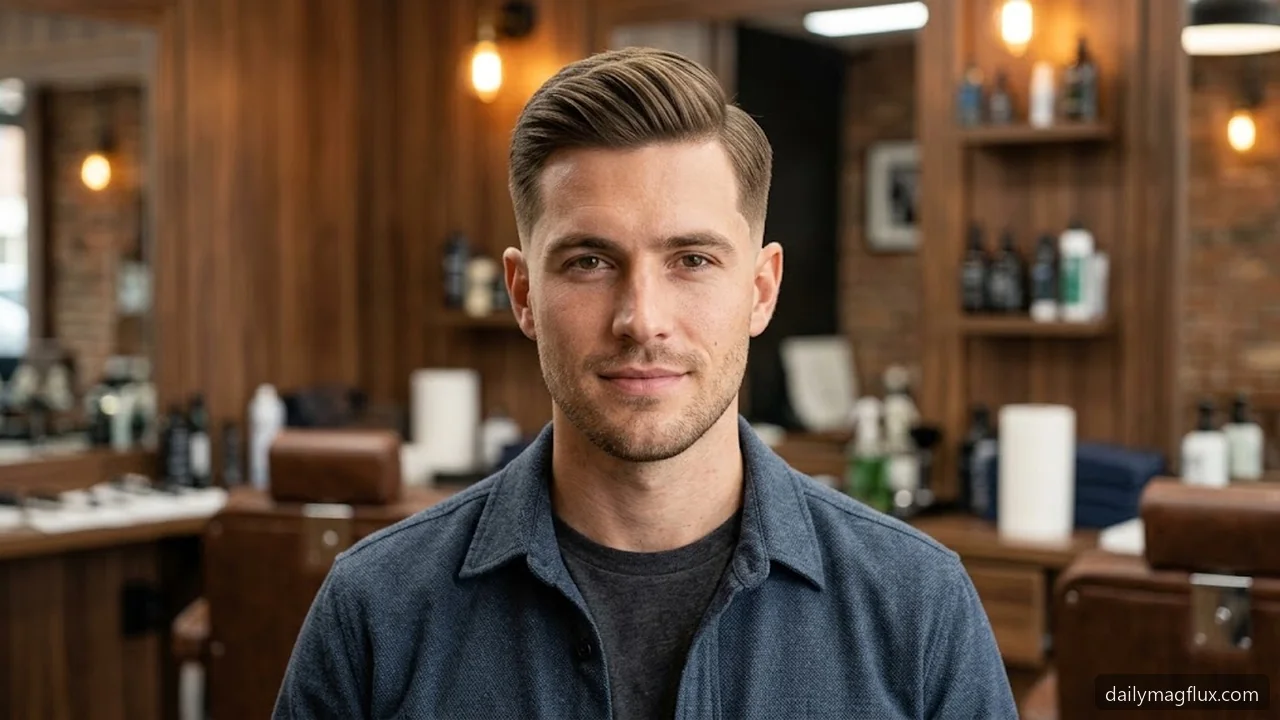
The Low Taper Fade Haircut for Straight Hair blends the sideburns and neckline smoothly down to the skin. It preserves healthy bulk and natural weight through the upper sides. This tailored cut gives naturally flat strands instant definition and strong shape. It also frames your perimeter neatly without exposing excess scalp.
This precision cut flatters oval and square face shapes by maintaining proportional width across the temples. Men with fine or dense straight locks gain clean movement without dealing with awkward cowlicks. You only need a quick clipper cleanup every three weeks to maintain the crisp edges. It remains an exceptionally versatilechoice for any daily routine.
What Is a Low Taper Fade Haircut for Straight Hair?
A straight hair low taper fade blends the lowest points of the hairline into skin. See classic hairstyle traditions for more.
Why Straight Hair Perfectly Complements a Low Taper Fade
Straight strands naturally lay flat against the skull, making gradient transitions look exceptionally sharp. A low taper straight hair male cut avoids awkward bulk around the ears while preserving weight on top. The clipper work creates a smooth blend from bare skin into denser hair. This structure gives smooth textures a sharp, intentional shape every day.
Fine or pin-straight strands often look limp when cut at one single length. Adding a gradual graduation at the temples and neckline breaks up that flat appearance immediately. The subtle contrast emphasizes hair density on top without exposing the scalp too aggressively. As a result, the silhouette remains balanced and clean from every viewing angle. See Encyclopaedia Britannica grooming history for more.
Straight textures also offer unmatched styling flexibility when paired with clean tapered edges. You can brush your hair forward into a fringe or part it down the center. Because the perimeter stays tight, the bulk above the parietal ridge never flares out. This clean separation gives your daily comb or brush routine total control and definition.
Finally, this clipper style grows out cleaner than harsh disconnected cuts or high fades. As your straight hair grows over several weeks, the transition remains soft and natural. You avoid the bristly, puffy stage that often plagues blunt scissor perimeter trims. It reliably keeps your overall style sharp while extending your time between barber visits.
Low Taper Fade vs. Low Fade vs. Classic Taper: Key Differences
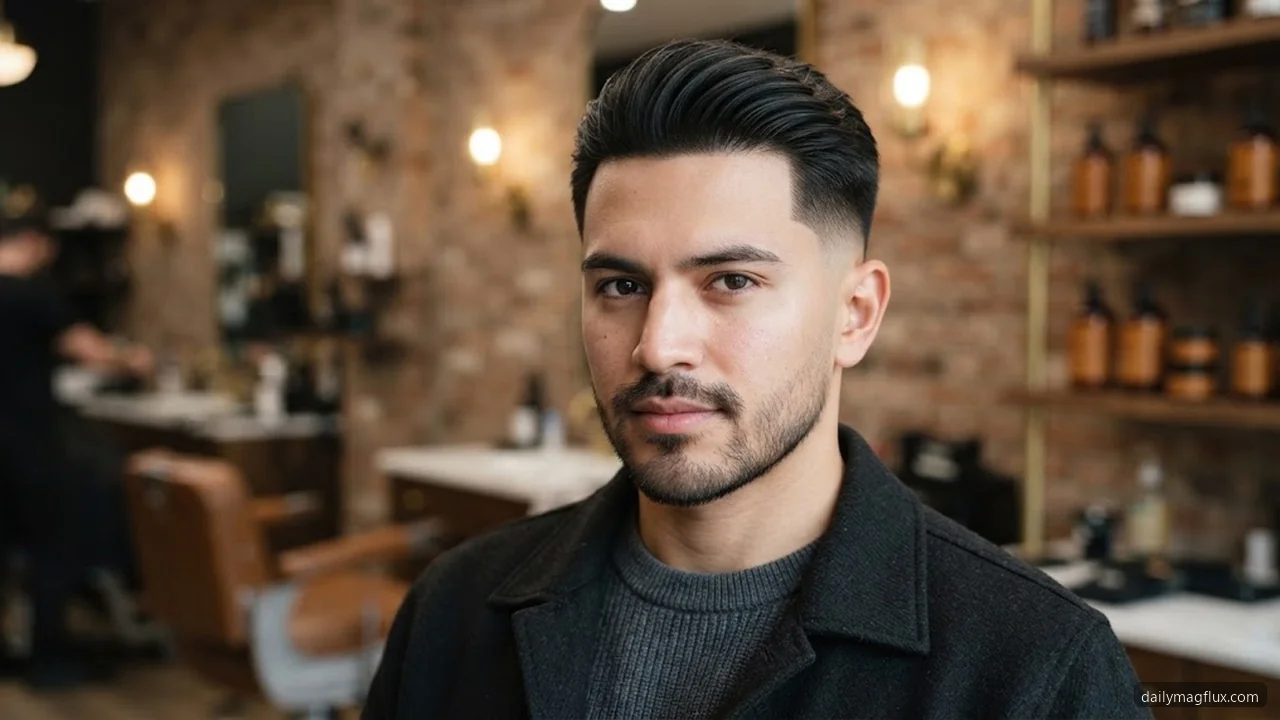
Choosing the right haircut requires understanding how each technique handles perimeter hair weight and skin exposure. When comparing a taper fade vs low fade straight hair profile, placement defines the silhouette. A taper confines blending to the sideburns and nape. In contrast, standard fades travel continuously around the skull, creating distinct perimeter contrasts across straight strands.
The low taper fade isolates blending strictly to the sideburns and the lower neckline area. Your barber begins with a #0 or foil shaver at the edges, blending smoothly up to a #2 guard. Hair directly above and behind the ear remains intact at full density. This approach gives straight hair clean edges without exposing too muchbare scalp.
The standard low fade drops skin-level blending all the way around the entire head circumference. Clippers start bald roughly half an inch above the ear and dip lower around the occipital bone. Straight strands above this line require debulking with shears. This prevents harsh ledge lines from showing through fine or coarse growth.
A classic taper offers a conservative finish without ever reducing hair down to the bare skin. Barbers start with a #1 or #2 guard along the perimeter edges, blending upward smoothly into scissor-cut sides. This traditional style suits professional workplaces. It preserves natural bulk along the parietal ridge and sideburn perimeter for balanced density.
Best Low Taper Fade Styles for Straight Hair in 2026
Modern barbering offers versatile ways to wear a straight hair low taper fade without losing top volume. Pairing clean neckline tapers with longer textured lengths creates sharp, personalized silhouettes for every man. Choosing the ideal pairing depends directly on your daily styling routine, hair density, and facial structure. Explore the top trending variations below to find your next signature cut.
Flowing Middle Part (Curtains) with Low Taper
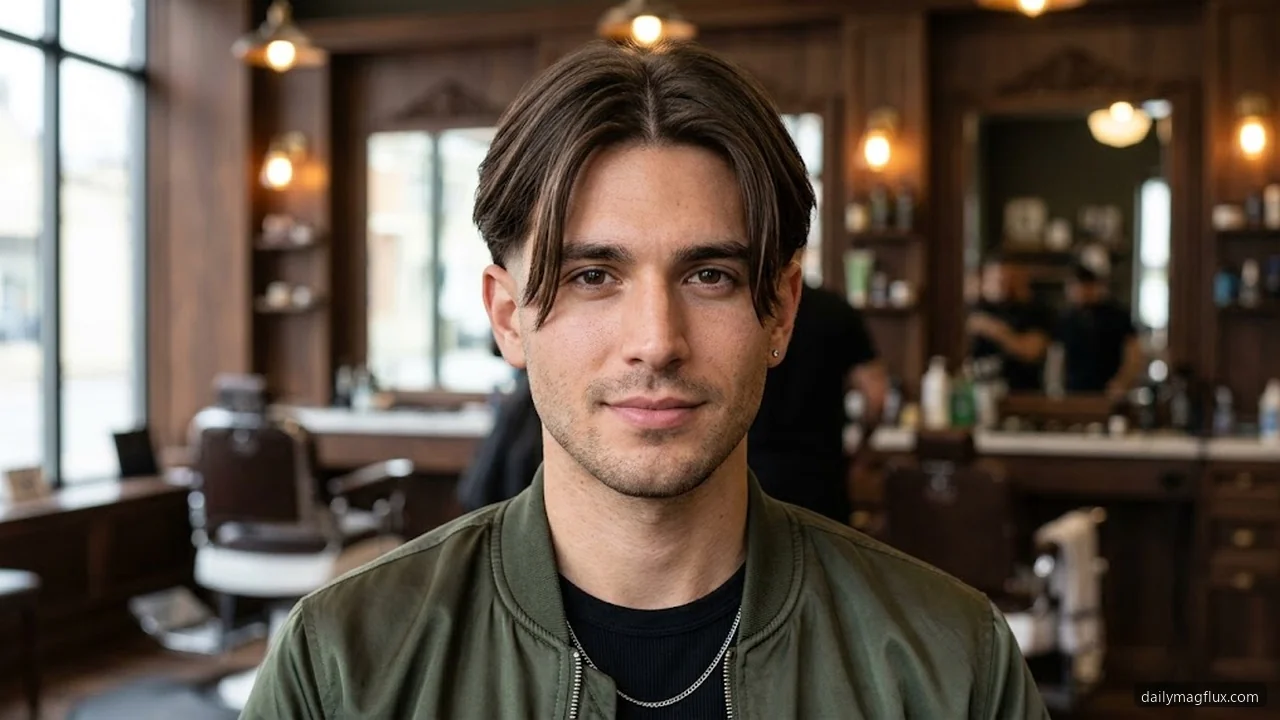
The low taper fade straight hair middle part combines vintage curtain styling with crisp modern edges. Barbers trim the top to four to six inches using vertical point cutting for subtle flow. The neckline and sideburns receive a gentle transition from a #0 guard up to a #2 guard. This clean graduation keeps volume balanced around the ears.
This tailored look suits oval, heart, and rectangular face shapes by softly framing the cheekbones. Straight strands naturally fall into place when damp hair receives a spritz of light sea salt spray. Blow-dry the fringe backward with a round brush, then work in a dime-sized amount of styling cream. The finished style stays soft without feeling greasy or stiff.
Textured French Fringe with Low Skin Taper
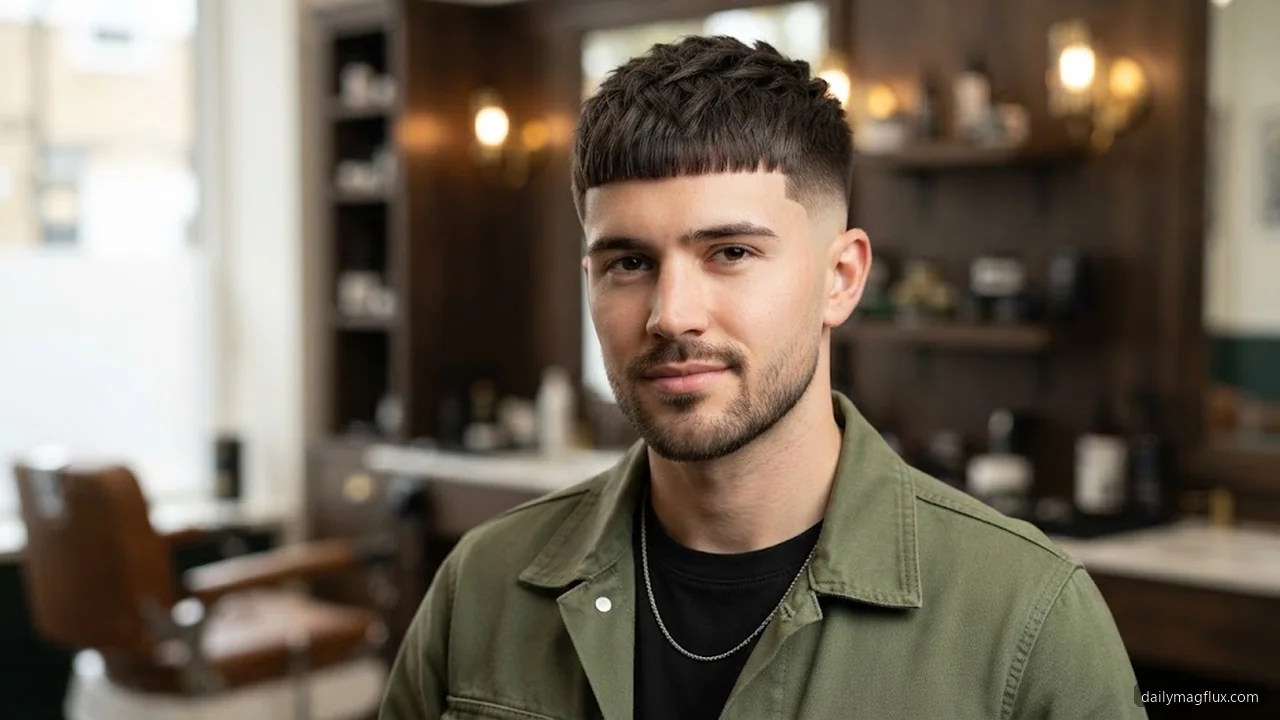
The textured fringe low taper straight hair design creates forward movement while keeping side profiles sharp. Your barber leaves two to three inches on top, point-cutting the ends to build separation. A skin taper starts at a #0 guard around the ears and neck. This clean reduction blends quickly into a #2 guard without removing upper bulk.
This crop works best for men with oval, heart, or oblong face shapes. The forward-falling fringe conceals a high hairline while balancing facial proportions. To style this cut daily, dust dry hair with lightweight texturizing powder. Work a fingertip of matte clay through the strands to lock in a dry, choppy finish with flexible hold.
Classic Slicked Back Low Taper
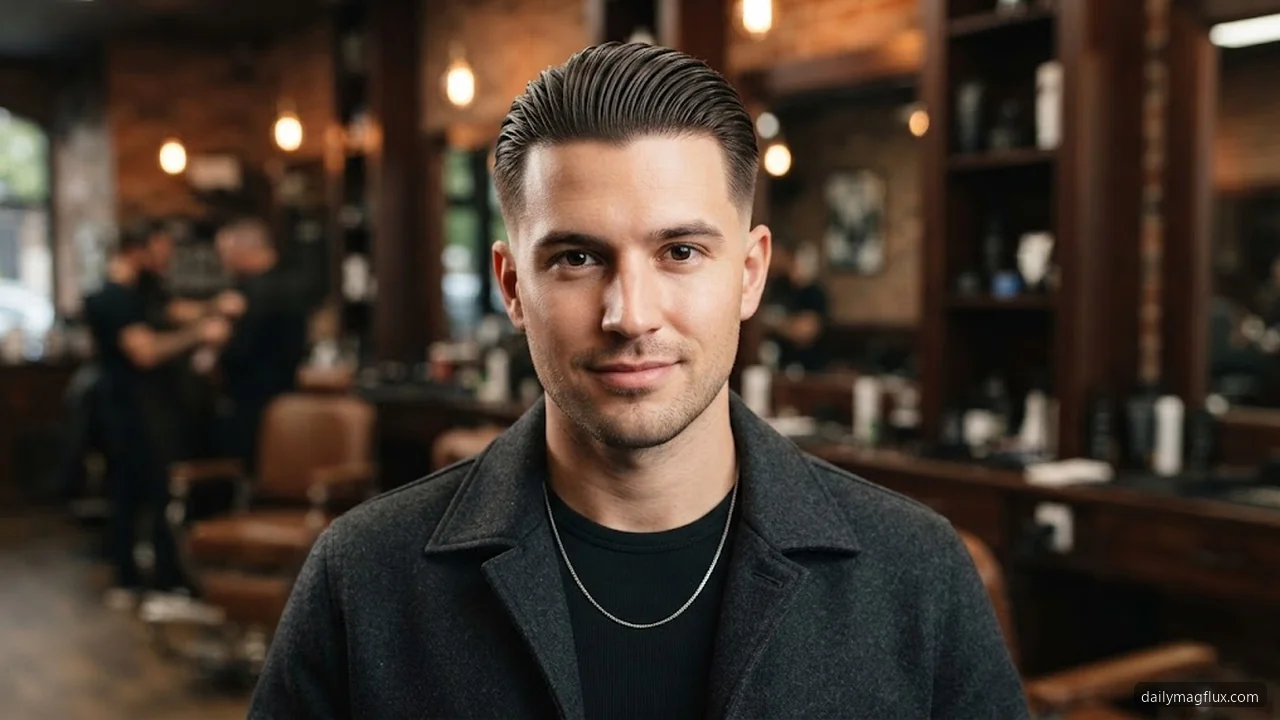
The classic slicked back low taper provides an elegant silhouette for straight textures. You need four to six inches of length on top to comb straight back cleanly. The barber uses a #0 to #2 guard at the sideburns and neckline. This gradual blend maintains balanced weight around the parietal ridge without creating harsh disconnect lines.
This refined look suits men with oval, square, or diamond face shapes exceptionally well. Apply a water-based pomade or styling cream to damp hair before blow-drying backward with a comb. The formula locks straight strands in place all day while preserving natural shine. It offers a professional, polished finish that transitions effortlessly to evening events.
Modern Hard Side Part with Clean Low Taper
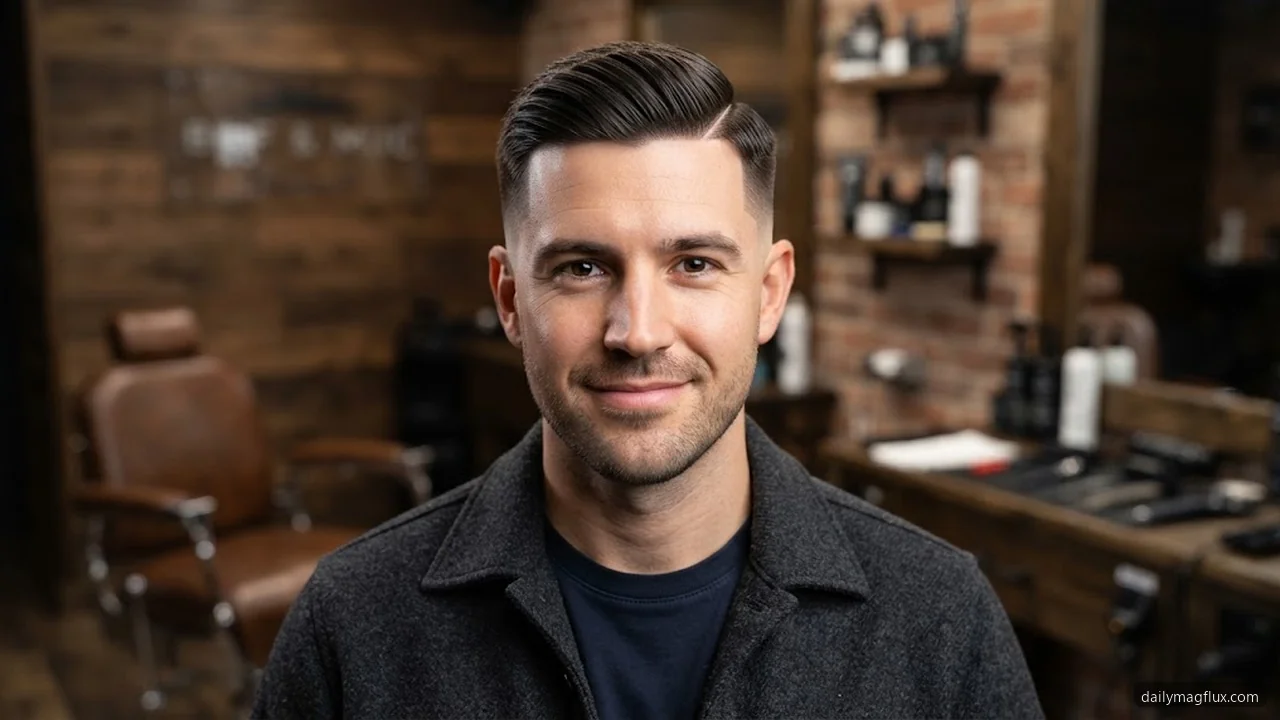
This structured style features three to four inches of straight hair parted sharply along the natural recession line. The barber blends a skin-level #0 at the sideburns and neckline up into a #2 guard. Oval and square face shapes benefit most from this clean contour. Finish with water-based pomade to secure the comb lines and polish the perimeter.
Messy Textured Crop with Low Drop Taper
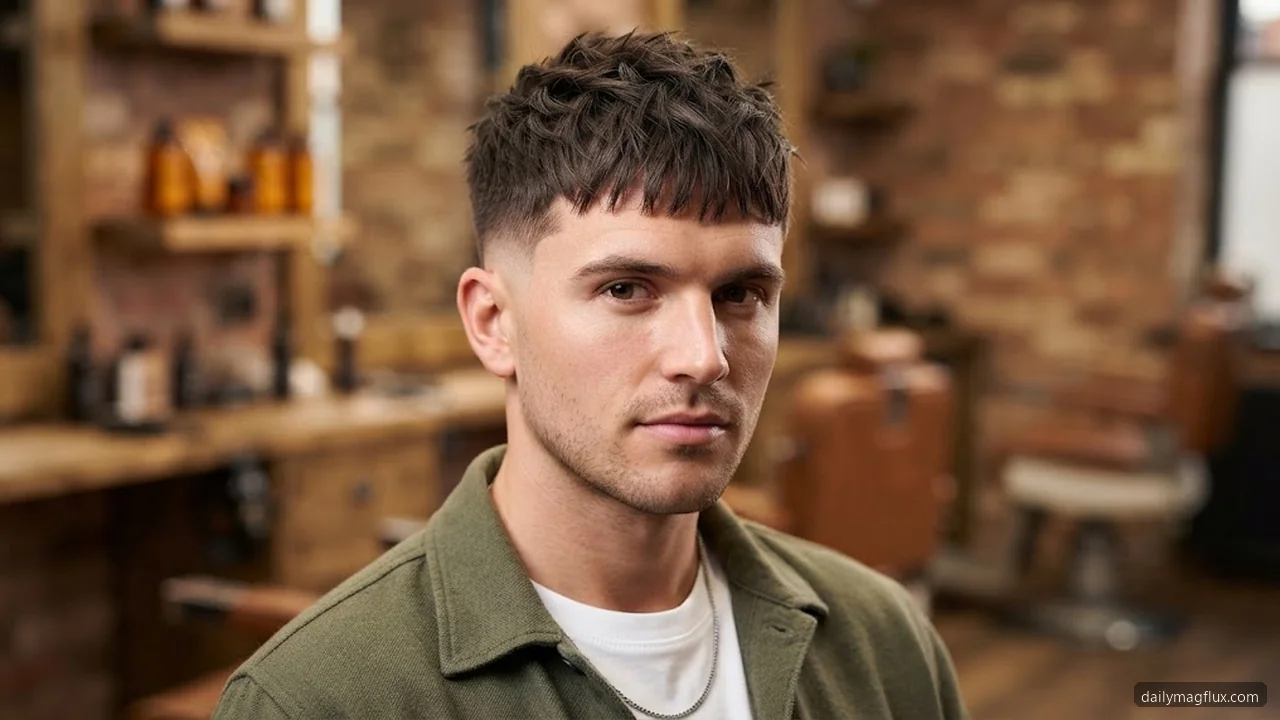
The messy textured crop pairs a choppy top with a subtle drop taper around the ears. Request two to three inches on top with deep point cutting to build separation. Your barber blends the sides using a #1 guard down to bare skin at the neckline. This balanced cut flatters diamond and oval faces exceptionally well. Work a dime-sized amount of matte clay through dry strands for all-day hold.
Precision Buzz Cut with Low Shadow Taper
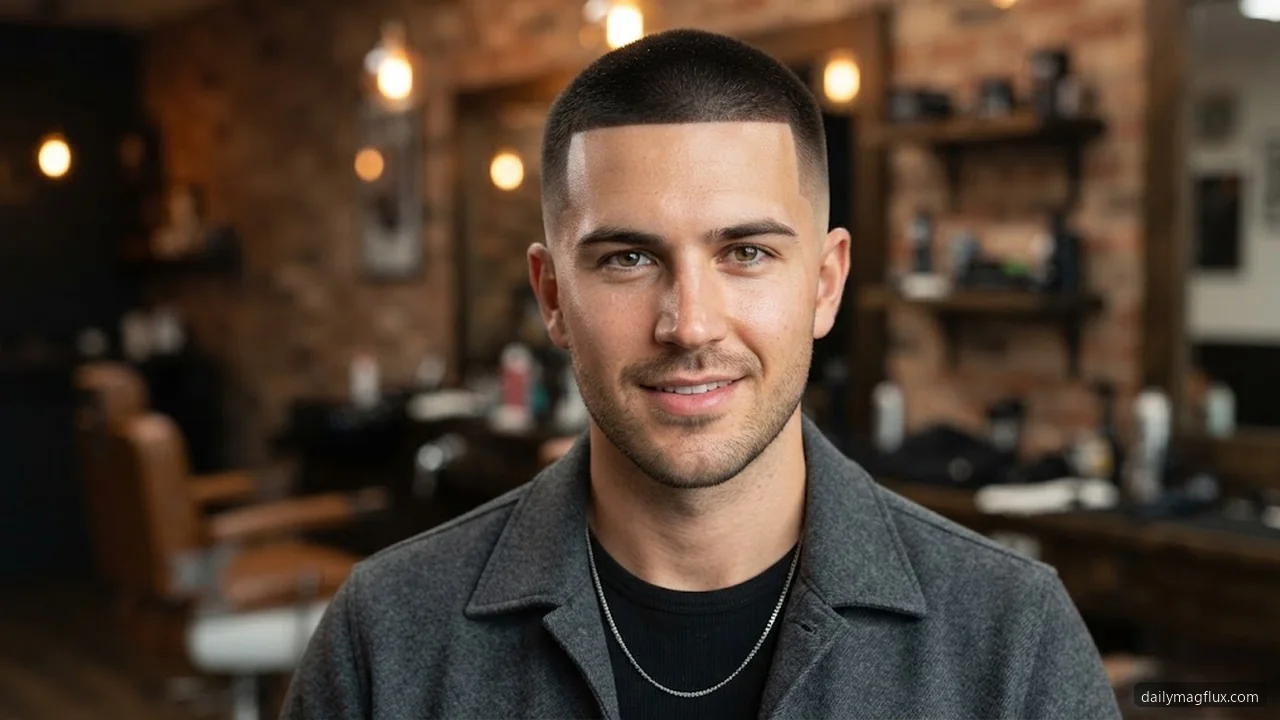
The precision buzz cut pairs a uniform top with subtle neckline blending. Ask your barber for a number three guard on top, leaving roughly three-eighths of an inch. A number zero guard softly tapers the sideburns and nape to build a subtle shadow finish. This short style sharply defines square or diamond jawlines and needs zero morning styling product.
Natural Brushed-Back Ivy League Low Taper
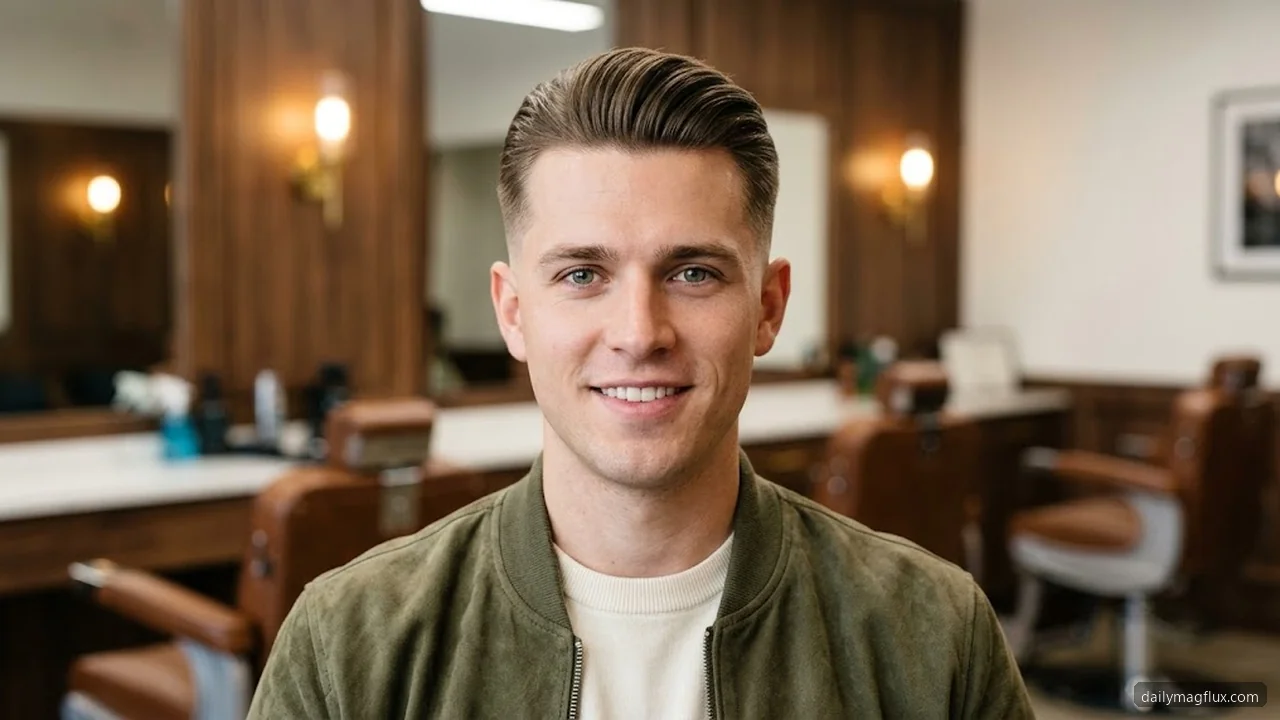
The natural brushed-back Ivy League pairs refined business standards with modern clipper blending. Barbers keep the top cropped to two inches at the front hairline, angling down slightly toward the crown. A low taper at the sideburns cleans up edges with a #1 guard without exposing high scalp area. This conservative style flatters oval and square faces exceptionally well.
Styling this straight hair low taper fade cut requires minimal daily work. Work a dime-sized amount of lightweight matte styling paste through damp strands with your fingertips. Comb the hair backward at a soft diagonal angle to maintain a relaxed finish. The subtle temple taper keeps neckline outlines sharp between regular three-week maintenance appointments at the barbershop.
Voluminous Modern Quiff with Low Taper Fade
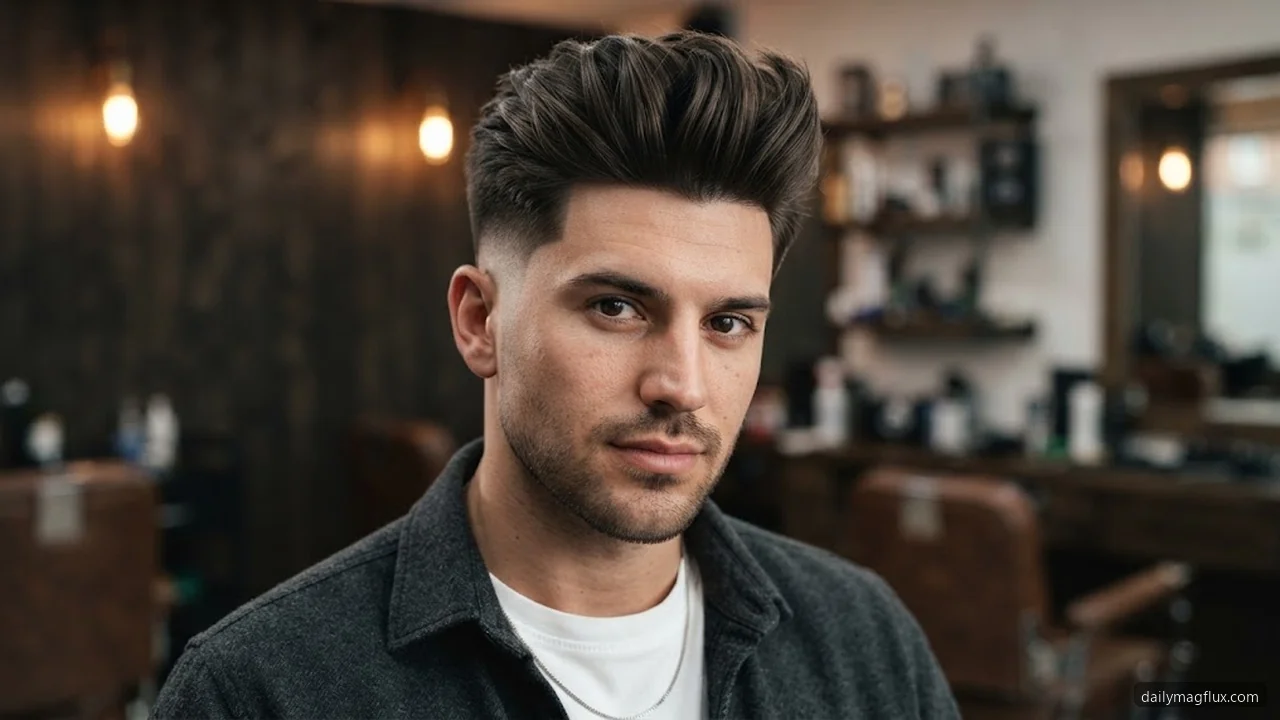
This high-volume look combines sharp perimeter cleanliness with lifted frontal density. Your barber leaves roughly 3 to 4 inches of length along the forelock while tapering back to 2 inches. The sideburns and neckline start at a bare #0 blade. They quickly blend upward into a #2 guard to retain fullness around your upper temples and parietal ridge.
This design flatters round, square, and oval face shapes by adding vertical balance without widening the sides. Straight strands require strong root lift to stay upright all day. Prep damp strands with sea salt spray, then blow-dry upward using a round brush. Finish with a nickel-sized scoop of matte clay to lock in clean separation and matte control.
Textured Caesar Cut with Sharp Low Neck Taper
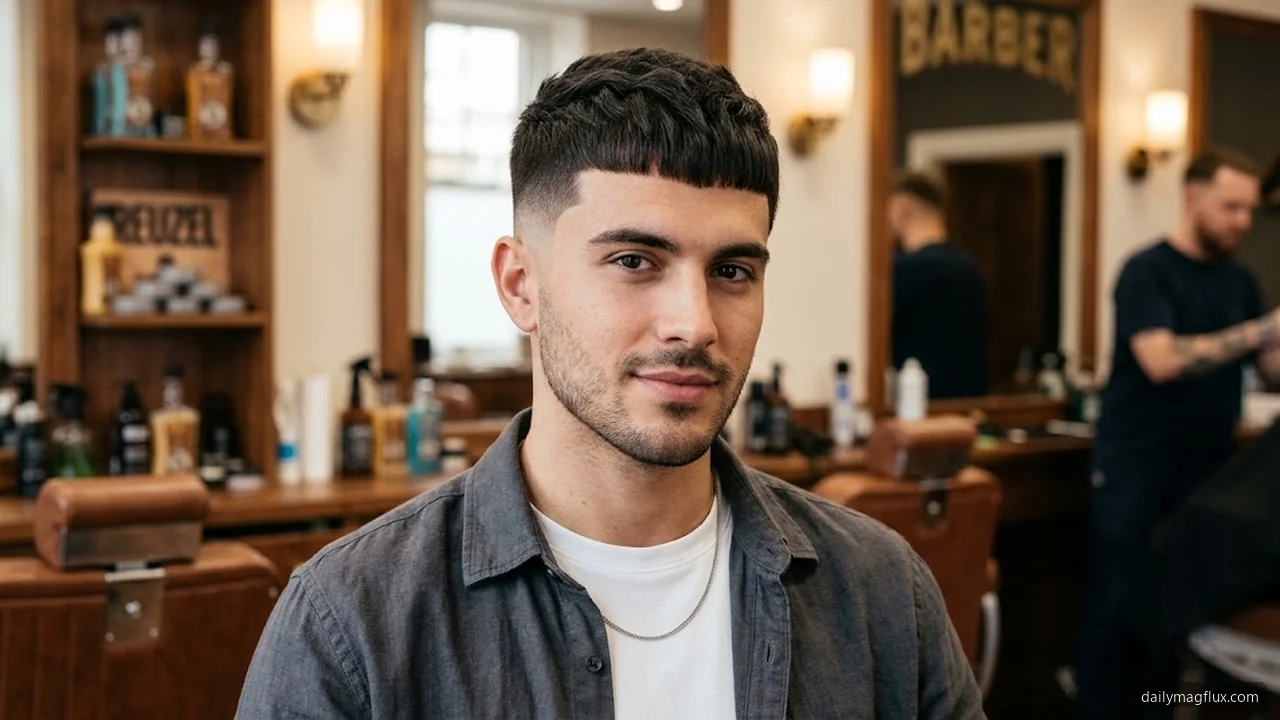
The textured Caesar cut pairs a blunt forward fringe with a subtle neckline fade. Leave one to two inches of hair on top to build neat texture across straight strands. Ask your barber for a #0 closed guard down to bare skin at the sideburns and nape. This low neck taper keeps your perimeter sharp without removing side bulk.
This structured style flatters men with oval, oblong, or square face shapes very well. The horizontal fringe balances a longer forehead, while the low taper cleans up the neckline cleanly. Work a nickel-sized dab of matte styling paste or texturizing dust through dry hair every morning. Finger comb the front fringe forward to maintain a natural, crisp finish.
Fluffy Shag Low Taper for Straight Asian Hair

Coarse straight strands often stick straight out when barbers trim side panels too close. This style keeps four to five inches of textured length across the crown and temple area. Your barber applies a #1 guard around the ears, fading cleanly down to bare skin at the perimeter. Heavy point-cutting removes inner weight while maintaining an airy silhouette.
This profile balances oval and angular face shapes by softening sharp jawlines with loose layers. The low taper edge prevents side puffiness without exposing high scalp areas. Prep damp strands with sea salt spray before blow-drying on medium heat. Finish by raking a dime-sized scoop of matte styling paste through the ends for separated hold.
Best Face Shapes and Straight Hair Types for a Low Taper
Straight strands lie flat against the scalp, making head shape and bone structure critical for this cut. Pairing the subtle graduation with the correct facial profile keeps your proportions balanced. A tailored taper maintains clean edges without exposing too much scalp. Understanding your natural hair density ensures your barber leaves enough bulk on top for effortless daily shape.
| Face Shape & Hair Profile | Visual Proportion Impact | Guard & Style Recommendation |
|---|---|---|
| Oval / Medium Density | Maintains natural facial symmetry while keeping side volume controlled. | #1 to #2 guard blend with 3-inch textured crop. |
| Square / Thick Coarse | Softens hard jawline angles without removing essential crown weight. | #0.5 to #2 guard blend with brushed-back pompadour. |
| Round / Fine Texture | Adds vertical height on top while narrowing the side profile cleanly. | #1 to #3 guard blend with modern high quiff. |
| Diamond / Low Density | Fills out narrow temples while sharpening the neckline perimeter. | #2 to #4 guard blend with relaxed middle part. |
Choosing the right blend depends heavily on how your straight strands fall naturally. Fine textures need slightly higher guard numbers to prevent unwanted scalp exposure around the temples. Coarse strands benefit from closer clipper work to stop rebellious hair from sticking out. Always ask your stylist to tailor graduation points to your individual head shape and growth patterns.
How to Ask Your Barber for a Clean Low Taper Fade (Exact Script)
Walk into the shop with clear clipper numbers instead of vague terminology. Tell your barber you want a low taper fade that starts with a #0 open on the sideburns and neckline. Ask them to blend upward into a #1.5 guard before connecting into the scissor-cut bulk above the ears. Request point cutting on top to add soft movement to stiff strands.
Specify your exact top length in inches to prevent unwanted thinning. Say, “Leave three inches on top, layer the crown. Keep weight around the parietal ridge.” Instruct the barber to taper the. Bottom half-inch of the neck and keep the neckline natural rather than squared. This keeps the perimeter clean without creating harsh ledge lines.
Ask your barber to edge the temple corners without pushing the hairline back. Request a matte styling clay or sea salt spray application at the end. Watch how they style the crown so you can replicate the exact shape at home. Show a reference photo from this guide to confirm the exact neckline taper height and ear blend.
Guard Sizes and Technical Clipper Specifications for Straight Hair
Proper clipper mechanics are essential when working with low taper fade guard sizes straight hair textures. Because straight strands lie completely flat against the scalp, harsh graduation lines appearinstantly if steps are rushed. Barbers must use subtle flick-out strokes with adjustable levers to erase bulk cleanly. Here are the exact clipper guard settings needed for smooth graduation on straight strands.
- #0 Guard and Lever-Closed (Skin to 1.5mm): Clean out the lowest perimeter lines around the ears and bottom neck. Start fully closed at the bottom edge, then open the lever halfway to create a soft base guideline. This step prevents harsh dark spots from showing on pale skin tones.
- #1 to #1.5 Guard (3mm to 4.5mm): Blend the transition zone directly above the temple points. Work the lever from fully open to halfway closed using light flicking motions. Keep the stroke short so you do not push the fade too high into straight bulk.
- #2 to #3 Guard (6mm to 10mm): Soften the dense ridge above the ear and lower crown area. Angle the clipper flat against the scalp before floating the blade outward away from the head. This technique leaves vital fullness that prevents straight hair from sticking straight out.
- #4 Guard and Clipper-Over-Comb (13mm+): Marry the shorter taper lengths seamlessly into your longer top hair. Pull the comb straight out parallel to the head shape before cutting away excess weight. Use texturizing shears afterward to eliminate any stubborn shadows across the fade.
Short, Medium, and Long Straight Hair Low Taper Variations
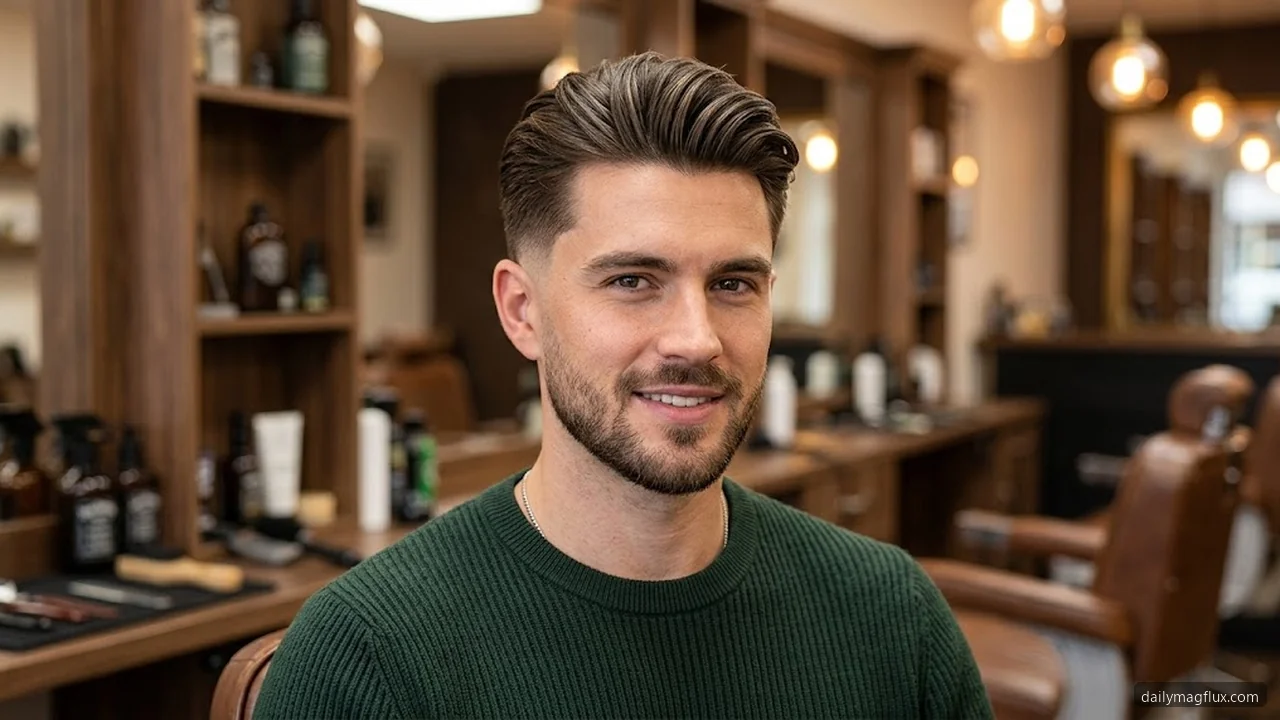
Adjusting top length changes how straight strands sit against your head. Short crops create clean structure, medium locks add swing, and longer cuts show natural movement. A low neckand side blend preserves volume on top while polishing the perimeter. Choosing the right profile depends entirely on your daily routine and growth patterns.
- Short Crop Variation: Keep the top between one and two inches with deep point cutting for texture. The temple blend uses a #0.5 guard merging into a #2 guard at the parietal ridge. This pairing fits oval faces best. Rub a dime-sized amount of matte clay between dry palms for all-day grip.
- Medium Flow Variation: Leave three to five inches of length across the crown and fringe. The perimeter requires a classic #1 guard taper at the sideburns and neckline. This balanced profile suits square and heart face shapes exceptionally well. Apply lightweight sea salt spray on damp hair, then blow-dry using a vented brush.
- Long Flow Variation: Grow the top past six inches to allow natural tucking behind the ears. The edges feature a subtle skin-taper limited strictly to the bottom half-inch of the hairline. This setup flatters diamond and oblong faces. Work two drops of light grooming oil through damp ends to tame frizz without weighing strands down.
How to Style a Straight Hair Low Taper Fade Step-by-Step
Start with damp, towel-dried hair after washing away excess scalp oil. Spray a light sea salt mist evenly from roots to ends. This pre-styler creates essential grip across smooth strands. Comb everything into your desired direction using a wide-tooth comb. Preparing the hair foundation correctly prevents limp sections and ensures maximum volume throughout the day.
Direct a blow dryer with a nozzle attachment on medium heat downward. Use a round brush or your fingertips to lift the roots upwards. Point the airflow from the crown toward the forehead for textured fringe styles. Finish with a cold air blast for ten seconds to lock the natural lift and shape firmly in place.
Scoop a dime-sized amount of matte clay or styling paste into dry palms. Rub hands together vigorously until the product turns clear and warm. Distribute the product thoroughly through the mid-lengths and crown, avoiding heavy buildup on the tapered edges. Rake fingers through to define textured layers without weighing down the fine, straight strands.
Best Styling Products for Straight Hair Taper Fades
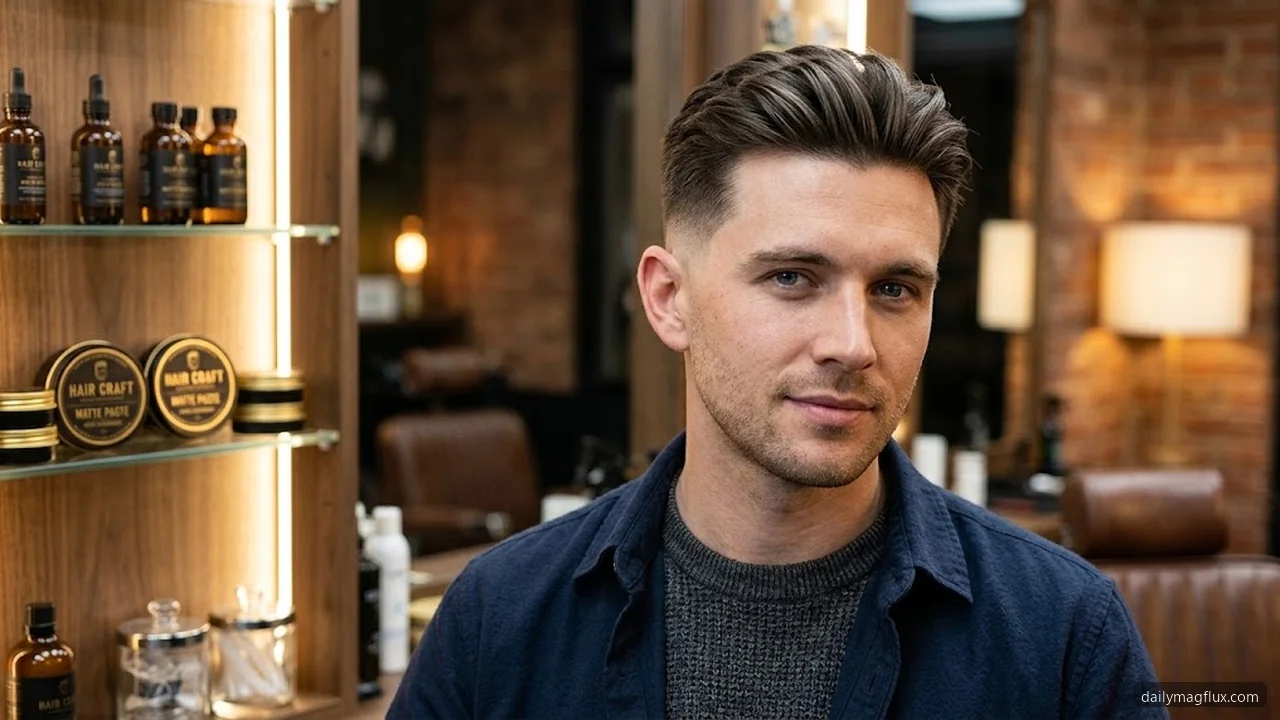
Straight strands need specific formulas to hold shape without collapsing into flat curtains across the crown. The best hair products straight hair low taper designs require focus on lightweight grit, volume, and matte control. Heavy greases weigh down smooth cuticles, while drying clays add instant grip. Selecting the correct formulas keeps your side transitions crisp and clean all day long.
- Matte Sea Salt Spray: Spritz three pumps into damp hair before blow-drying. This builds foundational texture and gritty volume without leaving sticky residue along the clean temple tapers.
- Kaolin Clay: Work a dime-sized amount between warm palms for pliable, all-day hold. It removes slick shine while creating sharp strand separation on textured crop fringes.
- Styling Texture Powder: Dust lightly onto dry roots near the crown. Silica powder absorbs excess oil instantly and lifts flat follicles to prevent top sections from collapsing.
- Water-Based Matte Paste: Ideal for middle parts and classic side sweeps. It provides medium hold with flexible movement, allowing you to restyle strands using your fingers.
How to Maintain Your Low Taper Fade at Home Between Cuts
Proper low taper haircut maintenance straight hair routines keep your perimeter crisp between barber visits. Straight strands show regrowth quickly against skin-faded zones. Use a cordless detail trimmer weekly to clean up stray neck fuzz below the faded neckline. Always avoid cutting directly into the blended gradient. Preserving that soft baseline transition ensures your fade grows out cleanly.
Straight hair shows natural scalp oils faster than curly textures, which flattens top volume. Wash your hair every two to three days using a lightweight clarifying shampoo. Apply a lightweight, nourishing rinse-out conditioner strictly to the hair ends. This routine cleans your scalp without stripping moisture. Preventing your low taper from looking greasy, limp, or lifeless throughout the week.
Common Low Taper Mistakes on Straight Hair (and Fixes)
Straight hair exposes every minor clipping error due to its direct growth pattern and lack of natural curl. Beginners often run into blending lines, harsh weight edges, and flat silhouettes without realizing why. Knowing how to troubleshoot these frequent technical mistakes ensures your cut stays balanced, soft. Easy to style every day at home.
- Taking the Sideburn Fade Too High: Driving the #0 line. Above the ear turns a low taper into a mid fade. The Fix: Keep the open guard below the tragus line and maintain hair bulk around the parietal ridge.
- Creating Hard Weight Lines: Jumping directly from a skin line to a #2 guard leaves visible dark shelves. The Fix: Use clipper-over-comb techniques and half-notch lever adjustments to feather the transition zones seamlessly.
- Blunt Cutting the Top Section: Chopping straight across with shears makes straight strands stick out sideways. The Fix: Request point cutting or texturizing shears through the top 3 inches to soften the ends.
- Overloading with Heavy Pomades: Oil-based clays and dense pomades collapse straight hair volume within an hour. The Fix: Switch to lightweight sea salt spray and water-based matte dust powders for flexible root lift.
Frequently Asked Questions
How often does a low taper fade on straight hair need a trim?
A low taper on straight locks needs maintenance every two to three weeks. Straight strands grow outward and expose faded lines quickly. Scheduling regular cleanups around the sideburns and neckline keeps the silhouette sharp. If you wait past four weeks, the tight contrast completely disappears into overgrown hair.
Will a low taper fade work on thin, straight hair?
Yes, this cut works exceptionally well on finer textures. Leaving bulk through the temple and parietal ridge prevents the scalp from showing through. The barber removes weight only at the lowest hairline perimeters. Applying a lightweight texturizing powder builds instant fullness without weighing delicate strands down.
What is the difference between a low taper and a low fade on straight hair?
A low fade blends hair down to the skin around the entire circumference of the head. In contrast, a low taper isolates the reduction strictly to the sideburns and nape. This leaves the natural hairline intact behind the ears, preserving more hair density and structure across straight profiles.
Can you pair a low taper with a straight hair middle part?
Yes, combining a middle part with tapered edges is extremely popular right now. The clean graduation at the ears and neck frames the face neatly. Meanwhile, the parted length on top flows naturally downward. Use a sea salt spray to keep the curtains soft and separated.
Which guard size should a barber start with for this cut?
Most barbers start open at the bottom edge with a #0 or bare blade. They quickly blend upward into a #1 guard and finish into a #2 guard. Keeping the graduation tight below the ear ensures the straight hair above does not stick out awkwardly.
What is the best daily styling product for straight tapered hair?
Matte clay and texture dust are the most effective daily options. Straight strands tend to fall flat or look greasy under heavy pomades. A dry, matte formula introduces flexible grip, volume. Natural movement without sticky residue or harsh, artificial shine throughout the day.
Conclusion
Selecting the Low Taper Fade Haircut for Straight Hair gives you sharp edges and leaves bulk on top. It blends clean clipper work at the sideburns with balanced length through the crown. Thisversatile cut flatters oval, square, and heart face shapes effortlessly. Use light matte clay or texturizing sea salt spray for simple daily control.
Maintain your sharp neckline with regular barber visits every two to three weeks. Bringing reference photos helps your stylist set the right guard sizes quickly. Whetheryou choose a crop or middle part, the Low Taper Fade Haircut for Straight Hair delivers clean versatility. Invest in quality styling paste to keep your natural texture crisp, sharp, and perfectly balanced every day.

Harrison Jax is a hairstylist and fashion writer with 10+ years in the industry, holding a Certified Cosmetologist license and a Diploma in Fashion Styling from the London College of Style. He’s contributed grooming and trend guides to GQ India and Vogue Blogs, and currently leads DailyMagFlux’s hair and fashion coverage, blending runway insight with practical, everyday styling advice.