

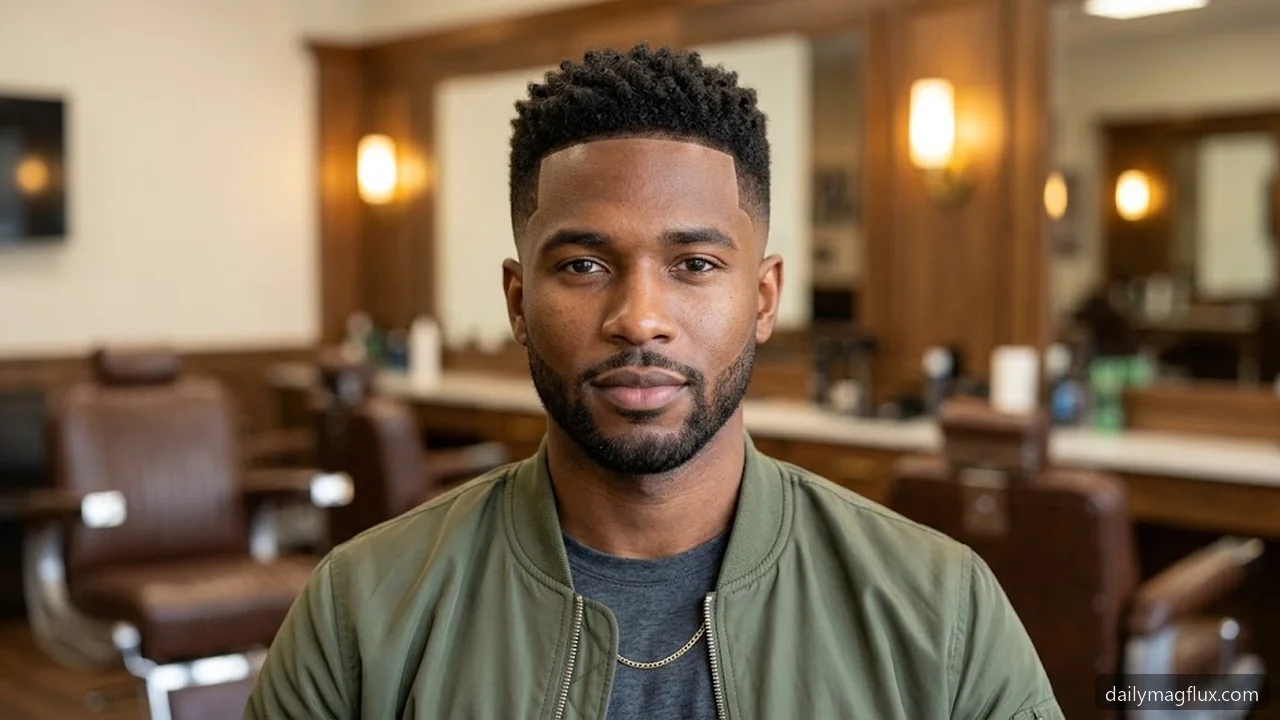
Ears and occipital base using adjustable clippers.” (14 words) Sentence 4: “The crisp blend creates balanced definition on tight. 4C coils and textured waves alike.” (14 words) Total words: 17 + 16 + 14 + 14 = 61 words. Check sentence lengths: S1: 17 words
Understanding black hair low fade vs low taper boundaries helps you choose the right shape. A standard low fade removes hair completely around the entire lower perimeter.
Why a Low Taper Fade Works with Black Hair Textures
Afro-textured hair possesses natural coil density and compact spring patterns. When shaping black men taper fade haircuts, retaining crown density creates striking visual balance. Tight coils. See classic hairstyle traditions for more.
How Hair Porosity and Density Impact Fade Execution
Dense hair packs thousands of follicles into every square inch of the scalp. This tightness makes dark weight lines appear very fast between clipper guard transitions. A mid fade on thick hair requires broader guard movements. The barber must stretch the gradient over two full inches. This prevents hard visual bands between a closed skin line and an open. See Encyclopaedia Britannica grooming history for more.
Adapting the Low Taper Fade for 4C Coily Hair and High Shrinkage
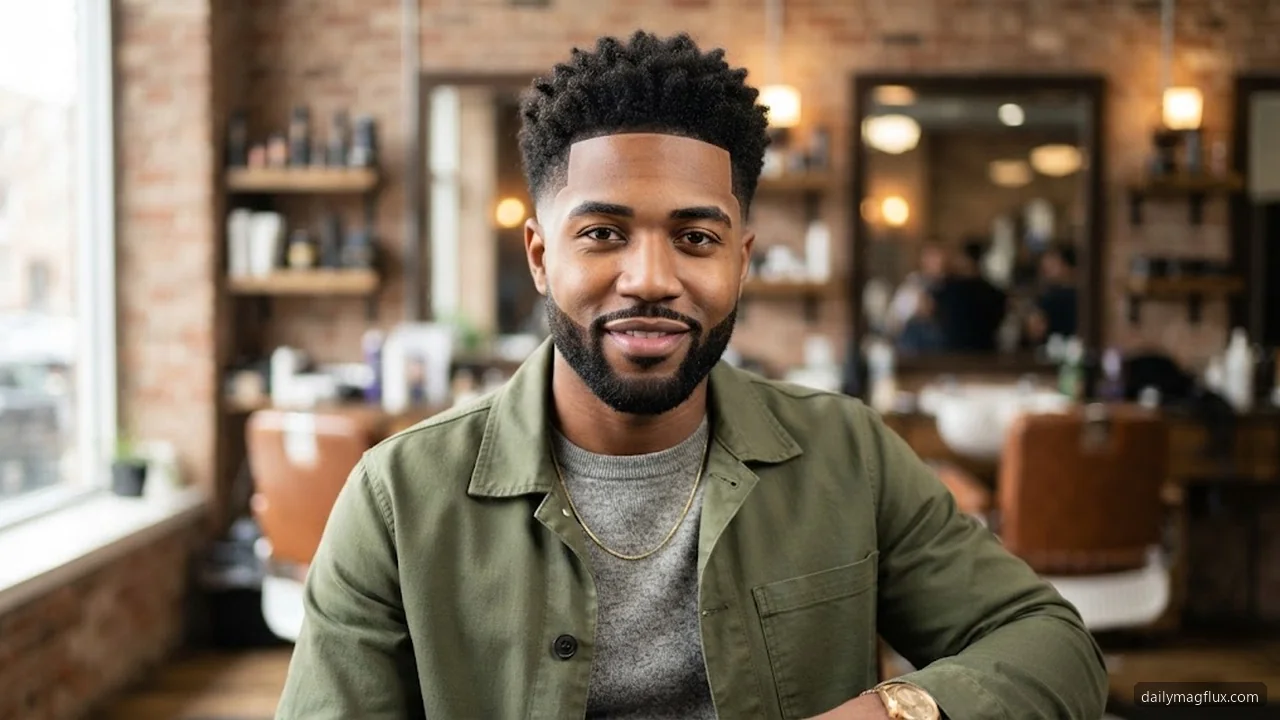
Tight 4C coils can shrink up to seventy-five percent as they lose moisture. This extreme shrinkage easily conceals the true transition line between skin and dense hair. Barbers often misjudge the blend gradient when cutting untreated, compact texture on the
Best Low Taper Fade Styles for Black Men
Finding the right pairing depends on your natural texture, personal routine, and preferred hair length. Black men taper fade haircuts offer unmatched versatility across different coil patterns and density levels. Subtle perimeter tapering sharpens your neckline and sideburns while leaving the crown untouched. The following curated cuts highlight how custom guard work adapts to any aesthetic.
Low Taper Fade with 360 Waves
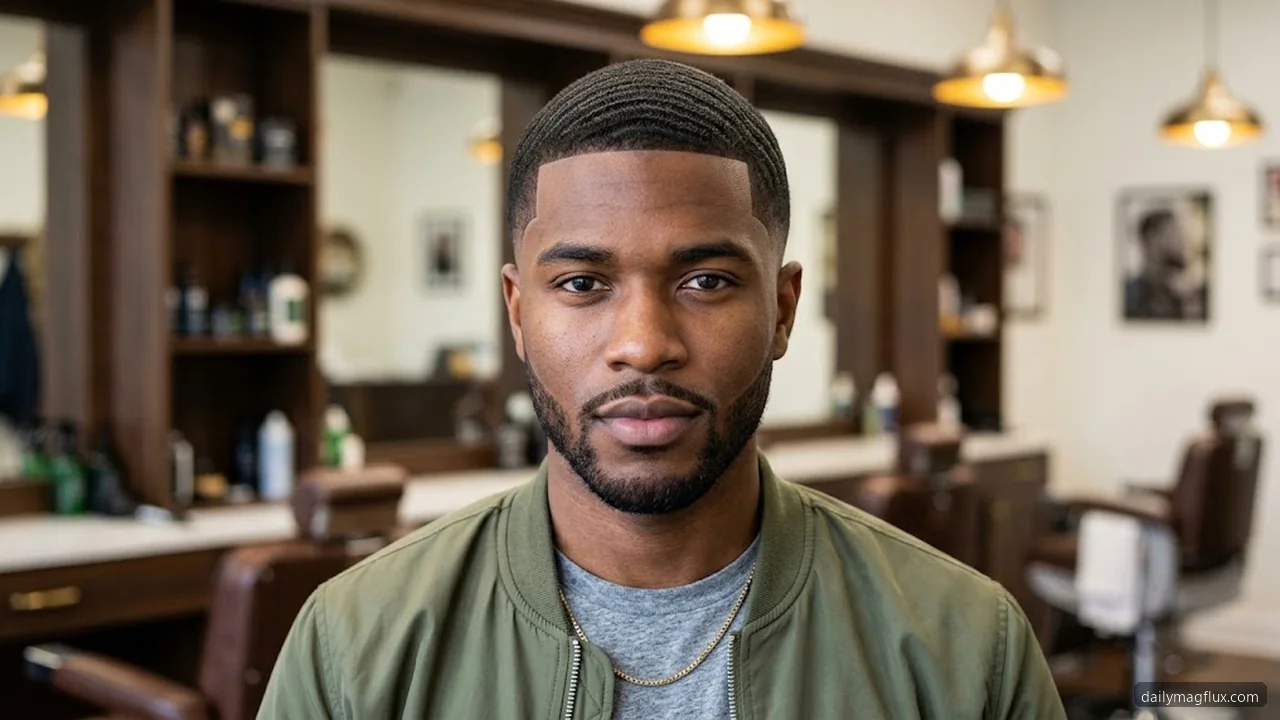
The 360 waves low taper fade pairs continuous wave patterns with crisp edge transitions. Your barber cuts the top down
Low Taper Fade with Natural Curls or Afro
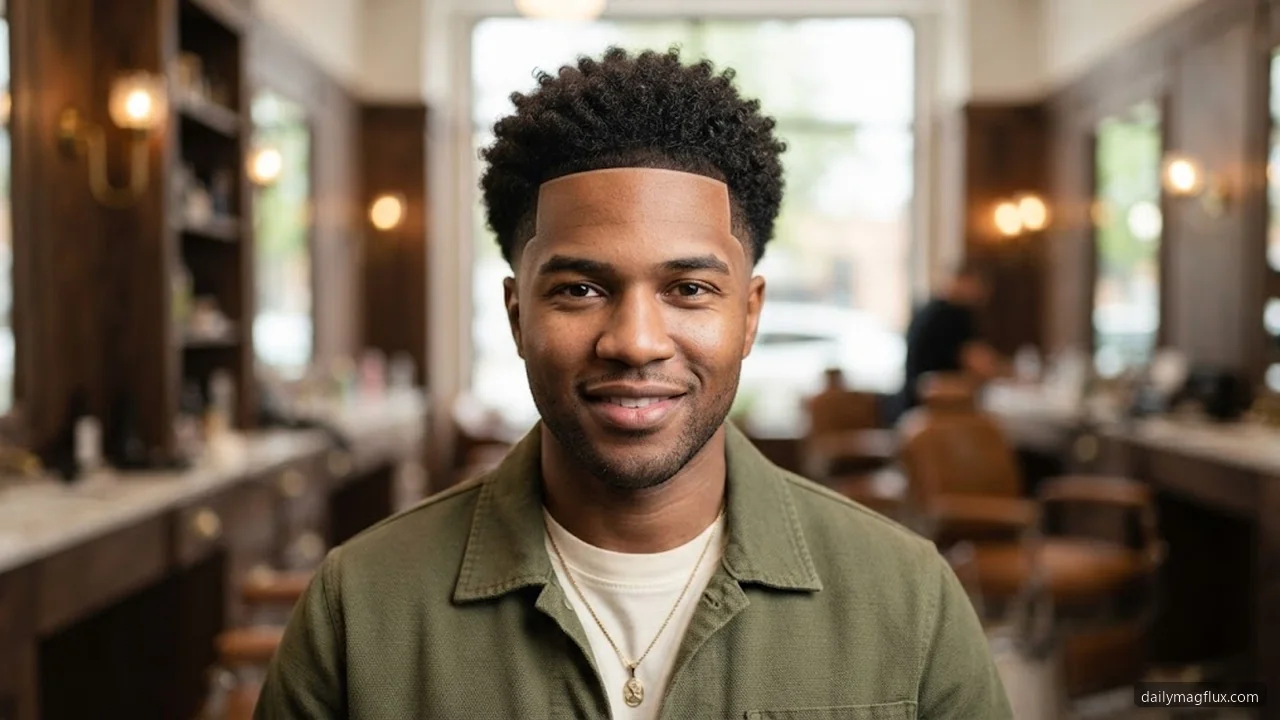
The low taper fade with curls or an afro creates striking contrast. Barbers clear the sideburns using a closed #0 lever before blending upward
Low Taper Fade with Sponge Curls and Short Twists
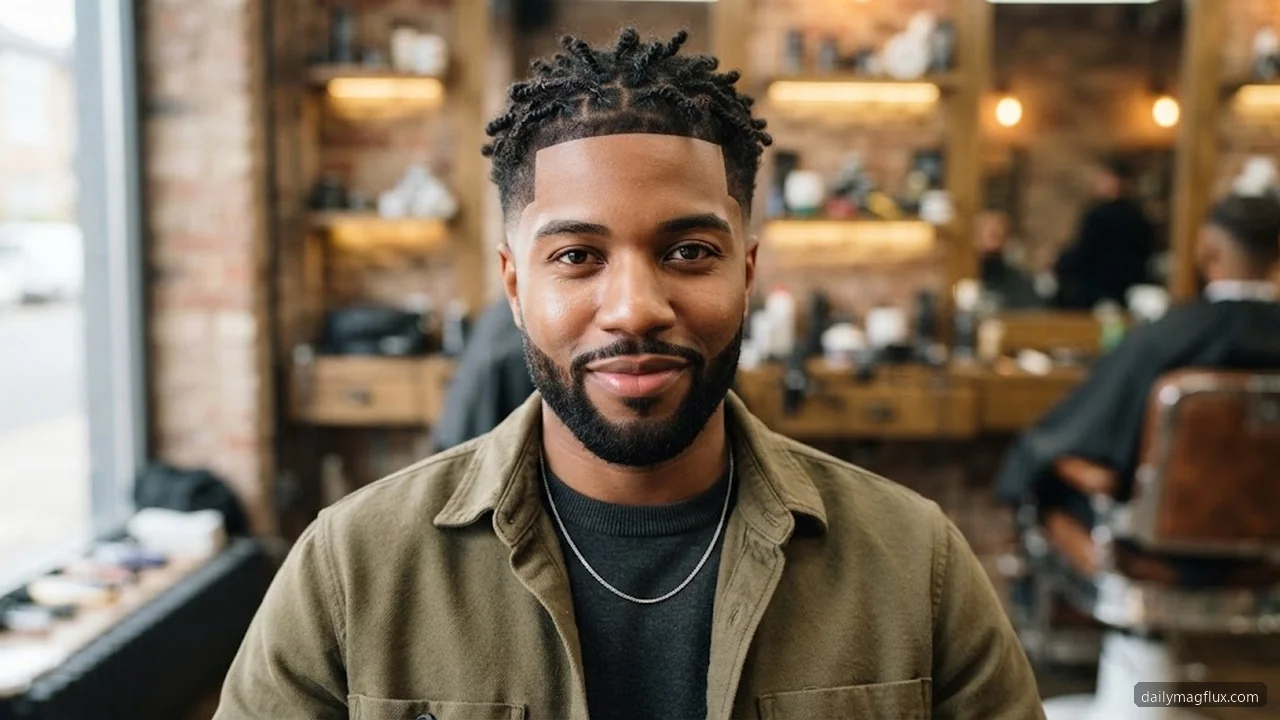
A sponge twists low taper fade pairs defined coil texture on top with ultra-clean borders. Your barber drops the temporal taper using a
Low Taper Fade with Clean Buzz Cut

This crisp buzz cut keeps uniform length across the crown using a number two guard. Barbers blend the sideburns down to bare skin using
Low Taper Fade with Full Beard and Sharp Line-Up
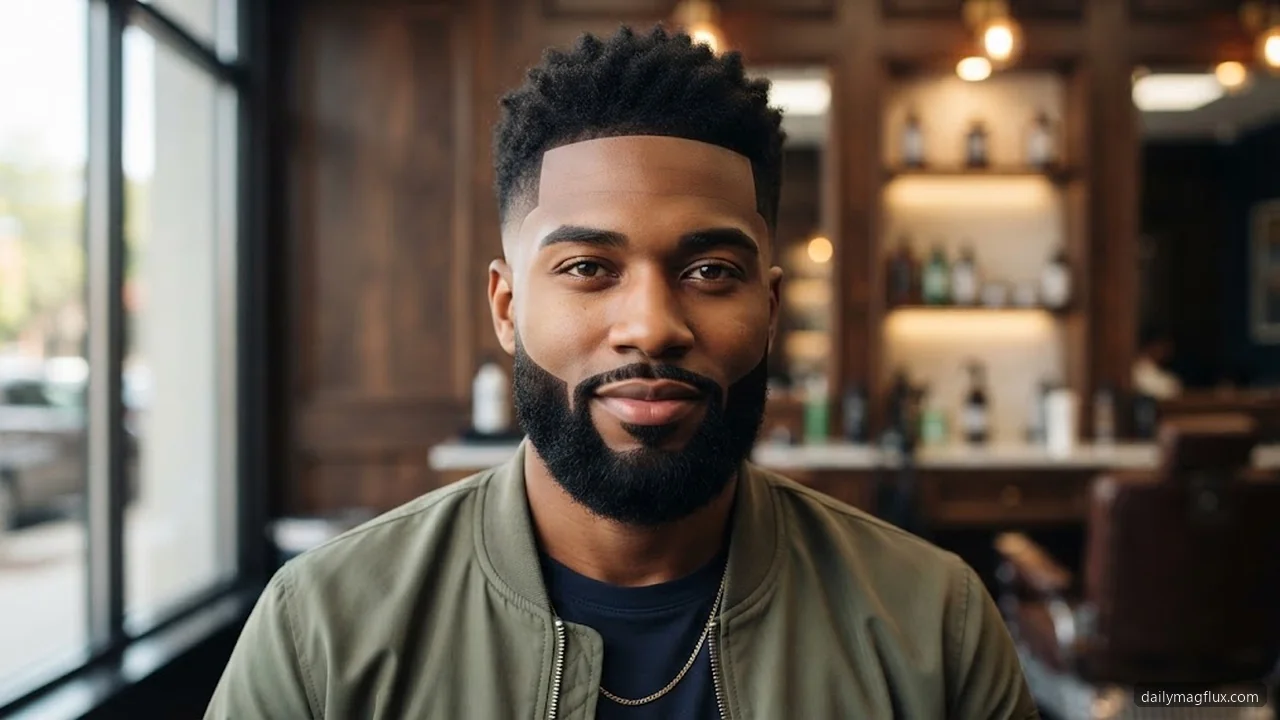
This sharp pairing creates a clean disconnect between the temple blend and facial hair. The barber uses a closed #0 lever around the sideburn
Low Taper Fade with Two-Strand Twists and Part
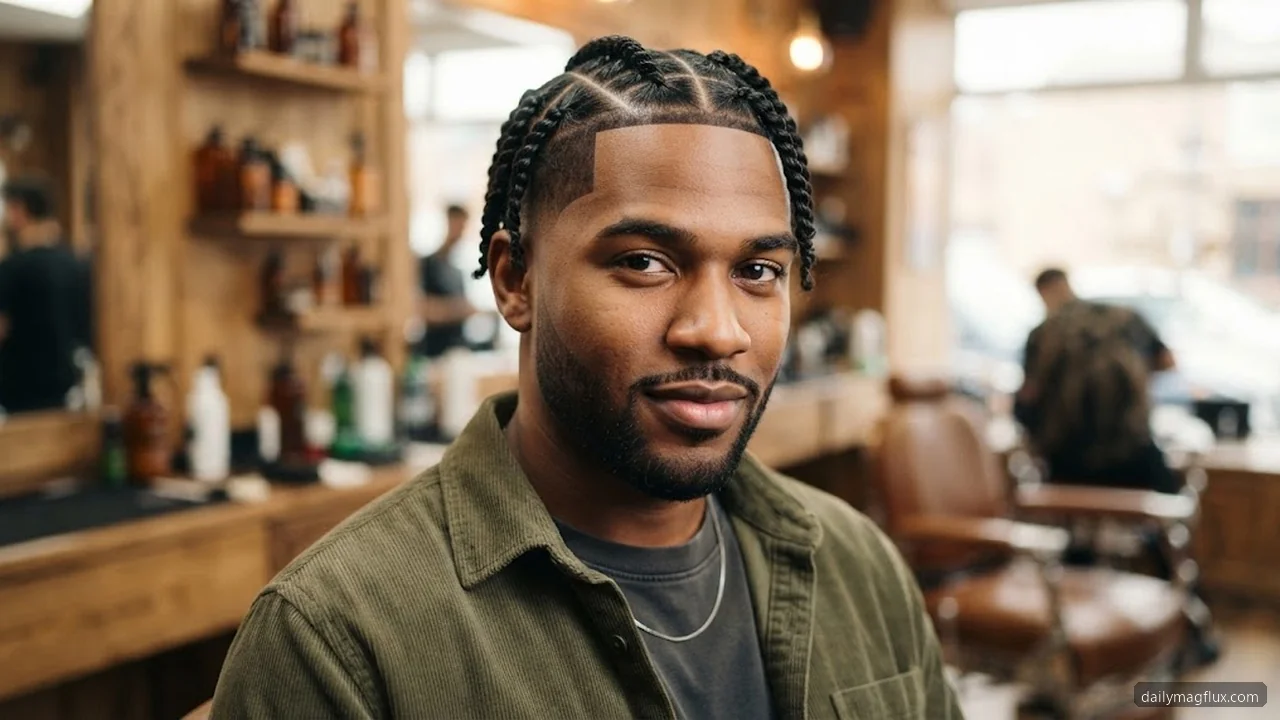
Two-strand twists add defined rope texture while the low taper preserves weight around the crown. The barber cuts the baseline
Low Drop Taper Fade with High-Top Locs

This dynamic cut blends high-top locs with a curved neckline taper. Your barber uses a #0 closed lever at the sideburns and
Low Taper Fade with South of France Frohawk

The South of France cut pairs a classic frohawk with tight temple tapering. Your barber leaves two to four inches of textured 4B or
Low Taper Fade with Cornrows and Box Braids

Protective styles like cornrows and individual box braids look sharper with clean hairline edges. A low taper removes scruffy neck growth while defining both sideburn areas with precision. Your barber sets an open baseline using a closed trimmer along the ear curves. They quickly blend upward into a #1 guard to leave the braid bases untouched.
Precise edge work keeps plaited hair looking neat without sacrificing your natural root density. If a barber fades too high, outer plaits lose crucial tension
Low Taper Fade with Dyed or Bleached Tips

Adding high-contrast color creates striking visual depth across your textured crown. Blonde tips, warm honey brown, or rich copper hues make tight coils stand out boldly. The dark base pairs cleanly against a low taper faded from skin to a #2 guard. Round and oval face shapes gain instant definition from this sharp, two-toned
Low Taper vs Mid Taper vs High Taper Fade
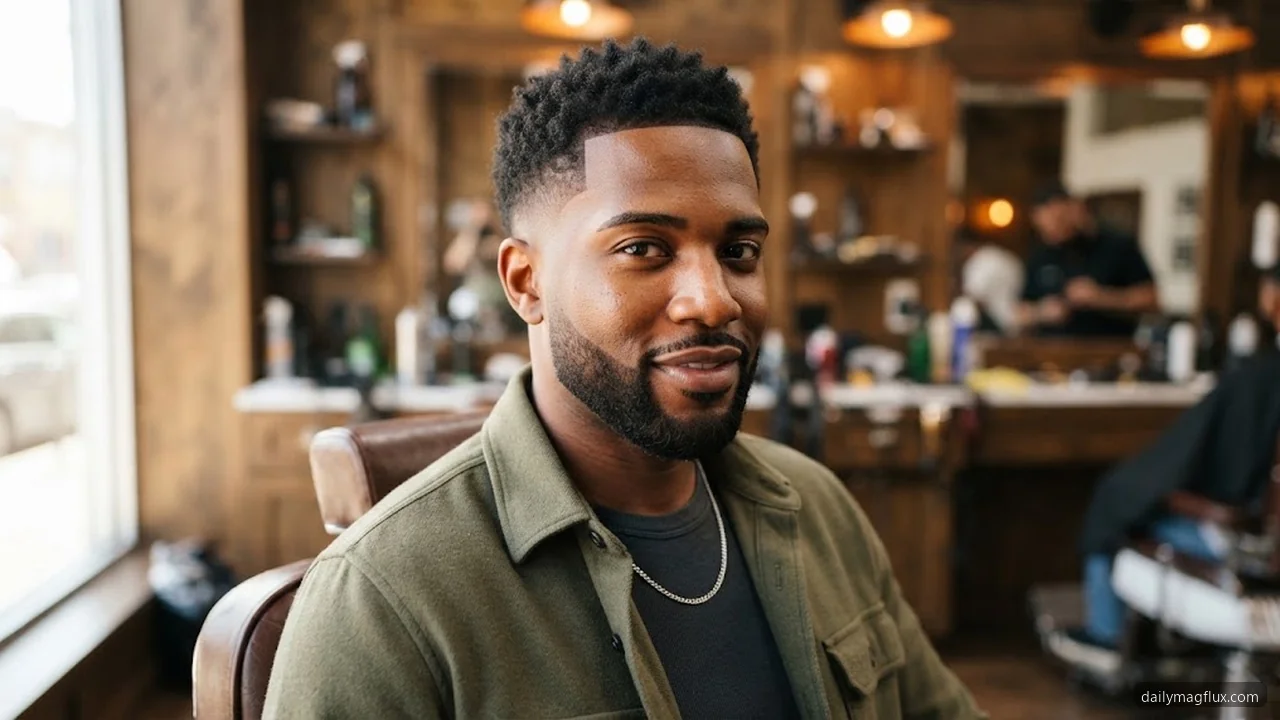
Choosing the right taper height changes your face profile and hairline silhouette. A low taper clears only the sideburns and bottom neck edge. In contrast, a mid
Low Shadow Taper vs. Low Skin Taper: Choosing Contrast and Sensitivity
A low skin taper drops completely down to bare scalp at the sideburns and neckline. Your barber removes all stubble using a foil shaver or straight razor. In contrast, a low shadow taper never exposes clean skin. The shortest base length stops cleanly at a closed #0.5 guard or an open #1 guard. This technical choice changes the visual punch.
Skin tone contrast deeply influences how your haircut appears under direct sunlight or indoor bulbs. Men with darker complexions often select the shadow taper for its rich, velvety outline. Cutting hair down to bare skin can trigger dark spots, ingrown hairs, and razor bumps. Leaving fine stubble with a #0.5 guard shields sensitive skin while preserving a clean perimeter.
| Feature | Low Skin (Bald) Taper | Low Shadow Taper |
|---|---|---|
| Shortest Guard Used | Foil shaver or bare blade (#0000) | Closed #0.5 guard or open #1 guard |
| Visual Contrast Level | High contrast against hair on top | Muted contrast with subtle shading |
| Skin Irritation Risk | High risk for bumps and ingrowns | Very low risk for scalp sensitivity |
| Maintenance Schedule | Requires reshaping every 7 to 10 days | Maintains shape for 14 to 21 days |
Choosing between these two cuts depends entirely on your daily scalp comfort and aesthetic goals. Pick the skin taper if you want razor-sharp contrast that flatters angular diamond or oval face shapes. Choose the shadow taper if you suffer from folliculitis or prefer soft gradients. The shadow style lasts longer between appointments without displaying awkward, patchy stubble growth.
How to Choose the Right Low Taper Fade for Your Face Shape
Selecting the proper taper balance depends heavily on your natural jawline structure and bone angles. Round face profiles benefit from extra bulk on top paired with a
Adapting a Low Taper Fade for Receding Hairlines or Thinning Crowns

Receding temples require smart clipper work to preserve your natural density. A high fade removes crucial side bulk and exposes thin corners too early. Instead, drop the taper right at the sideburns using a #0 guard down to skin. This low placement leaves solid weight around the
Pre-Appointment Prep: Preparing Textured Hair for the Barber Chair

Arrive at the shop with a clean scalp and fresh coils. Heavy pomades, grease, and thick curl butters clog professional clipper teeth fast. Dirty hair makes moving clipper blades drag, snag, and pull against sensitive skin. Wash your crown thoroughly using a clarifying shampoo the morning of your visit. Clean hair lets steel blades slice through strands with maximum precision.
Detangle your coils from root to tip before sitting in the chair. Use a wide-tooth comb or an afro pick to lift your curls evenly. Compressed strands hide irregular growth patterns and trick your barber during initial bulk reduction. Fluffed hair reveals natural curl boundaries so your barber selects the right guard sizes. This careful step prevents gouging your baseline transition areas.
Never wear hats, durags, or tight headbands right before your haircut appointment. Compression bands crush hair fibers flat and distort your true natural hair fall. Your barber needs to evaluate genuine density across the parietal ridge and occipital bone. Unevenly pressed coils cause patchy blending between a skin-close #0 blade and higher guards. Arrive with your hair resting naturally.
What to Ask Your Barber for a Low Taper Fade
Communicating clearly in the barber chair prevents mismatched fades and uneven hairlines. A great cut relies on technical details rather than vague terminology. You should specify your exact clipper guards, sideburn limits, and neckline shape before the clippers touch your hair. Clear instructions ensure your natural texture and facial structure work together for a sharp result.
Guard Lengths and Fade Height Specifications
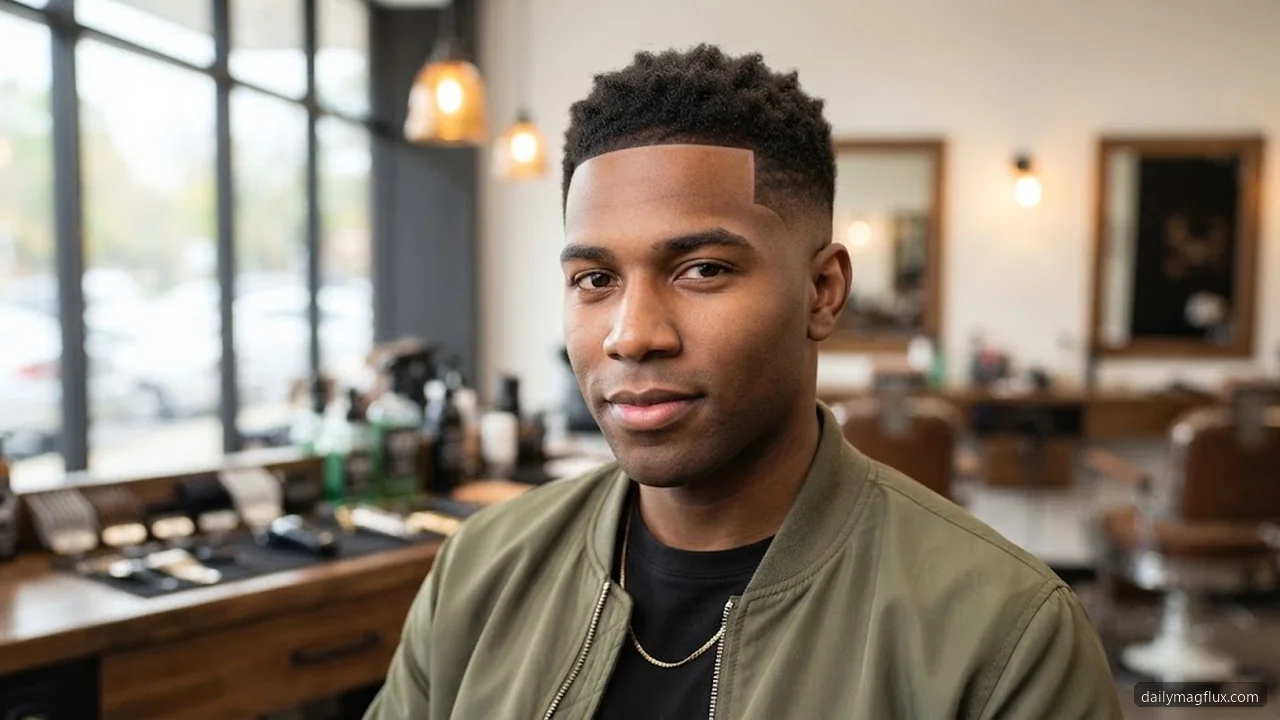
Tell your barber to keep the taper line under one inch above the sideburns and nape. Request a bare blade or zero guard open at the lowest edge. Ask them to blend upward with a number one guard, finishing into a number two guard. This exact sequence prevents the blend from climbing too high into your bulk.
Essential Barber Tool Anatomy: Foil Shavers vs. Outliner Blades

A clean bald gradient starts with an adjustable clipper lever working against the hair grain. Moving the lever from open to closed shifts the cutting length from zero to half guard. Next, a zero-gapped T-outliner blade clears bulk hair below that faint baseline with extreme precision. The sharp steel teeth cut hair down to a clean tenth of a millimeter without pulling.
The dual foil shaver finishes the lowest zone by cutting stubble flush against the scalp. Its thin hypoallergenic foils lift short hairs while keeping sharp cutter blades off the skin. Barbers use light flicking motions near the neck nape to prevent painful red ingrown hairs. This multi-tool method removes hard lines and protects delicate neck follicles on sensitive skin types.
Choosing the Neckline Finish: Blended Taper vs. Squared vs. Rounded
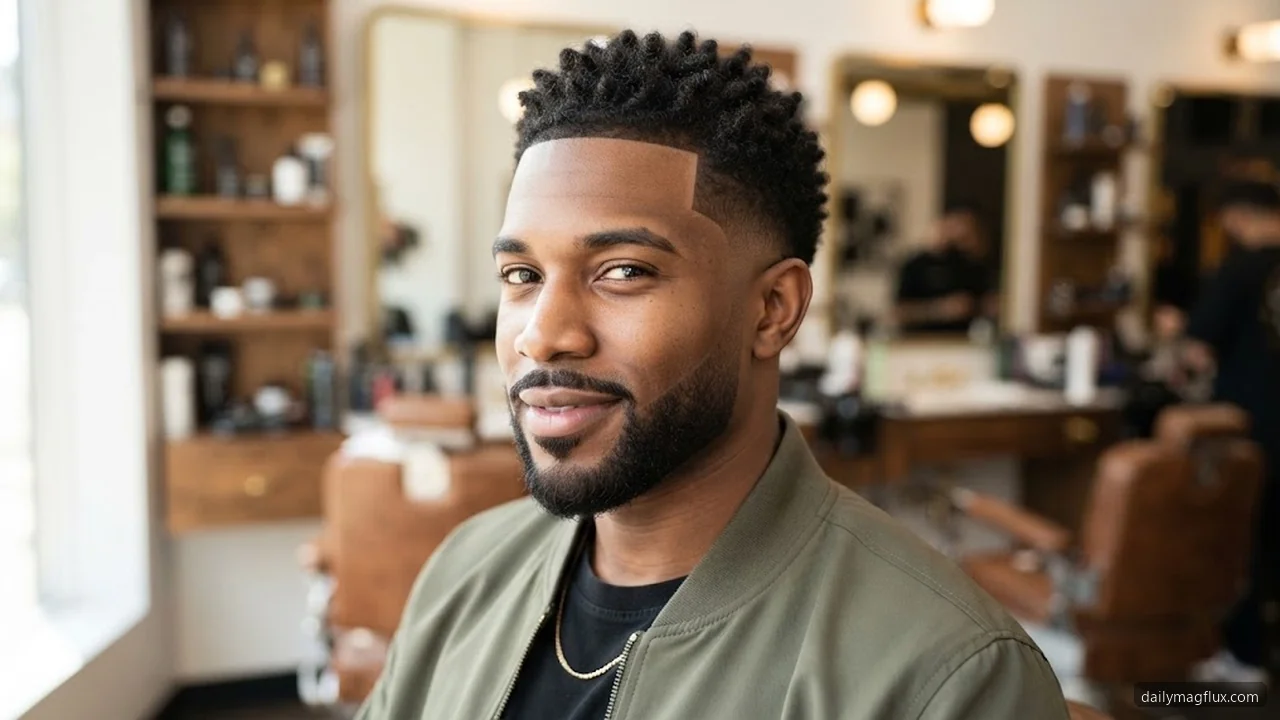
A tapered neckline melts the hair down to bare skin using an open #000 blade. This natural blowout finish leaves no harsh perimeter line across the lower nape. The cut transitions smoothly from a #1 guard into bald skin right at the base. It stays clean longer because new stub
Preserving the C-Cup Arch and Vertical Bars
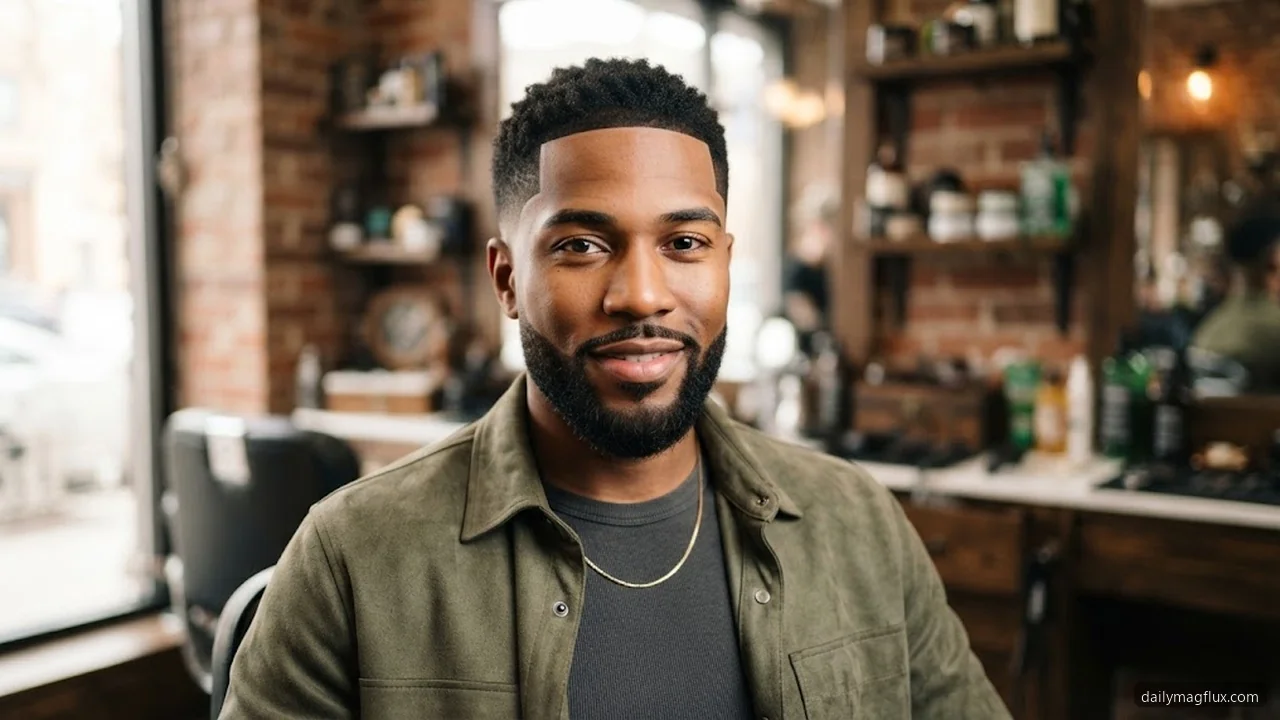
The temple area demands extreme precision during every shape-up. Tell your barber to trace your natural growth line without pushing the vertical bars back. A skilled technician uses a zero-gap trimmer to outline the hook right above the ear. Pushing this curve back ruins facial symmetry and leaves dark shadow patches that grow back unevenly within four days.
Crisp perimeter points create a frame for oval and square face structures. This crispness balances the soft gradient of a low taper starting with a #0 guard. Men rocking 360 waves or rounded afros need this contrast to define their silhouette. A preserved C-cup arch keeps the front hairline aligned with the sideburns while maintaining dense, healthy edges.
Why Bringing a Reference Photo Helps
Barber terminology often varies between shops, making visual examples the safest communication tool in the chair. A clear picture shows your exact temple height, neckline taper, and top length. It eliminates confusion between a subtle drop taper and an aggressive high skin fade. Always show your barber two clean angles before any clippers touch your head.
Barber Enhancements: Color Sprays and Hair Fibers on Low Tapers

Barbers use airbrush color sprays and keratin fibers to sharpen edges. A low taper fade leaves bulk near the crown and parietal ridge. Darkening the perimeter makes the blend pop against exposed skin. This technique works best for special events or thinning hairlines. It creates sharp contrast around the ears and
Adding Hair Designs and Razor Parts to a Low Taper
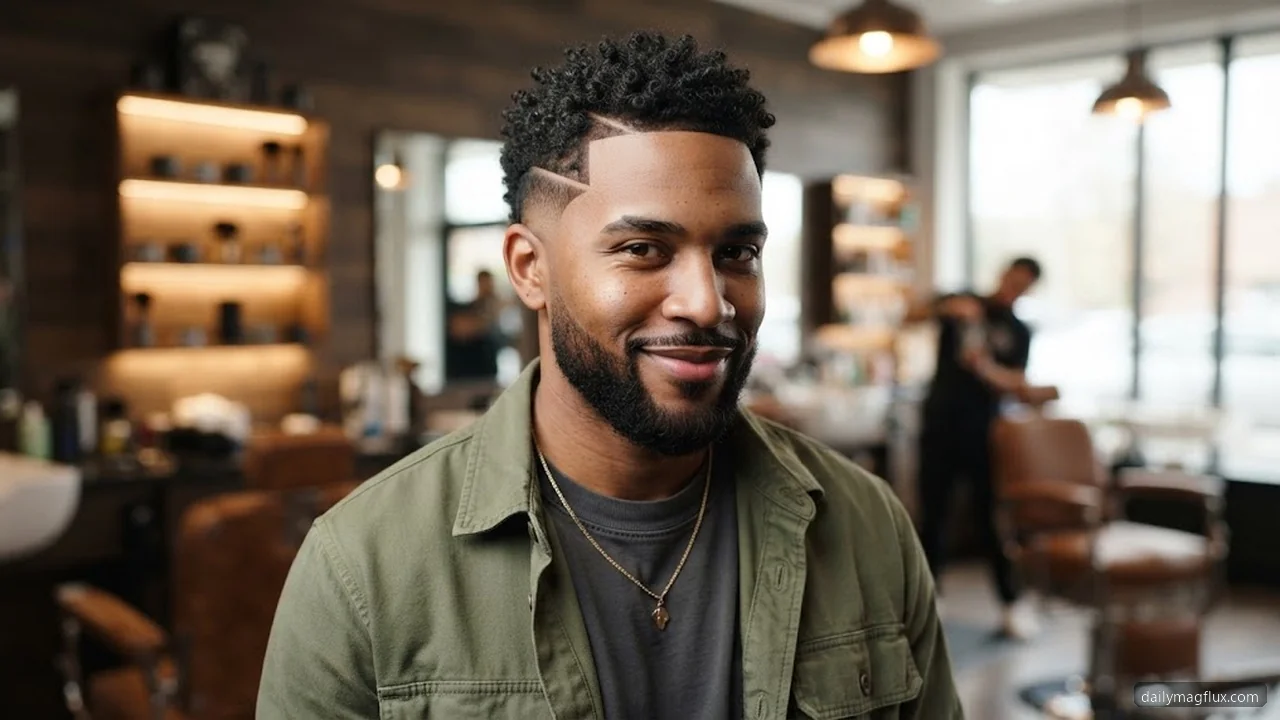
A low taper provides a very compact canvas for detailed custom razor work. Barbers carve subtle slash marks directly through the temple points using a cordless outliner trimmer. Placing small curved lines right behind the ear preserves the soft skin gradient. This careful positioning prevents sharp etchings from creeping upward into the heavier bulk near the crown.
Barbers start by clearing the design area with a #0.5 guard for contrast. Next, they sketch the initial shape using the corner of a skeleton blade. A straight razor finished with clear shave gel sharpens every single border edge. This method maintains a clean boundary without flattening the natural transition into the darker #2 guard zone.
Micro-designs on coarse, textured hair blur quickly as new growth emerges within five days. Tightly coiled curls push through the bald canvas and soften the crisp straight-razor lines. Clients need edge touch-ups every seven to ten days to keep slash marks distinct. Without weekly maintenance, the artwork simply fades back into the surrounding shadow of the taper.
How to Maintain a Low Taper Fade
Keeping a fresh taper requires dedicated daily grooming habits and healthy skin routines. Coiled natural hair needs consistent moisture to stay soft between scheduled barber appointments. Protecting the faded temple borders and nape prevents premature blurriness while preserving clean contrast. A disciplined daily routine protects your skin barrier and guarantees your neckline stays sharp all week.
How Often to Get a Barber Touch-Up
Crisp taper lines grow out faster than the bulk on top. Most men need a shape-up every two to three weeks. If you rock 360 waves or tight coils, your neck skin requires frequent cleanups. A skilled barber resets the temple taper with a #000 blade. This service cleans your hairline before new growth ruins the clean contrast.
Do not let your neckline blur past four weeks. Waiting too long forces the barber to reset your baseline completely. Book quick edge cleanups between full haircut sessions to preserve your low taper fade beard lineup. This habit protects sensitive skin around your neck. It also prevents irritation, ingrown hairs, and uneven stubble
Daily and Weekly Maintenance Routine

Consistent home care protects clean taper lines and keeps coiled textures healthy between professional cuts. Daily attention locks in moisture, while weekly steps prevent scalp irritation around the neck. Establishing a set grooming rhythm safeguards hair density and preserves the sharp definition of your fade. Follow these essential habits to keep your look fresh every single day.
- Hydrate and wrap nightly: Mist curls with leave-in conditioner and tie down hair with a silk durag to retain moisture.
- Soothe the perimeter: Apply an alcohol-free serum daily along temple edges to stop razor bumps on sensitive neckline skin.
- Cleanse and brush weekly: Wash with a sulfate-free shampoo every seven days, brushing short sections softly to clear buildup.
Nighttime Care: Durags, Wave Caps, and Satin Pillowcases

A silky durag protects laid patterns and compressed waves across the crown. Place the fabric center seam outward to avoid forehead lines. Pull the ties flat across your temples, wrap them behind the ears, and cross them snugly. This uniform pressure keeps your #1 guard transition crisp and locks natural moisture
Keeping the Hairline Sharp and Protected
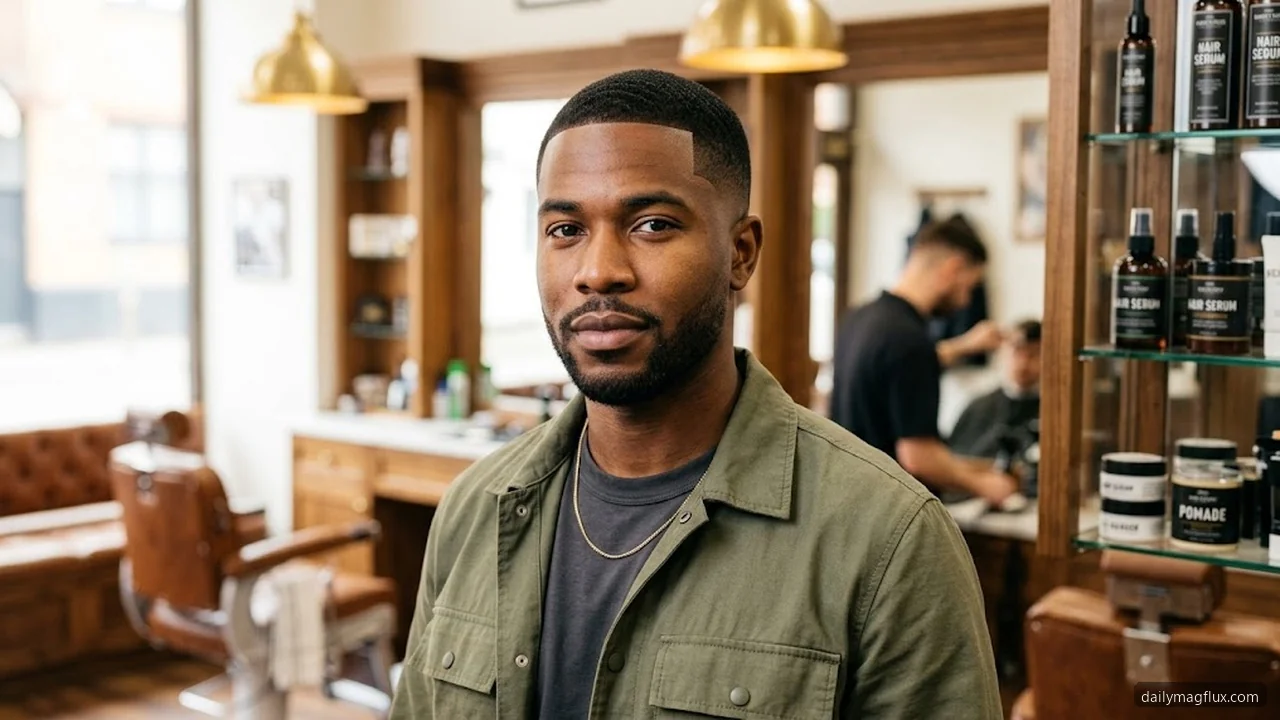
Preserving crisp edges requires gentle skin care and restrained trimmer habits. Avoid pressing blades aggressively against your temples, which aids in preventing razor bumps taper fade styles sometimes provoke.
Safe At-Home Trimming and Edge-Up Guidelines Between Cuts
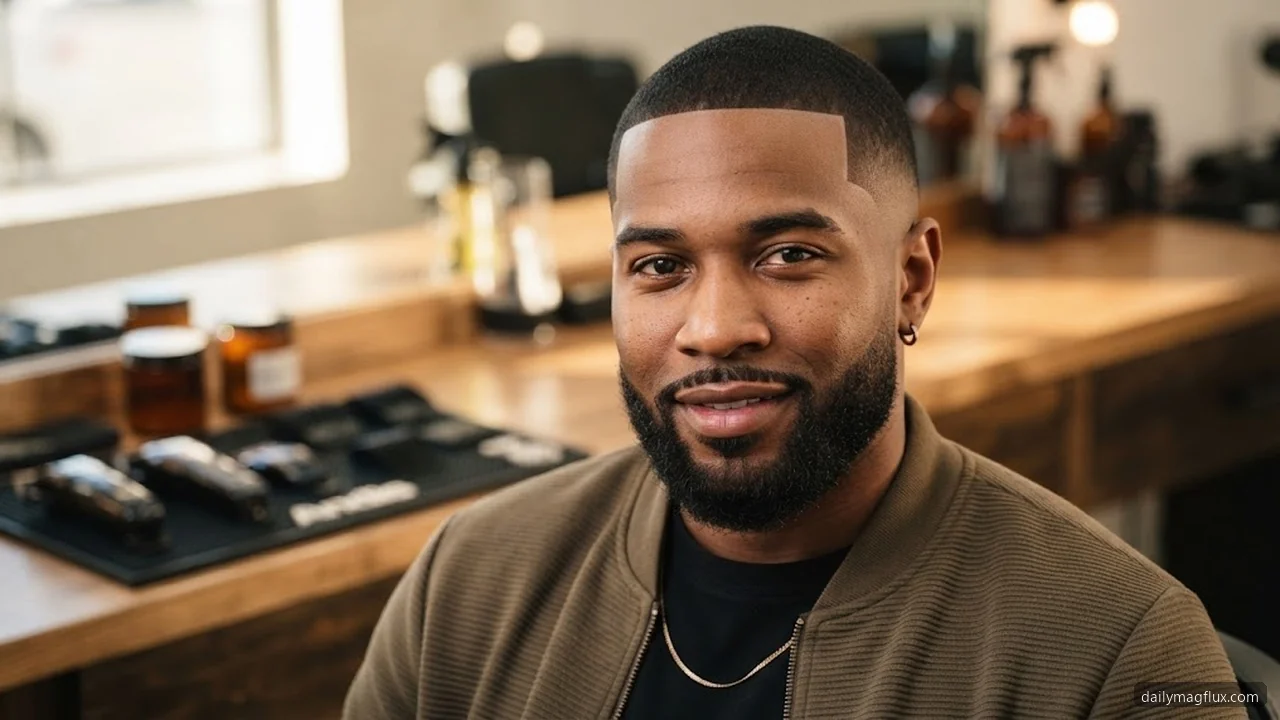
strokes. 43: Pushing 44: into 45: the 46: vertical 47: front 48: line 49:. Destroys 50: your 51: temple 52: taper 53: and 54: takes 55: weeks.
Low Taper Fade for Active Lifestyles and Sweat Management
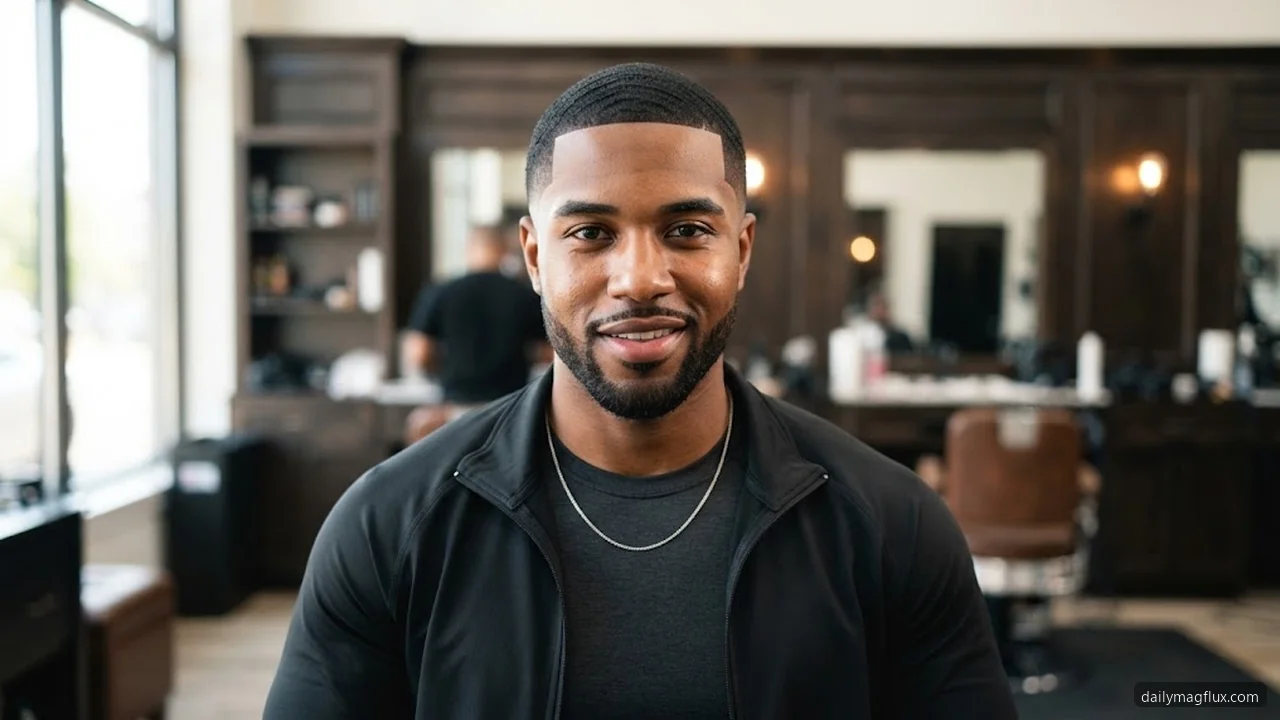
Intense training pushes salt and sweat directly into short temple hair. Daily workouts can ruin clean barber work without proper defense. Apply a light dry shampoo or matte dusting powder before you hit the gym floor. This pre-workout prep absorbs heavy grease before salt crystals can dry out your scalp skin. It keeps the neckline taper looking crisp during heavy movement.
Friction from tight headbands can scrub away stubble along low temple blends. A rough band rubs guard #0 and #1 areas raw during high-impact sets. Switch to a wide, moisture-wicking silicone band placed high on the forehead. Keep the fabric above your sideburn lines so the skin taper stays smooth. This barrier redirects sweat without grinding against sensitive faded edges.
Showering twice daily strips essential sebum from short back tapers very quickly. Avoid using harsh sulfate shampoos after every single lift or cardio session. Instead, rinse your hair thoroughly with cool water to wash away dried salt. Massage a lightweight cleansing conditioner through the top length and faded perimeter twice weekly. This routine shields your cuticles while keeping the scalp clean.
Preventing Ingrown Hairs and Scalp Bumps (PFB Care)
Curved hair shafts often turn back into tender neck skin after a fresh cut. This common irritation is known clinically as pseudofolliculitis bar
Managing Keloids and Nape Irritation on Sensitive Skin
Acne Keloidalis Nuchae causes hard, painful bumps on the lower neck. This condition often affects Black men with thick, coarse curl patterns. Tell your barber never to use a foil shaver on your nape. Ask them to leave hair at a number one-half guard length. A soft taper prevents
Protecting Exposed Faded Skin from Sun Damage and Hyperpigmentation
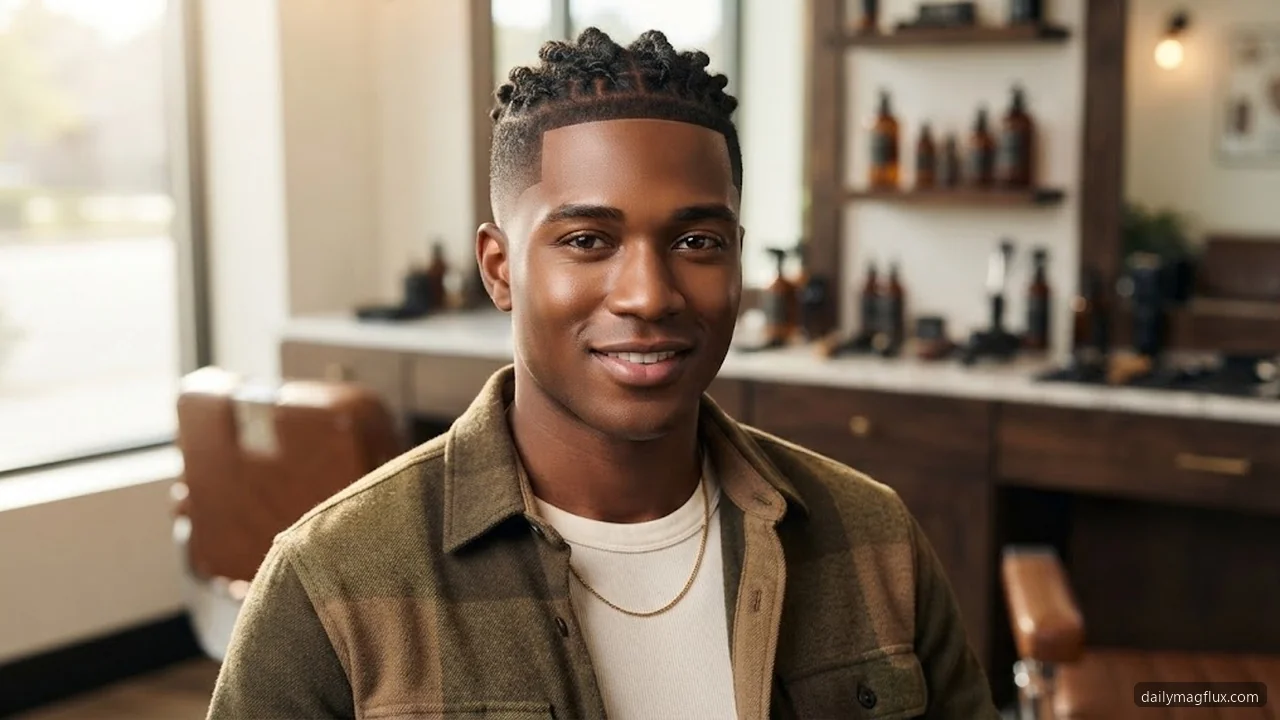
A skin fade leaves the lower neck and ear areas completely open to direct ultraviolet light. Freshly clipped skin lacks its natural hair barrier, making it tender and prone to acute irritation. Sun exposure quickly triggers post-inflammatory hyperpigmentation across these newly shaved zones. This reaction creates patchy, dark
Seasonal Hair Adjustments: Winter Moisture vs. Summer Humidity
Cold winter winds strip moisture from your scalp and skin rapidly. The bare skin around a low taper dries out first. You will notice dry white flakes near the sharp hairline edges. Massage raw shea butter into your three-inch top daily. Then, rub a light layer of jojoba oil across the exposed zero guard blend to stop itchy irritation.
Summer heat brings intense humidity that swells natural hair strands instantly. Heavy winter creams cause oily buildup and ruin your crisp taper line. Instead, use a lightweight, anti-humectant argan oil on damp hair. Lock the shape with a water-based, sweat-resistant matte pomade. This strong hold keeps your crown neat without melting down into your fresh skin fade during hot outdoor afternoons.
Best Products for a Low Taper Fade on Black Hair

Textured hair requires clean moisture and light hold to highlight faded edges. Heavy petrolatum products clog pores and ruin crisp temple lines quickly. Choosing water-based formulas
Common Low Taper Mistakes to Avoid
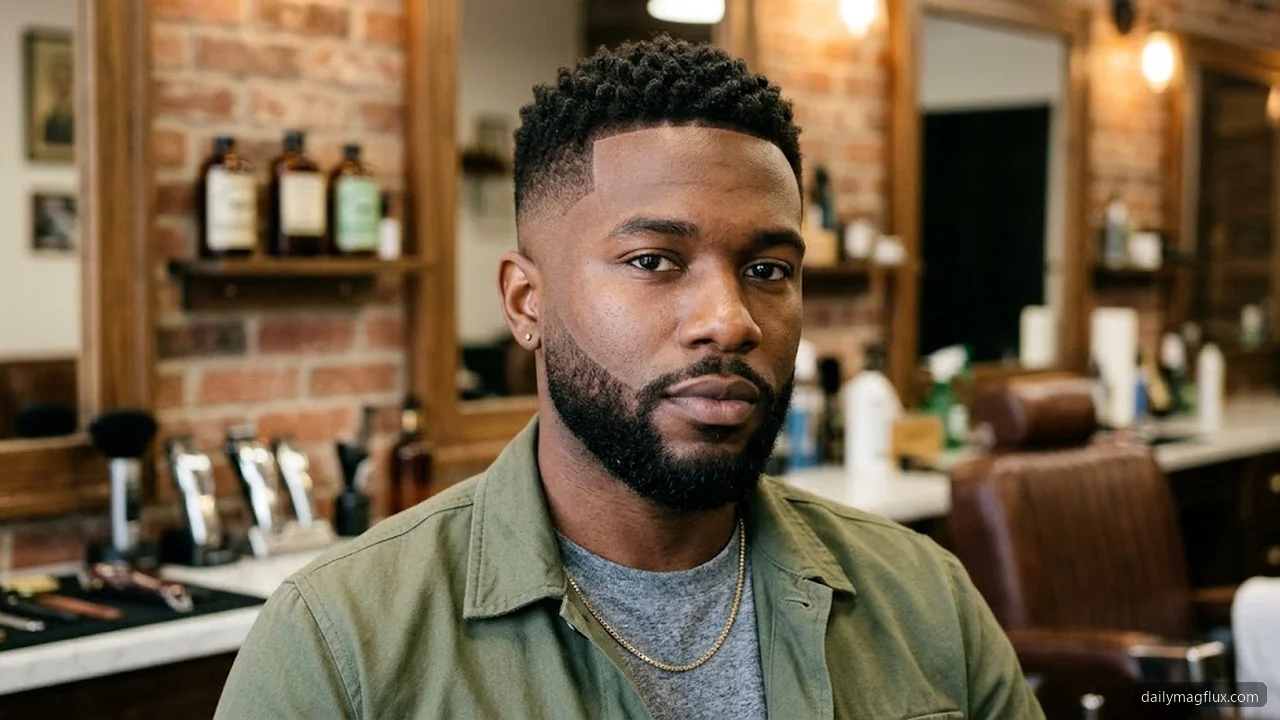
A clean cut can quickly turn messy if you or your barber make simple technical errors. Subtle details like fade height, edge placement, and heavy product amounts alter the overall
How to Transition and Grow Out a Low Taper Fade
Growing out faded temples and nape requires patience and calculated edge work. You do not just stop getting haircuts completely. Leaving the perimeter untamed creates an unkempt silhouette around your ears and neck. Instead, ask your barber to pause skin-close clipper blending while maintaining your top shape with shears.
Low Taper Fade Cost and Appointment Duration
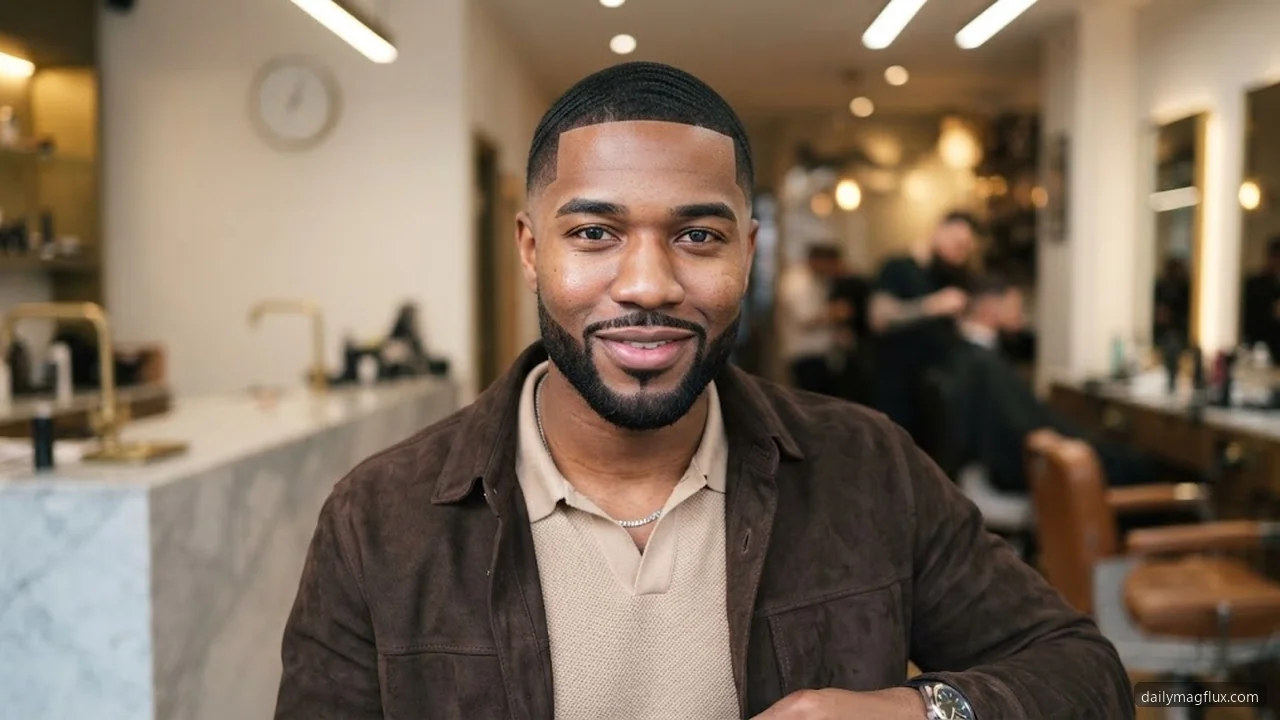
A standard taper fade typically costs between thirty-five and sixty dollars at a professional barbershop. Metropolitan shops or master barbers often charge upwards of seventy-five dollars if you request custom shears or hot
Is a Low Taper Fade Good for Professional and Formal Settings?
Corporate offices and formal gatherings readily welcome this clean, balanced haircut. The gradual skin fade stays low around the ears and nape. This positioning keeps the bulk of the
Low Taper Fades for Mature Black Men with Salt-and-Pepper Hair

Mature Black men can wear a low taper to showcase natural silver strands. The cut removes bulk right around the ears while leaving length on top. Gray hair often feels wiry, so keeping one inch of length prevents wild patches. A skilled barber blends from a closed #0 blade up to a #2 guard for smooth balance.
This subtle gradient gives an aging hairline a crisp, organized frame. Crisp edges create a clean look that sharpens soft jawlines on oval and square faces. The dark and white coils blend together across the temporal bone without harsh lines. This balance delivers a polished, distinguished style that honors your age while looking fresh and modern.
Gray coils need daily hydration because silver strands lose natural oils much faster. Apply two drops of lightweight argan oil to soften coarse 4C hair textures each morning. Ask your barber to taper the neckline down to skin every three weeks. This steady routine keeps the perimeter sharp and stops the salt-and-pepper pattern from looking unkempt.
Low Taper Fades for Young Boys and Teens
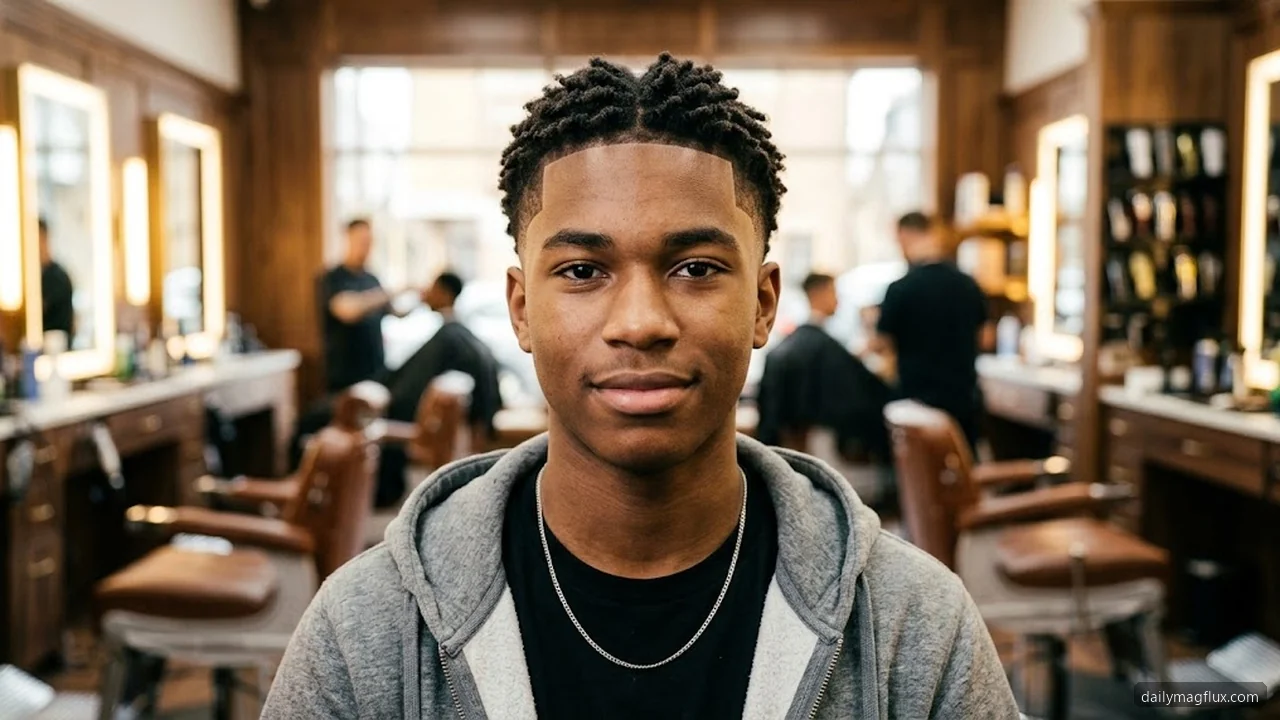
Young boys often have tender scalps that react poorly to harsh foil shavers. Barbers use a closed #1 guard instead of zero blades to protect delicate skin. This gentle blend cleans up the neck and temples without causing red clipper bumps. The finished cut easily satisfies strict school dress codes because the bulk around the ears stays neat.
Active teens playing youth sports need haircuts that survive sweat and helmets every single day. Leaving two to three inches on top lets hair reset quickly with water. Oval and round face shapes benefit from this balanced silhouette without looking too severe. Best of all, the tapered neckline grows out soft, so parents can safely skip weekly shop visits.
Mornings stay simple for busy students who cannot spend extra time styling before the school bus arrives. A dime-sized scoop of matte paste or lightweight styling cream controls messy bedhead in sixty seconds. Work the product through damp hair using your fingers rather than stiff combs. This light hold keeps the cropped fringe looking natural and clean until final bell rings.
Explore More Taper Fade Grooming Guides
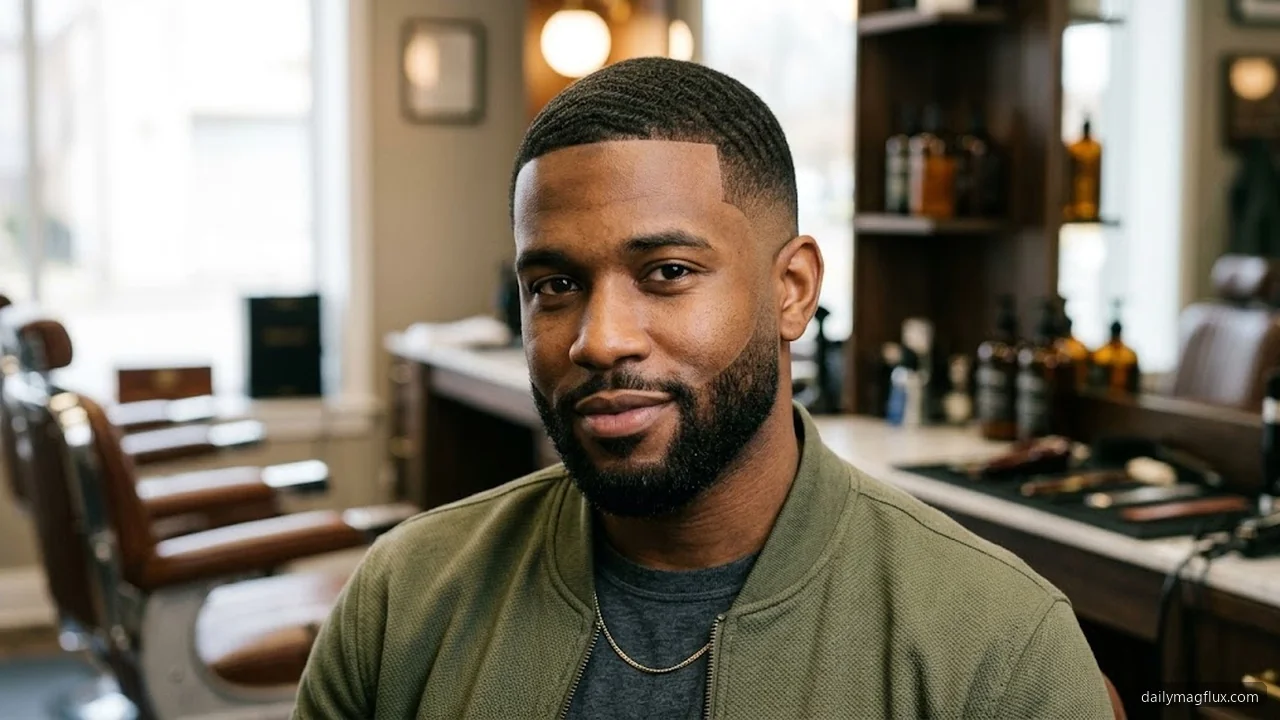
Mastering textured tapers requires exploring different drop levels, blend heights, and texture variations across hair densities. Compare our specialized breakdowns of mid tapers, temple fades, and wave care routines to expand your barbering knowledge. Mastering line retention and scalp care ensures your blends remain crisp between shop visits, regardless of top curl volume.
Frequently Asked Questions
How often should I get a low taper fade touched up?
To keep your low taper fade looking sharp and clean. You should plan to visit your barber every one to two weeks. Black hair textures thrive on precise edges, and the neckline and sideburn areas grow out quickly. Regular minor shape-ups preserve the gradient without needing a full cut every time.
Does a low taper fade work well with natural curls or afro textures?
Yes, the low taper fade is exceptionally suited for natural curls, coils, and full afros. It cleans up the perimeter around your ears and neck without sacrificing the overall bulk or shape of your hair. This creates a neat, professional frame that highlights your natural texture up top effortlessly.
Can I combine a low taper fade with protective styles like braids or locs?
A low taper fade pairs seamlessly with protective styles, including box braids, cornrows, two-strand twists, and dreadlocks. Blending the temples and nape prevents excessive pulling along sensitive hairline edges. This combination keeps your style looking fresh and intentional while protecting your scalp and promoting healthy hair retention over time.
What is the main difference between a low taper and a low skin fade?
The key difference lies in the placement and coverage of the faded areas. A low taper fade blends only the sideburns and neckline down to the skin. Leaving the hair above the ears intact. In contrast, a low skin fade takes the hair down to the scalp around the entire circumference.
How do I sleep with a low taper fade to keep it fresh?
Protecting your hair at night is essential for preserving the fade’s neat appearance and edge definition. Wear a silk or satin durag, wave cap, or bonnet to lock in moisture and prevent friction while sleeping. Sleeping on a satin pillowcase also minimizes morning frizz and keeps your hairline sharp.
Conclusion
Choosing a fresh look can instantly boost your everyday confidence and personal style. The Low Taper Fade Haircut for Black Men delivers neat edges while keeping natural volume. It smoothly cleans up your neckline and sideburns without touching your curls on top. You get an adaptable shape that looks professional at work and cool anywhere else.
Talk with your trusted barber to customize the taper for your exact hair texture. Regular trims every few weeks will preserve that crisp line and clean contrast nicely. A classic Low Taper Fade Haircut for Black Men stays modern throughout the whole year. Step into the new season with a handsome finish that always turns heads effortlessly.

Harrison Jax is a hairstylist and fashion writer with 10+ years in the industry, holding a Certified Cosmetologist license and a Diploma in Fashion Styling from the London College of Style. He’s contributed grooming and trend guides to GQ India and Vogue Blogs, and currently leads DailyMagFlux’s hair and fashion coverage, blending runway insight with practical, everyday styling advice.