

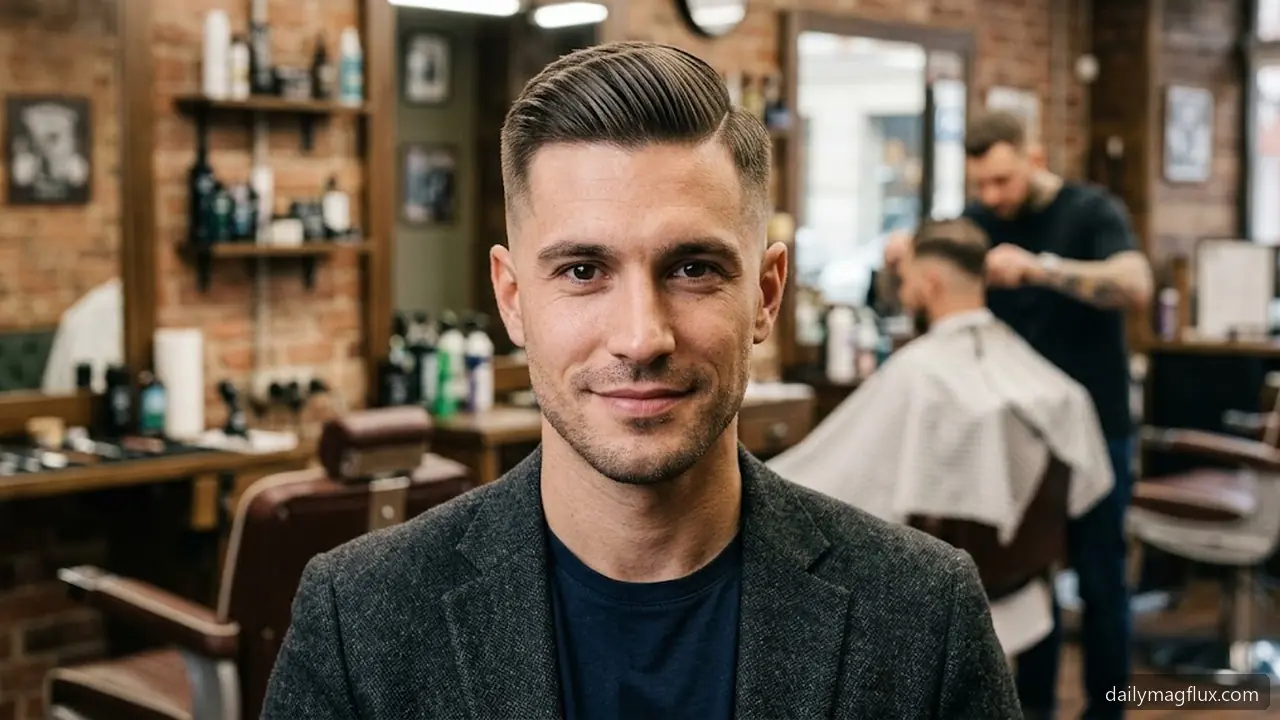
Mid Taper Fade Straight Hair keeps weight on top and fades the sides from the temple. It suits men whose hair lies flat, since the fade removes bulk cleanly. The blend starts at the temple and drops to a #1 near the ear. Top length runs two to four inches and is cut with scissors.
Straight hair with fine density hides clipper marks, so a softer blend is less important. Oval and square faces carry the shape well, while round faces need more height on top. Book a touch-up every three to four weeks, because the taper grows out first. Decide your part and top length before the cape goes on.
Quick Answer
Mid Taper Fade Straight Hair is a scissor-cut top with sides blended from the temple down. It suits straight hair that needs shape without losing length on top. Ask for a #1 to #2 at the bottom, blending up into a #3 or #4. Book a touch-up every three to four weeks to keep the blend sharp.
Visual Guide: Mid Taper Fade for Straight Hair

The sides stay short from the temple down, with a soft edge instead of a bald line. Above that blend, the top keeps its length and falls flat around the ears. Straight strands read as a clean, vertical shape when you face the mirror.
From the side, the taper follows the natural curve behind the ear. The back stays low at the nape, and the neckline looks natural. Ask your barber to show you the blend with a hand mirror before you leave.
What Is a Mid Taper Fade on Straight Hair?
A mid taper fade is a cut where the sides shorten from the temple line downward. It stops short of skin, so some length stays at the ear and nape. That differs from a low taper, which only touches the sideburns and neckline. Men ask for it because it tidies the sides without exposing the scalp.
Straight hair grows in a flat sheet, so a soft blend looks tidier than a sharp one. The mid height sits at the temple, which is the widest point of most heads. That placement narrows the silhouette and keeps the top looking full.
Why This Cut Works So Well for Straight Hair in 2026
Dark, thick strands show every clipper line, so a mid blend hides the transitions better. The fade removes weight at the sides, which stops flat hair from looking boxy. Leaving two to three inches on top gives you enough hair to style. Scissors do that work, since no guard cuts past one inch.
Best Mid Taper Fade Straight Hair Styles
Each cut below keeps the same mid blend but changes the top, the fringe or the finish. Choose by how much styling time you want each morning and how formal your week is. Your face shape decides which one flatters you most, so read the notes honestly. Hair density matters too, since fine straight hair falls flatter than thick hair. See American Academy of Dermatology hair care guidelines for more.
Textured Crop with Mid Taper
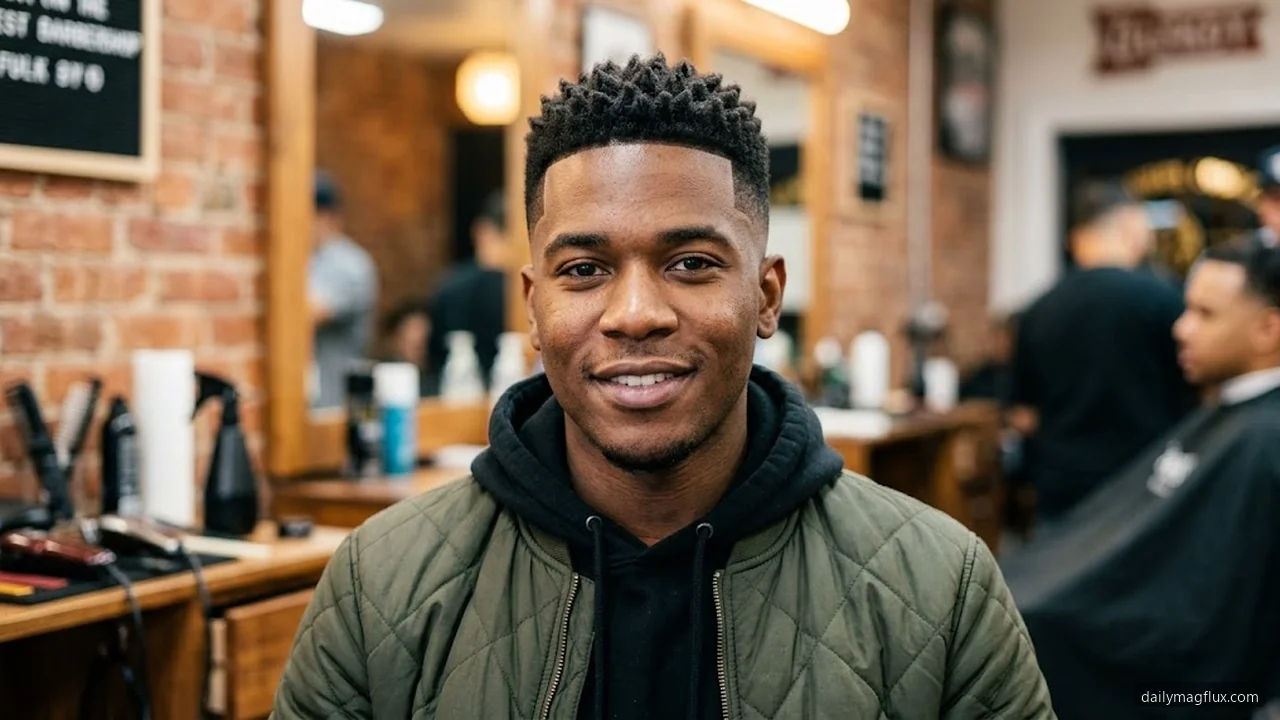
A textured crop keeps the top short and chopped, with point-cut ends that stand up. The mid taper runs from the temple to a #1 at the ear and nape. From the back, the blend looks rounded rather than squared off. It differs from a French crop because the top carries more texture than length.
Square and oval faces suit it, and thick straight hair holds the texture longest. Work a dime-sized amount of matte clay through damp hair, then pinch the front. The top measures about one and a half inches, cut with scissors over a comb. Book a touch-up every three weeks, because a crop loses shape quickly.
Hard Part Side Part Mid Taper
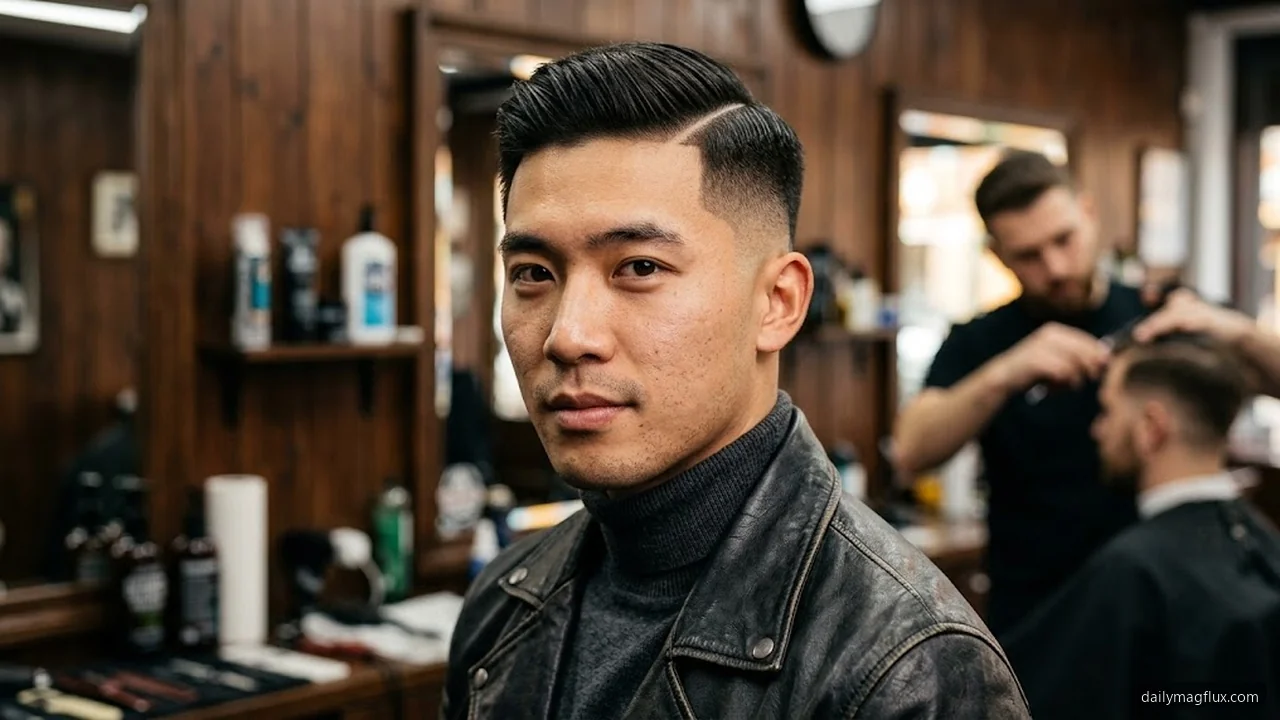
A hard part carves a clean line on one side, and the rest sweeps across. The mid taper keeps the sides tight from the temple down to a #2. Razor lines show best on dark, thick hair and fade fastest on fine hair. From the back, the part continues into a tidy, blended nape.
Oblong and oval faces wear it well, because the diagonal line adds width. Slick a pea-sized amount of light pomade from the part to the opposite side. Keep the top around two and a half inches so it still lies flat. Upkeep runs every four weeks, since the part line grows out first.
Curtain Fringe with Mid Taper
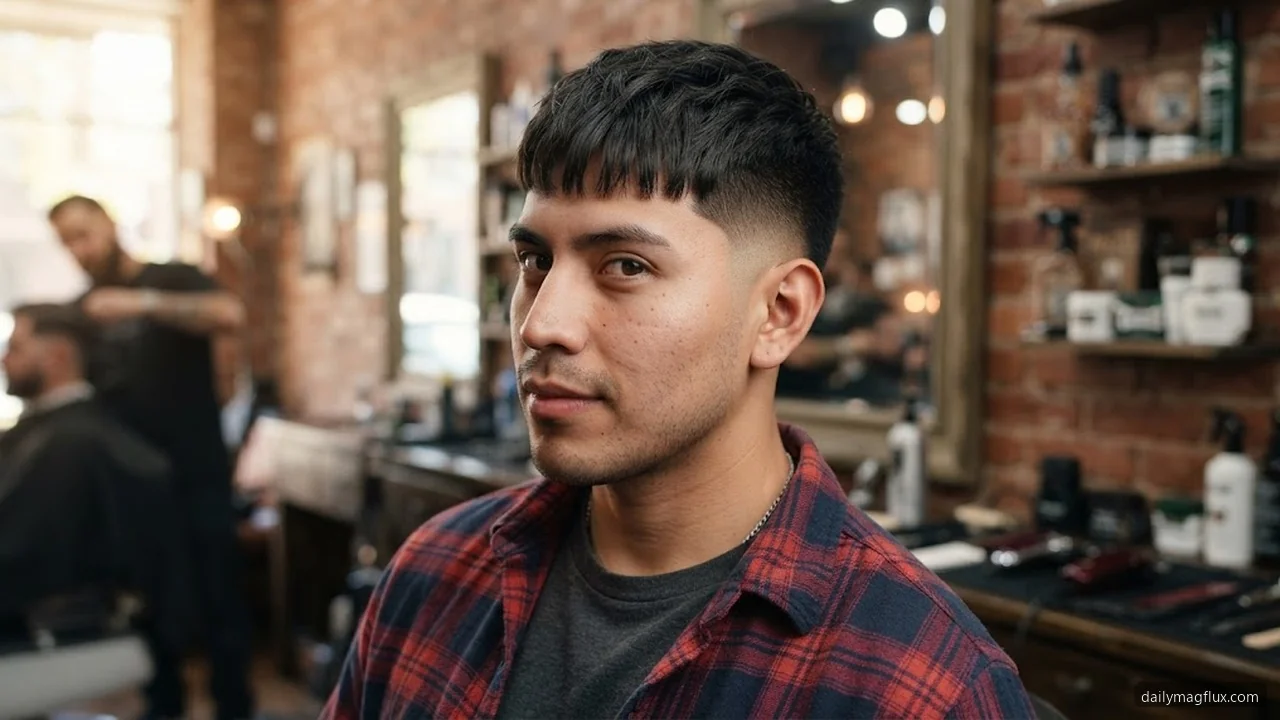
A curtain fringe splits the top hair into two halves that fall beside the eyes. The mid taper keeps the sides short from the temple to a #2 at the neckline. Straight hair parts naturally in the middle, which makes this style easy to wear. Unlike a slick back, the fringe stays loose instead of combed flat.
Heart and diamond faces suit it, since the fringe adds balance at the forehead and temples. Blow the top forward, then use a light gel to hold the split. Leave three inches on top so the curtain reaches your brow line. Touch up every four weeks, because the sides grow out first between visits.
Blowout & Volume Styles

A blowout lifts straight hair off the scalp, which stops the top looking painted on. The mid taper holds the sides close while the top gains height. Ask for a #1.5 at the ear blending into a #3 above it. From the back, the volume tapers down into a tidy nape.
Round faces gain the most, while oblong faces should skip the height. Spray sea salt spray into damp roots, then blast them with a round brush. Keep four inches on top if you want a visible lift after styling. Upkeep sits at five weeks, since the top carries most of the shape.
Fringe with Mid Taper
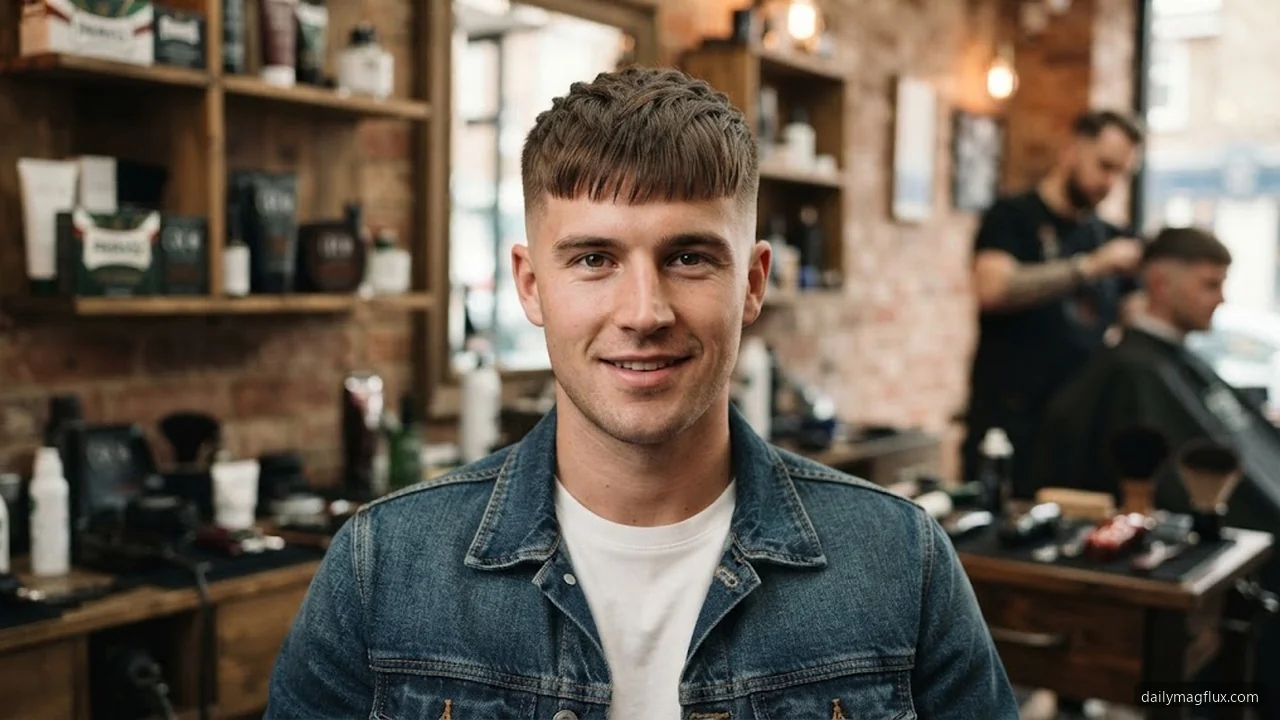
A blunt fringe cuts a straight line across the forehead and hangs forward. The mid taper keeps the sides tight from the temple to a #2 at the ear. This style hides a receding hairline better than a slick back does. Straight hair holds the line well because the strands fall evenly.
Heart and triangle faces suit a fringe, since it adds weight near the brow. Ask for two inches on top, cut with scissors so the edge stays blunt. Run a dime-sized amount of paste through dry hair to separate the strands. Touch up the sides every three weeks if you like a sharp blend.
Textured fringe versions chop the ends so the hair breaks into pieces. That softer edge suits fine straight hair, which clumps when cut bluntly. Keep three inches on top and thin the ends with thinning shears. Wash less often, because natural oils help a fringe sit flat.
Short and Long Taper Styles
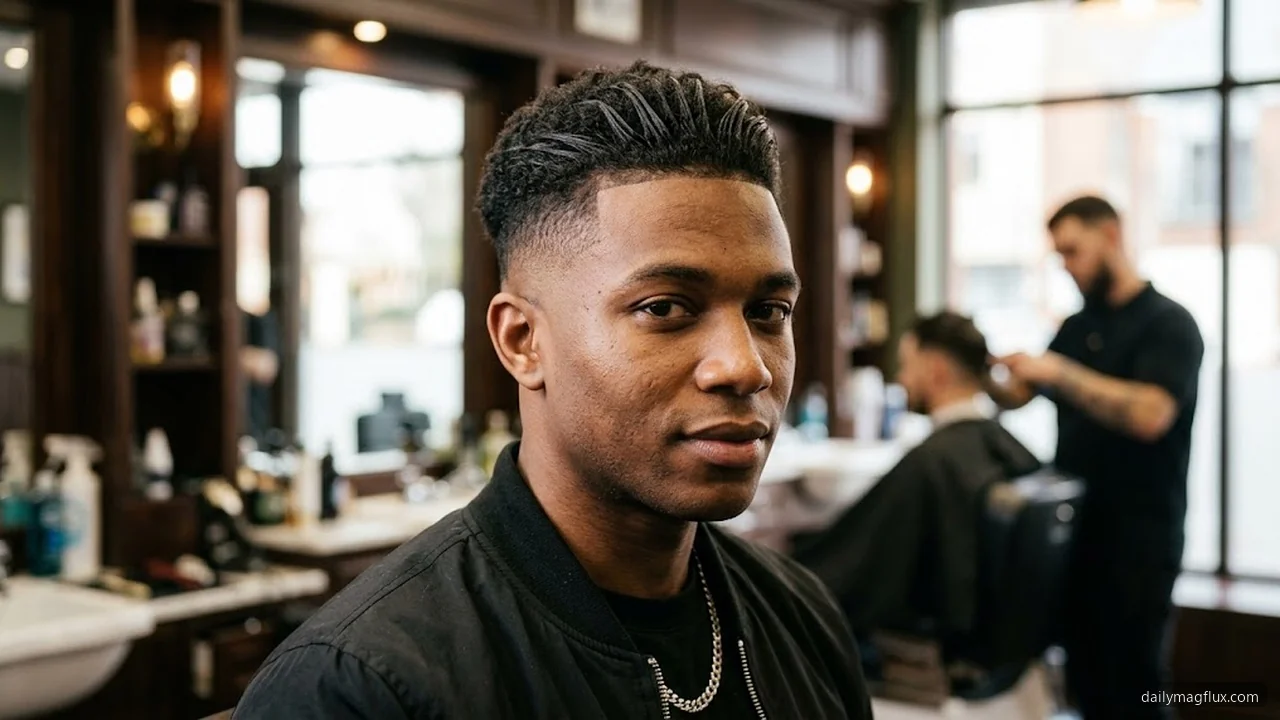
A short taper keeps the top at one inch and blends the sides to a #0.5. It reads as a tidy buzz with a soft edge rather than a bald fade. Fine hair looks fuller at this length because every strand stands evenly. Touch up every two to three weeks, since short sides show growth fast.
A long taper leaves four to six inches on top and only tapers the nape. The sides keep their length, which suits men growing out a shorter cut. Straight hair falls into a smooth curtain when the top carries weight. Book every six weeks, because only the neckline and sideburns need work.
Choose the short version if you want low effort and a crisp outline. Pick the longer cut when you want movement and you style your hair daily. The short version keeps the mid height, while the long taper only touches the nape. Square faces can wear either, since the jaw already carries the shape.
Blonde Mid Taper Styles

Bleaching straight hair opens the cuticle, which makes each strand feel thicker. A mid taper keeps the sides dark or natural while the top lifts lighter. Ask for a #1 at the bottom and a #3 just above the blend. Keep two inches on top so the colour still shows some movement.
Cool ash tones suit light skin, while warm honey tones flatter olive skin. Oval and square faces carry the contrast between dark sides and light top. Use a pea-sized amount of matte clay, since shine makes colour look brassy. Refresh the colour every six to eight weeks to keep the tone even.
Burst Drop and Skin Fade Combos
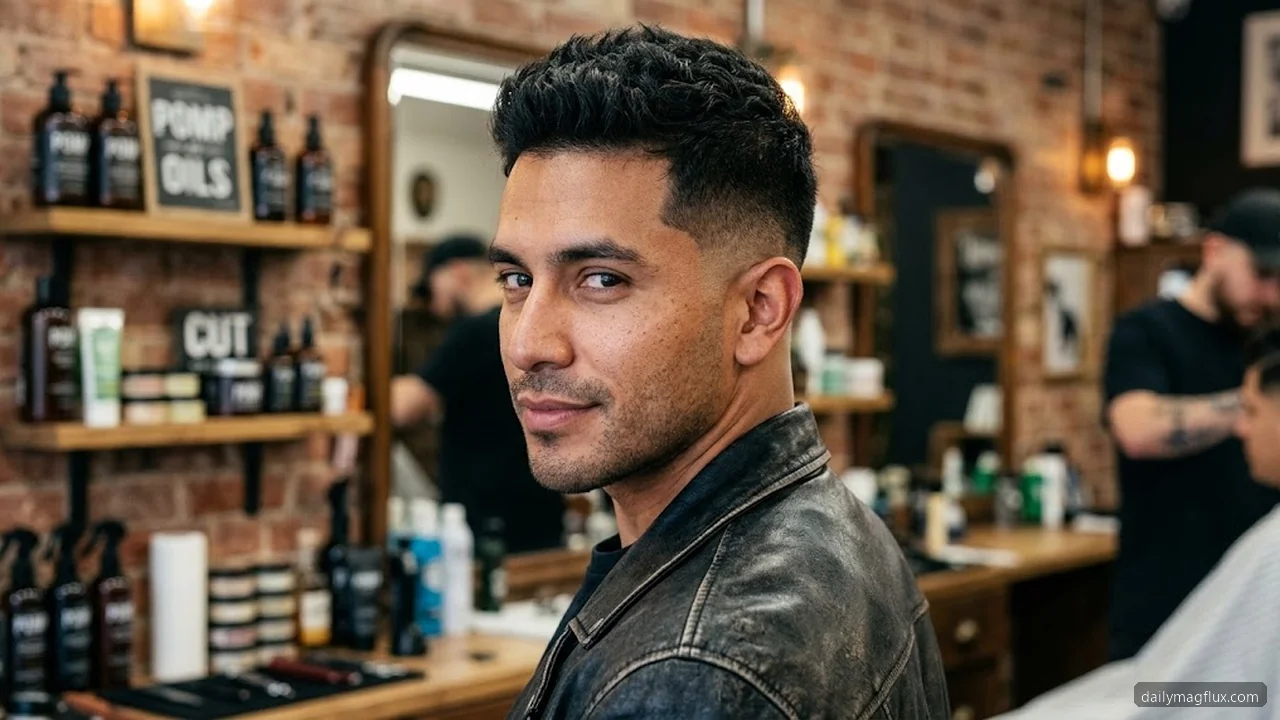
A burst fade arcs around the ear and leaves the back longer than the sides. Pair it with a mid taper and the blend still starts at the temple. Keep two inches on top and let the back reach the nape naturally. Curly hair suits this shape, though straight hair works with a round brush.
A drop fade curves down behind the ear instead of running straight across. At mid height, it hides the crown’s growth while the top stays long. Ask for a #0.5 at the bottom and a #2 above the curve. Upkeep lands at three weeks, since the curve loses definition first.
A skin fade drops to #0 or a foil shaver, so the sides show scalp. Combining it with a mid taper only works if the top stays long. Keep three inches on top so the contrast does not look severe. Touch up every two weeks, because a skin fade shows regrowth fastest.
Buzz Cut and Low Taper
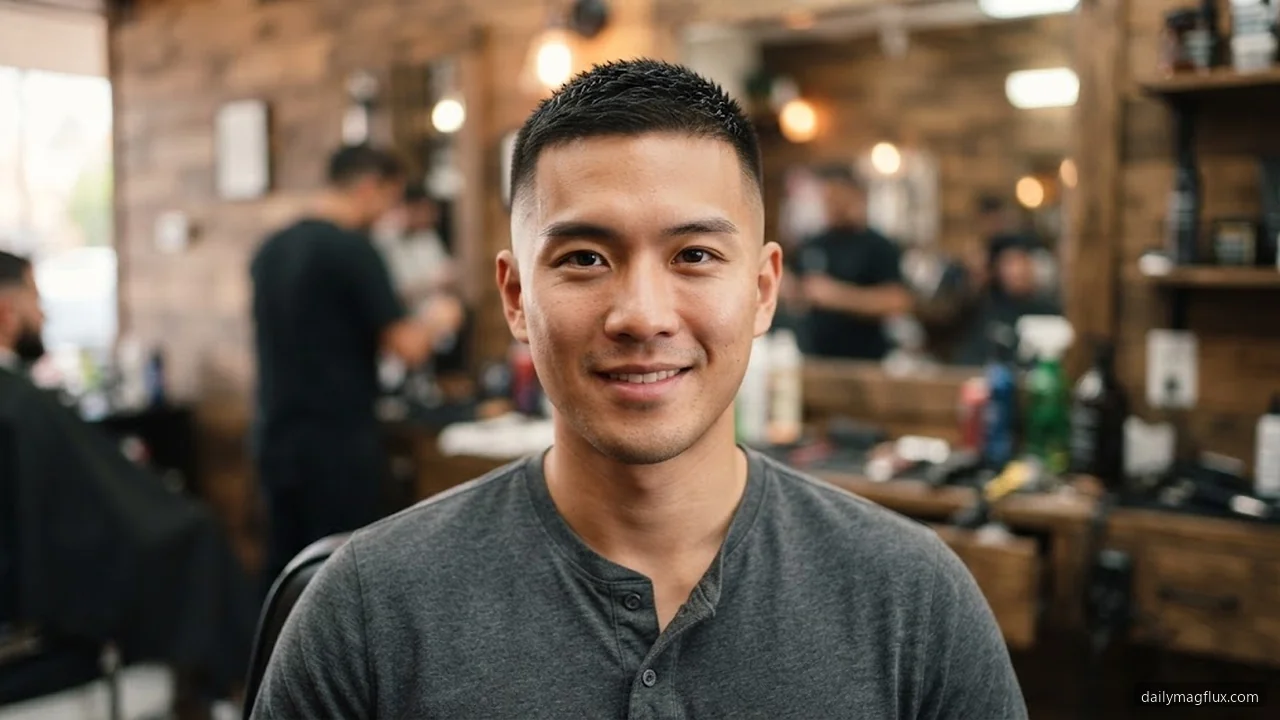
A buzz cut keeps the whole head at one length, usually a #2 or #3. Adding a low taper tidies the sideburns and nape without a full fade. That combination suits men who want a short cut but dislike skin on the sides. Straight hair lies flat at this length, which keeps the shape clean.
A mid taper differs here, since the blend starts higher at the temple. Choose the low version if you work somewhere that dislikes tight sides. Ask for a #3 on top with a #1.5 at the sideburns for a soft finish. Round faces should skip the buzz, because it removes all the height.
Upkeep for a buzz with a low taper runs about four weeks. The top grows evenly, so you never get an awkward shape between visits. Wash with a gentle shampoo and skip heavy products that clog the scalp. A tiny amount of matte paste adds grip without making the cut look greasy.
Slick Back Beard and French Crop
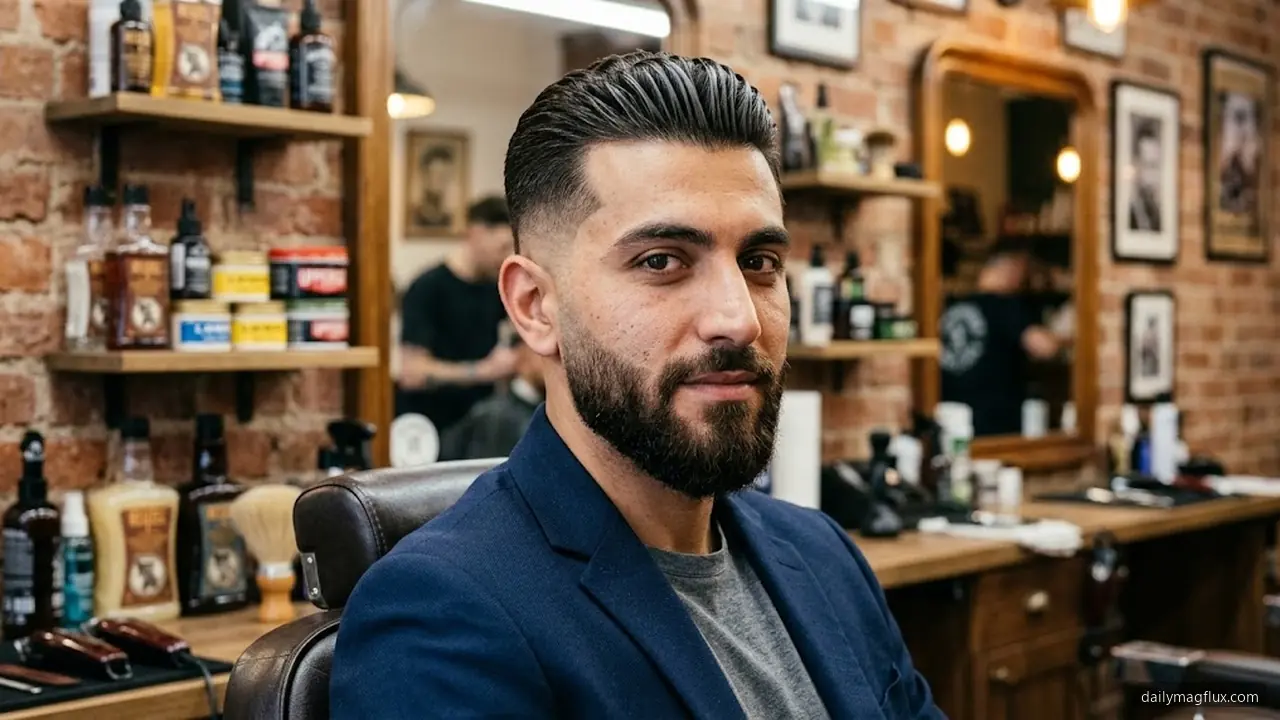
A slick back pulls the top hair straight back from the forehead with pomade. The mid taper keeps the sides short from the temple to a #2 at the nape. Straight hair behaves best here, since wavy strands refuse to lie flat. Leave four inches on top so the back edge stays visible.
Pairing the fade with a beard balances a long face or a narrow chin. Keep the beard at half an inch and square the cheek line. Trim the neckline one finger above the Adam’s apple for a natural edge. Square and oblong faces carry this pairing well, since it adds weight below.
A French crop keeps the top short with a blunt fringe pushed forward. The mid taper trims the sides to a #1 and leaves the fringe heavy. It differs from a textured crop because the fringe stays blunt, not chopped. Two inches on top gives the fringe enough weight to sit forward.
Fine straight hair suits the crop, while thick hair needs thinning first. Diamond faces gain width across the forehead, while heart faces use the fringe to cover it. Style it with a dime-sized amount of matte clay worked into dry hair. Touch up every three weeks, since both the fringe and the sides grow fast.
Design Fluffy and Middle Part
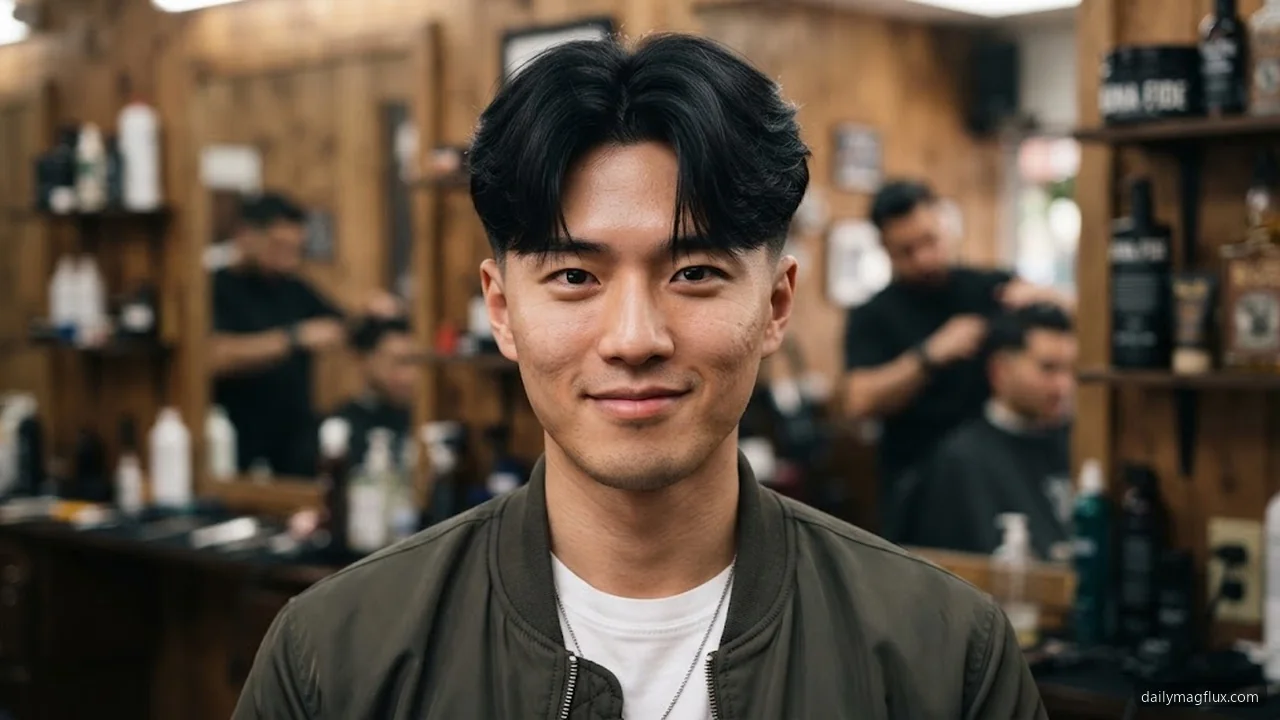
A design cuts a shape or line into the faded side with a trimmer. Most barbers place it above the ear, where the mid blend shows most clearly. Keep it small, because a large design needs shaving every fortnight. Dark, thick hair shows the lines best, while light hair hides them quickly.
Teenagers often ask for a design, since it personalises a simple taper. Ask your barber to keep the line one inch above the blend for balance. Upkeep sits at two weeks, because the shaved line fills in first. Skip it for job interviews, since some workplaces dislike a visible trim.
Asian Straight Hair Taper
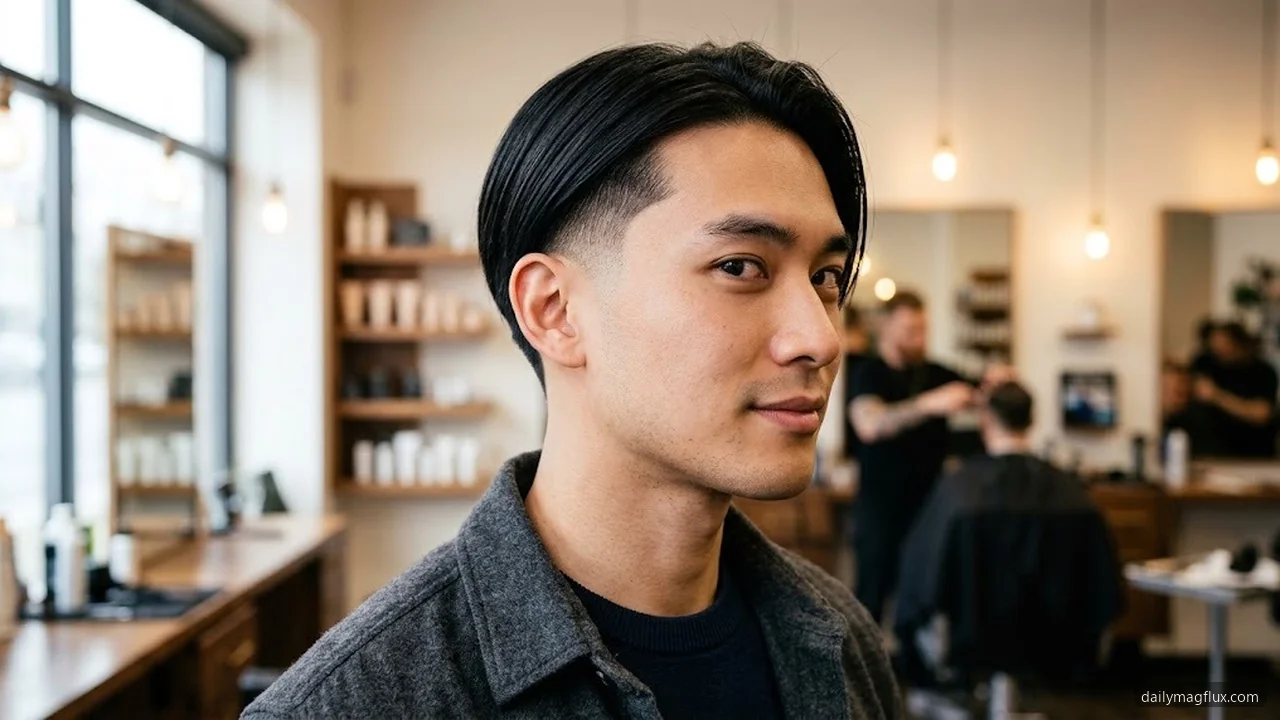
Asian straight hair often grows thick and dense, with strands that lie flat. A mid taper removes weight at the sides, which stops the cut looking round. Ask for a #1 at the bottom and a #3 above the temple. Texturising the top stops the hair from dropping into a heavy block.
Keep two to three inches on top so the texture has room to move. Square and oval faces suit this shape, since the sides stay narrow. Work a small amount of matte clay through towel-dried hair for grip. Touch up every three weeks to keep the blend from rounding out.
More Taper Variations
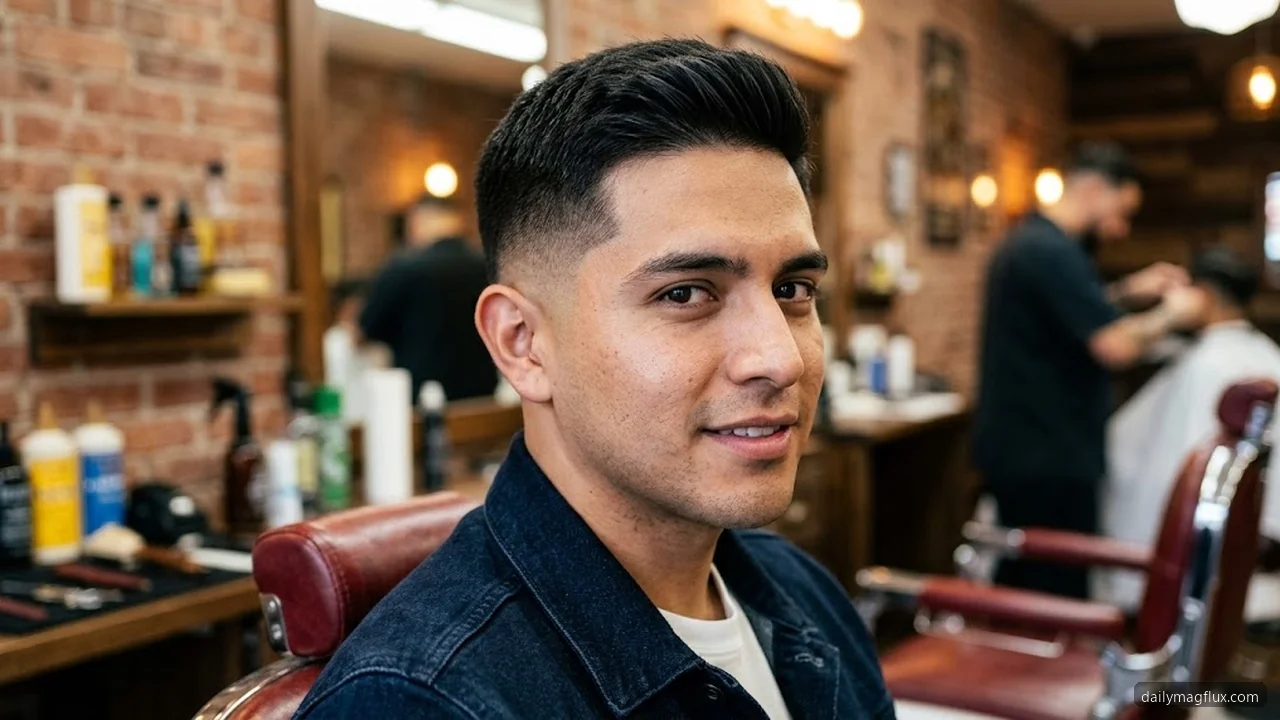
A taper fade can sit on one side only, which barbers call an asymmetric taper. The other side keeps its length, so the cut looks deliberately uneven. Ask for a #1 on the faded side and a #4 on the longer one. Oblong faces suit it well, because the diagonal line breaks up the length.
A temple fade starts at the temple only and leaves the nape untouched. It suits men growing out a full fade who want a tidier front. Keep the sides at a #2 above the ear and let the back stay longer. Upkeep runs every five weeks, since the nape is not being cut.
How to Ask Your Barber for a Mid Taper Fade
Bring a photo and a clear plan, because vague requests produce vague fades. Your barber needs the fade height, the bottom guard and the top length. Say all three before the clippers start moving. Good photos show the blend from the side and the back, not just the front. See Healthline hair health and wellness resources for more.
Key Phrases to Use With Your Barber
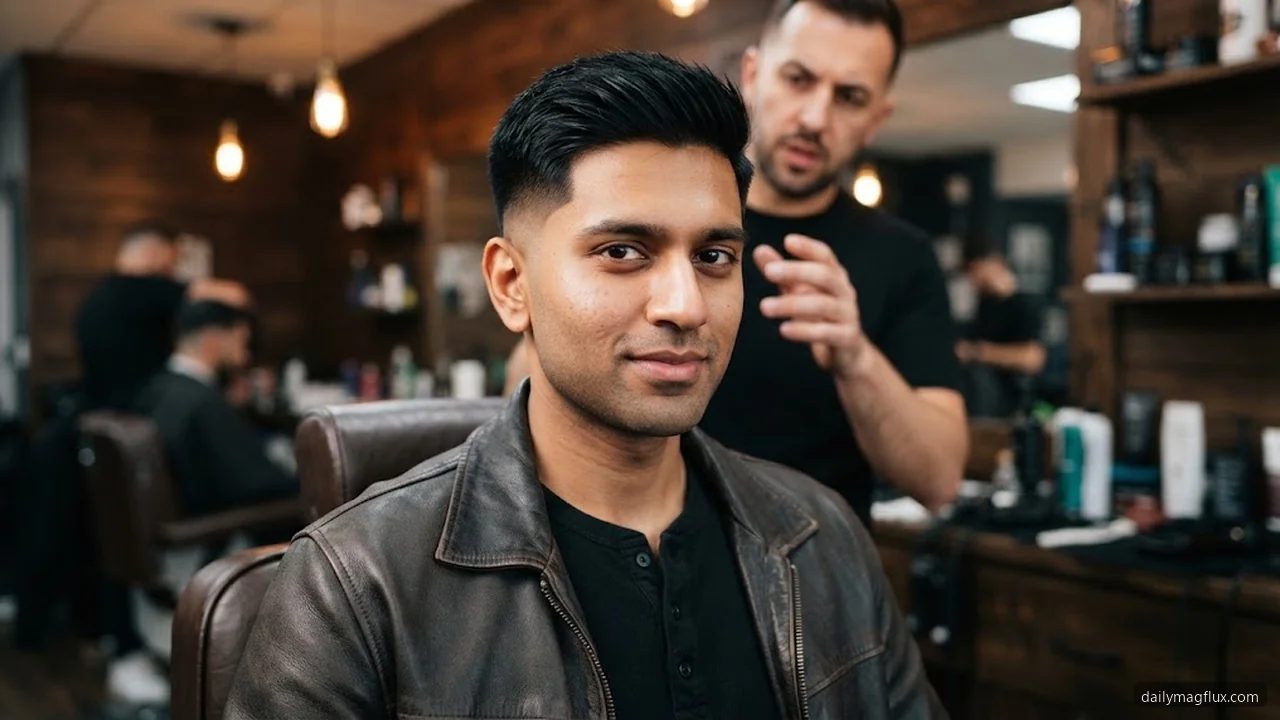
Tell your barber: “Mid taper fade, #1 at the bottom blending to a #3. Keep two inches on top.” Then add: “Keep the neckline natural. Leave the sideburns soft rather than squared.” Mention which side you part on. So, the top gets cut to follow it. Ask them to texturise the ends so the hair moves instead of sitting flat.
The Guard Number Blending Sequence
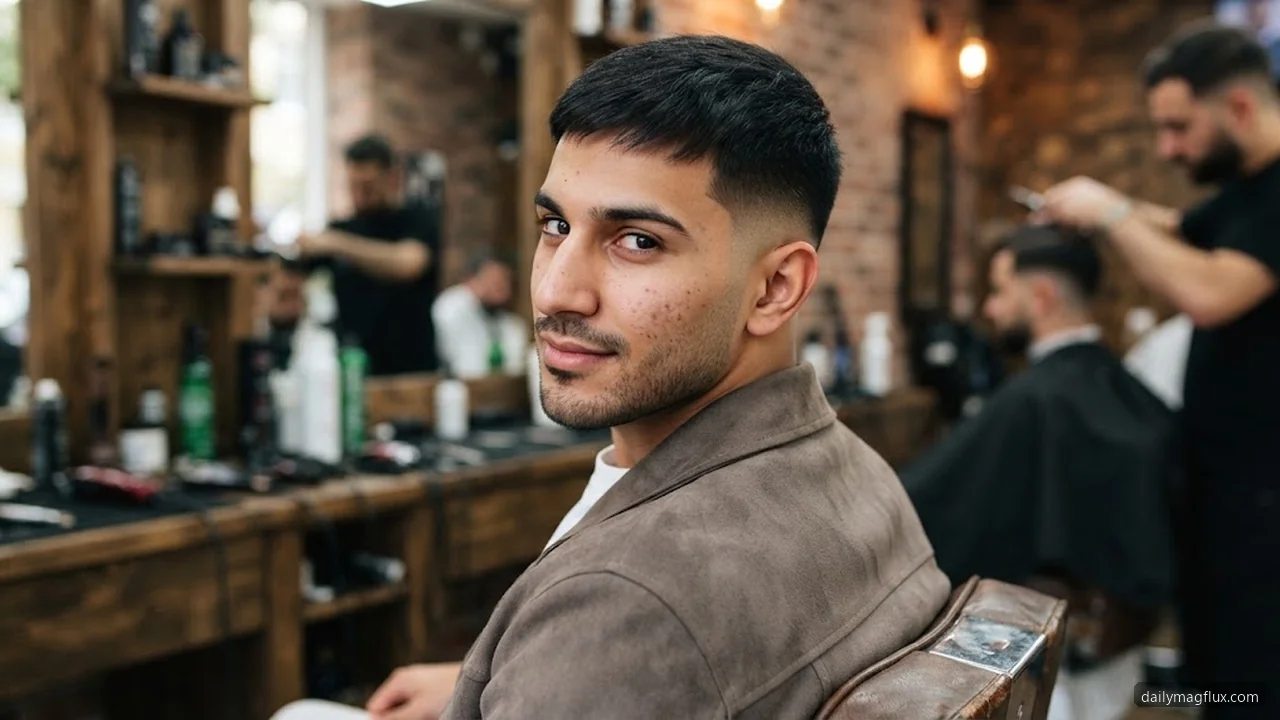
Start the taper with a #1 along the bottom edge and the sideburns. Move up to a #1.5 halfway, then blend into a #2 just above it. Finish near the temple with a #3, so the transition fades softly.
Flick the clipper blade outward as you climb, which softens each line. Never jump two guard sizes at once, because that leaves a hard ridge. Comb the hair up between passes so you can see the blend clearly.
Common Mistakes to Mention
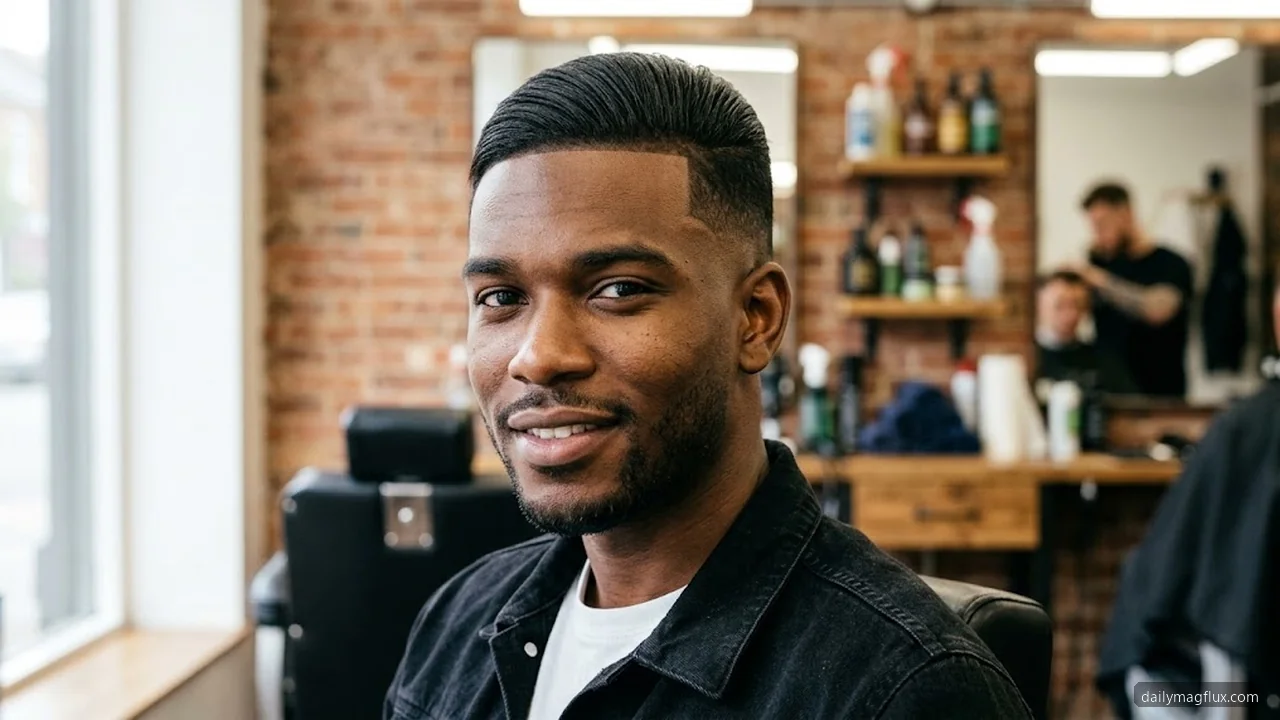
- Don’t rush the blend: Rushing leaves a visible ridge that shows worst on dark, thick hair.
- Don’t skip the guard sequence: Each guard removes half the line left by the one before it.
- Don’t use heavy gel: Say you want a matte finish, since gel flattens straight hair.
Common Mid Taper Fade Mistakes to Avoid

Some barbers take the taper too high, which turns it into a high fade. Others leave a hard line above the ear that looks like a shelf. Point at your own temple and tell them the blend should start right there.
Thick hair shows every ridge, so ask for a softer blend with more flicking. Thick hair can take a tighter blend, but it still needs clean transitions. Bring a photo of the back, since that is where fades fail most.
How to Maintain a Mid Taper Fade for Straight Hair
Keeping the shape sharp takes less work than most men expect. The sides grow out first, while the top holds its length for weeks. A simple routine at home keeps the blend looking fresh between visits. Plan your next appointment before the current one fades.
Touch-Up Schedule
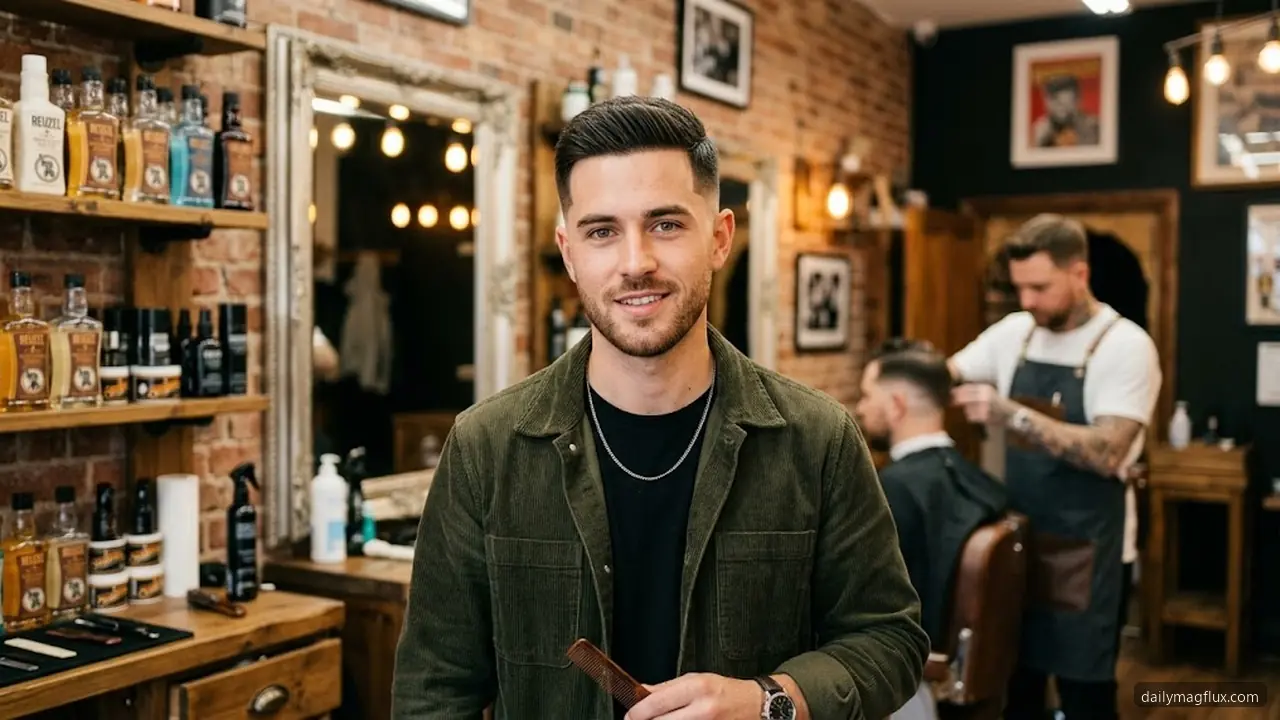
The sides and nape grow out first, so they set the schedule. Book a touch-up every three to four weeks to keep the blend clean. Hair grows about half an inch a month, and no cut changes that rate. If you wear a skin fade, come back every two to three weeks instead.
Daily Styling Routine
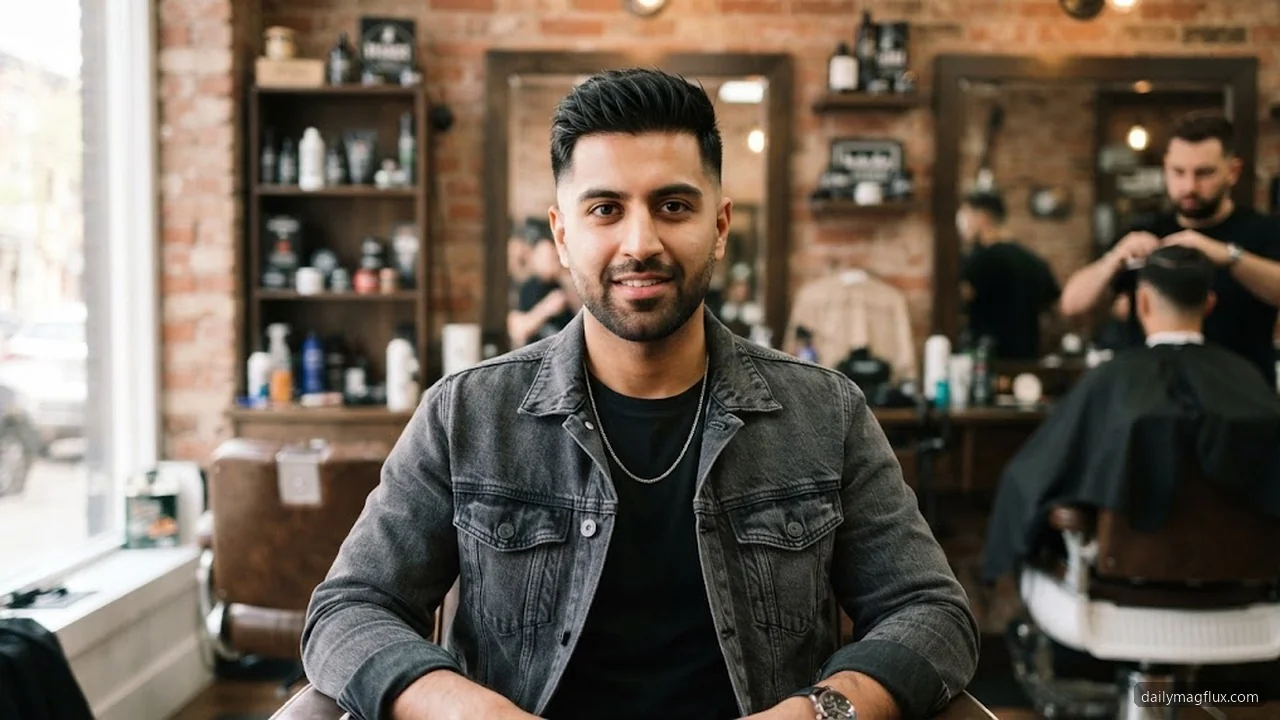
Start with towel-dried hair, because straight hair sets as it dries. Rub a pea-sized amount of matte clay between your palms first. Work it from the back toward the fringe, then push the top where you want it. Finish with a comb to smooth the sides without flattening them.
Products That Work Best
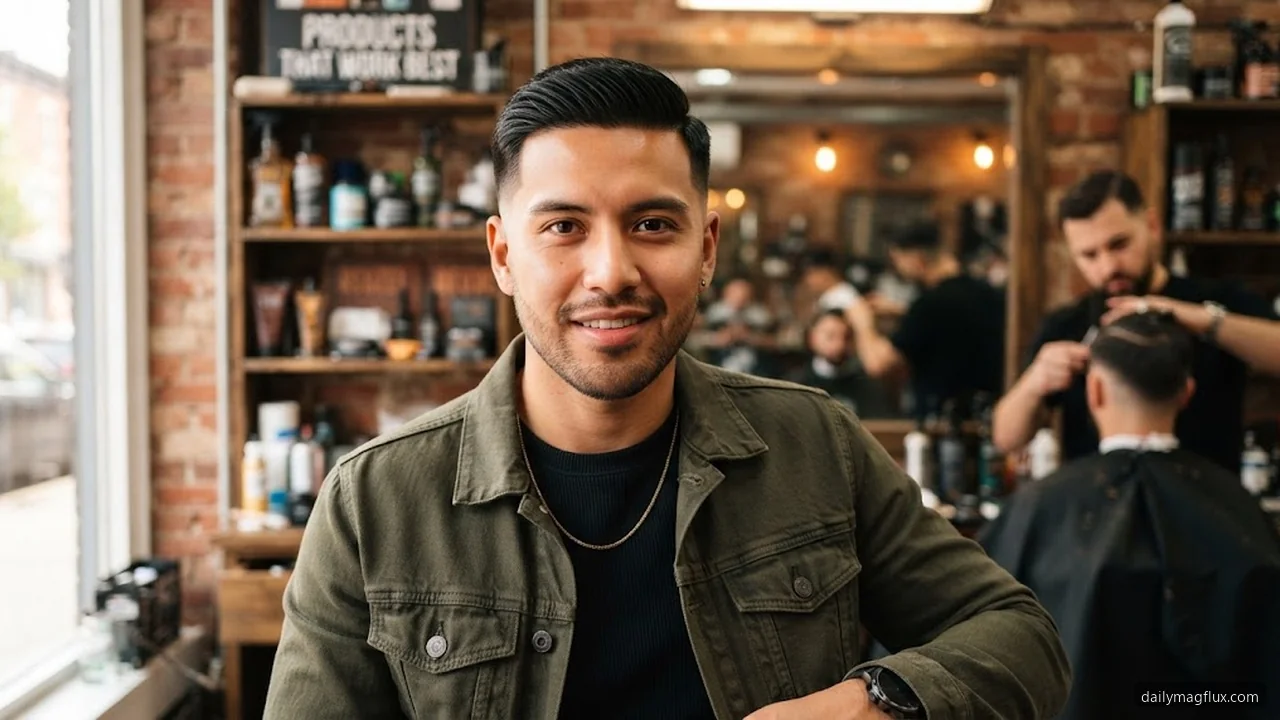
- Matte clay: A pea-sized amount adds texture and hold without shine on straight hair.
- Light pomade: A dime-sized amount gives shine and keeps a side part sitting flat.
- Sea salt spray: Four sprays at the roots build grit and lift fine hair before blow drying.
- Avoid heavy gel: It dries stiff, so the top cracks instead of moving through the day.
Best Mid Taper Fade for Straight Hair by Face Shape
Your face shape decides how high the volume should sit and how tight the sides can go. The mid height flatters most shapes because it narrows the widest point of the head. Read the row that matches your face, then take that note to your barber. Every row below keeps the fade at the same mid height.
| Face Shape | Best Variation | Guard / Length |
|---|---|---|
| Oval | Textured crop with a soft blend | #1 bottom to #3 above, 2 inches on top |
| Square | Blunt fringe with a mid blend | #2 at the ear to #4, 2 inches on top |
| Round | Blowout with height through the top | #1.5 at the ear to #3, 4 inches on top |
| Heart | Curtain fringe with a soft temple blend | #1.5 bottom to #3, 3 inches on top |
| Oblong | Fringe worn forward, low volume | #2 bottom to #3, 2.5 inches on top |
Oval Face
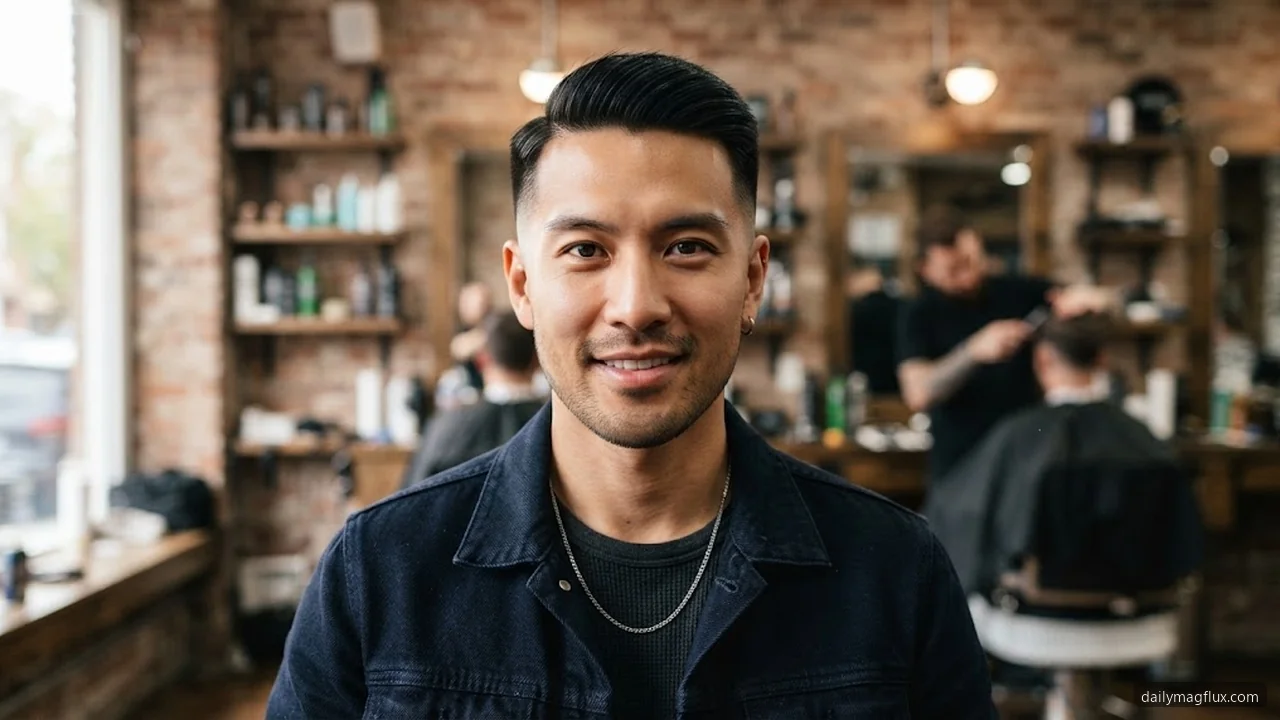
Almost every variation works here, since your length and width stay balanced. A textured crop with a #1 to #3 blend keeps the shape tidy. Two inches on top gives you enough hair to style with clay. Avoid very tight temples, because they can narrow the face too much.
Square Face

A strong jaw and broad forehead carry tighter sides without looking harsh. A blunt fringe softens the angles while the mid blend narrows your temples. Ask for a #2 at the ear rising to a #4 near the blend line. Texture on top keeps the cut from looking too formal.
Heart-Shaped Face
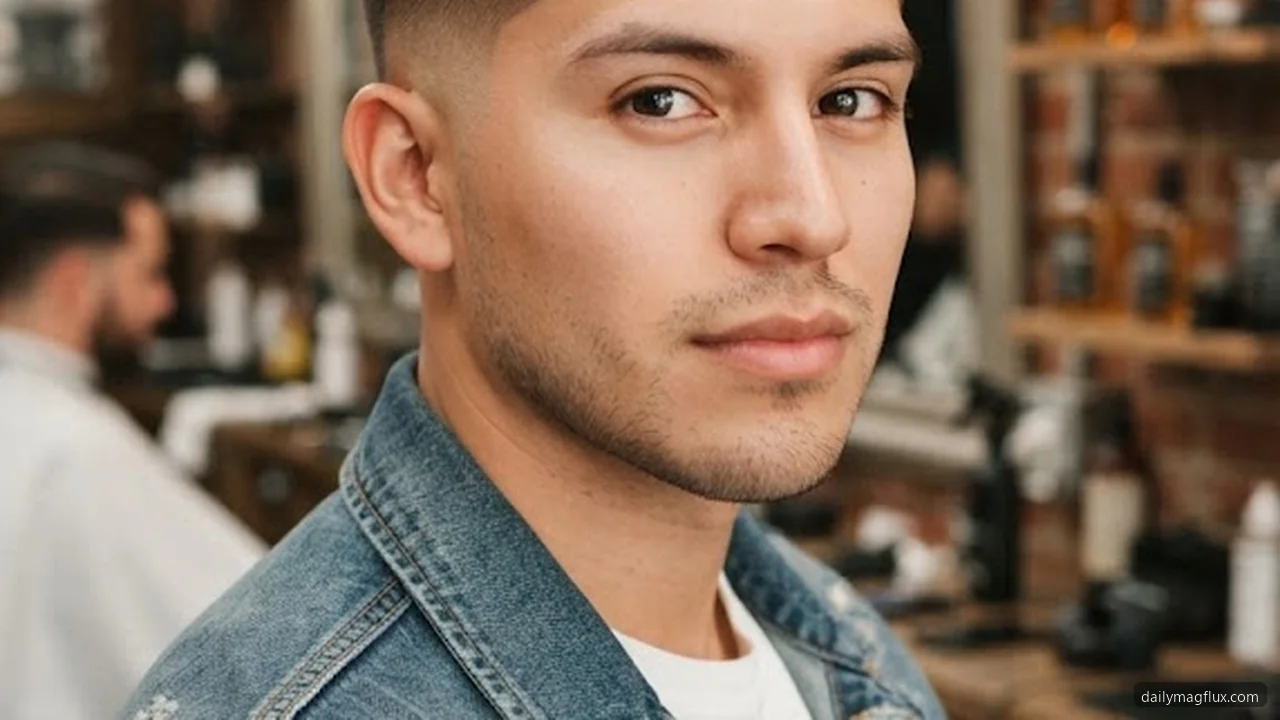
A wide forehead with a narrow chin needs weight near the brow. A curtain fringe or side sweep balances that difference better than a slick back. Keep the sides at a #1.5 and leave three inches on top. Skip very tall volume, because it widens the forehead further.
Best Mid Taper Fade Styles by Age Group
Age changes how much styling time you want and how tight the sides can look. School rules, office dress codes and hairline changes all shift the best choice. The three groups below keep the same mid height but differ in length and finish. Pick the one that matches your week, not just your mirror.
Teenagers
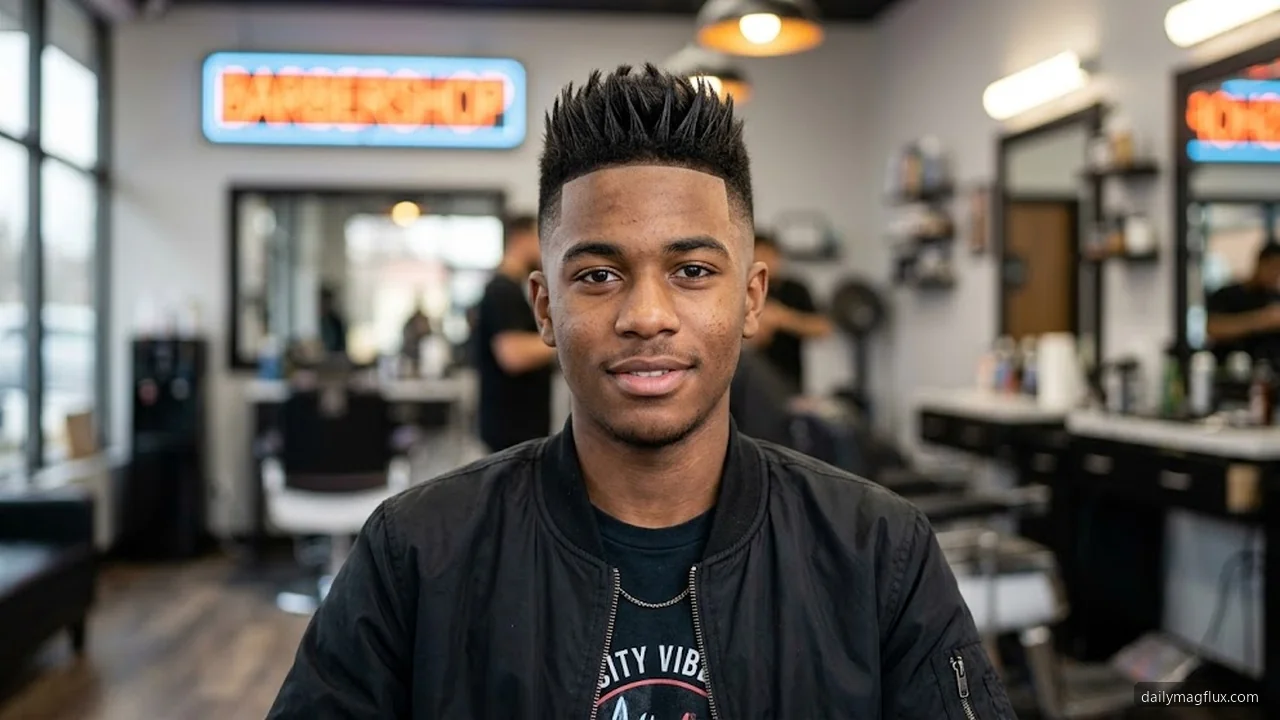
A textured crop with a #1 to #3 blend suits most teenagers, since it needs little styling. Keep two inches on top so the front still moves after sport. Ask for a natural neckline, because a sharp line looks grown out within days. Touch up every three weeks to keep the shape sharp.
Young Men
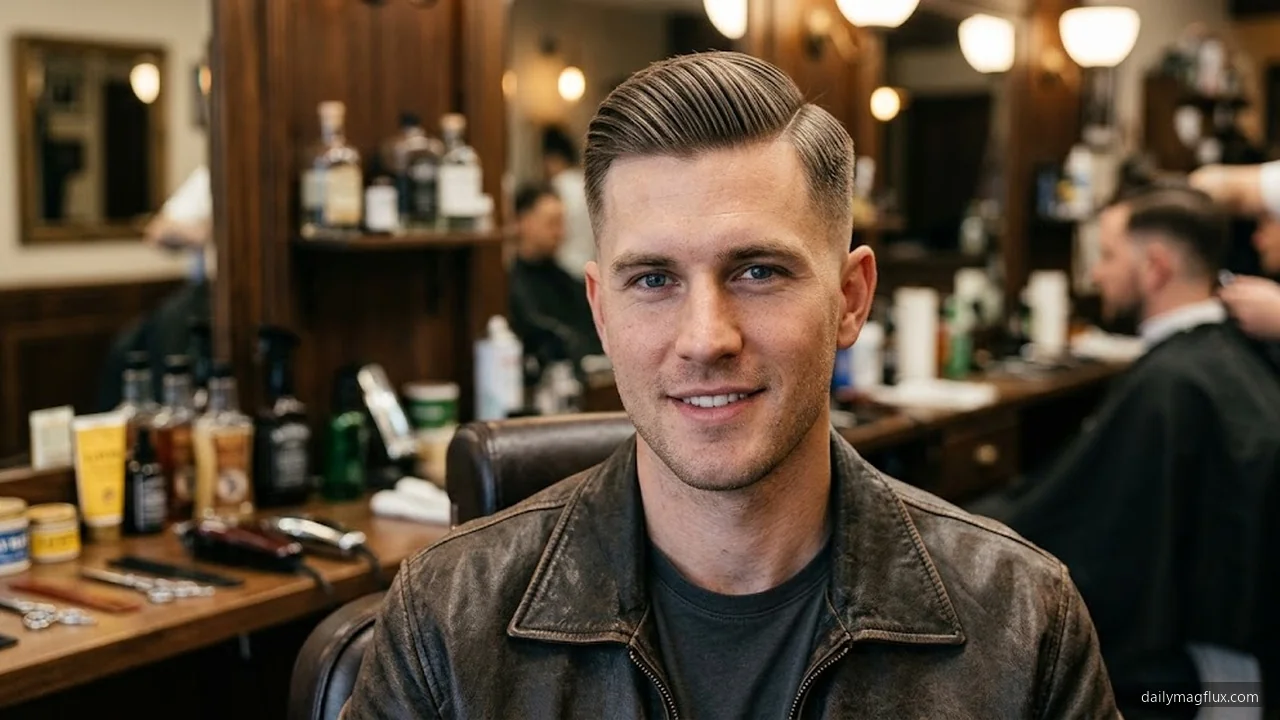
A hard part side part works well for a first job or college, because it looks tidy fast. Keep two and a half inches on top and ask for a #1.5 at the ear. A dime-sized amount of light pomade sets the part in a minute. Book every four weeks to keep the line crisp.
Professional Men

Keep the top around two and a half inches so it lies flat under office light. Ask for a soft blend at the temple instead of a hard line above the ear. A light pomade gives shine without looking wet in meetings. Touch up every four weeks, since the sides show growth first.
Mid Taper Fade vs Other Fades for Straight Hair
The three fades below differ in where they start and how much skin they show. Straight hair reacts to each one differently, so the height matters as much as the cut. Read the comparison that matches the look you want. Each note ends with a clear pick for your hair.
Mid Taper Fade vs Low Taper Fade
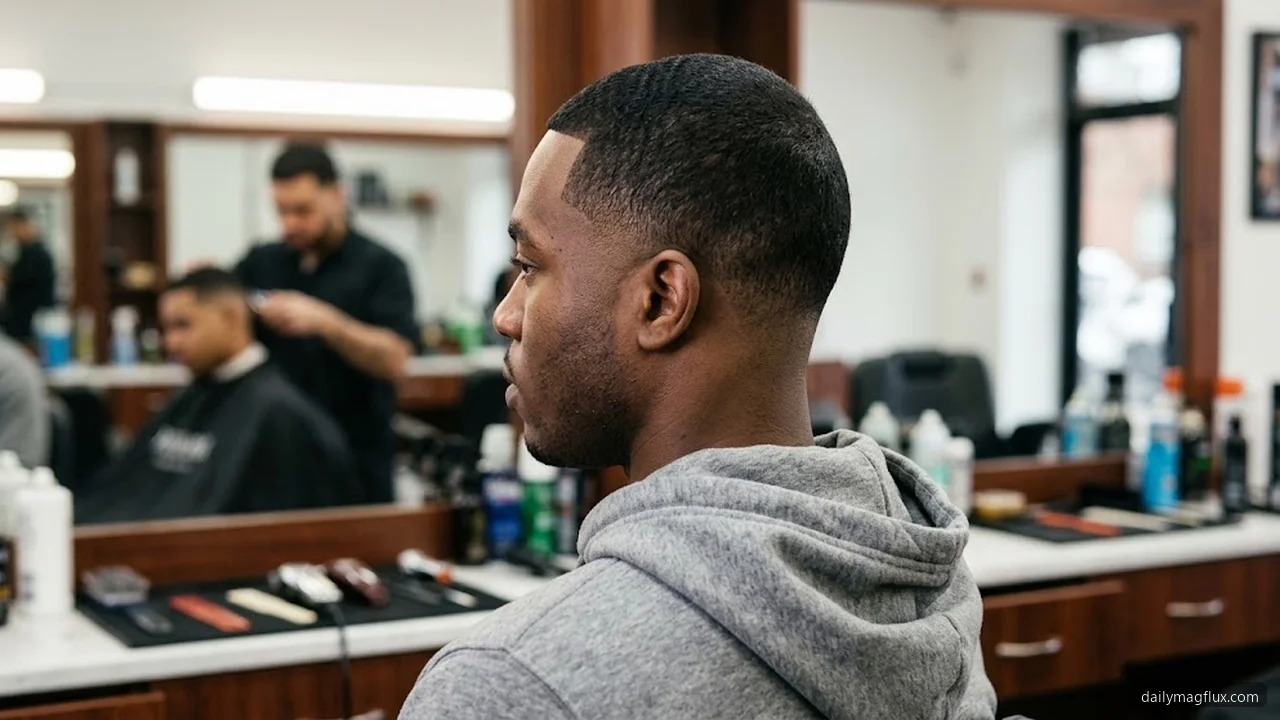
A low taper only shortens the sideburns and nape, so the sides keep their length. The mid version starts at the temple and removes bulk across the whole side. Low tapers suit men growing out a fade or wearing a longer top. Pick the mid cut when flat sides make your head look wide.
Mid Taper Fade vs High Taper Fade

A high taper starts near the parietal ridge and leaves very little hair above the ear. The mid version keeps more weight, so straight hair looks softer around the temples. High blends need a touch-up every two to three weeks to stay sharp. Choose high only if you want a bold contrast and you keep up the visits.
Mid Taper Fade vs Skin Fade
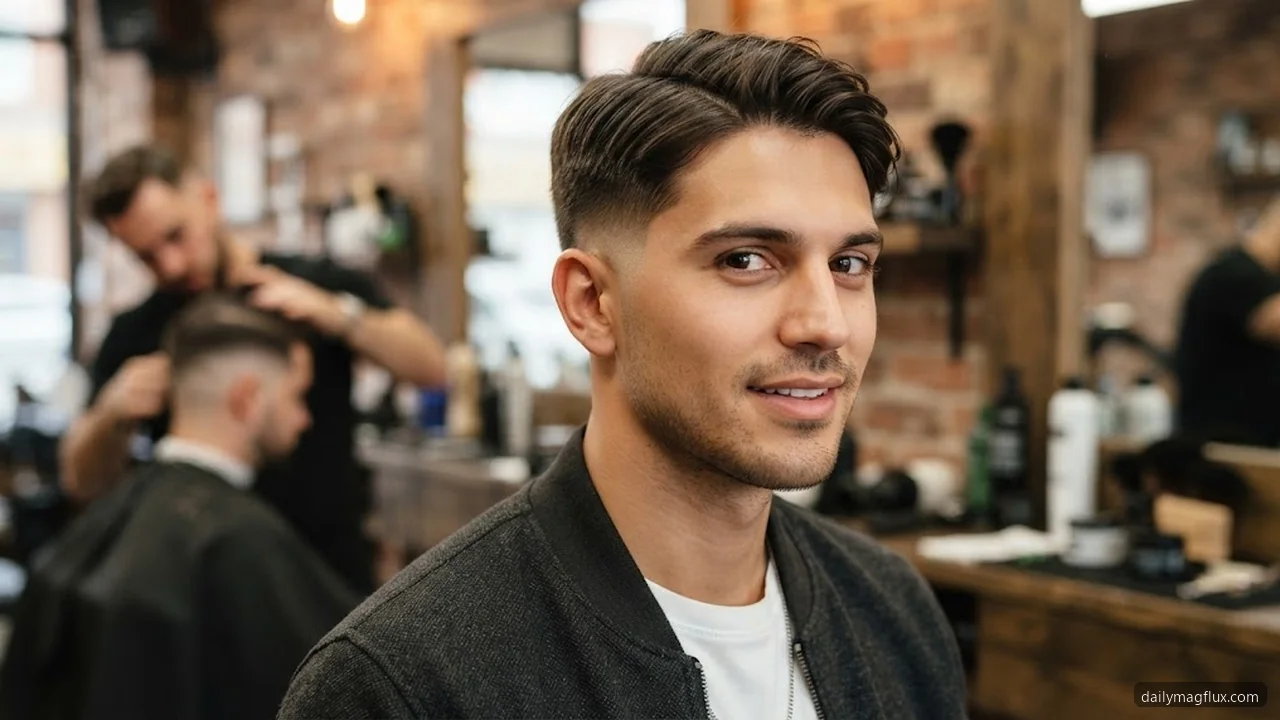
A skin fade drops to #0 or a foil shaver, so the sides show bare scalp. Mid tapers stop at a #1, which keeps a thin layer of hair at the ear. Skin fades need a touch-up every two to three weeks, while mid tapers last three to four. Pick skin if you want a sharp contrast, and mid if you want a softer edge.
Frequently Asked Questions
What is a Mid Taper Fade Straight Hair cut, and who is it best for?
It is a scissor-cut top with sides blended from the temple down to a #1 or #2. Straight hair suits it because the fade removes bulk without leaving the top flat. Men with oval or square faces get the best result from the shape. Fine hair hides clipper lines, so it needs less blending than thick hair.
What guard numbers should I ask for on a mid taper fade?
Ask for a #1 at the bottom, blending through a #1.5 into a #2. Finish near the temple with a #3, so the transition reads as a soft gradient. Longer tops are cut in inches with scissors, never with a guard. Name the temple line so the height stays clear to them.
How often does a mid taper fade need a touch-up?
Plan on three to four weeks between visits, because the sides grow out first. Straight hair grows about half an inch a month everywhere on the head. The blend above your ear softens before the top loses shape. If you wear a tighter blend, book closer to the three-week mark.
Can straight hair hold a mid taper fade without looking flat?
Yes, as long as the top keeps two to three inches of length. A fade removes the side bulk that makes straight hair look heavy and square. Texture from point cutting gives the strands something to do. Matte clay or sea salt spray gives the top enough grip to lift.
What is the difference between a mid taper fade and a low taper fade on straight hair?
A low taper trims only the sideburns and the nape. The mid version blends the whole side from the temple down to a #1. Straight hair looks wider with the low cut, since the sides keep their weight. Choose mid for a narrower outline, and low while growing your hair out.
Conclusion
Book this cut if your straight hair looks heavy at the sides. Start with a textured crop and a #1 to #3 blend, then adjust the top length later. Mid Taper Fade Straight Hair keeps the outline narrow without shaving your scalp. Skip it only if you want long sides or you dislike regular visits.
Tell your barber the height, the bottom guard and the top length in inches. Bring a side and back photo so the blend is clear before they start. Come back every three to four weeks to keep the taper crisp. One good script gets you the cut you actually wanted.

Harrison Jax is a hairstylist and fashion writer with 10+ years in the industry, holding a Certified Cosmetologist license and a Diploma in Fashion Styling from the London College of Style. He’s contributed grooming and trend guides to GQ India and Vogue Blogs, and currently leads DailyMagFlux’s hair and fashion coverage, blending runway insight with practical, everyday styling advice.