


A Mid Taper Fade Fringe is a men’s cut with length left at the front. The sides taper from the temple line, and the fringe stays long enough to move. Most versions keep two to four inches on top, cut with scissors. That front length sets it apart from a plain taper, so it reads softer.
It flatters oval, square and heart-shaped faces, because front length balances a wide forehead. Round faces need height on top, so ask for a shorter fringe. Straight, wavy and curly hair all work, though coils need cream to define the front. Anything longer than an inch on top is cut with scissors, never a clipper guard.
Quick Answer
A Mid Taper Fade Fringe leaves two to four inches at the front. The sides taper from the temple line down to a #0.5 or #1 at the bottom. It suits most face shapes, and works on straight, wavy or curly hair. Book a touch-up every three to four weeks, since the taper loses its shape.
What Is a Tapered Fringe Haircut?
The front keeps its length while the sides and nape taper short behind it. The taper only shortens the sideburns and neckline, so length remains through the sides. That balance keeps the front soft while the edges look clean and tidy.
A mid taper puts the blend at the temple line, which sits between a low and high fade. The bottom sits close to the skin, while the fringe stays long enough to part or sweep. Men ask for it because the front styles easily and the sides grow out quietly.
Mid Fade vs Mid Taper: Key Differences

A mid fade blends the whole side and back down to skin or a #0. A mid taper shortens only the sideburns and nape, so length stays through the sides. Pick the fade for a sharp, clean finish, and the taper if you want a softer grow-out.
Both start the blend at the temple line, so height is identical on the head. The fade needs a touch-up every two to three weeks, while a taper lasts three to four. Pick the fade on straight hair with strong density, and the taper on fine or wavy hair.
Why Tapered Fringes Are Popular in 2026
- Quiet grow-out: A taper keeps length at the nape, so week four still looks tidy. A full mid fade would show bare skin there by week three.
- Face-shape range: Front length balances a wide forehead or a narrow chin, which flatters heart faces. Round faces should keep the fringe shorter and add height on top instead.
- Fast styling: Two minutes with a dryer sets the front, even on a busy morning. That beats the ten minutes a longer layered cut demands from you.
Mid Taper Fade Fringe Styles to Try
Every cut below starts with the same tapered sides and a longer front. What changes is the fringe shape, which decides how the cut reads on your face. Match the fringe to your hair type first, then to your face shape and morning routine. Fine hair suits lighter fringes, while thick or curly hair carries heavier ones with ease. See American Academy of Dermatology hair care guidelines for more.
Short Fringe

This cut stops above the brows, which keeps the front light and the forehead open. The sides taper from the temple to a #1, and the top keeps two inches. Round and square faces wear it well, because it adds height without adding width. Work a dime-sized amount of matte paste through damp hair, then push it forward.
Curtain Fringe

The front splits at the centre and falls to either side of the forehead. That middle part opens the face, which suits oblong and heart-shaped faces nicely. Keep three inches on top and ask for a #2 above the temple for a soft blend. Blow-dry each side outward with a round brush, then finish with sea salt spray.
Side-Swept Fringe

This fringe travels across the forehead rather than falling straight down. It flatters diamond and oval faces, because the diagonal softens wide cheekbones. Ask for a #1.5 at the temple and about two and a half inches at the front. Style it with a pea-sized amount of pomade, combing from the part to the opposite brow.
Choppy Fringe
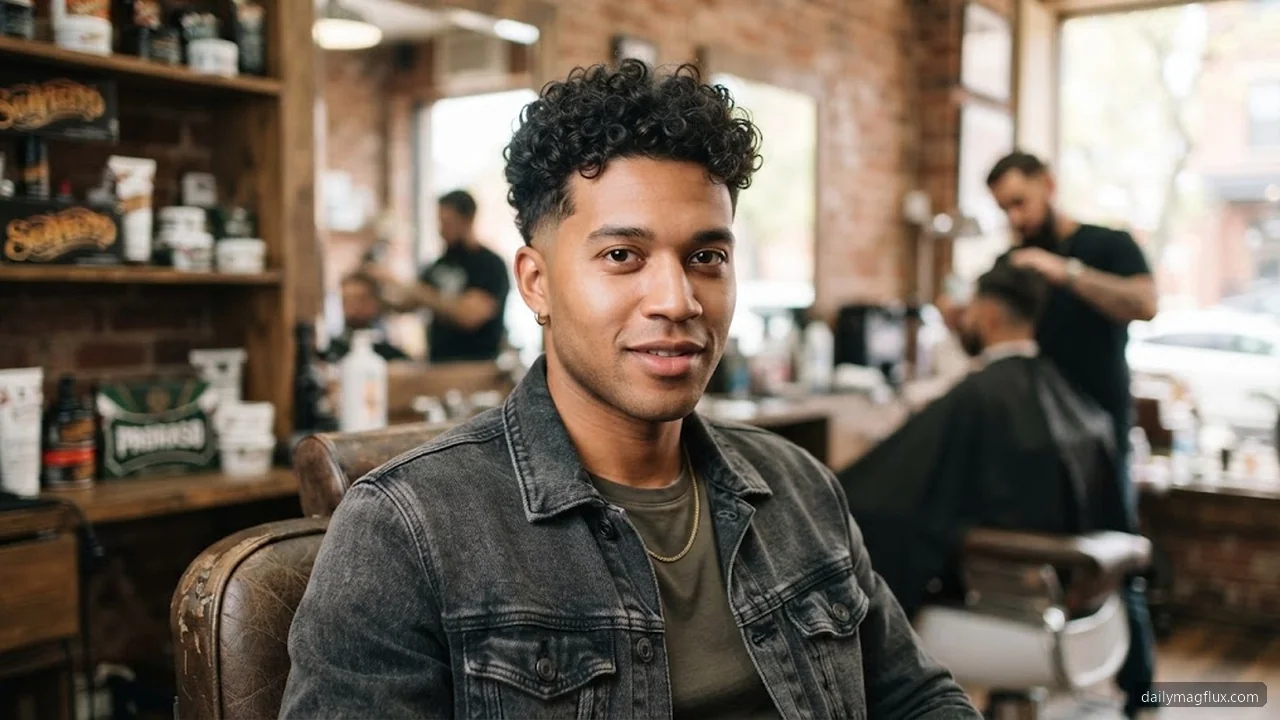
A choppy fringe is point-cut, so the ends sit at slightly different lengths across the brow. Two inches on top gives enough to texture, and thick straight hair suits it best. Square faces carry it well, and the sides can drop to a #0.5 at the temple. Scrunch matte clay through dry hair, then pinch the tips with your fingertips.
Blowout Fringe
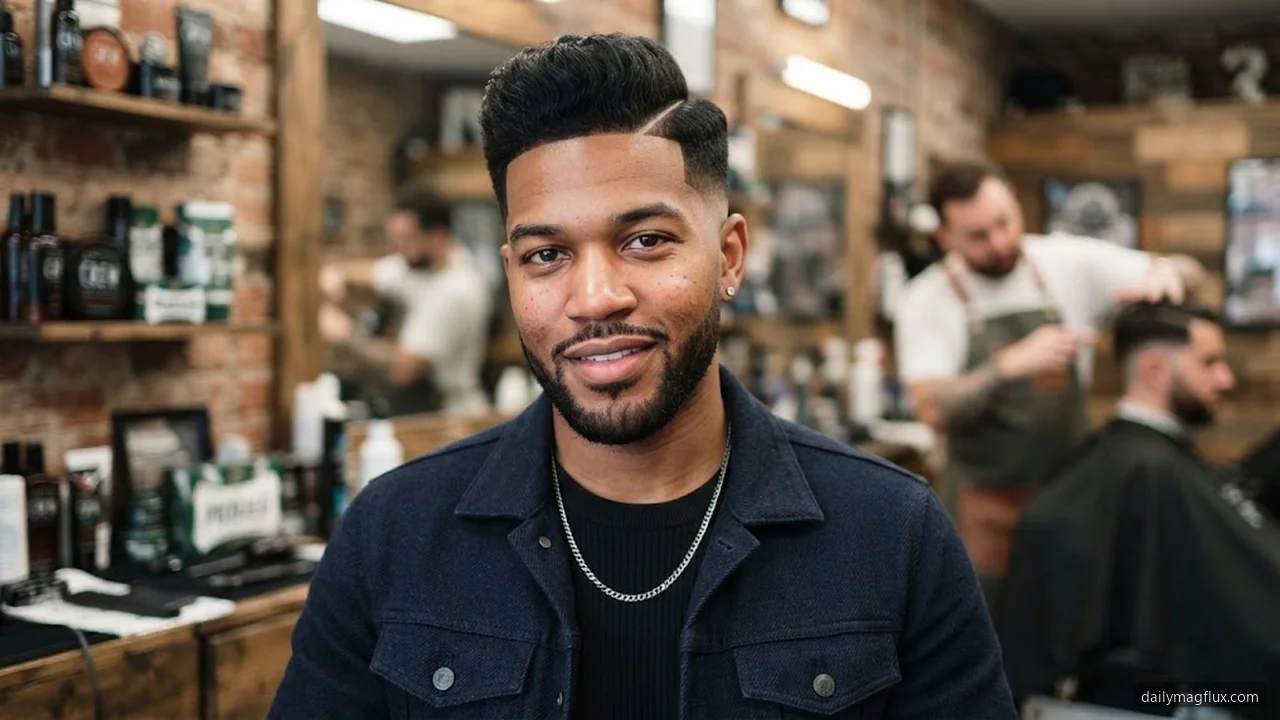
The front lifts up and back off the forehead with real volume. It suits round faces best, since the height stretches the face and slims the cheeks. Leave three inches on top and blend the sides with a #3 at the temple. Blow-dry upward with a vent brush, then set the shape with a light mist of spray.
Wavy Fringe

The fringe follows the natural bend of 2A to 2C hair. The taper sits at the temple and runs to a #1, so the front stays long and loose. Heart and oval faces wear it well, because soft waves soften the forehead. Apply curl cream to damp hair, scrunch, and let the fringe dry without touching it.
Textured Crop Fringe

A textured crop pairs a short, point-cut fringe with tight tapered sides. The top stays under two inches, so the fringe sits close to the forehead. It suits square faces, and works on straight or wavy hair with good density. Rub a dime-sized amount of matte clay through dry hair to separate the pieces.
Curly Fringe

The front stays long enough for 3A to 3C curls to spring up on their own. The taper must stay at the temple, since a higher fade pulls the curls apart. Oval and heart-shaped faces suit it, and round faces should keep it shorter. Rake curl cream through wet curls, then let them dry without a towel rub.
Two-Block Fringe
A two-block fringe keeps weight at the front and disconnects it from the shorter sides. The sides run to a #2 with a hard line, while the top holds three inches. It suits straight, thick hair on oblong and square faces, and needs daily styling. Blow-dry the front forward, then smooth a small amount of styling cream through the ends.
Common Tapered Fringe Mistakes to Avoid
Most tapered fringes fail for the same handful of reasons, and none of them involve the cut itself. A rushed fringe, a clipper where scissors belong, or the wrong product ruins the shape fast. Each mistake below comes with a fix you can ask for in the chair. Read them before your appointment, so the cut lasts the full three weeks. See Healthline hair health and wellness resources for more.
Cutting the Fringe Too Short
Cutting the fringe above the brows leaves no room for a mistake. Wet hair stretches, so it springs up half an inch shorter once it dries. Ask your barber to cut it dry and leave the front two inches to start. You can always take more off at the next visit, but you cannot add it back.
Letting the Barber Guard-Cut the Fringe
A clipper guard flattens the front and leaves a blunt, flat edge. Guards only cut up to one inch, so any longer fringe needs scissors instead. Tell your barber to point-cut the front and keep the guard for the sides. That keeps the fringe soft, so it moves instead of sitting like a helmet.
Skipping Heat Protection
Daily blow-drying on high heat dries the fringe and makes it frizz. Spray a heat protectant on damp hair before the dryer touches it. Keep the nozzle pointed down the hair shaft and use medium heat instead. A thirty-second blast on low beats five minutes of high heat every time.
Choosing a Full Mid Fade
A full mid fade takes the sides to skin, which leaves nothing at the temple. That contrast overwhelms a soft fringe and makes thin hair look thinner. Ask for a mid taper instead, since it keeps length above the sideburns. The grow-out is easier too, so you get an extra week between visits.
Waiting Too Long Between Trims
The fringe needs trimming first, and starts hanging in your eyes. Waiting too long leaves the neckline ragged and the sides looking puffy. Book the next appointment before you leave the chair, while the shape is fresh. That habit keeps the cut sharp, and it stops the fringe from needing a rescue trim.
Using Heavy Wax
Heavy wax weighs the fringe down and leaves an obvious greasy shine. It also clumps the hair, so the front separates into stiff, oily strips. Switch to matte clay or paste, and use a pea-sized amount only. Warm it between your fingers first, then work it from the back forward.
How to Style a Tapered Fringe
A tapered fringe needs about two minutes in the morning, not twenty. The routine changes with your hair type, since straight hair holds shape and curls spring back. Wet hair takes product differently than dry, so the order matters more than the brand. Follow the steps below and the front will hold until evening.
Daily Styling Routine
Start with towel-dried hair, because the fringe sets best when it is slightly damp. Blow-dry the front forward and down, using your fingers to lift the roots. Warm a pea-sized amount of matte clay between your palms and work it through the ends. Finish by pushing the fringe into place, then leave it alone for the rest of the day.
Products That Work Best

Matte clay gives the front texture and firm hold without adding shine. Sea salt spray adds grit and volume on fine hair that falls flat by noon. Curl cream defines a wavy or curly fringe, and pomade suits a slick side sweep. A light mist of hairspray holds a blowout fringe through a long day.
How Often Should You Trim the Fringe?
The fringe grows about half an inch a month, which is faster than it looks. Trim the front every two to three weeks at home, using sharp scissors on dry hair. Point-cut small sections instead of cutting straight across, so the edge stays soft. Book the full cut on the same day, so the barber can reset the taper and neckline.
Which Face Shape Suits a Tapered Fringe?
Your face shape decides which fringe length sits right on you. A round face wants height, while a long face needs width at the sides. The taper height stays at the temple for most shapes, and only the front changes. Read the notes below, then pick your version before you book the chair.
| Face Shape | Best Variation | Guard / Length |
|---|---|---|
| Oval | Wavy fringe | #1 at the temple, 3 inches on top |
| Round | Short lifted fringe | #1 at the temple, 2 inches on top |
| Square | Choppy fringe | #0.5 at the temple, 2 inches on top |
| Oblong | Two-block fringe | #2 at the sides, 3 inches on top |
| Heart | Curtain fringe | #2 above the temple, 3 inches on top |
Oval Face

Balanced length and width means most fringe shapes sit well on an oval face. A wavy or side-swept front suits it best, since both keep the forehead open. The taper holds at the temple with a #1, so the sides stay tidy all week. Few cuts fight this shape, which makes styling simple.
Round Face

Full cheeks and near-equal width need height on top and tighter sides. Keep the front short at two inches, then lift it with a dryer. A #1 taper at the temple slims the width without going to skin. Skip side volume entirely, because bulk at the ears widens the face.
Square Face

A broad forehead and a strong jaw carry texture well on top. Ask for a choppy fringe, since broken ends soften the hard angles. The taper can drop to a #0.5 at the temple with two inches at the front. Skip a blunt, straight fringe, which squares off the forehead further.
Long Face

A face clearly longer than it is wide needs width, not extra height. Keep fullness at the sides and wear the fringe forward on the brow. A two-block fringe with a #2 at the sides adds that width. Skip tall, lifted styles, because they stretch the face further.
Heart-Shaped Face

A wide forehead and a narrow chin balance well with a centre-split fringe. The curtain shape narrows the forehead without adding any height. Keep three inches at the front and blend with a #2 above the temple. Skip very tall volume, since it makes the chin look narrower.
Best Tapered Fringe Styles by Age Group
Age changes how a cut reads more than it changes the cut itself. School rules, office dress codes and how much time you will spend styling matter most. The same taper and fringe can look sharp at fifteen and at forty-five. Pick the version that fits your week, not your birth year.
Teenagers

School rules usually cap length at the collar and above the ears. A soft taper with a #1 at the temple stays inside those limits. Keep the fringe at two inches, short enough to sit tidy under a hood. Book every three weeks, since the sides grow out quickly.
Young Men
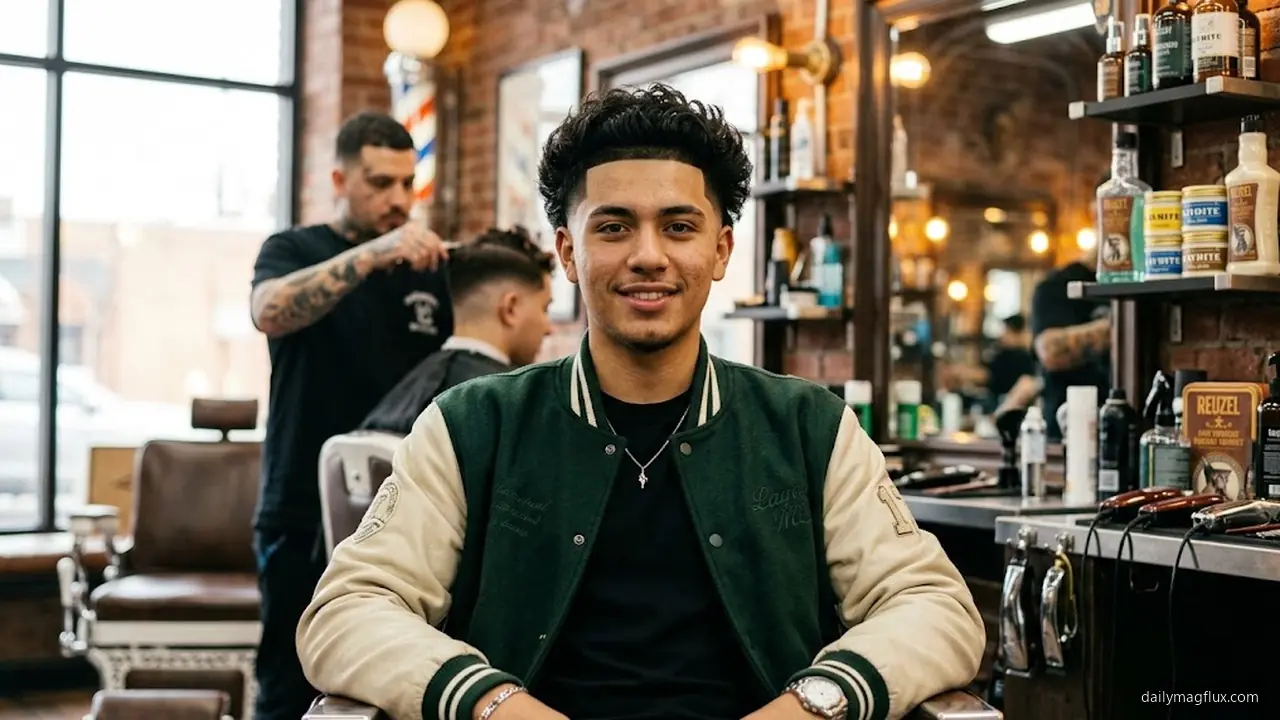
Contrast reads well in your twenties, so ask for a #0.5 taper at the temple. A textured fringe with two inches on top takes a minute with clay. The grow-out stays clean for three weeks, which suits a busy week. Keep the neckline natural, so it looks sharp but not formal.
Professional Men
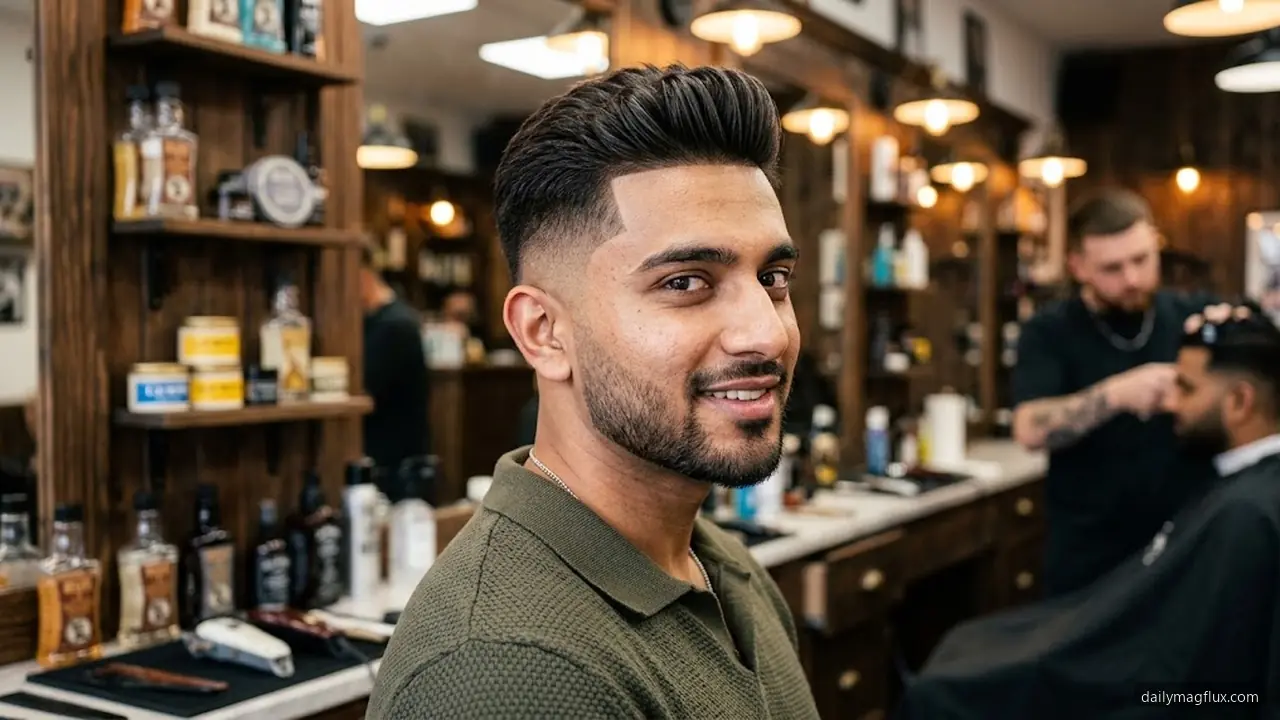
An office cut needs a clean neckline and a fringe off the face. Ask for a side-swept front with a #2 taper at the temple. Comb it with a light pomade, and it holds through meetings. Trim every four weeks, because a soft taper hides regrowth well.
Does a Tapered Fringe Make You Look Younger or Older?
Front length tends to read younger, because it softens the forehead and jaw. A short, lifted fringe on a round face reads older and cleaner. Anything past the brows adds a softer, casual edge to the face. The fringe length ages you more than the taper does.
A slick side sweep with a tight #2 taper reads sharper and more senior. Keep three inches at the front and comb it flat for that effect. Texture on top reads younger than a smooth, glossy finish does. Choose the finish you want, then match the fringe length to it.
How to Ask Your Barber for a Tapered Fringe
Words matter more than photos when the cut is this specific. The script below tells your barber the taper height, the guard and the front length. Bring two photos as backup, one from the front and one from the side. Say what you want first, then let the barber suggest small changes.
Key Phrases to Use With Your Barber

Tell your barber: “Mid taper at the temple, #1 at the bottom. Leave three inches at the front.” Add: “Point-cut the fringe and keep. The neckline natural.” Mention that you want the sides tapered, not faded. So, length stays above the ear. Ask the barber to check the fringe once it is dry, before the final trim.
Choosing the Right Length and Guard Number

Guards only cut up to one inch, so the sides take a number and the top takes inches. Ask for a #0.5 or #1 at the bottom, blending to a #2 at the temple. Keep the front at two to four inches, cut with scissors rather than a guard. Fine hair holds a shorter fringe, while thick hair carries three inches easily.
Common Barber Mistakes to Mention
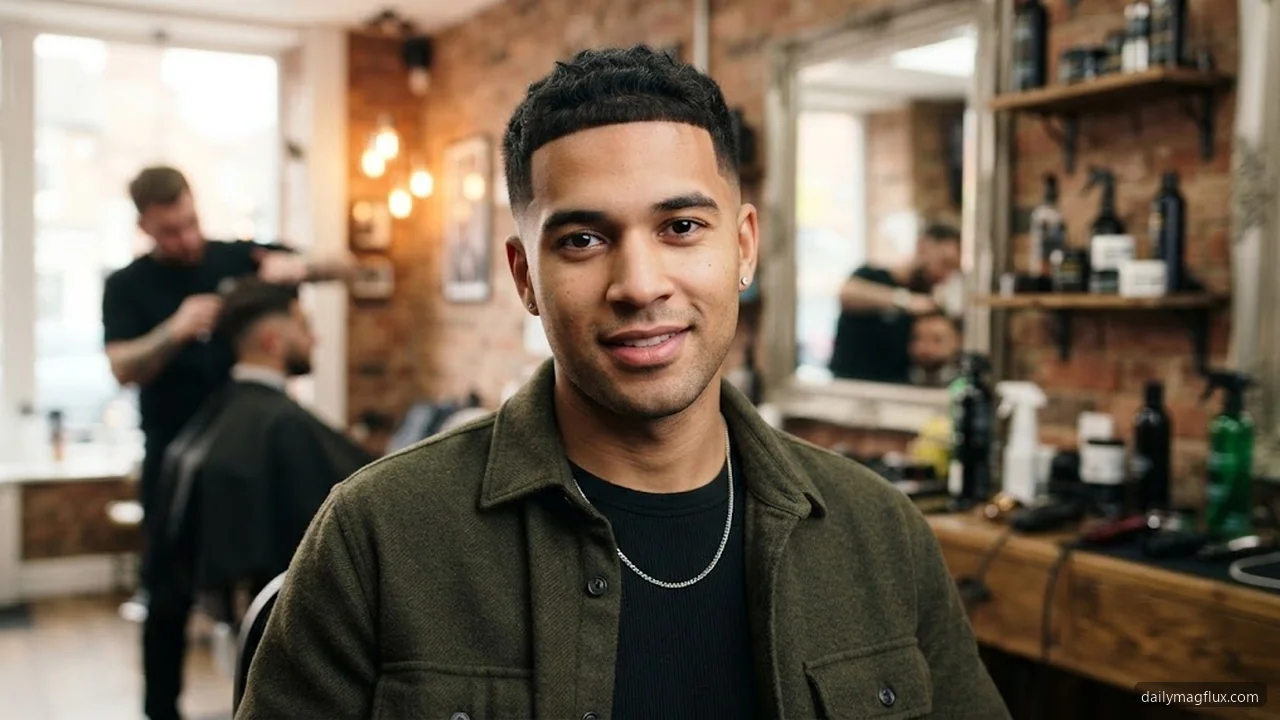
Some barbers reach for the clipper on the front, which flattens the fringe into a blunt edge. Say the top gets scissors only, and watch for the guard near your brow. A too-high fade is another common miss, since it pulls the taper above the temple. Speak up early, because a fix later means losing length.
Tapered Fringe Video Guide

Watch a full cut rather than a finished result, so you see the order of work. The taper gets blended first, then the fringe is point-cut while dry. Look for the barber checking the front against the brow line. Note how much length comes off, since that guides your own request.
Frequently Asked Questions
What is a mid taper fade fringe haircut?
It is a cut with tapered sides and a longer front at the brow. The taper starts at the temple and blends to a #1 at the neckline. The fringe stays two to four inches, cut with scissors rather than a guard. It sits between a low and a high taper in height.
How is a mid taper different from a full mid fade?
A full mid fade blends the whole side and back down to skin. A mid taper shortens only the sideburns and nape, so length stays above the ear. The fade needs a trim every two weeks, while the taper lasts three. Choose the fade for a sharp finish and the taper for easier upkeep.
What guard number should I ask for on the sides?
Ask for a #0.5 or #1 at the bottom of the taper. The blend should reach a #2 or #3 by the temple line. Guards only cut up to one inch, so the top takes inches instead. Say the numbers out loud, because “short on the sides” means different things to different barbers.
Which face shape suits a tapered fringe best?
Oval, square and heart-shaped faces wear a tapered fringe most easily. Round faces need height on top, so keep the front shorter and lifted. Long faces should keep fullness at the sides and skip tall styles. Diamond faces need fullness at the temple, so avoid a tight taper there.
How often should I trim a mid taper fringe?
Trim the fringe every two to three weeks, since it grows half an inch a month. The full cut waits three to four weeks, because a taper grows out slowly. Between visits, point-cut the front while the hair is dry. Book ahead before you leave, so the shape never gets away.
Can curly hair wear a tapered fringe cut?
Yes, curls from 3A to 3C work well with a tapered fringe. Keep the taper at the temple, because a higher fade pulls the curls apart. The front needs three inches of length so the curls can spring up. Rake curl cream through wet hair, then let it dry without a towel rub.
Does a tapered fringe work in professional settings?
Yes, if the fringe stays neat and off the forehead. Ask for a side-swept front with a #2 taper at the temple. Comb it with a light pomade, and it holds through a working day. Keep the neckline natural, which looks sharp without looking military.
Conclusion
Book a Mid Taper Fade Fringe if you want a soft front with tidy sides. Start with the short fringe at two inches if your face is round or square. Wavy or curly hair does better with three inches and a curl cream. Fine hair suits a lighter fringe, since heavy weight drags it flat.
Tell your barber: “Taper at the temple, #1 at the bottom. Three inches at the front. Bring one front photo and one side photo. So, the length is clear. Ask for the fringe point-cut while dry, and check it before you pay.

Harrison Jax is a hairstylist and fashion writer with 10+ years in the industry, holding a Certified Cosmetologist license and a Diploma in Fashion Styling from the London College of Style. He’s contributed grooming and trend guides to GQ India and Vogue Blogs, and currently leads DailyMagFlux’s hair and fashion coverage, blending runway insight with practical, everyday styling advice.